
The Virgin Adoring the Sleeping Christ Child — History & Facts
No fewer than five versions of The Virgin Adoring the Sleeping Christ Child by Sandro Botticelli are known to exist, each subtly different, a testament to both the popularity of the subject and the artist’s own fascination with it. In Florence around 1485, religious images for private devotion were in high demand, and Botticelli’s workshop responded with variations on this intimate scene. The repetition of the motif has led scholars to debate which version, if any, was the original, and whether Botticelli himself painted each one or delegated parts to assistants.
This proliferation also reflects the shifting tastes of Florentine patrons, who sought both recognizable piety and the prestige of owning a Botticelli. The painting captures a moment of hushed reverence: the Virgin Mary kneels in adoration before the sleeping infant Christ, her hands clasped in prayer. Botticelli halts the narrative at the threshold between peace and prophecy—the Christ Child’s slumber foreshadows his future sacrifice, while Mary’s gaze is tender yet shadowed with foreknowledge. The soft landscape behind them, rendered in delicate greens and blues, situates the holy figures in an earthly, almost familiar world.
The Christ Child’s vulnerability is heightened by his exposed position on the ground, a motif echoing earlier Florentine works but here suffused with Botticelli’s characteristic grace. Compared to Lippi’s more ornate interpretations, Botticelli’s scene is stripped to its essentials, inviting the viewer into a quiet, personal meditation. The precise origins of this particular version remain uncertain, as do the circumstances of its first commission. Like many devotional images from late 15th-century Florence, it may have been intended for a private home or a small chapel, rather than a grand church.
Over the centuries, the painting has passed through various collections, its attribution at times questioned due to the number of similar works from Botticelli’s circle. Today, it stands as a representative example of the artist’s late period, when his style grew more contemplative and his palette more subdued. Whether seen in a museum or a digital gallery, The Virgin Adoring the Sleeping Christ Child continues to invite viewers into the quiet intimacy that made it so beloved in Botticelli’s own time.
More Artworks by Sandro Botticelli
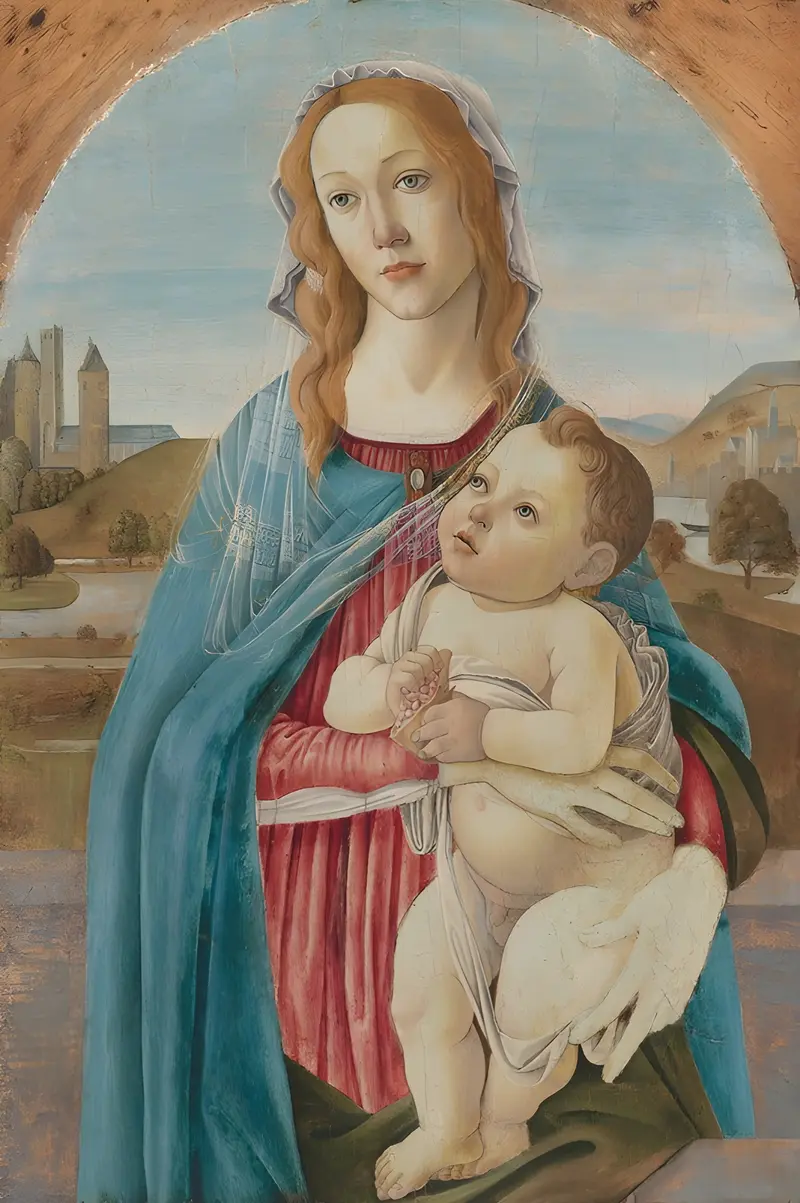
Virgin and Child
Sandro Botticelli
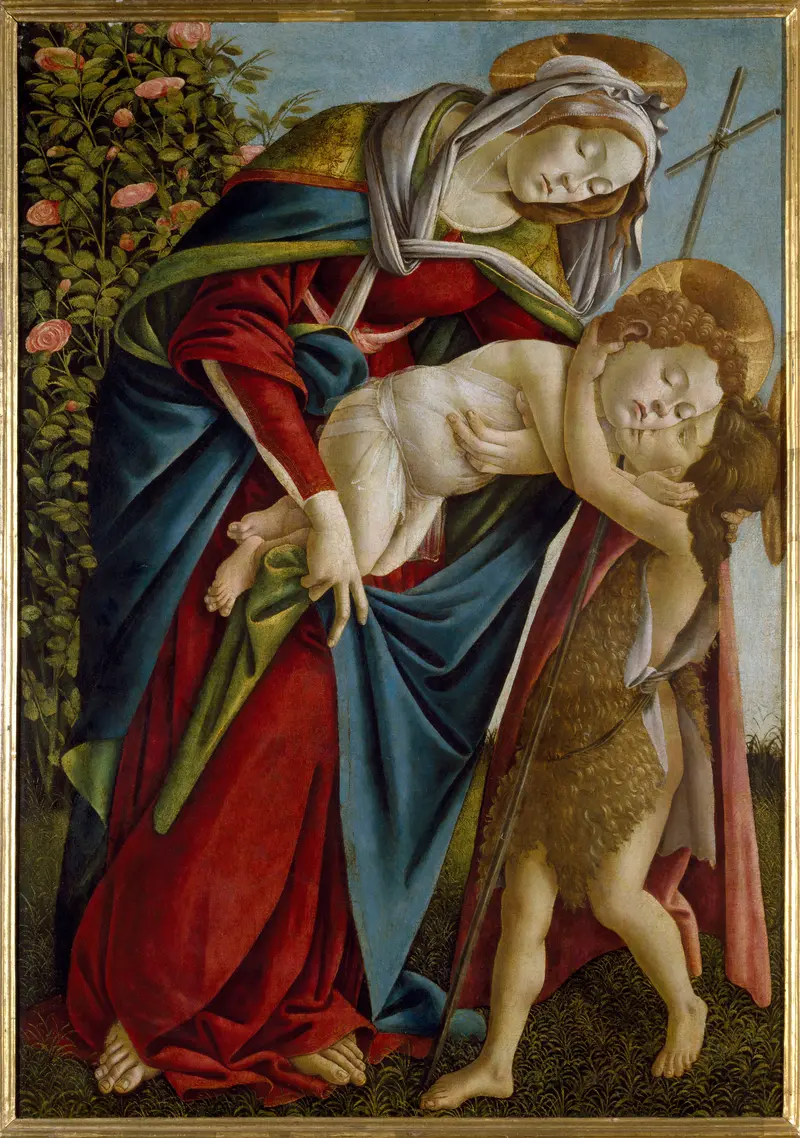
Madonna and Child and the Young St John the Baptist
Sandro Botticelli
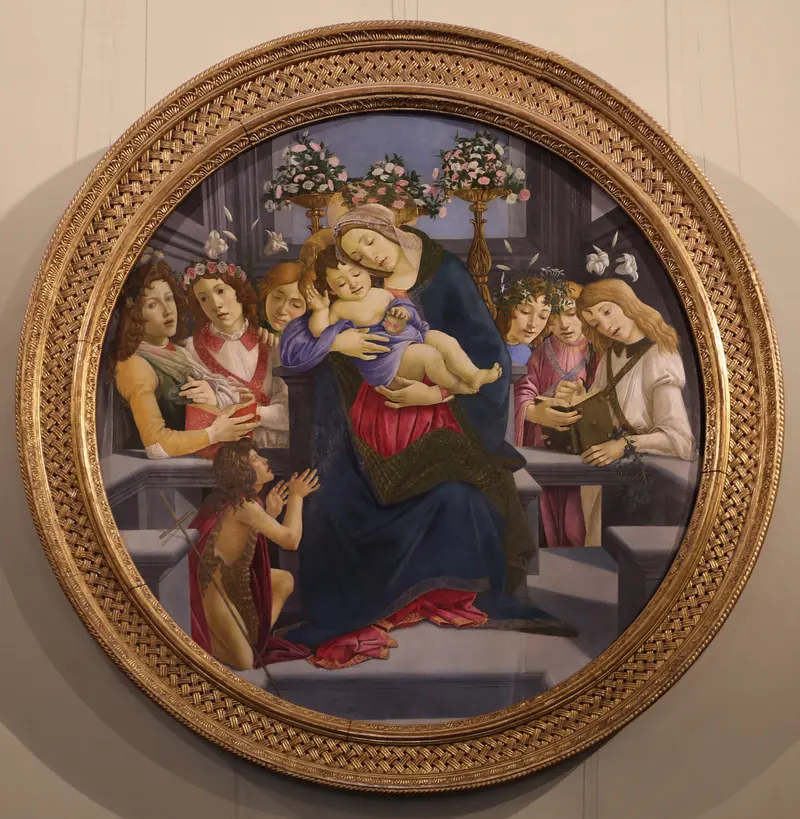
Madonna and Child with six angels and Saint John the Baptist as Child
Sandro Botticelli
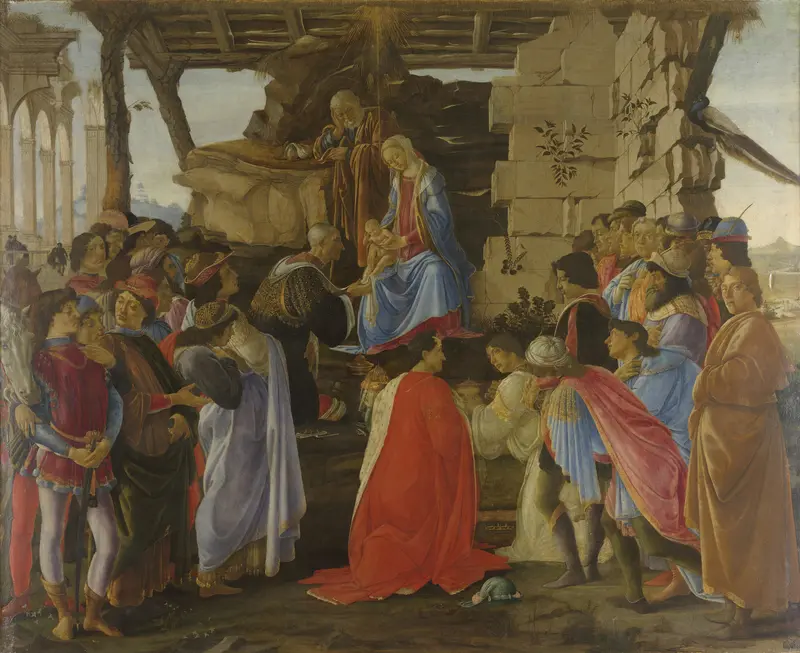
Adoration of the Magi
Sandro Botticelli

Virgin and Child with the Young Saint John the Baptist
Sandro Botticelli
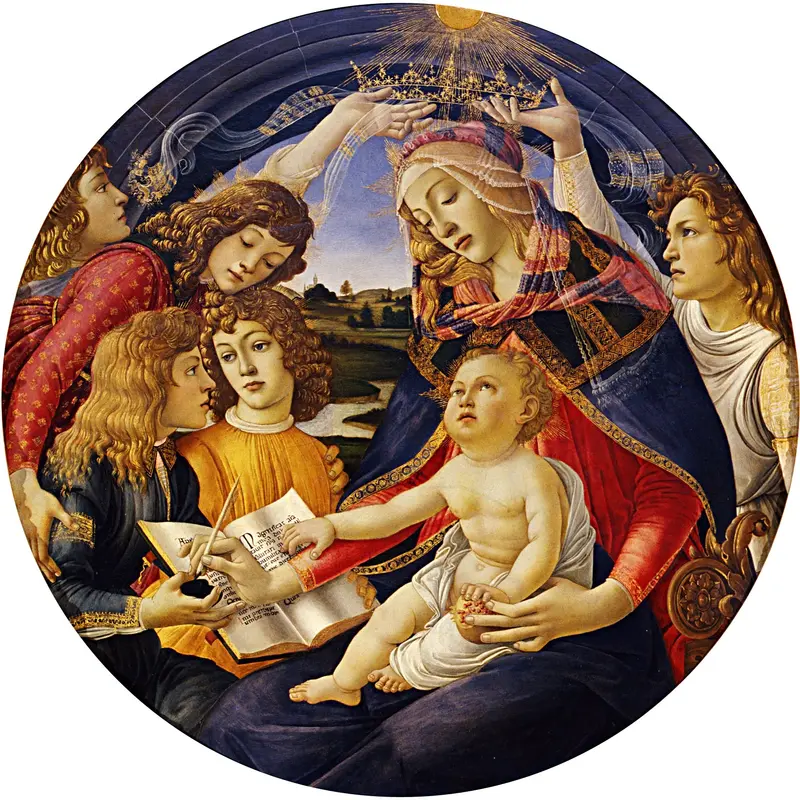
Madonna of the Magnificat
Sandro Botticelli
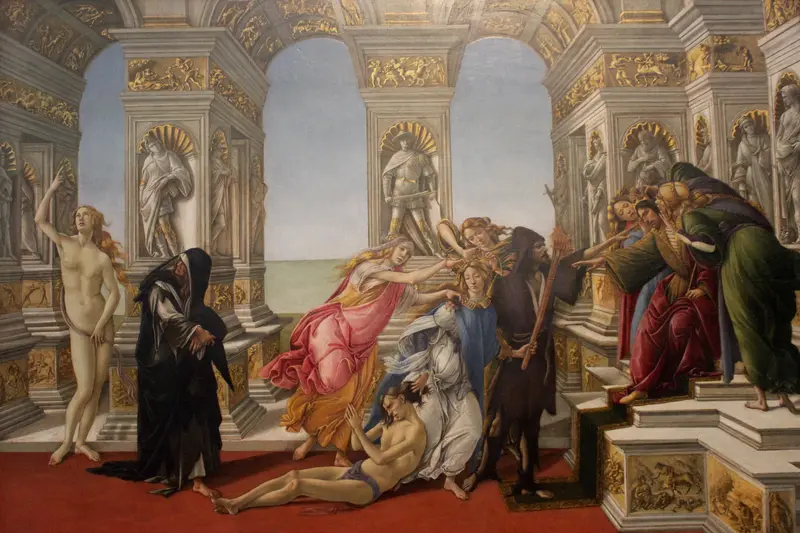
Calumny of Apelles
Sandro Botticelli
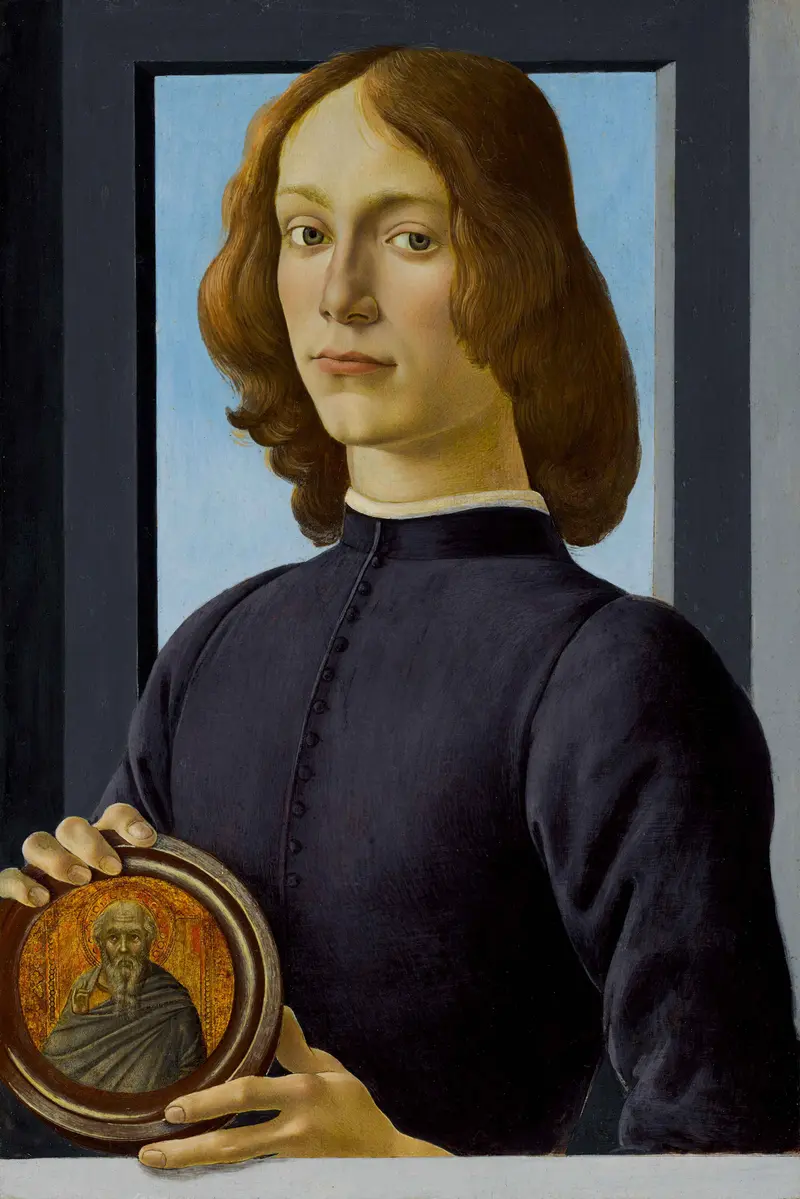
Portrait of a young man holding a roundel
Sandro Botticelli

The Trinity with Saint Mary Magdalene and Saint John the Baptist, the Archangel Raphael and Tobias
Sandro Botticelli
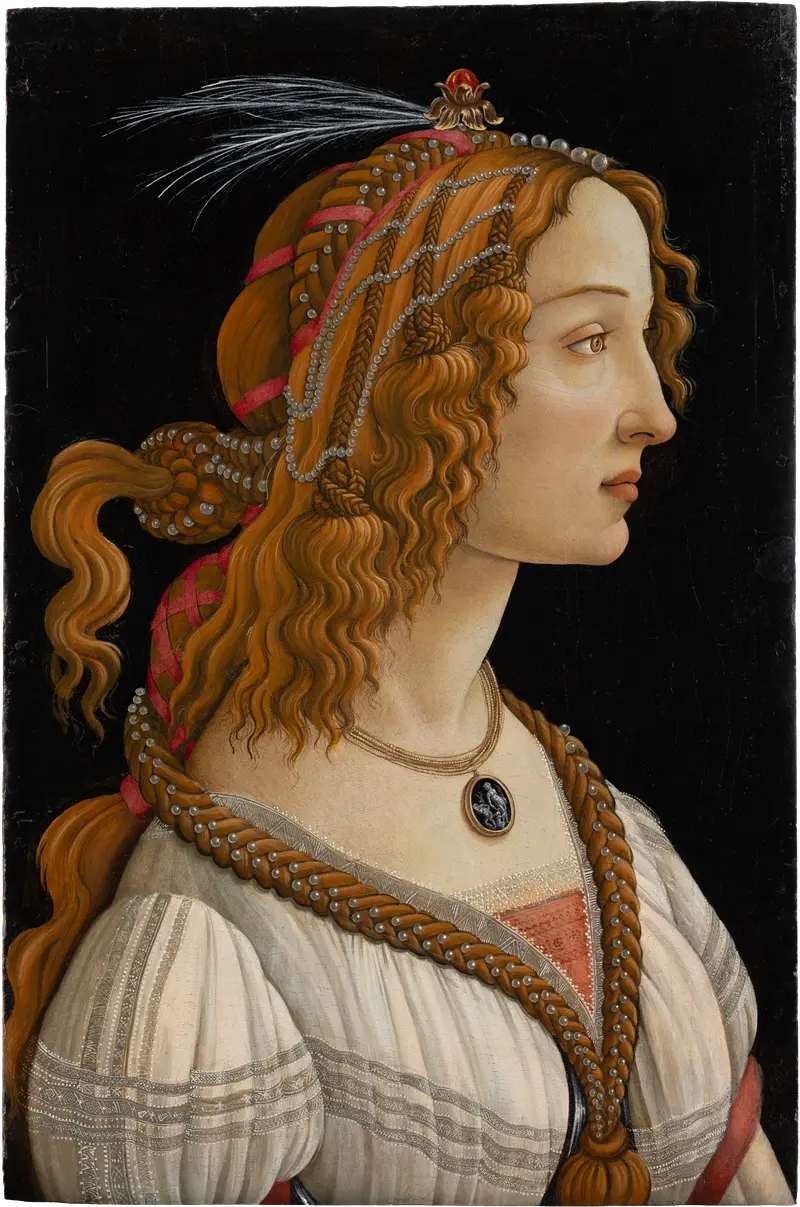
Idealized Portrait of a Lady (Portrait of Simonetta Vespucci as Nymph)
Sandro Botticelli





