
The Virgin and Child with a Floral Wreath and a Crown of Thorns — History & Facts
A crown of flowers and a crown of thorns meet in a single, haunting gesture: here, the Madonna, with her cascade of golden hair and a robe of deep rose and midnight, lifts a garland of blooms above her child’s head, while the Christ Child, solemn and unflinching, holds the spiny circle of his future suffering. The artist draws your eye to this moment of duality—innocence and sacrifice—by the careful play of light across the Virgin’s face and the bare, luminous body of the child. The folds of her garments fall in rich, shadowed layers, grounding the figures in the earthly world, while the distant, dreamlike landscape behind them hints at a reality just out of reach.
Every detail, from the basket of folded linen at the Virgin’s feet to the cool blue of the river and sky, is chosen to heighten the sense of a story suspended between tenderness and foreboding. Works like The Virgin and Child with a Floral Wreath and a Crown of Thorns by Alessandro Allori belong to a world where painting was both devotion and display, a visual theology for private chapels and the homes of the devout. In late Renaissance Florence, artists like Allori were sought after for their ability to blend the idealized beauty of figures with the emotional depth demanded by Counter-Reformation patrons. The Museum of Fine Arts Ghent (MSK) now houses this painting, but history has kept few traces of its early journey or commission.
What remains is the image itself, inviting you to linger over the tension between the Virgin’s gentle pride and the child’s quiet acceptance—an invitation to look again, and find new meaning in every gesture.
More Artworks by Alessandro Allori

Francesco de' Medici
Alessandro Allori
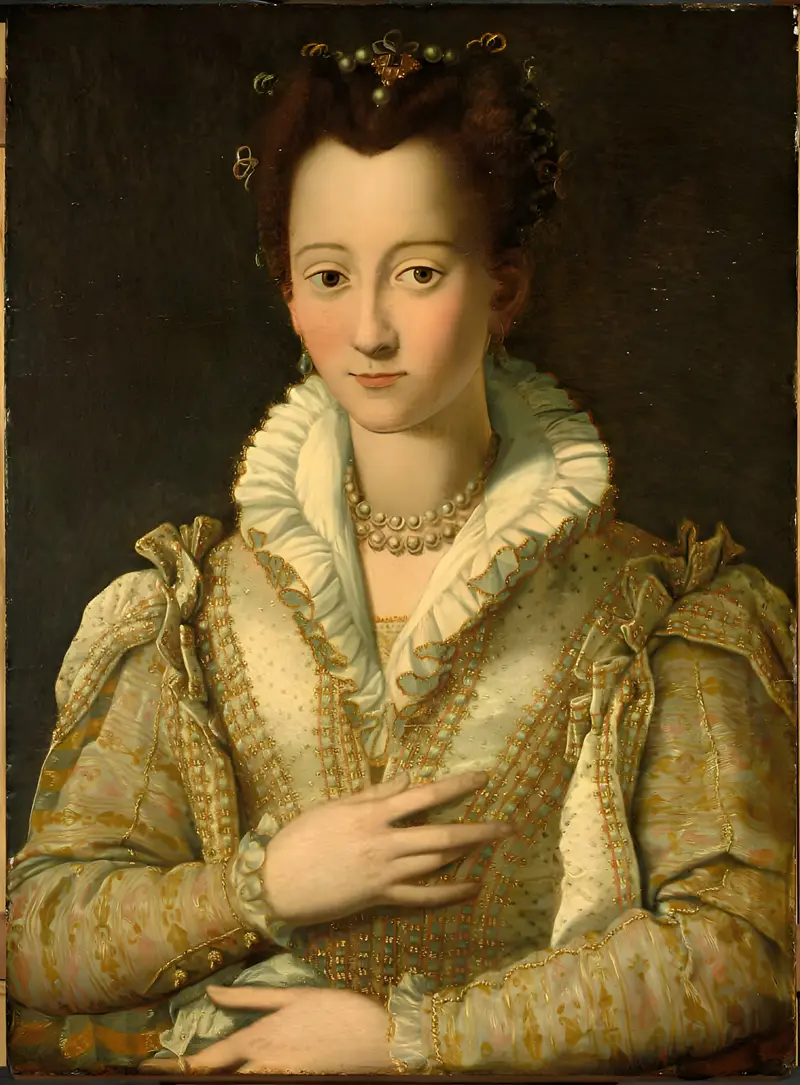
Portrait of a Woman
Alessandro Allori
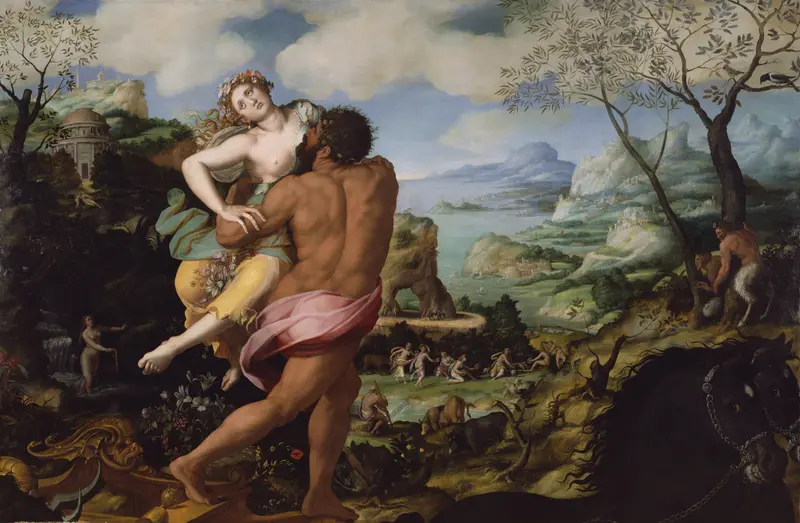
The Abduction of Proserpine
Alessandro Allori
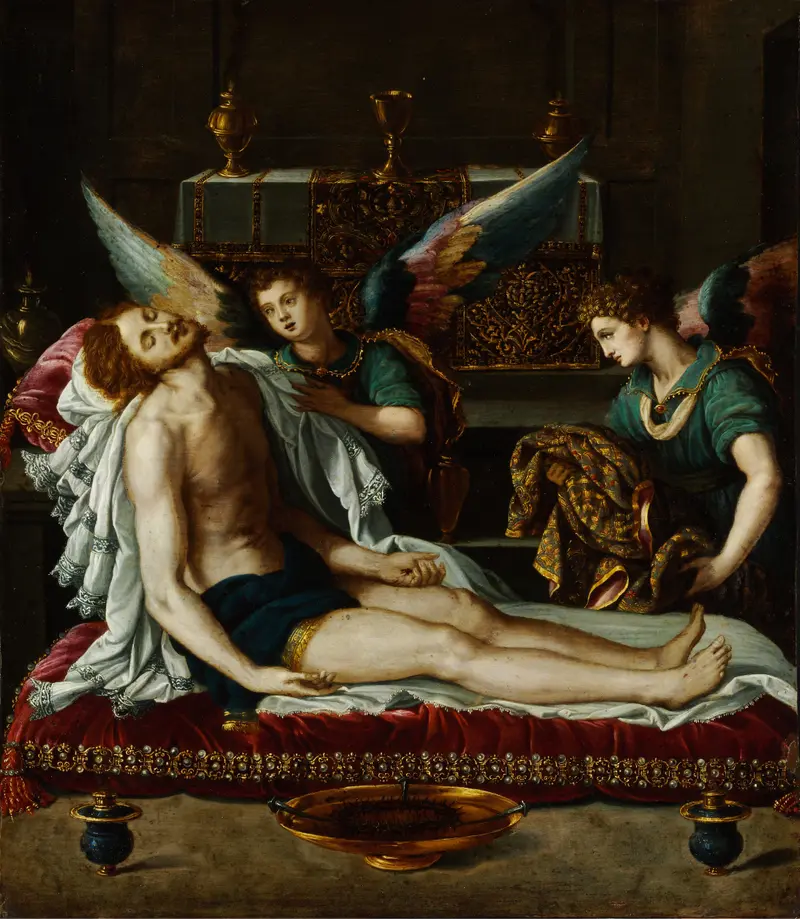
The Body of Christ Anointed by Two Angels
Alessandro Allori
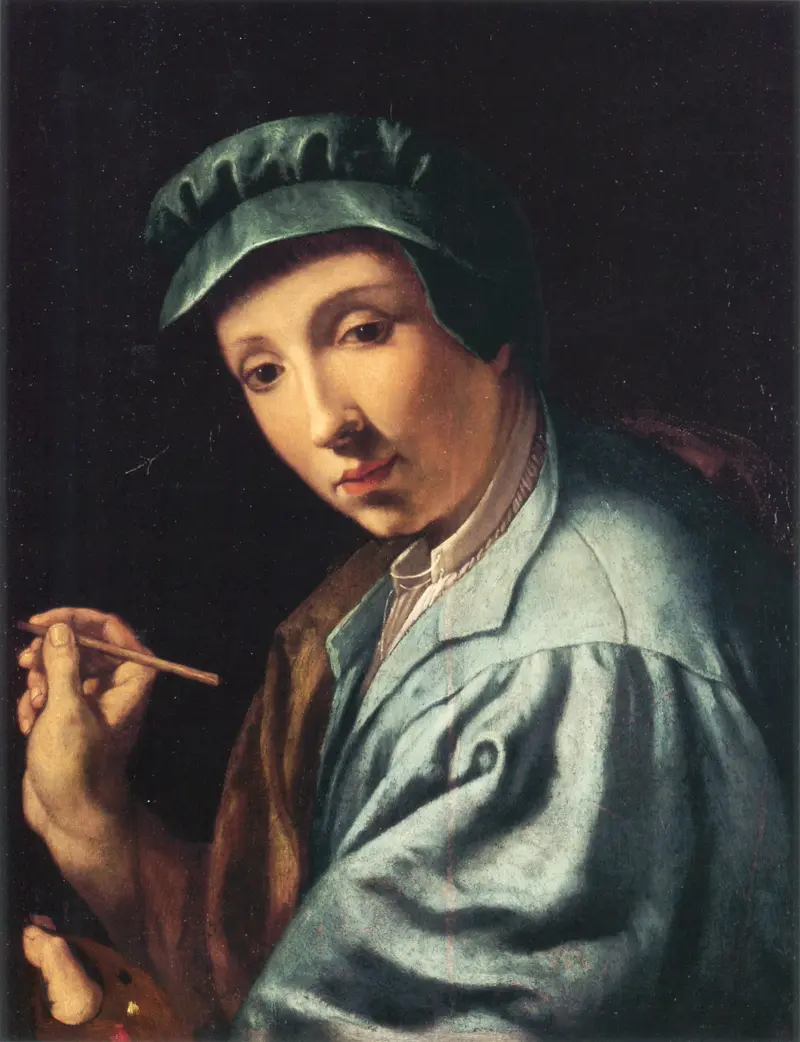
Self-portrait
Alessandro Allori
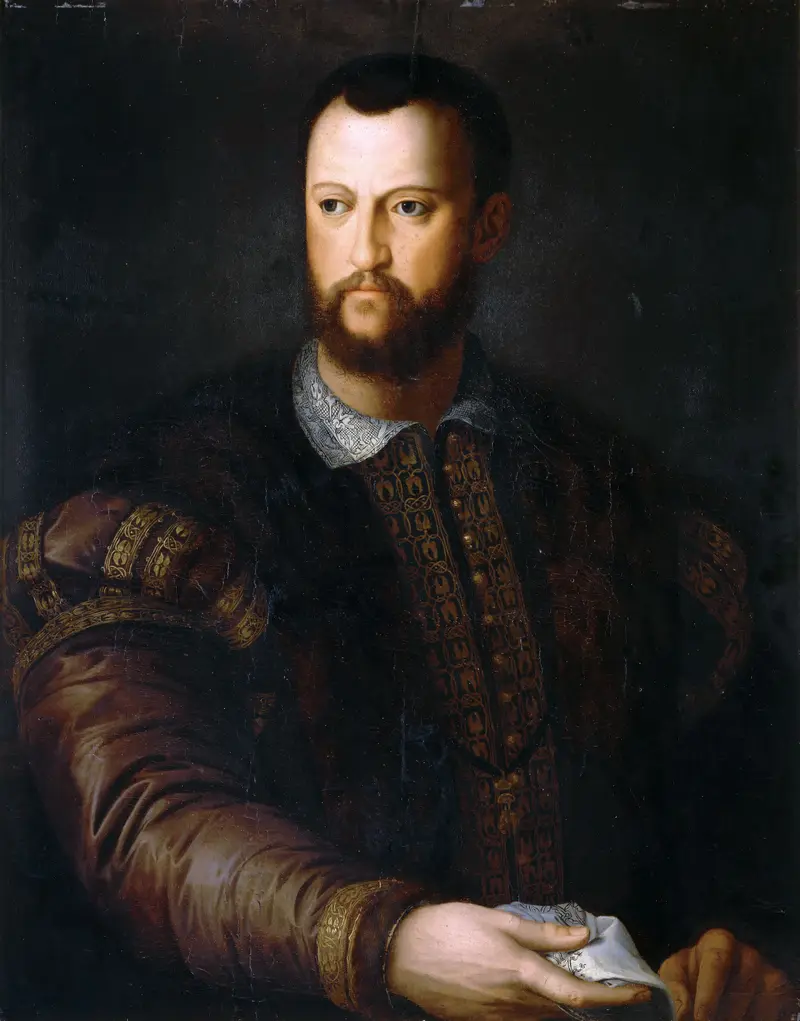
Portrait of Cosimo I de' Medici
Alessandro Allori
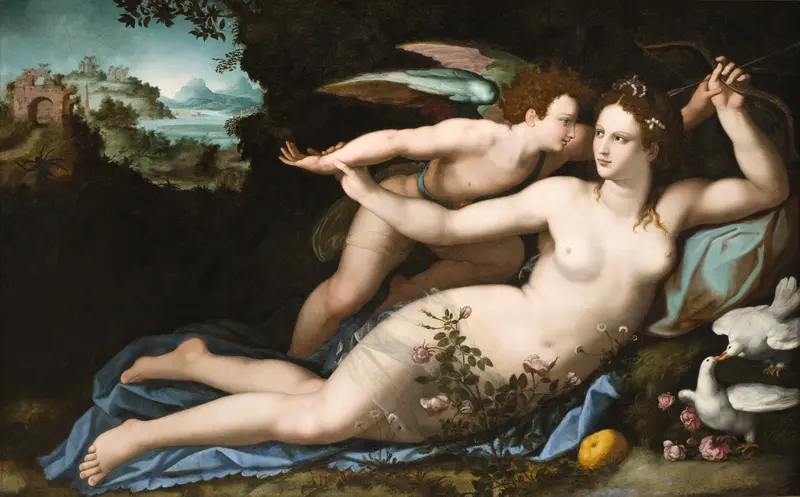
Venus disarming Cupid
Alessandro Allori
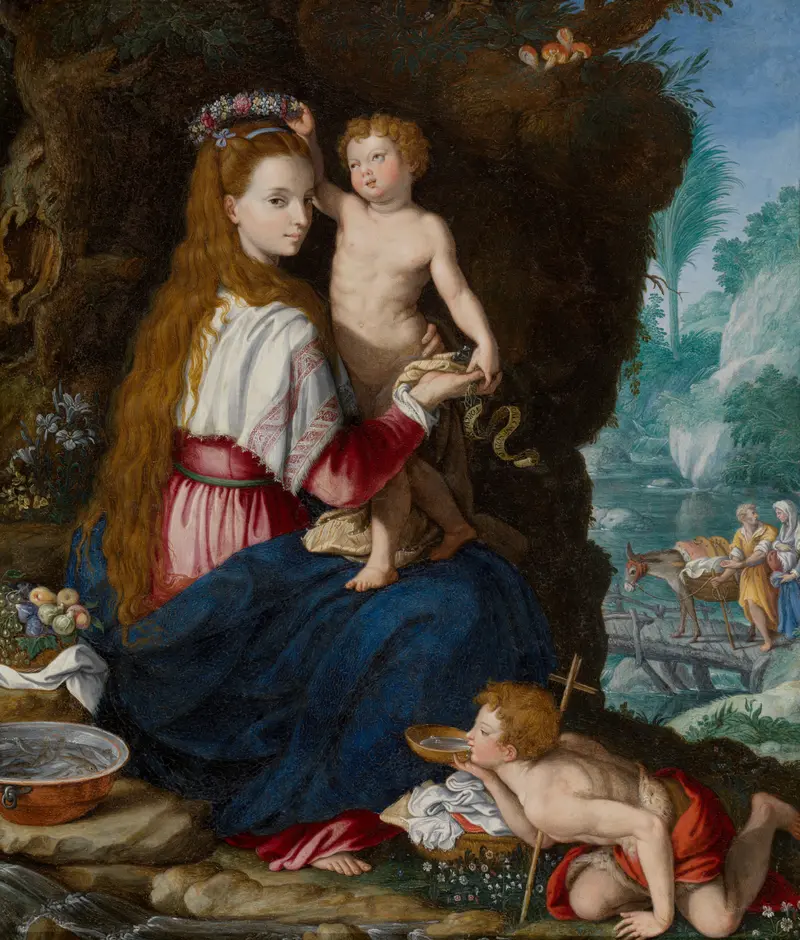
Madonna with Little Saint John
Alessandro Allori
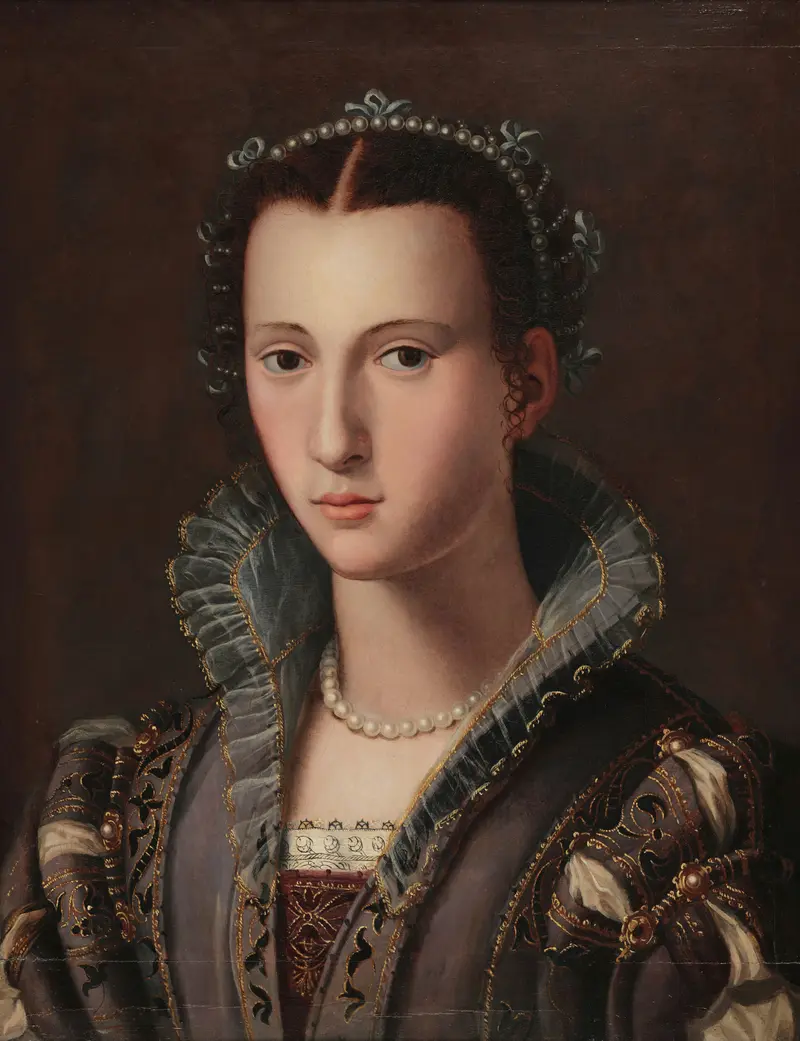
Portrait of a Florentine Lady
Alessandro Allori
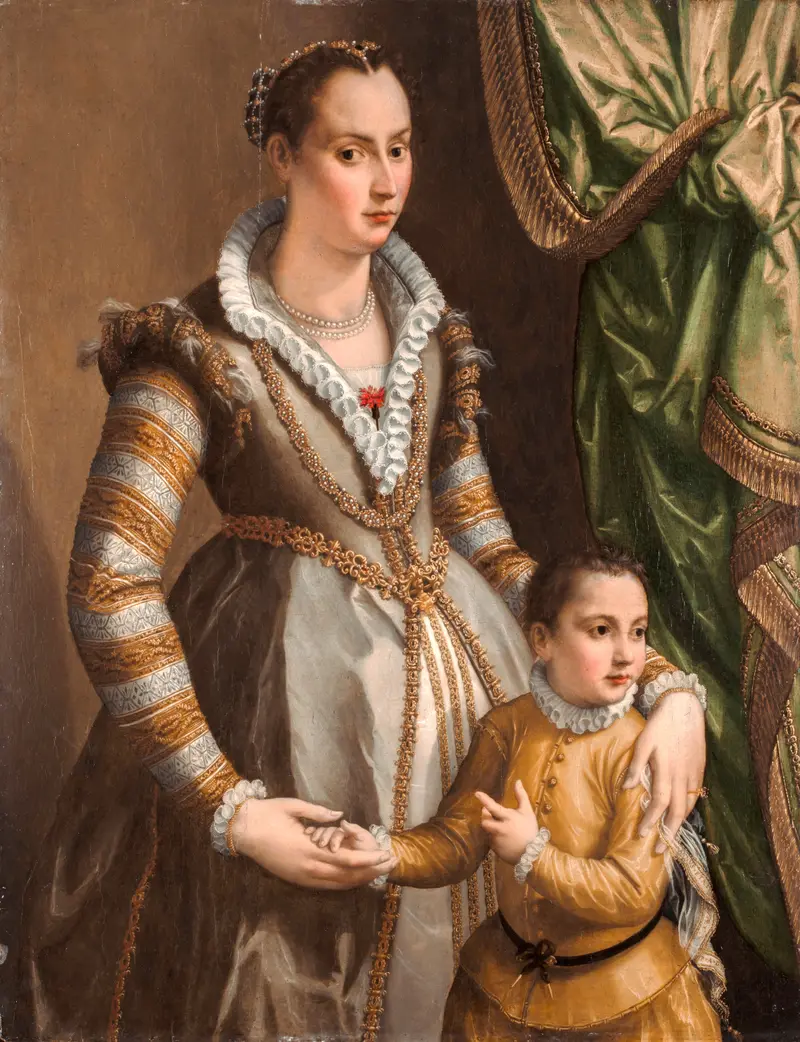
Portrait of a Noblewoman with her Son
Alessandro Allori





