
The Virgin and Child with Saint Anne — History & Facts
What first draws the eye in Virgin and Child with Saint Anne is the quietly tense triangle formed by three generations: the infant Christ, the youthful Virgin Mary, and the grave, watchful Saint Anne. The scene is intimate but never sentimental; the Christ Child, restless and reaching, is gently steadied by Anne’s firm hands, while Mary, her gaze lowered, offers both tenderness and a hint of apprehension. The painter’s use of color—Mary’s robe a deep, almost shadowy blue, Anne’s a somber red—anchors the figures against the cool, distant landscape.
Overhead, the trees part to reveal a sky unsettled by rolling clouds, a reminder that even in this moment of familial closeness, the world outside is shifting. This painting belongs to a moment in early sixteenth-century Germany when artists like Lucas Cranach the Elder were reimagining sacred subjects with a new psychological depth. Around 1516, devotional images such as this were often commissioned for private worship or small chapels, intended to draw the viewer into contemplation of the Holy Family’s humanity. Cranach’s contemporaries, like Albrecht Dürer, sometimes rendered these scenes with grand architectural settings or crowded symbolism; here, the mood is quieter, the background a gentle landscape dotted with castles and distant towns, suggesting both the rootedness and the vulnerability of the holy figures.
History has kept few traces of this particular painting’s journey, but its presence in a modern collection invites us to linger on the careful gestures and subtle drama that Cranach wove into this familiar theme.
More Artworks by Lucas Cranach the Elder

Martin Luther
Lucas Cranach the Elder
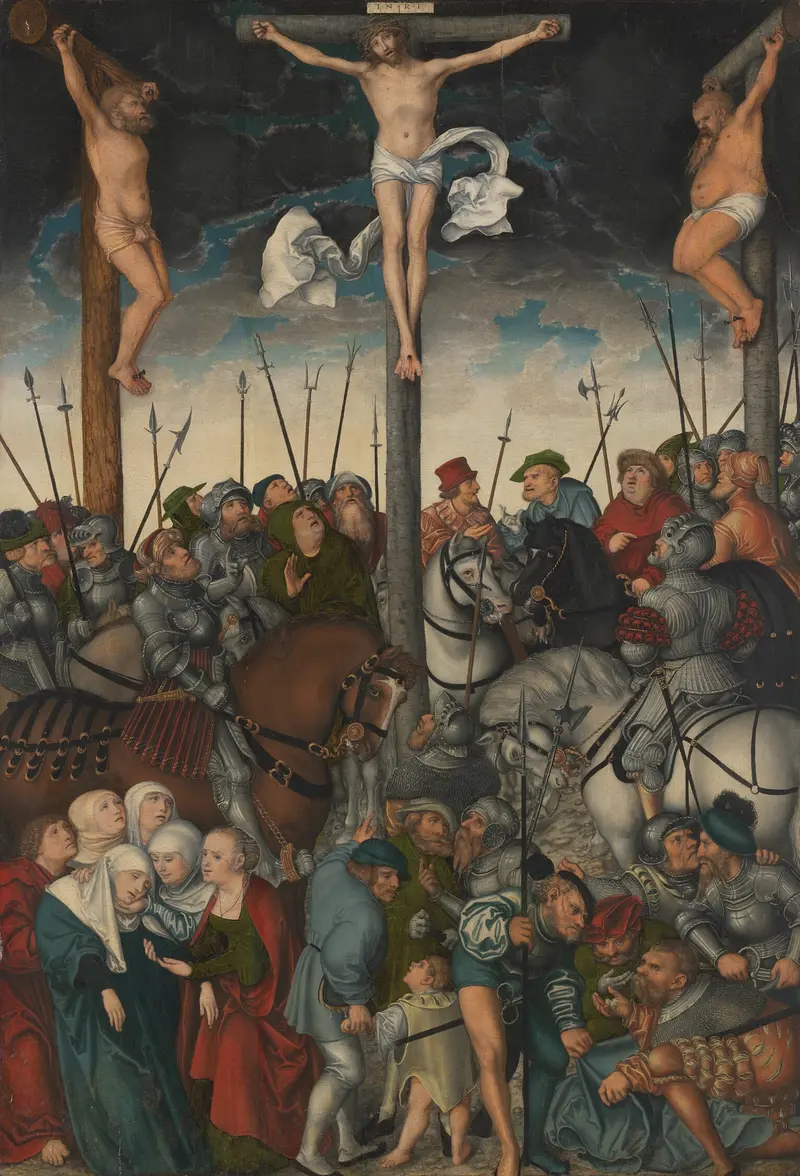
The Crucifixion
Lucas Cranach the Elder
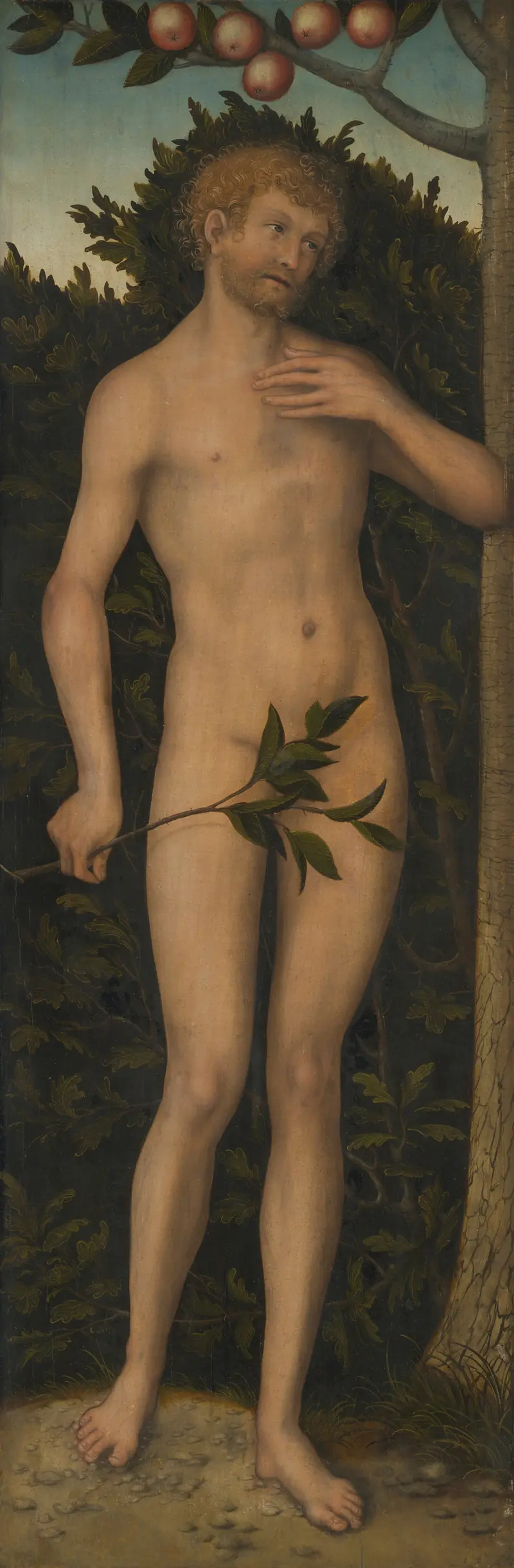
Adam
Lucas Cranach the Elder
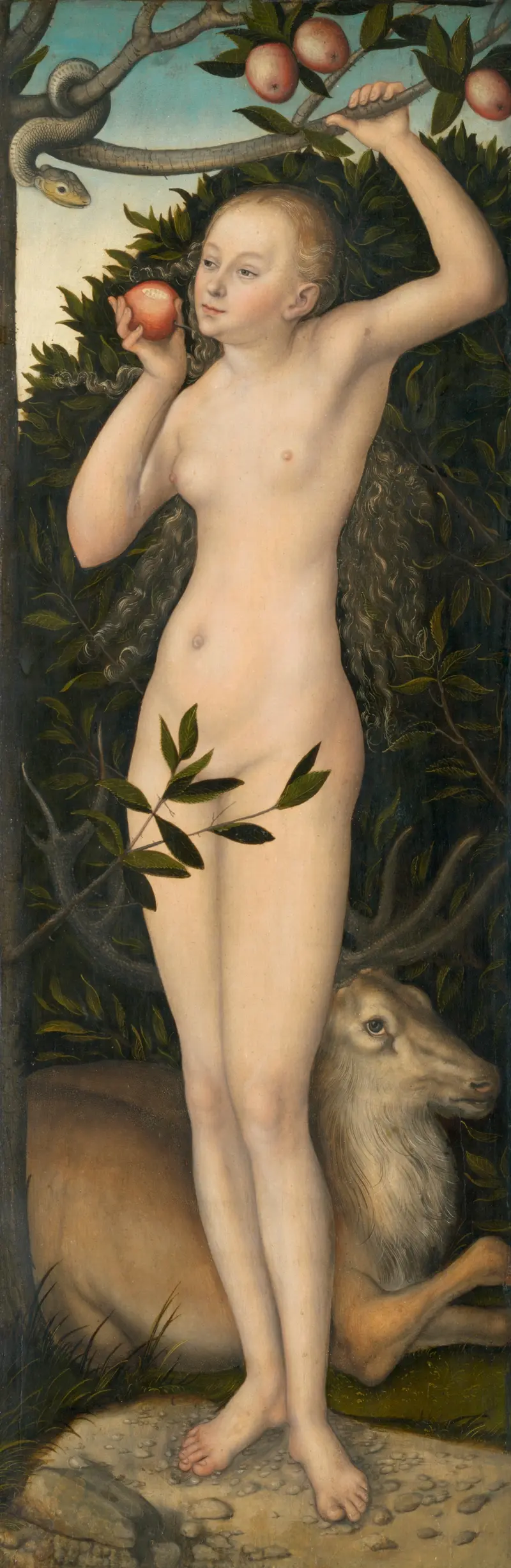
Eve
Lucas Cranach the Elder
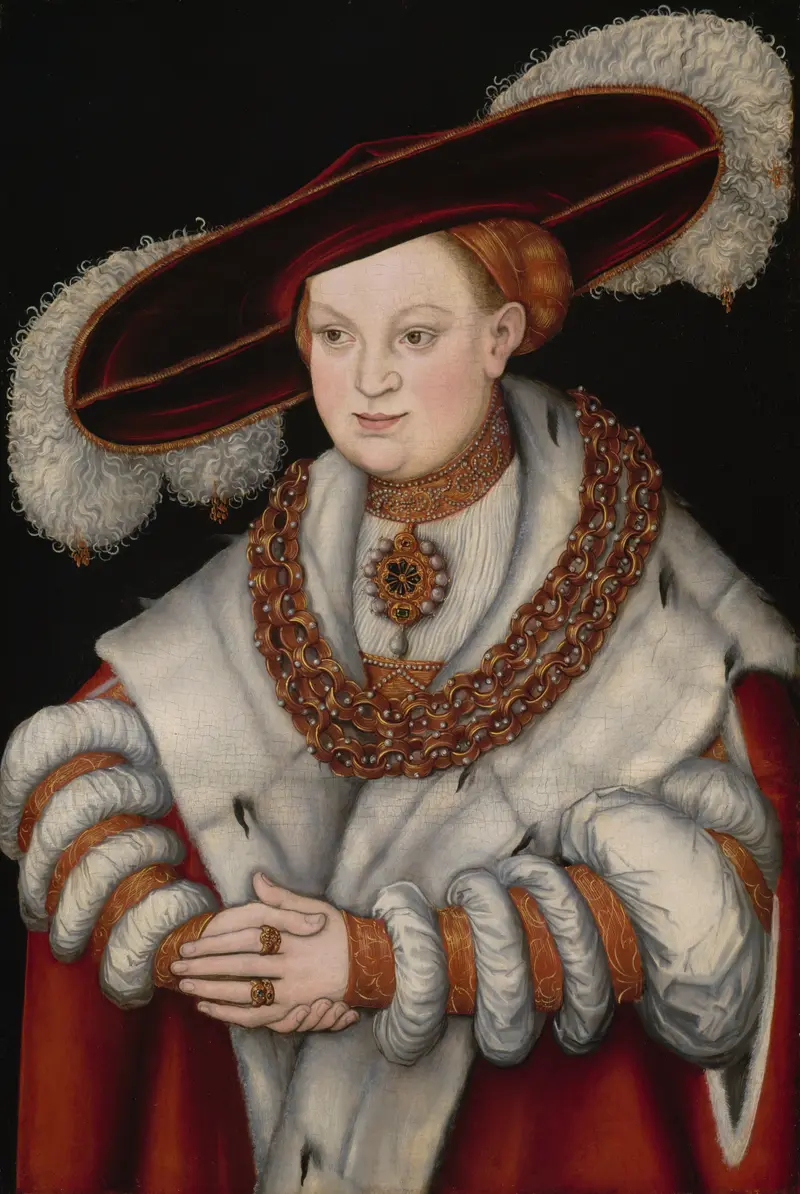
Portrait of Magdalena of Saxony, Wife of Elector Joachim II of Brandenburg
Lucas Cranach the Elder
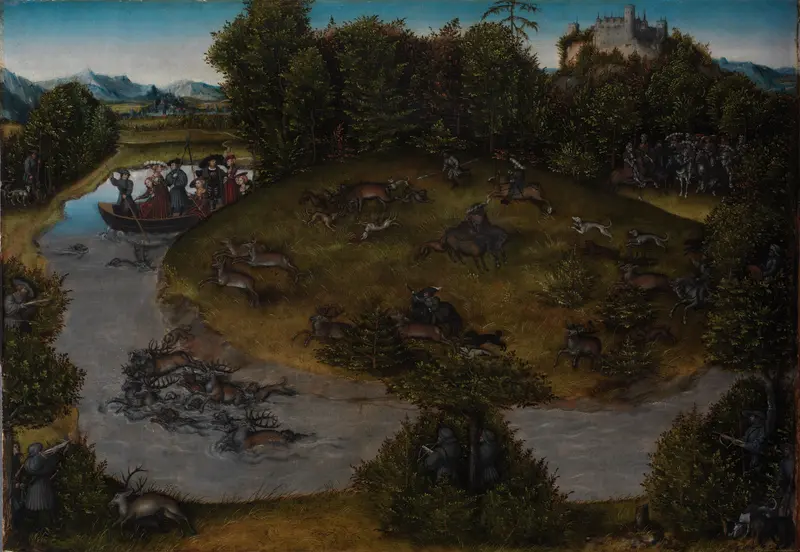
The Stag Hunt of the Elector Frederic the Wise (1463-1525) of Saxony
Lucas Cranach the Elder
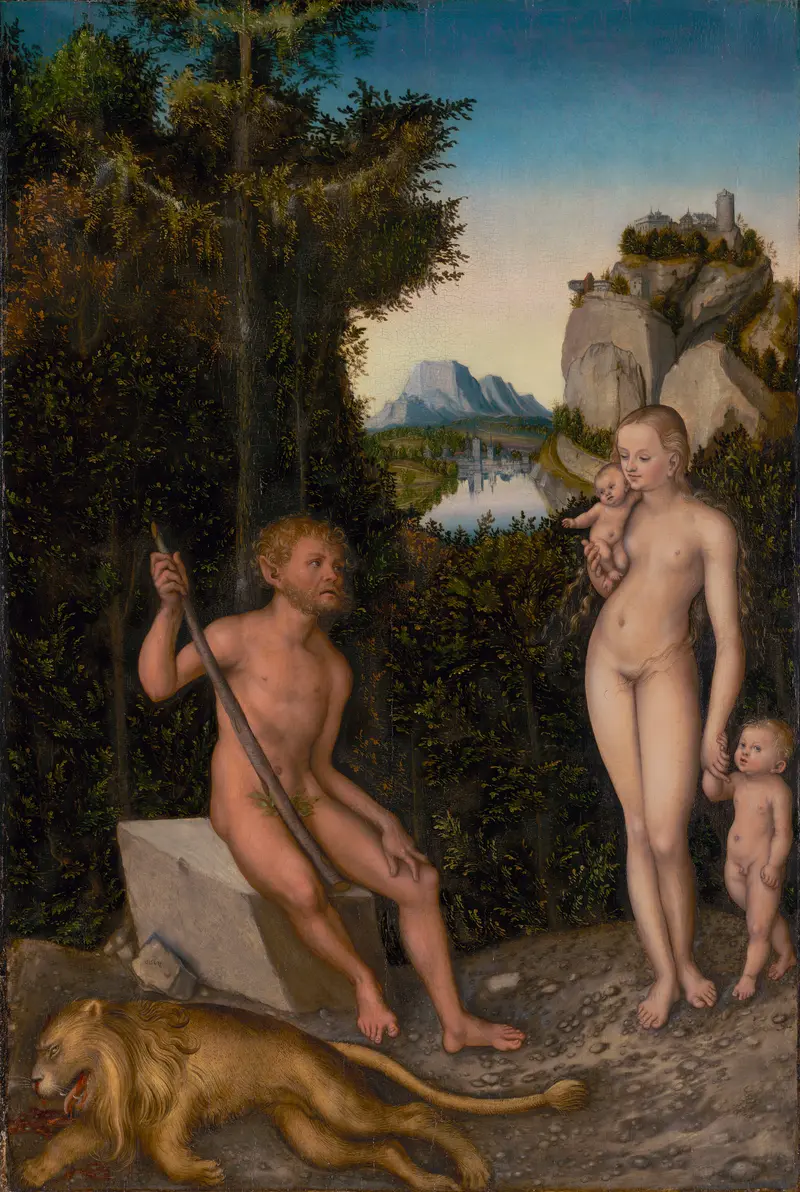
A Faun and His Family with a Slain Lion
Lucas Cranach the Elder
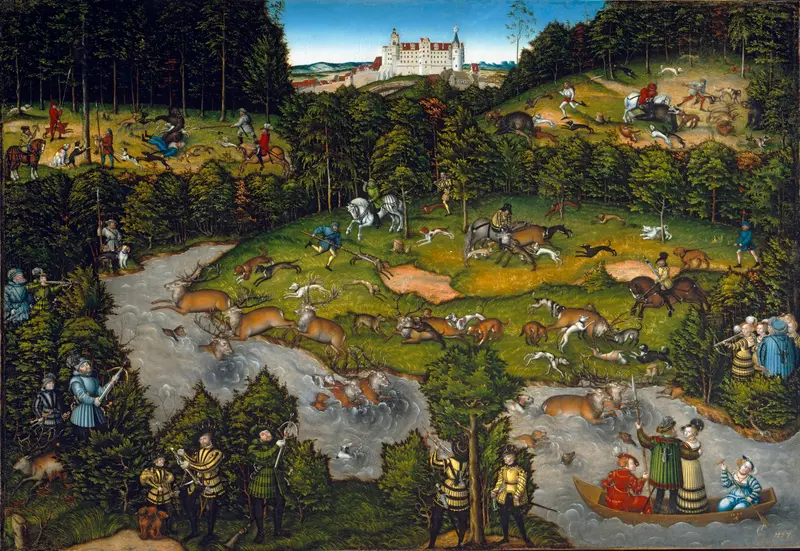
Hunting near Hartenfels Castle
Lucas Cranach the Elder
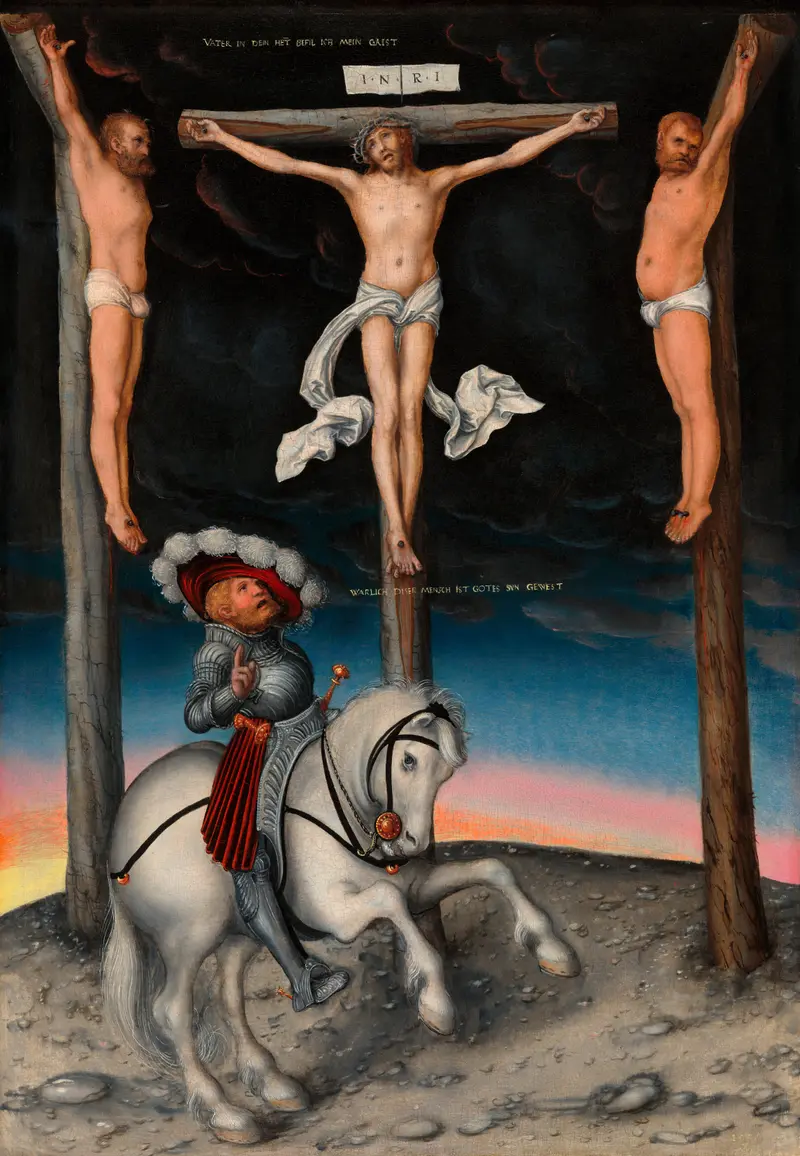
The Crucifixion with the Converted Centurion
Lucas Cranach the Elder
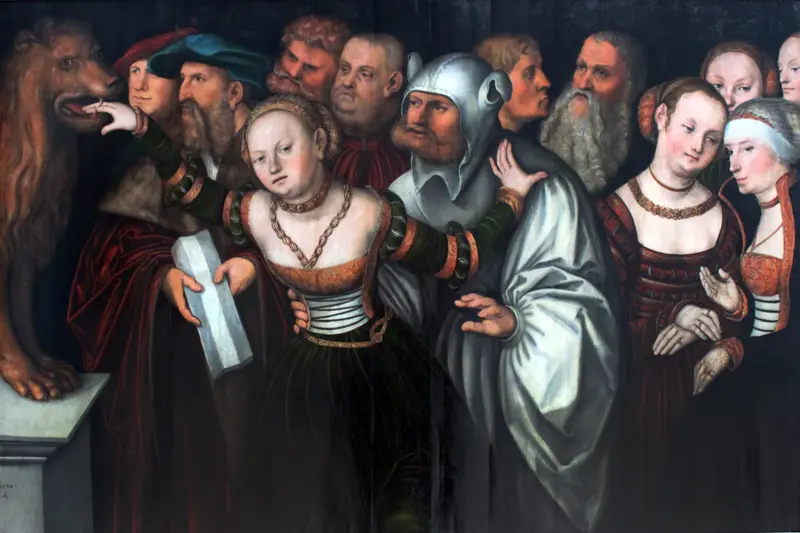
The Fable of the Mouth of Truth
Lucas Cranach the Elder





