
The Virgin Suckling the Child — History & Facts
What first draws the eye is the direct, almost solemn gaze of the Madonna, her calm composure set against a landscape alive with detail. The infant Christ, nestled securely in her arms, reaches for her with a gesture both tender and insistent, his small hand pressing gently against her breast as he nurses. The artist, Lucas Cranach the Elder, arranges the folds of the Virgin’s robe in deep reds and greens, framing the intimate act at the center, while the silvery light glances off the child’s skin and the crisp linen drapery.
Behind them, a winding river and distant castles evoke a sense of security and order, as if the world itself pauses to witness this moment of nurture. Painted around 1515, this work belongs to a tradition that flourished in early sixteenth-century Germany, when images of the Madonna and Child were cherished for private devotion. Such paintings were often commissioned by wealthy burghers or local nobility, eager for a tangible link to the sacred within their own homes. Cranach the Elder was renowned for his ability to blend the spiritual with the familiar, giving the Virgin the features and fashions of a contemporary Saxon woman, her gold hair loose and unadorned.
While little is recorded about the specific journey of this painting, its survival in collections today—documented in the Cranach Digital Archive and Google Arts & Culture—invites us to linger on its quiet humanity, and to imagine the comfort it once offered to those who first beheld it.
More Artworks by Lucas Cranach the Elder

Martin Luther
Lucas Cranach the Elder
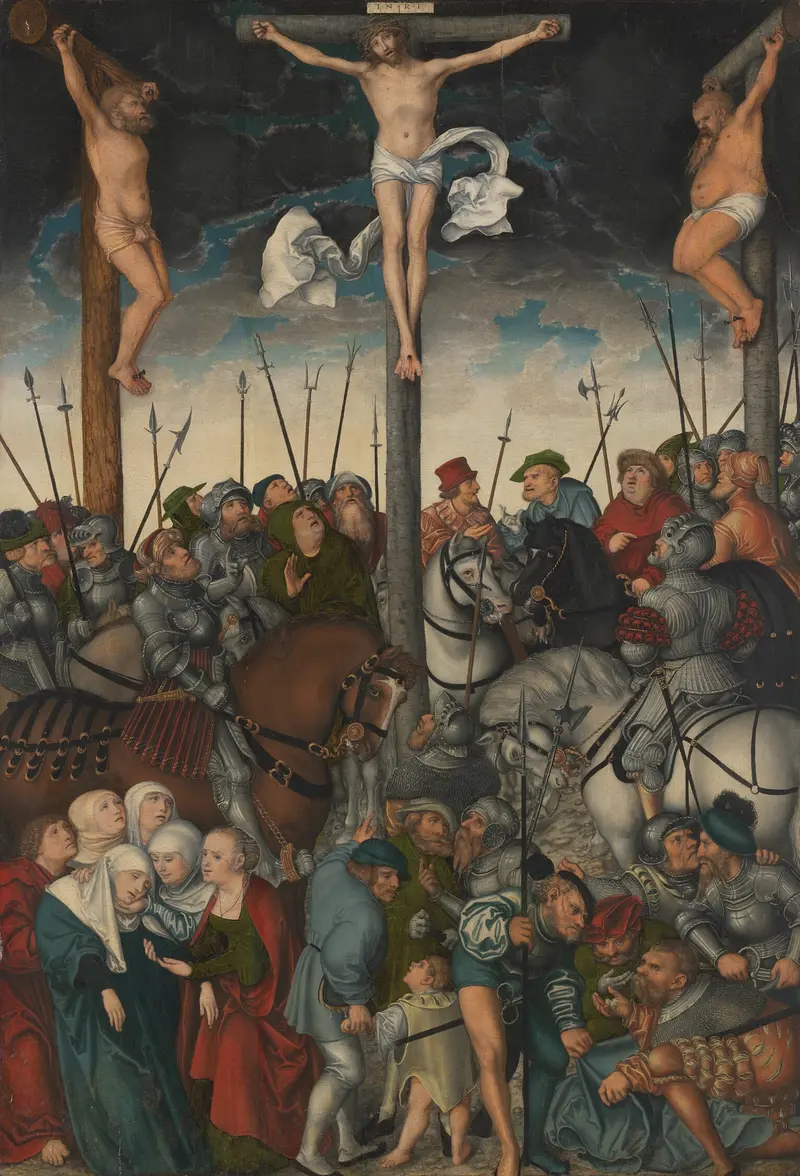
The Crucifixion
Lucas Cranach the Elder
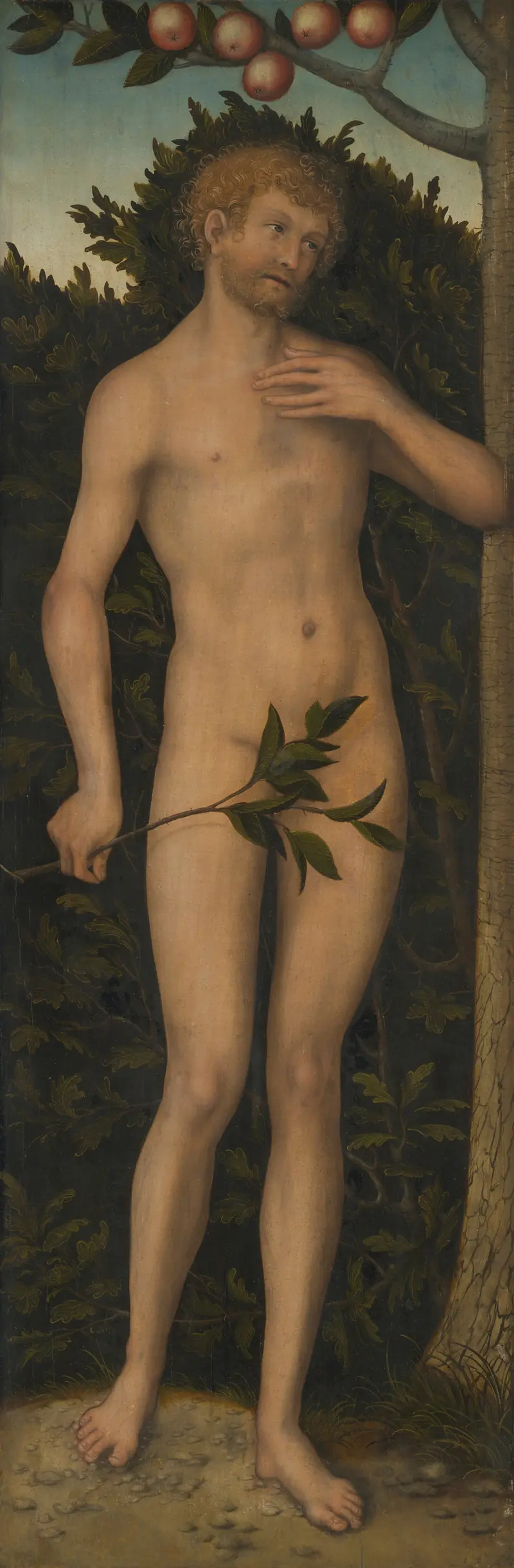
Adam
Lucas Cranach the Elder
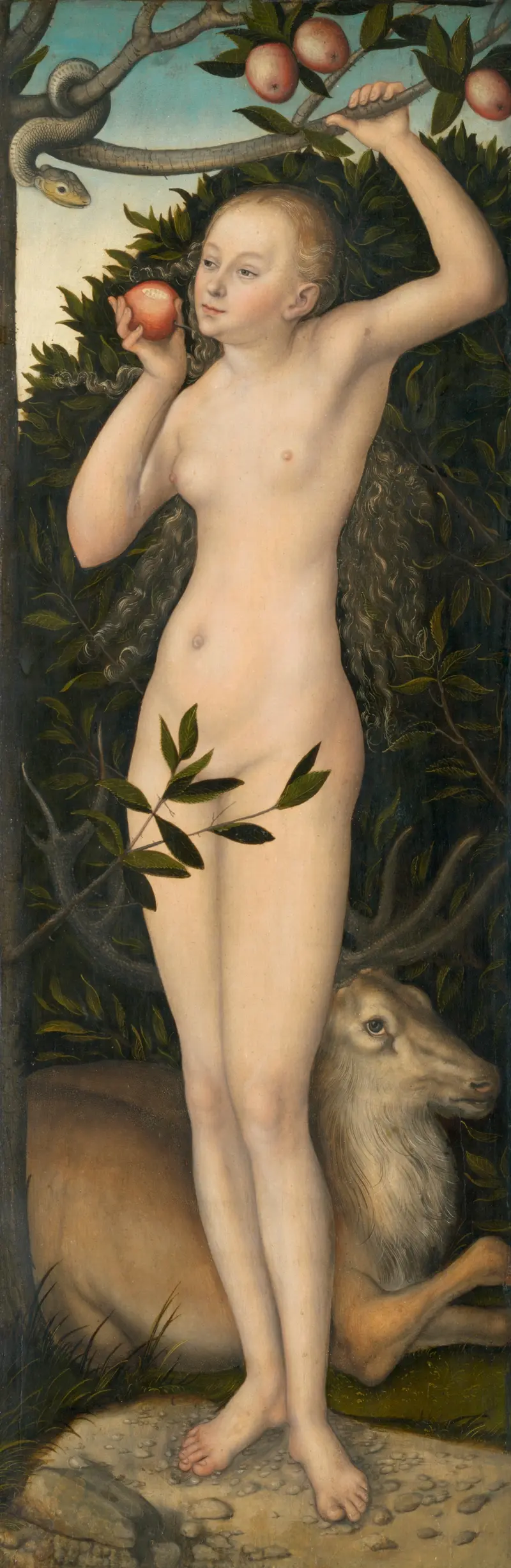
Eve
Lucas Cranach the Elder
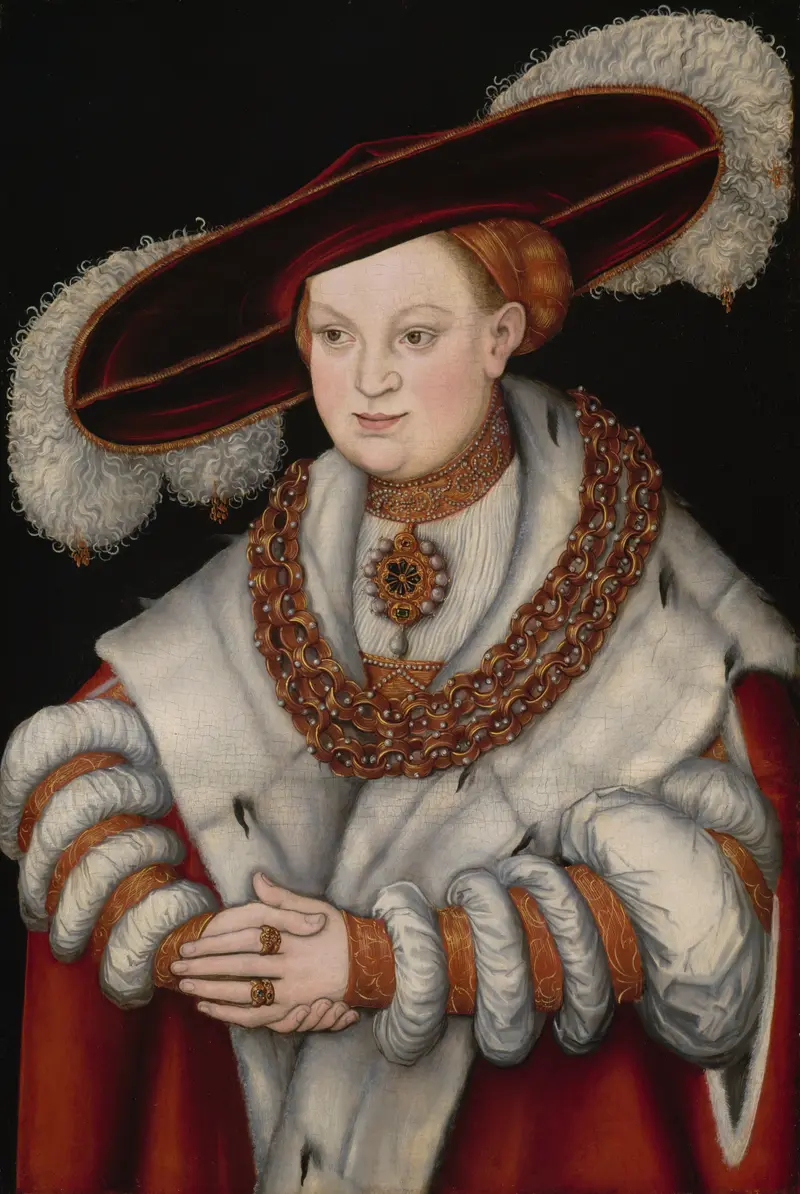
Portrait of Magdalena of Saxony, Wife of Elector Joachim II of Brandenburg
Lucas Cranach the Elder
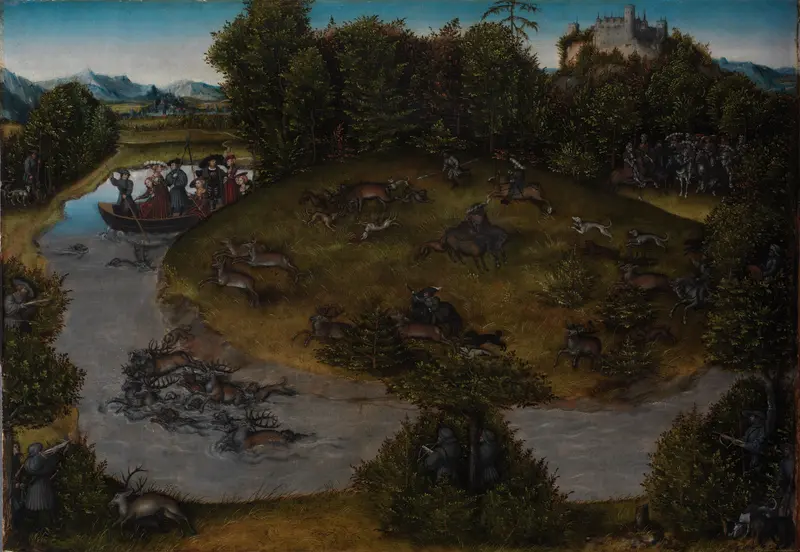
The Stag Hunt of the Elector Frederic the Wise (1463-1525) of Saxony
Lucas Cranach the Elder
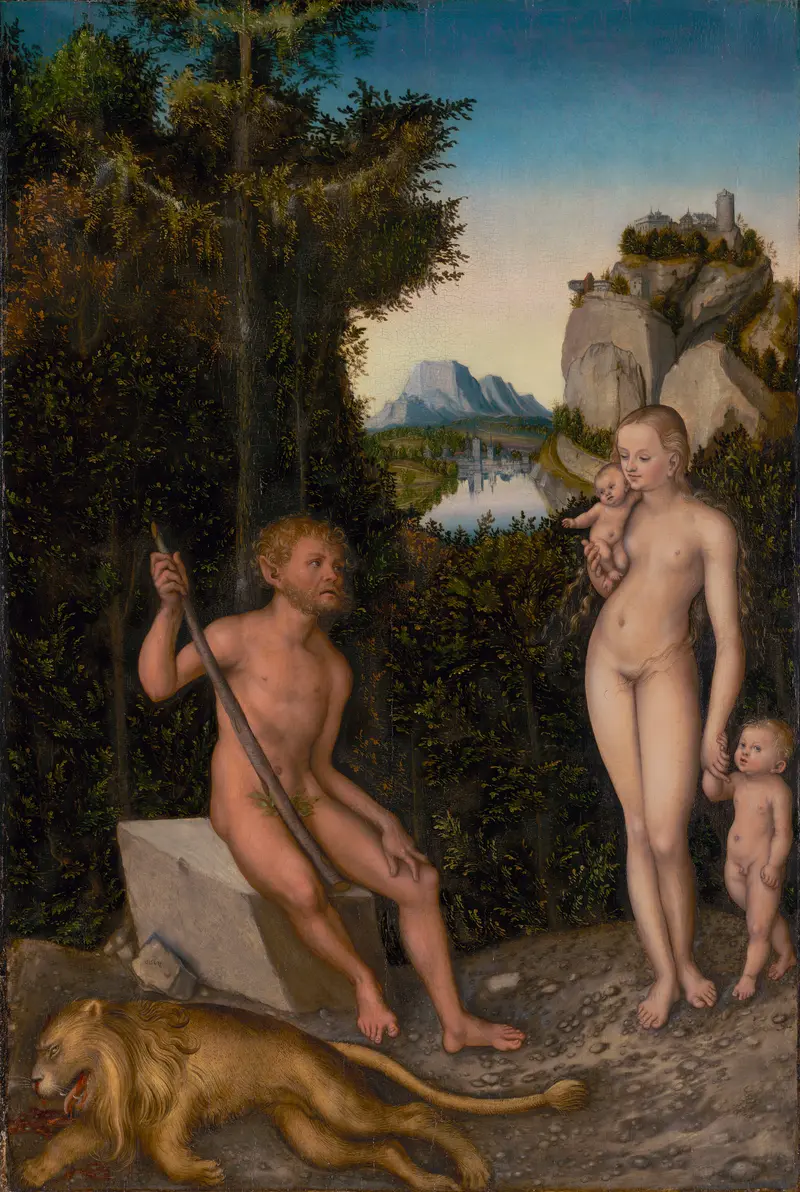
A Faun and His Family with a Slain Lion
Lucas Cranach the Elder
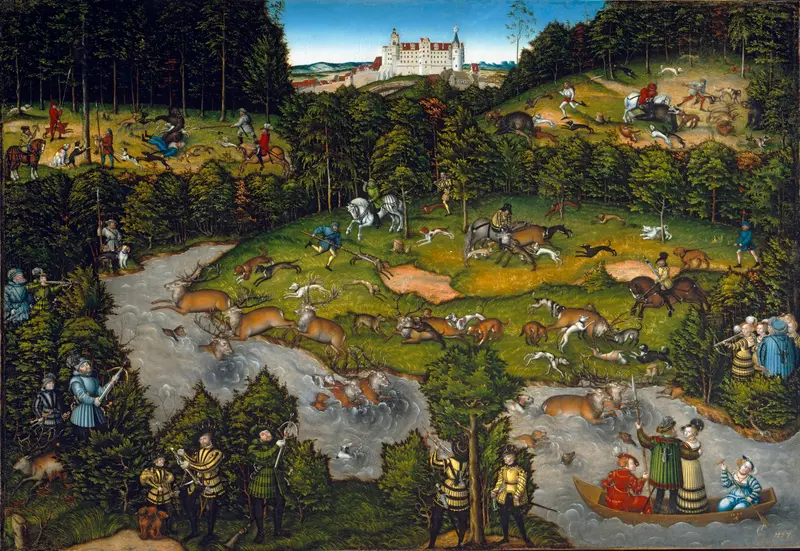
Hunting near Hartenfels Castle
Lucas Cranach the Elder
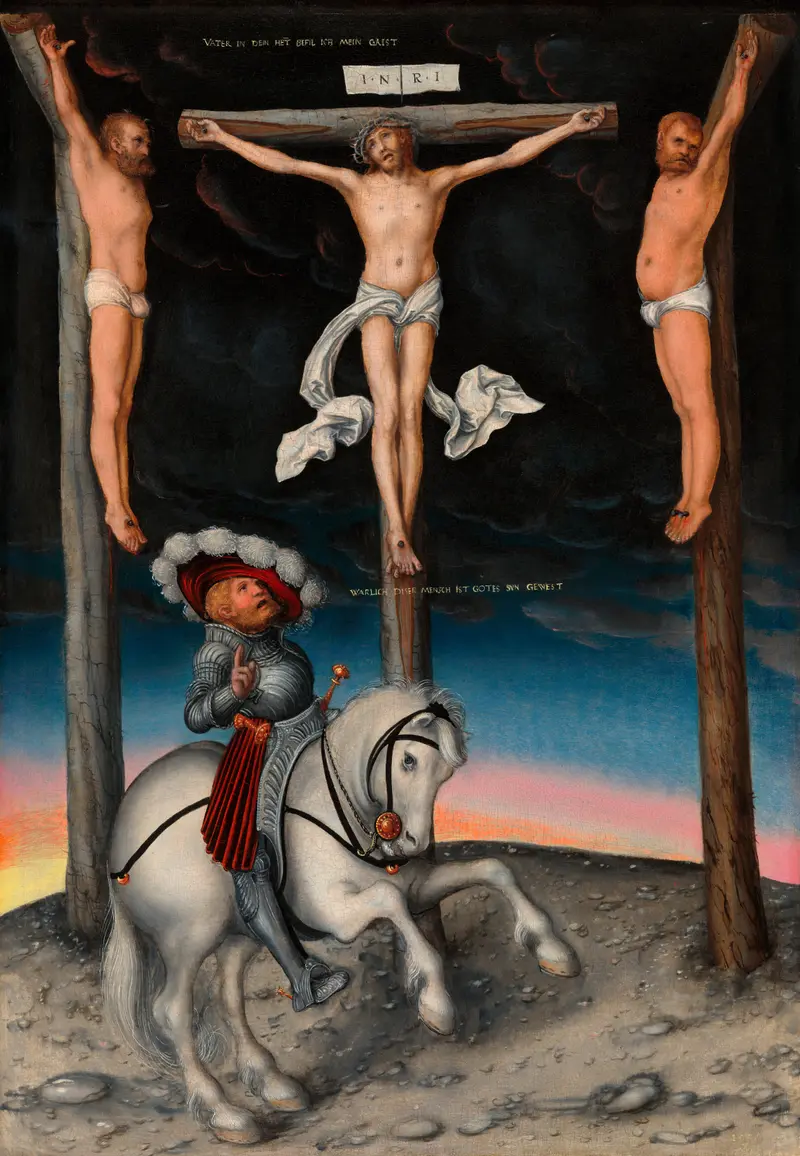
The Crucifixion with the Converted Centurion
Lucas Cranach the Elder
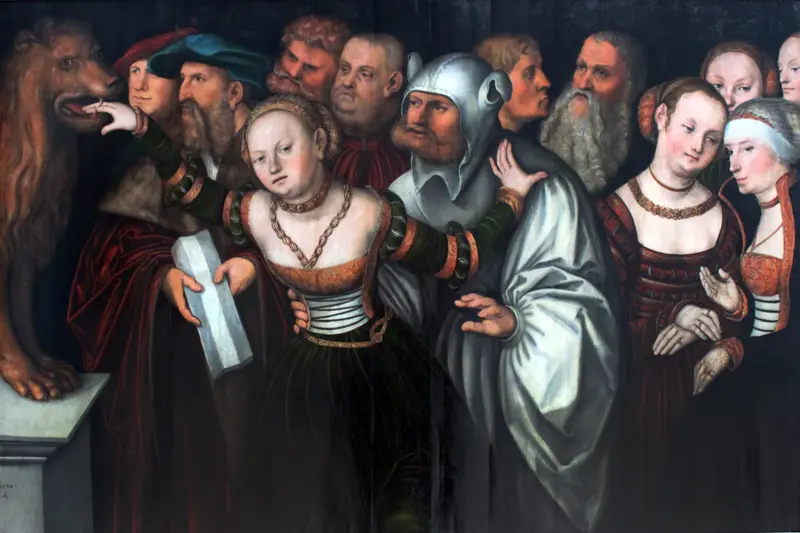
The Fable of the Mouth of Truth
Lucas Cranach the Elder





