
The Wedding at Cana — History & Facts
In The Wedding at Cana, Paolo Veronese presents a grand scene filled with vibrant colors and dynamic figures. The painting features a large banquet table adorned with rich fabrics and lavish dishes. Guests in elaborate clothing engage in conversation and celebration, while the central figures of the bride and groom stand prominently.
The setting is opulent, with architectural elements that suggest a grand hall filled with light. This artwork is an oil on canvas, measuring approximately 669 x 990 cm. Veronese's use of color is striking, with deep reds, bright whites, and golden tones that create a sense of richness. The composition is carefully arranged, with a strong diagonal line leading the viewer's eye across the scene.
The intricate details of the clothing and the expressions of the figures invite viewers to explore the painting closely. Paolo Veronese was a prominent Venetian painter of the Renaissance, known for his large-scale history paintings. The Wedding at Cana was created around 1563 and is considered one of his masterpieces. An interesting fact about this work is that it was originally commissioned for a monastery in Venice, but it was later moved to the Louvre before finding its current home in the Museo del Prado.
Veronese's ability to blend narrative with grandeur is evident in this vibrant depiction of a biblical event.
Sources: Wikidata Q185255 · Wikipedia: The Wedding at Cana (Veronese)
More Artworks by Paolo Veronese

Triumph of Venice
Paolo Veronese

The Marriage at Cana
Paolo Veronese

The Crucifixion
Paolo Veronese

Jupiter Hurling Thunderbolts at the Vices
Paolo Veronese

Perseus Freeing Andromeda
Paolo Veronese

Assumption of the Virgin
Paolo Veronese

Rape of Europa
Paolo Veronese

Holy Family
Paolo Veronese

Holy Family with Young Saint John
Paolo Veronese
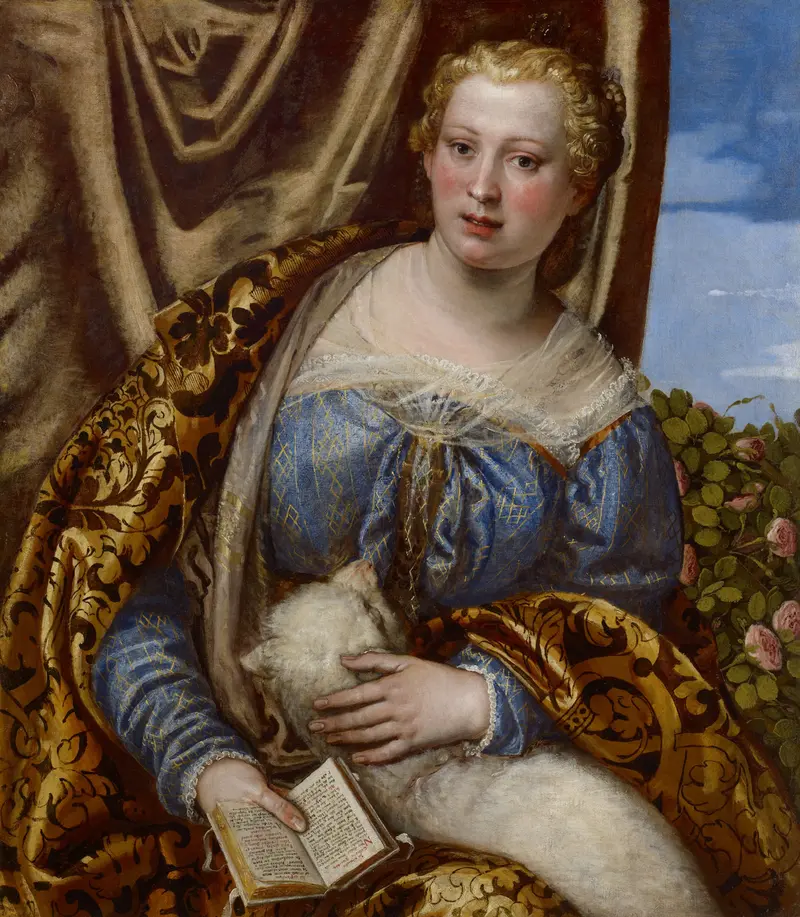
Portrait Of A Lady As Saint Agnes
Paolo Veronese





