
The Weir at the Mill — History & Facts
Did the painter know this moment would outlive them? In The Weir at the Mill, the interplay between nature and human craftsmanship captures a fleeting truth that transcends time. Look to the left at the cascade of water tumbling over the weir, its foam catching the sunlight in brilliant whites and soft blues. Notice how the earth tones in the mill’s structure ground the scene, contrasting the wild energy of the flowing water. The brushwork is dynamic yet controlled, a testament to the artist's ability to depict movement while retaining a sense of solidity in the mill’s presence.
The play of light across the surface of the water draws your eye, creating a rhythmic flow that mirrors the motion of nature itself. Within this tableau lies a dialogue between tranquility and turmoil. The stillness of the mill contrasts with the rushing water, symbolizing the tension between human endeavor and nature’s untamed spirit. The subtle details, like the lush foliage framing the scene, embody a vibrancy that suggests life continues outside the frame, while the water’s movement whispers of change and impermanence.
Each element serves as a reminder that truth is often found in the coexistence of opposing forces. In 1866, Courbet painted this piece during a period when he was deeply engaged in the Realist movement, advocating for the depiction of everyday life over romanticized subjects. Living in France, he was influenced by the socio-political upheaval of the time, which prompted artists to seek authenticity in their work. This painting reflects his commitment to capturing the beauty of the mundane while asserting the relevance of truth in art.
More Artworks by Gustave Courbet
Browse all →
Marine
Gustave Courbet
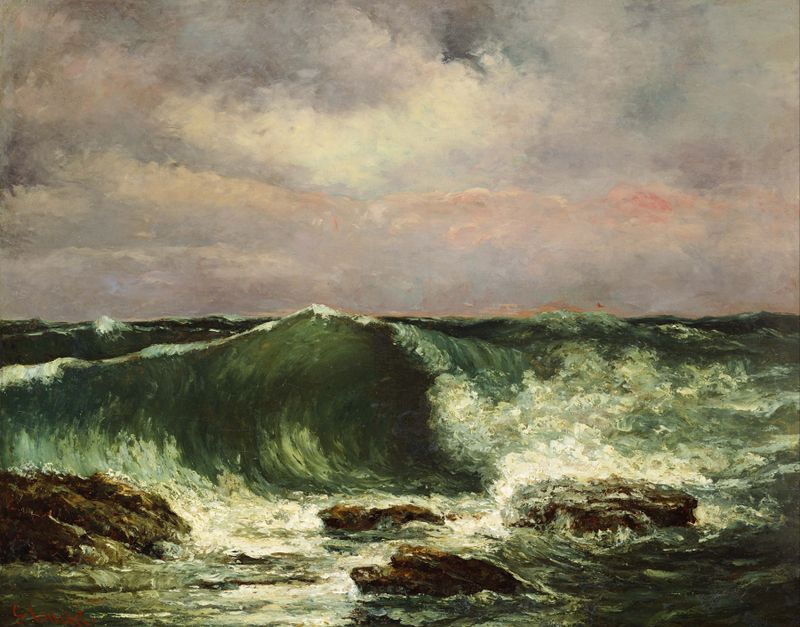
Waves
Gustave Courbet

Étretat; Les Falaises
Gustave Courbet
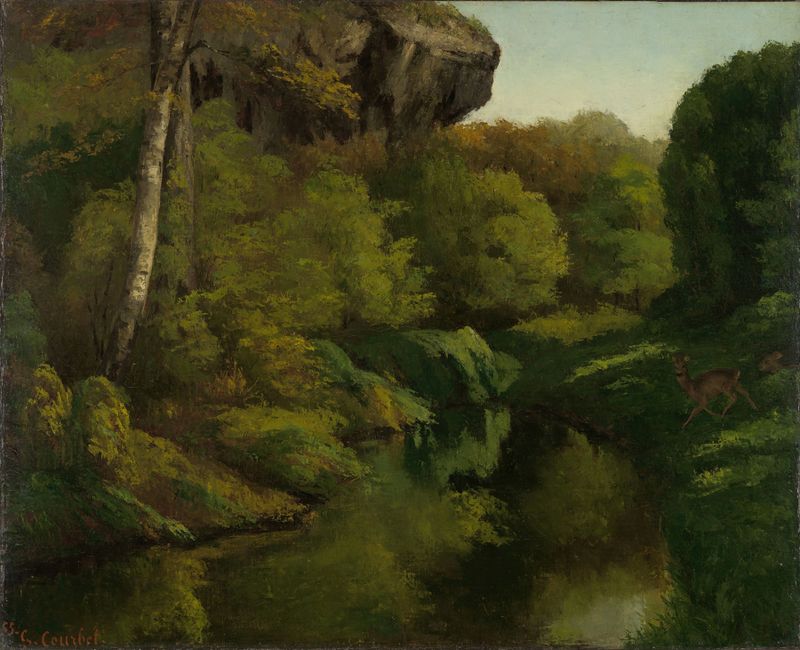
View in the Forest of Fontainebleau
Gustave Courbet
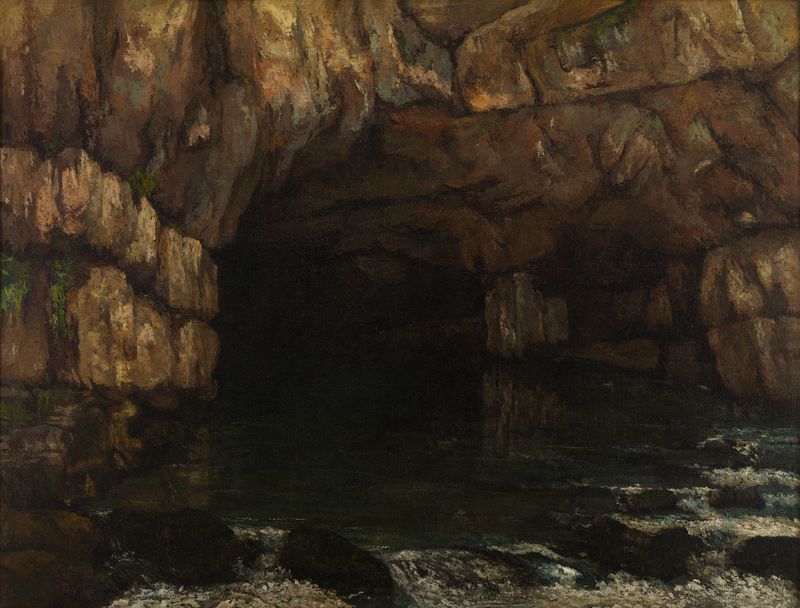
La source de la Loue (The Source of the Loue)
Gustave Courbet

Low Tide at Trouville
Gustave Courbet
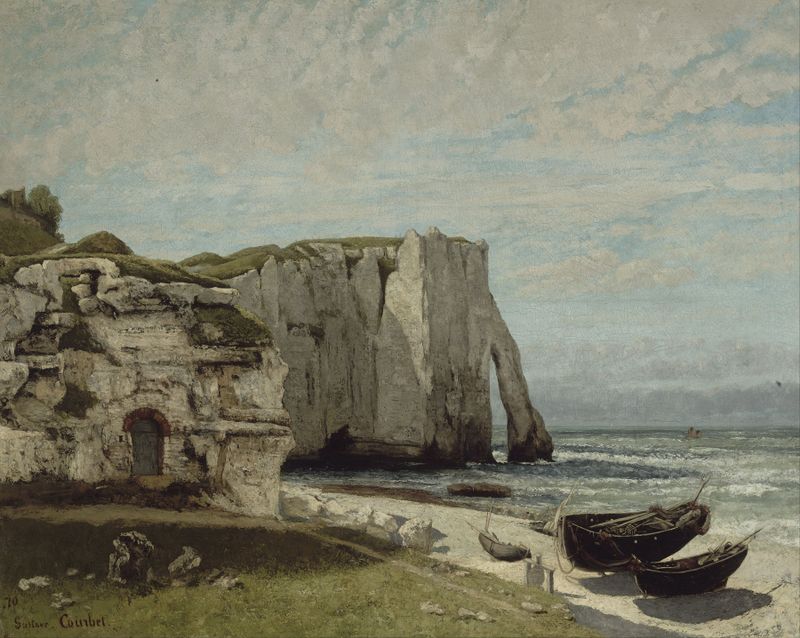
The Etretat Cliffs after the Storm
Gustave Courbet
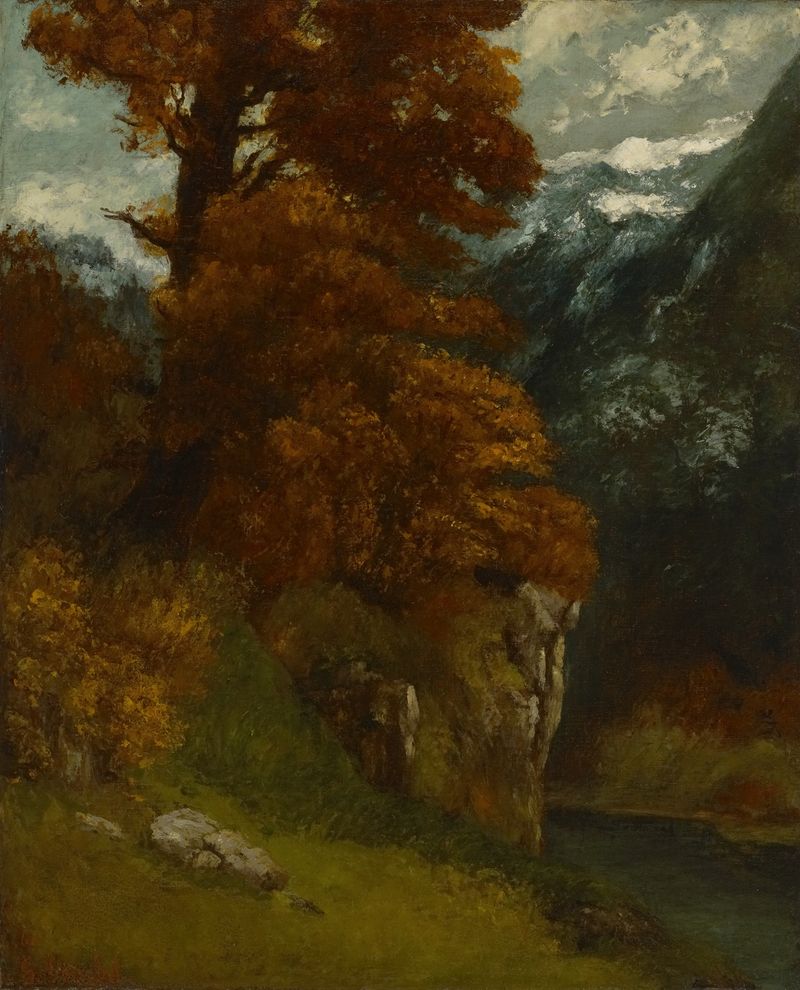
The Glen at Ornans (Bords du Doubs; Effet d’Automne)
Gustave Courbet
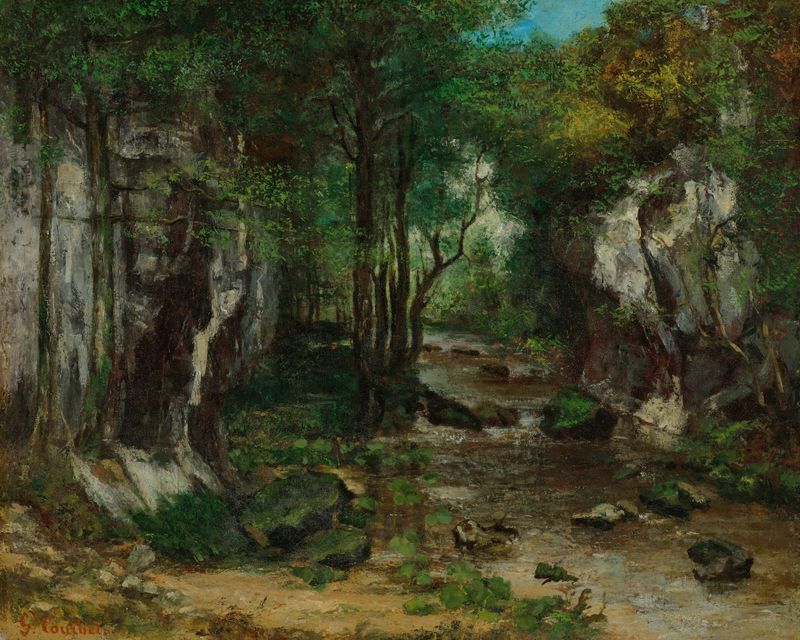
Le Ruisseau de Puits Noir
Gustave Courbet
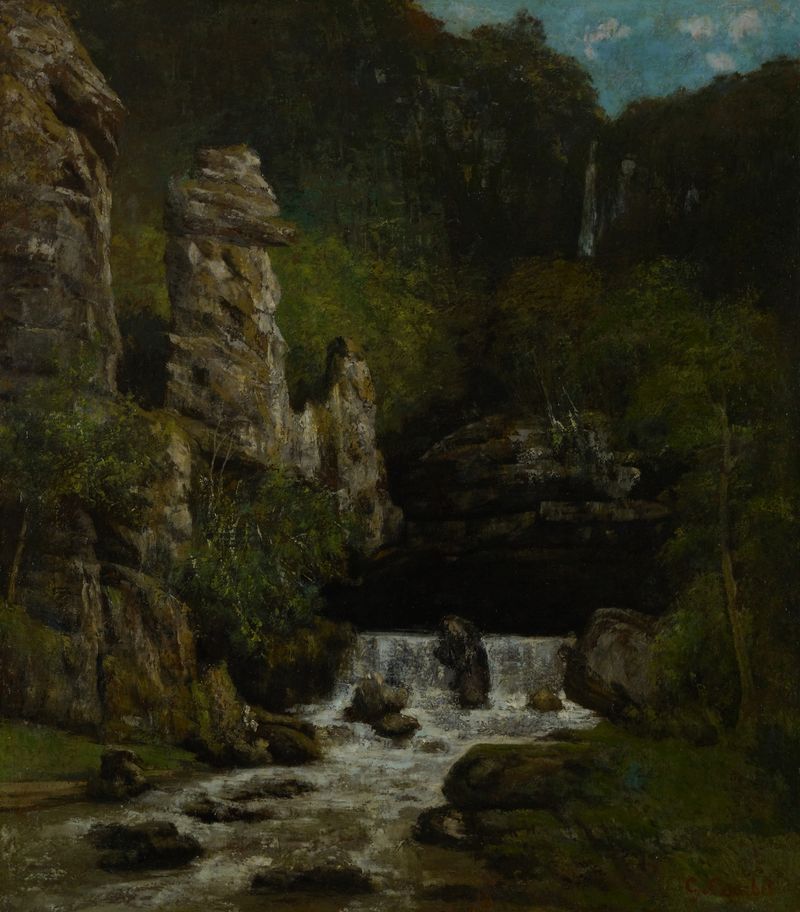
Landscape with a Waterfall
Gustave Courbet





