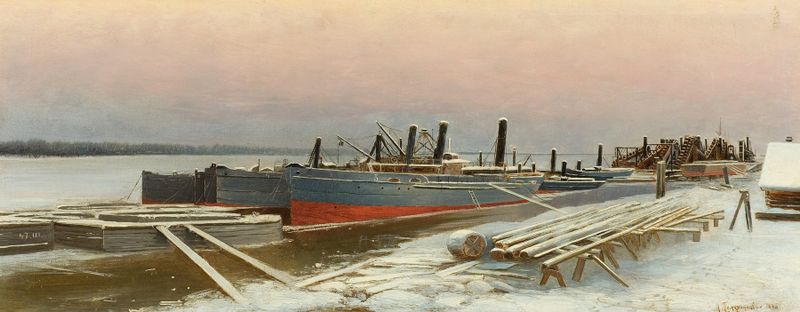
The Wreck — History & Facts
When did color learn to lie? The delicate interplay of hues can mask truth while unveiling the soul's essence, transforming reality into a dreamscape. Look closely at the swirling colors in the foreground, where rich blues and bold strokes of ochre seem to dance across the canvas. Notice how the waves crash and swirl, juxtaposing the chaos of nature with the haunting stillness of the shipwreck. The contrast between the vibrant palette and the somber subject evokes a profound tension, inviting the viewer to ponder the stories hidden within the tumult. Deep within this tumult, the wreck embodies both failure and resilience.
The shattered vessel, caught in the storm's grip, symbolizes the fragility of human endeavor against nature’s might. Yet, amidst the chaos, you can sense a flicker of hope; the light breaking through the clouds offers a glimpse of renewal, suggesting that every wreck can lead to transformation and rebirth. Henry Ossawa Tanner painted this piece during a time when he was establishing his reputation in Paris, far from his American roots, likely in the late 19th or early 20th century. At this juncture, he was breaking barriers in a predominantly Eurocentric art world, exploring themes of spirituality and the human experience.
The Wreck reflects not only his personal journey but also resonates with broader societal shifts, as artists began to challenge conventions and embrace innovative expressions.
More Artworks by Henry Ossawa Tanner
Browse all →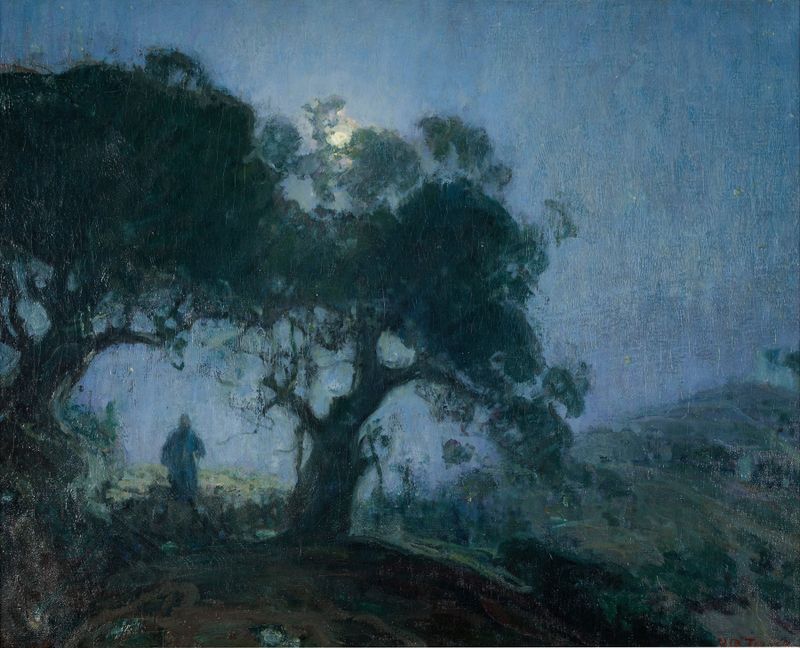
The Good Shepherd
Henry Ossawa Tanner
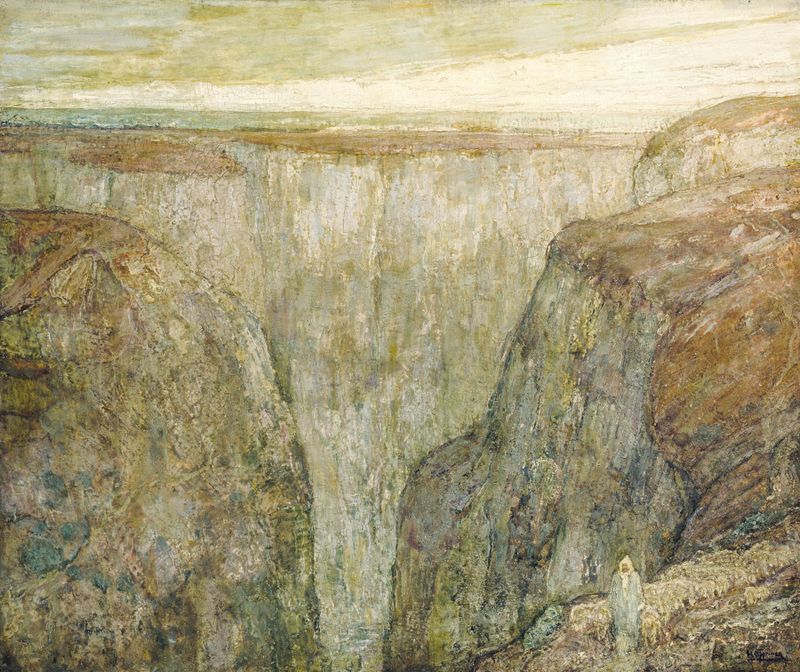
The Good Shepherd (Atlas Mountains, Morocco)
Henry Ossawa Tanner
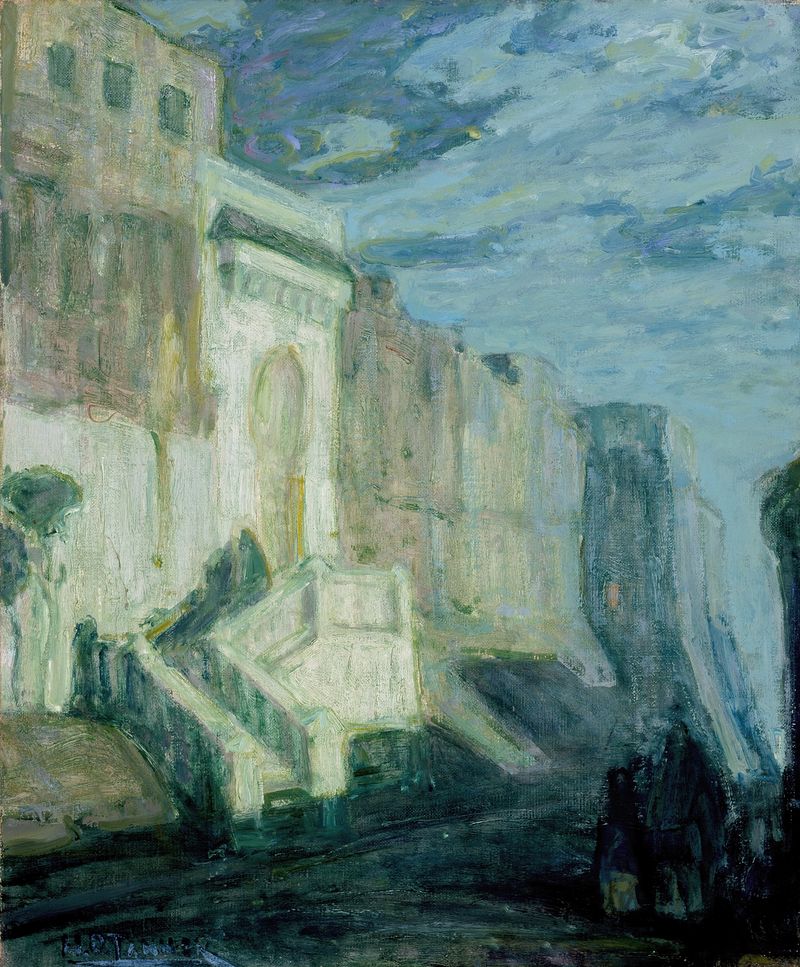
Moonlight; Walls of Tangiers
Henry Ossawa Tanner
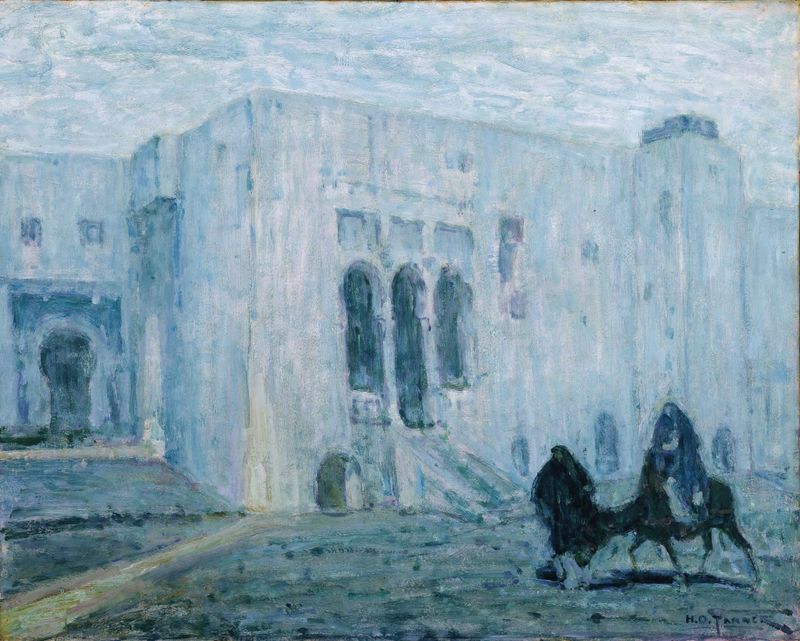
Palace of Justice, Tangier
Henry Ossawa Tanner
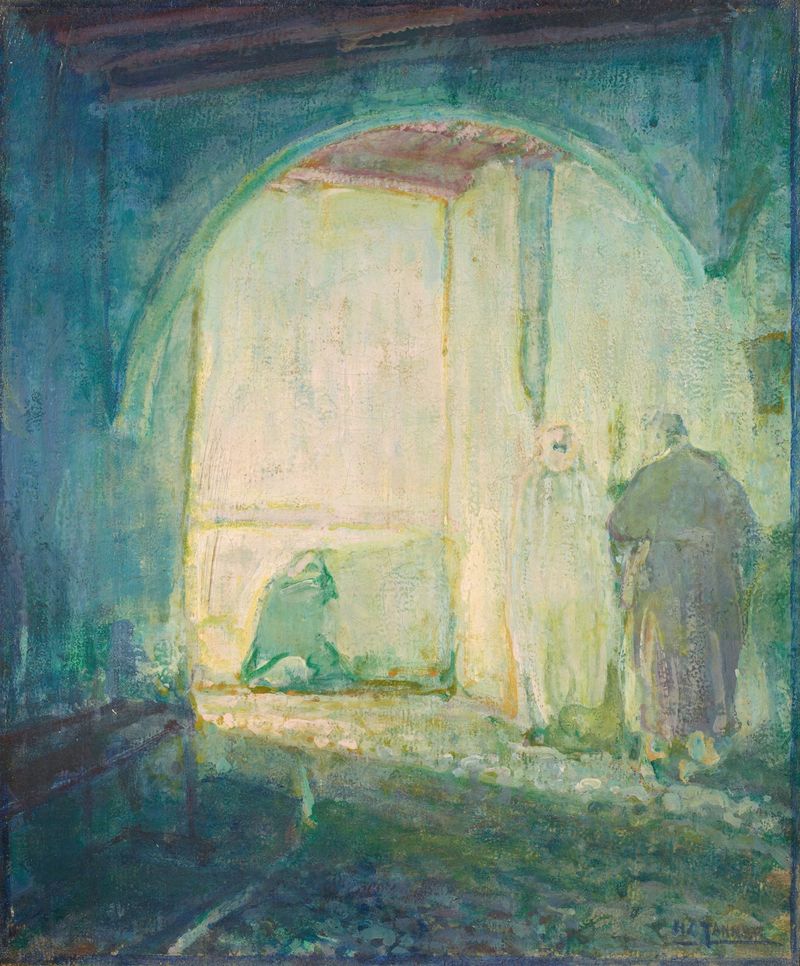
Moroccan Scene
Henry Ossawa Tanner
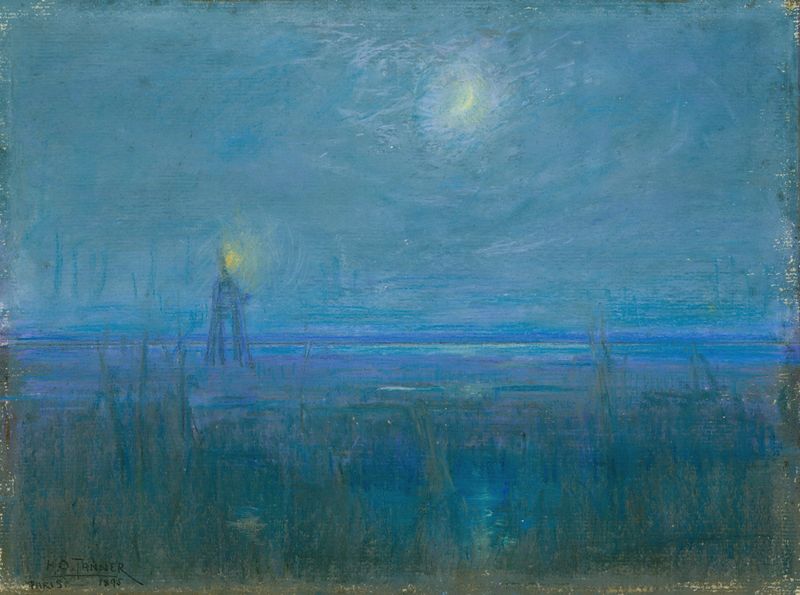
Marshes In New Jersey
Henry Ossawa Tanner
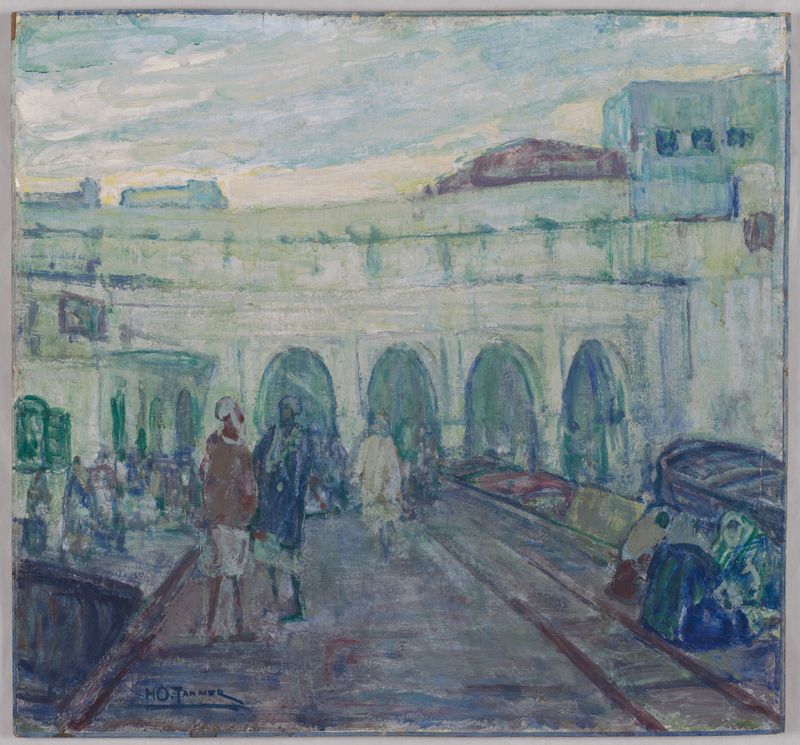
Port of Tangiers (Entrance to the Customs House)
Henry Ossawa Tanner
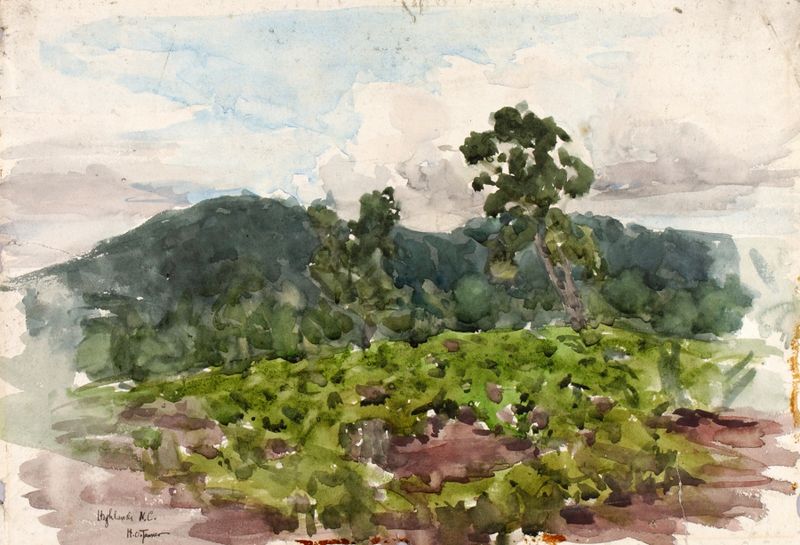
Highlands, N.C.
Henry Ossawa Tanner
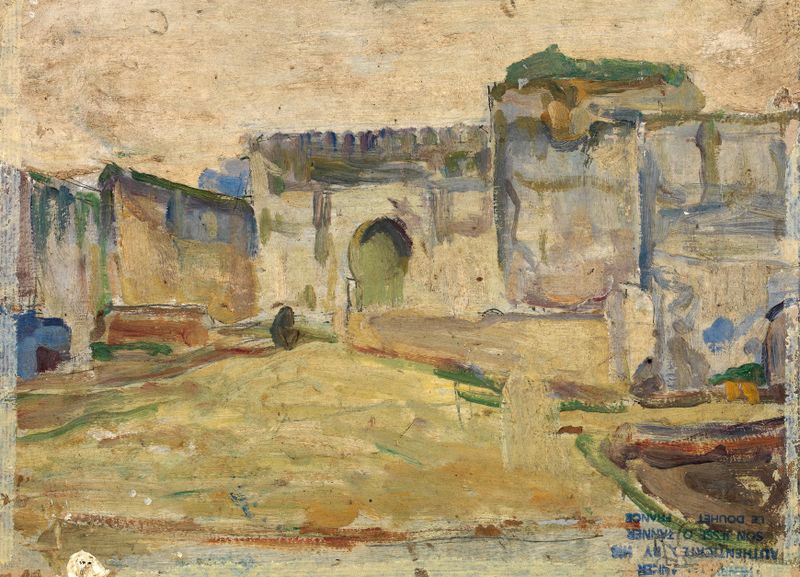
Street Scene, Tangier (Crenelated Architecture)
Henry Ossawa Tanner
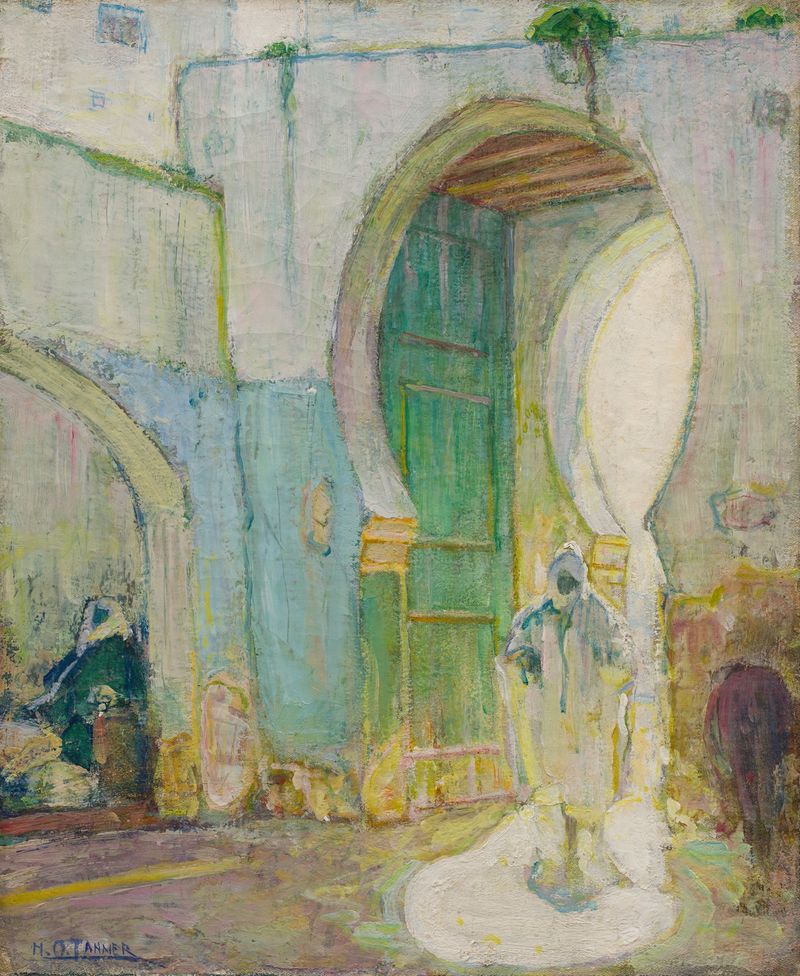
Gateway, Tangier
Henry Ossawa Tanner