
Three white cottages in Saintes-Maries — History & Facts
Can beauty exist without sorrow? In the quietude of Saintes-Maries, a fragile elegance emerges, hinting at the complexities that lie beneath its serene façade. Focus on the cottages nestled together, their whitewashed walls glowing softly under the golden light. Notice how the sunlight dances across the rooftops, creating a play of shadows that adds depth and warmth to the scene. The vibrant blue sky envelops the landscape, contrasting beautifully with the earthy tones of the surrounding fields.
Van Gogh’s expressive brushwork brings life to the stillness, drawing your gaze as it flows rhythmically across the canvas. Yet, beneath the surface lies an emotional tension—a sense of isolation cloaked in beauty. The cottages stand proudly yet vulnerably, embodying the betrayal of solitude amidst community. The blue and white palette hints at both tranquility and melancholy, suggesting a longing for connection that remains unfulfilled.
Each stroke tells a story of longing; the viewer can almost feel the whispers of those who once inhabited these spaces, their dreams intertwined yet lost. In 1888, Van Gogh was residing in Arles, seeking solace and creativity in the South of France. His life was marked by personal turmoil and unfulfilled aspirations, as he grappled with mental health struggles. This period was pivotal for the artist, who yearned to create a vibrant artistic community, all while battling the shadows of his own isolation.
Three white cottages in Saintes-Maries captures this duality—a fleeting moment of beauty intertwined with the weight of unspoken sorrow.
More Artworks by Vincent van Gogh
Browse all →
Starry Night
Vincent van Gogh

The Bedroom
Vincent van Gogh
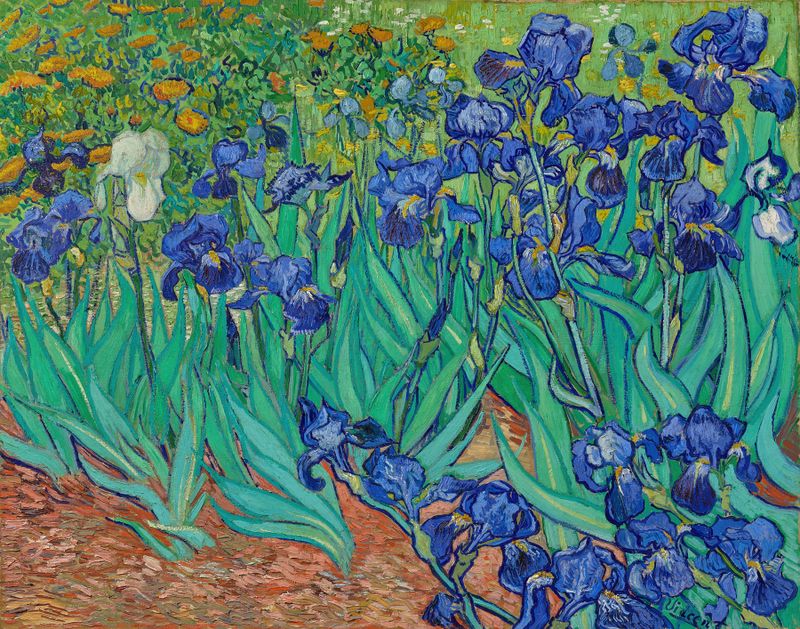
Irises
Vincent van Gogh
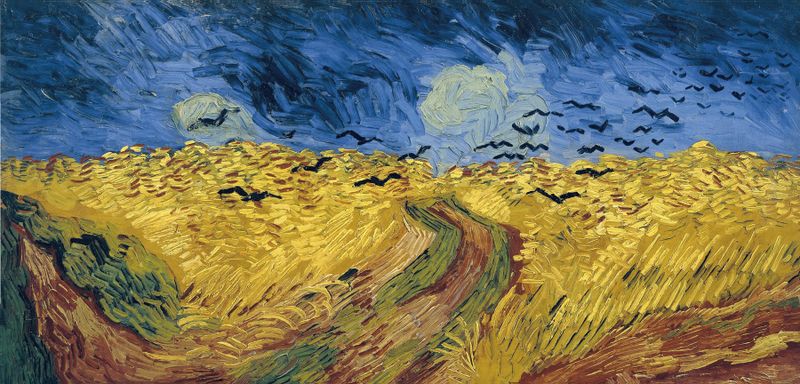
Wheatfield with Crows
Vincent van Gogh
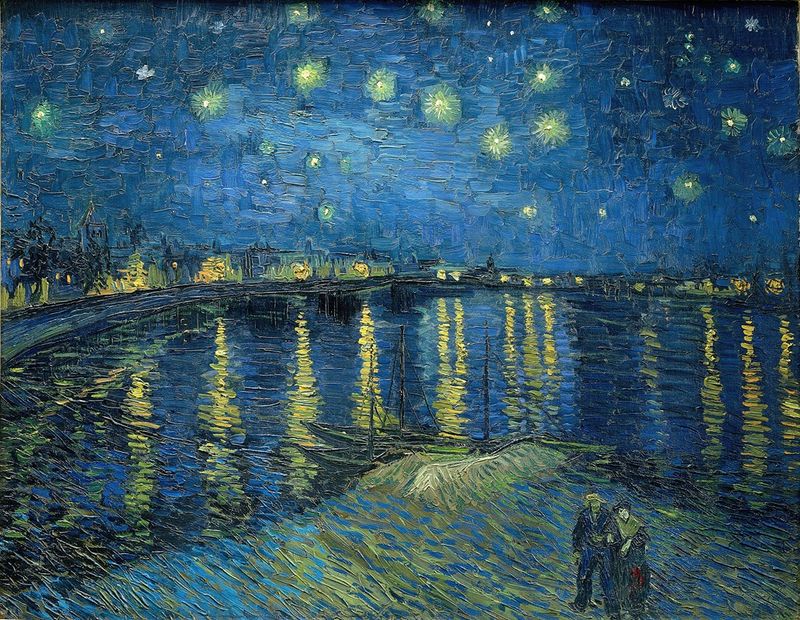
Starry Night over the Rhone
Vincent van Gogh

The yellow house
Vincent van Gogh
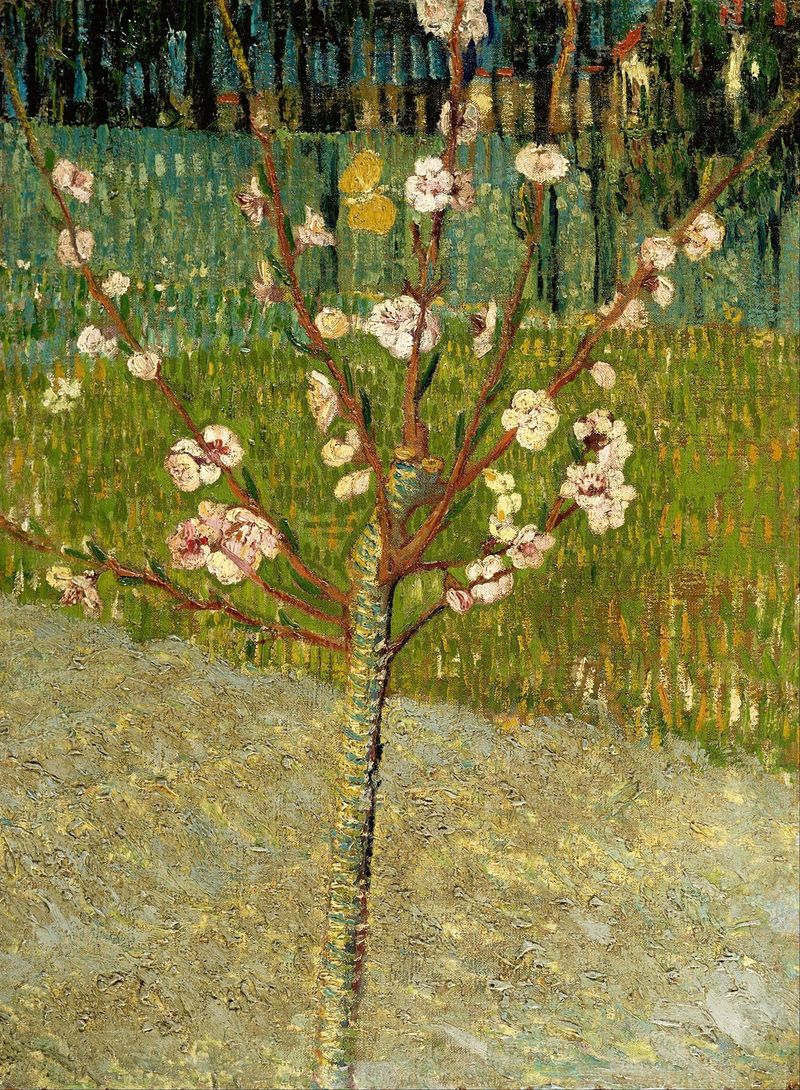
Almond tree in blossom
Vincent van Gogh

Portrait of Dr Gachet
Vincent van Gogh

The Church in Auvers-sur-Oise, View from the Chevet
Vincent van Gogh

Self-Portrait
Vincent van Gogh





