
Tiergartenstrasse, Berlin — History & Facts
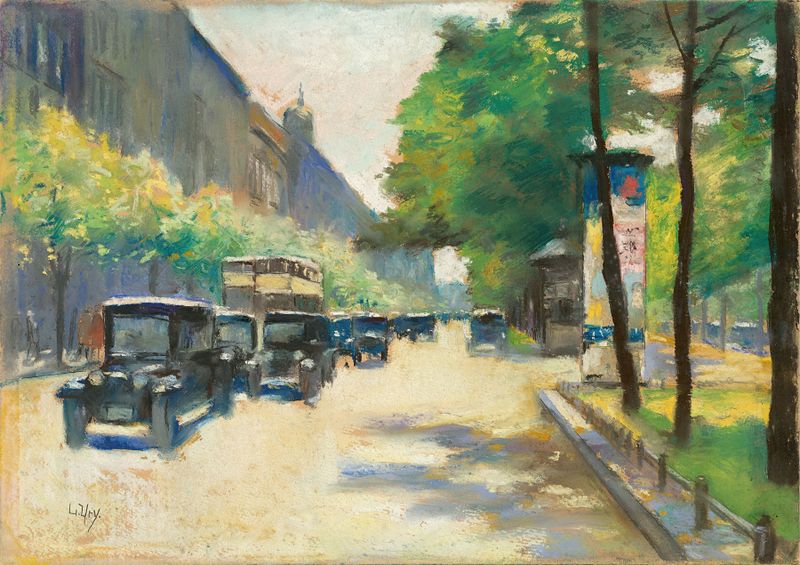
When did color learn to lie? The vibrant hues that once breathed life into a scene now murmur of decay, whispering secrets beneath their surface. Look to the left at the brilliant greens and browns, where the foliage appears to dance amid the shimmering light. Notice how the brushwork captures the restless movement of the trees, their leaves trembling with a life that feels both playful and mournful. The pathway, dappled with soft, golden light, guides the eye deeper into the composition, inviting exploration yet hinting at a journey through time—one marked by nostalgia and loss. Delve into the contrasts that pulse beneath the surface: the vibrancy of the trees juxtaposed against the crumbling architecture in the background.
While nature flourishes, suggesting resilience, the dilapidated buildings evoke a sense of abandonment, embodying the tension between life and decay. This duality resonates through the work, inviting viewers to reflect on the passage of time and the stories entwined within the urban landscape. Created in 1925, this piece by Lesser Ury emerged during a transformative period in Berlin's history, marked by the aftermath of World War I. The artist, known for his evocative use of light and color, sought to capture the essence of the city while grappling with the complexities of modernity.
Amidst the societal changes and cultural upheaval, Ury's brush became a tool for exploring the interplay between beauty and deterioration, leaving a poignant legacy within the world of art.
More Artworks by Lesser Ury
Browse all →
Unter den Linden mit Blick auf das Brandenburger Tor
Lesser Ury
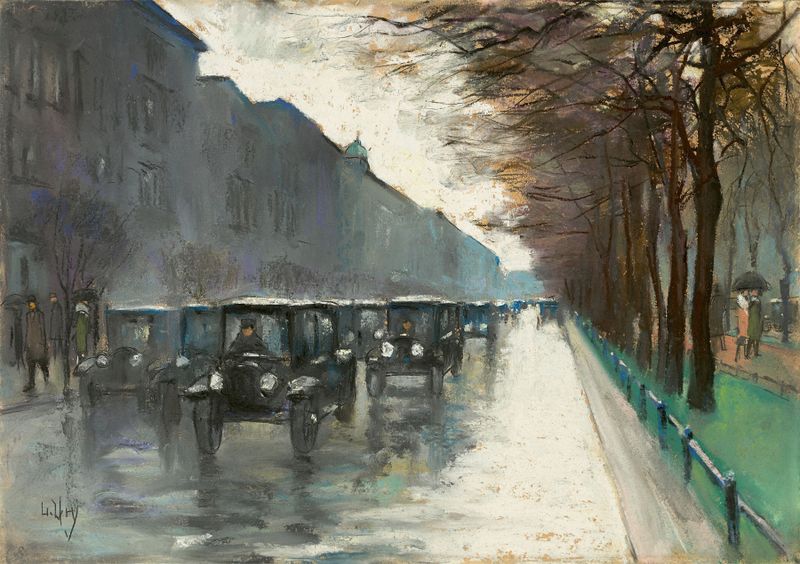
Unter den Linden mit Droschken im Regen
Lesser Ury

Berliner Straßenszene im Spätherbst
Lesser Ury
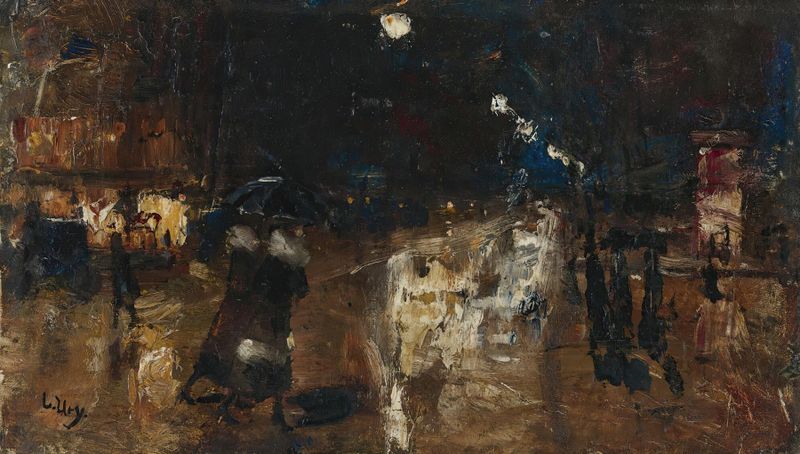
Rainy Street
Lesser Ury
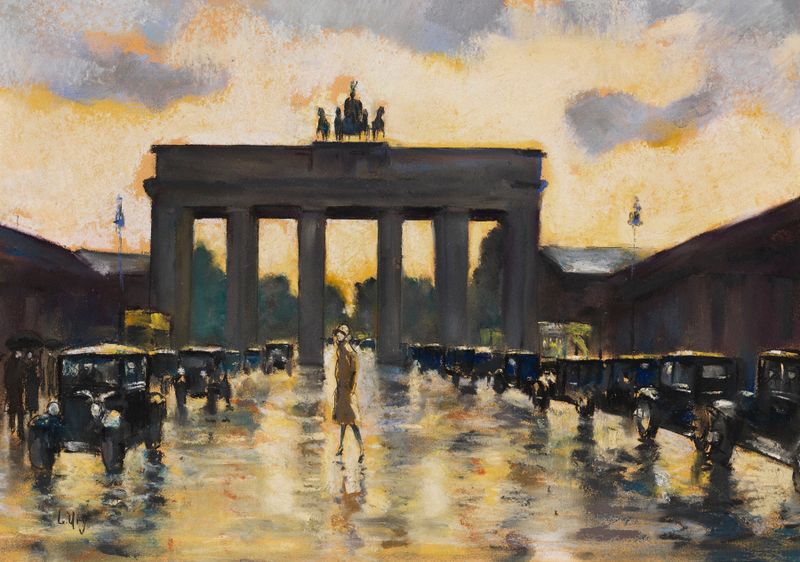
Brandenburger Tor vom Pariser Platz aus gesehen
Lesser Ury

Motiv aus dem Grunewald
Lesser Ury

Straße bei Nacht im Regen (Berlin)
Lesser Ury
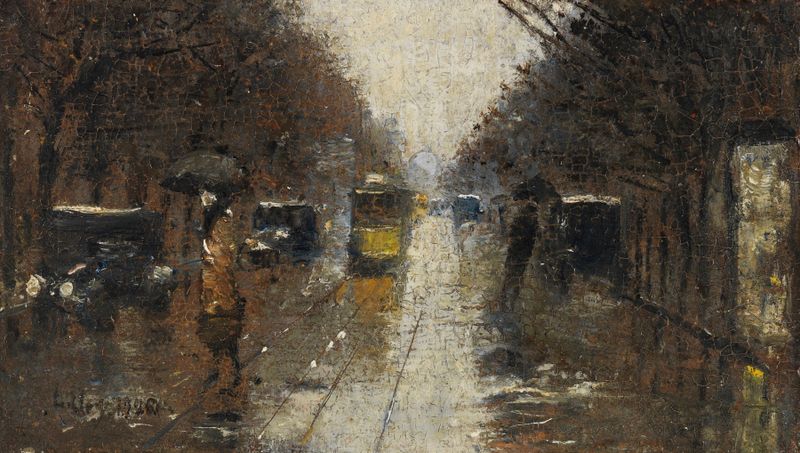
Straßenszene bei Regen, Berlin
Lesser Ury
Unter den Linden, Berlin
Lesser Ury
Berliner Straße im Sonnenschein
Lesser Ury





