
Tingletangle — History & Facts
In Tingletangle, Edvard Munch uses a vibrant palette of colors, including reds, blues, and yellows. The composition features abstract forms that seem to dance across the canvas. The figures are not clearly defined, adding to the sense of movement and energy.
This dynamic quality invites viewers to engage with the artwork on an emotional level. The painting is executed in oil on canvas, showcasing Munch's characteristic brushwork. The use of color is bold and expressive, typical of the Expressionism movement. The dimensions are approximately 80 x 100 cm, making it a substantial piece that commands attention.
Viewers can appreciate the layering of colors and the texture created by Munch's technique. Edvard Munch was a key figure in the Expressionism movement, known for exploring themes of anxiety and existential dread. Tingletangle reflects his interest in emotional expression through abstract forms. An interesting fact about this work is that it was created during a period when Munch was experimenting with color and form, leading to a more liberated style.
This painting exemplifies his departure from traditional representation towards a more subjective interpretation of reality.
More Artworks by Edvard Munch

The Scream
Edvard Munch

The Scream (1910 version)
Edvard Munch

Despair
Edvard Munch

The Day After
Edvard Munch
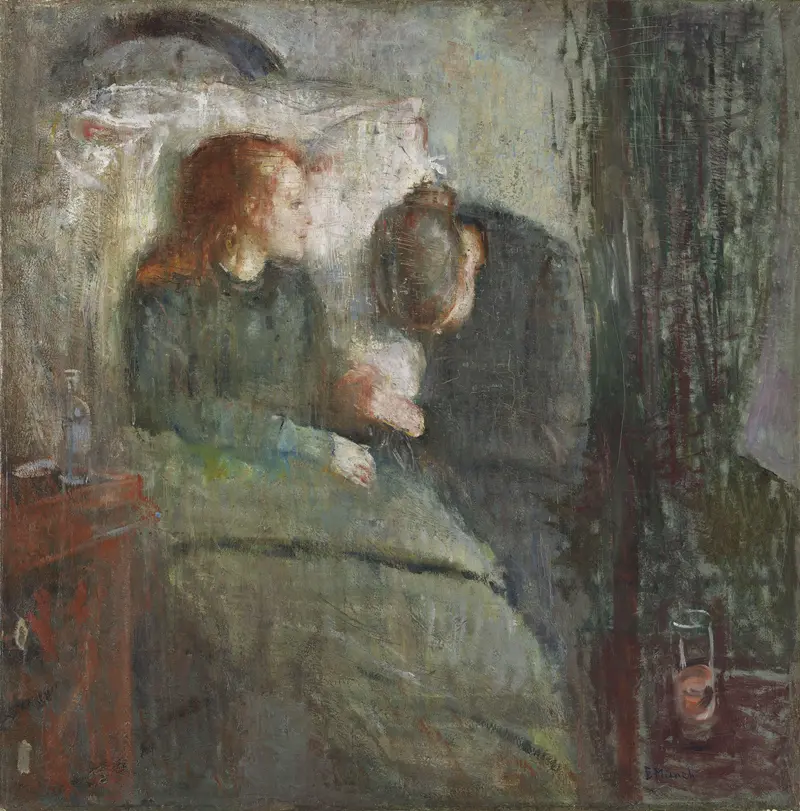
The Sick Child
Edvard Munch
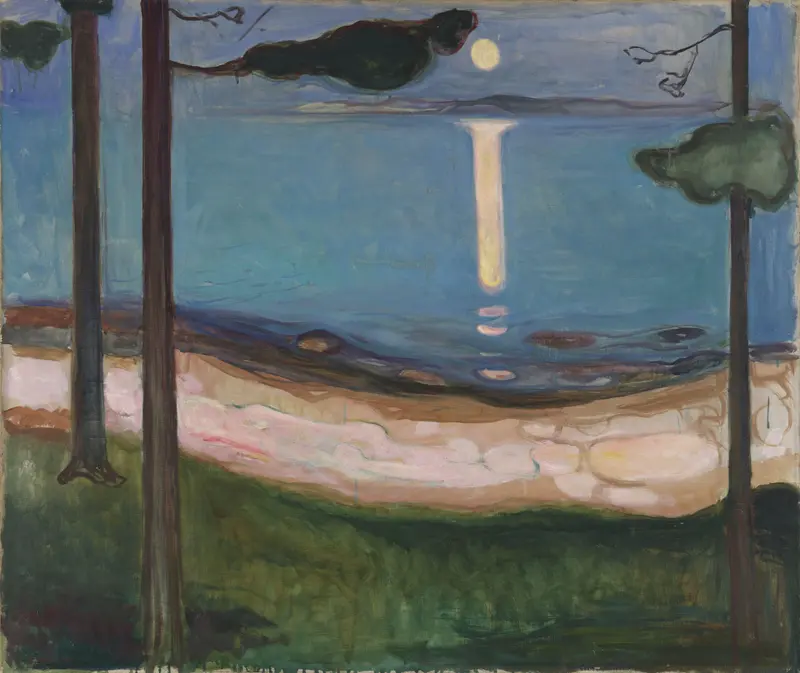
Moonlight
Edvard Munch
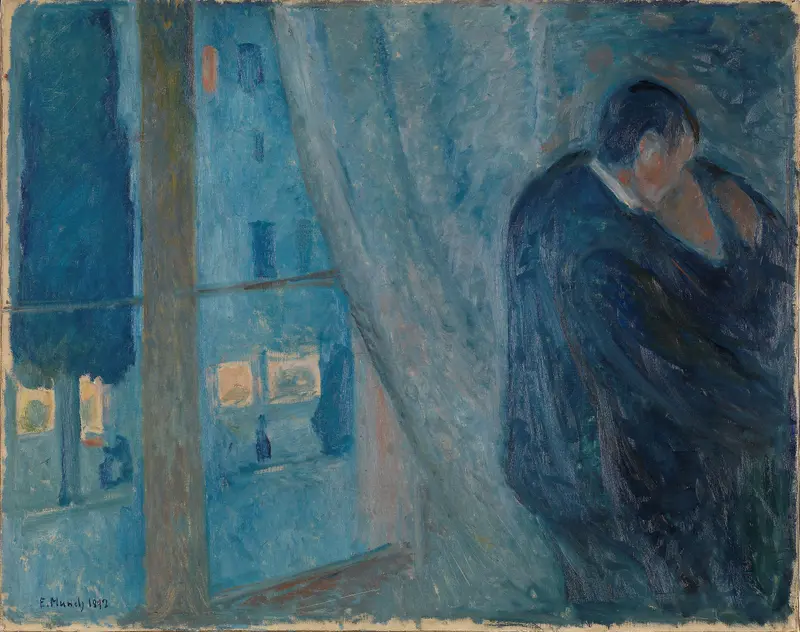
The Kiss
Edvard Munch
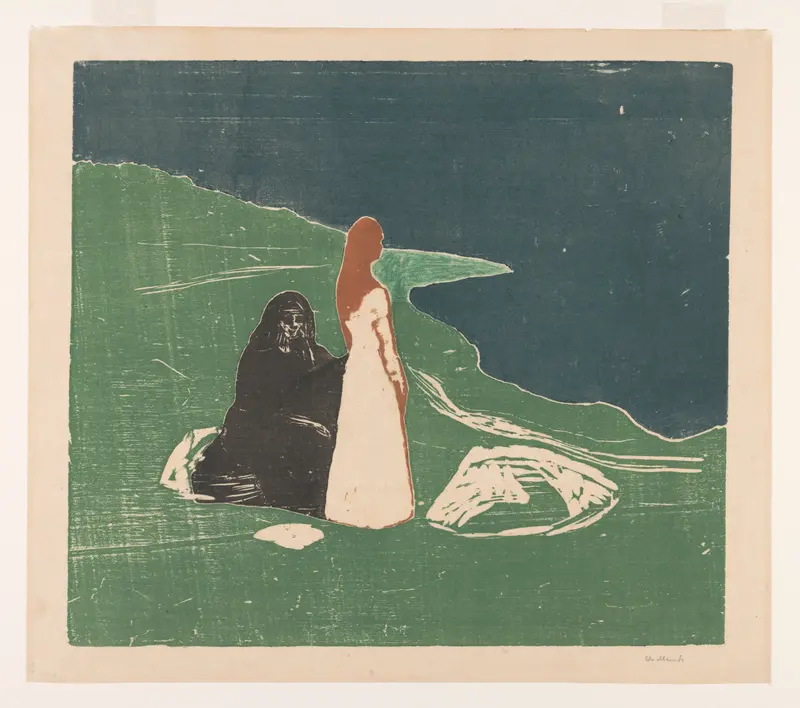
Two Women on the Shore
Edvard Munch
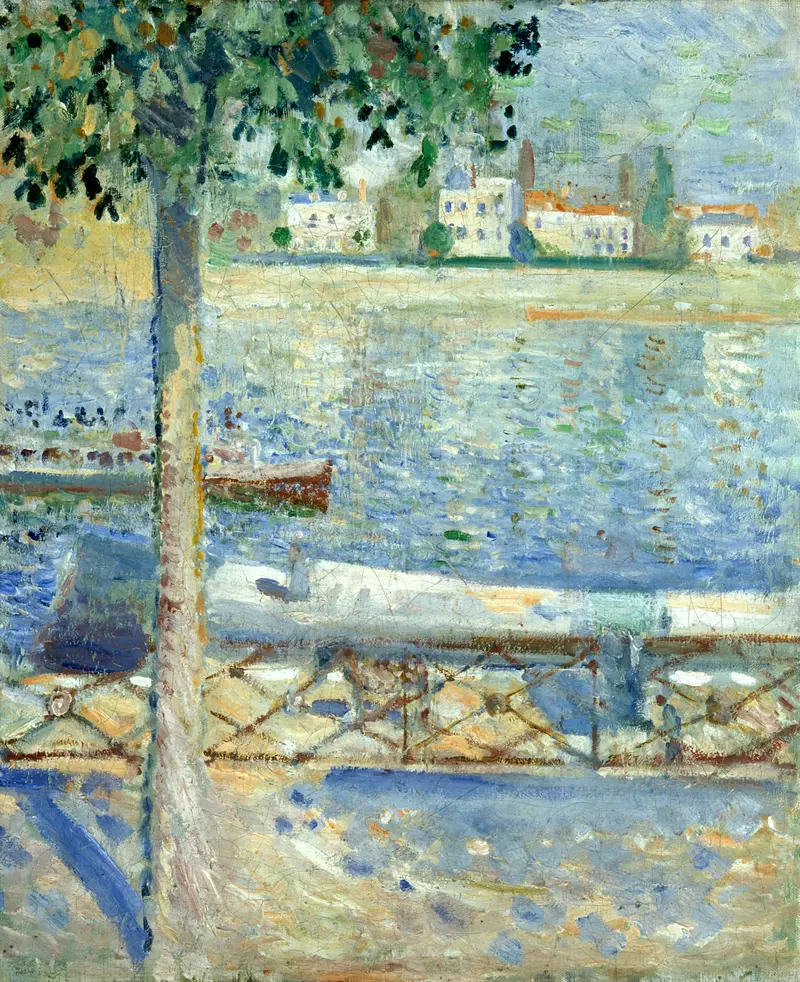
The Seine At Saint-Cloud
Edvard Munch
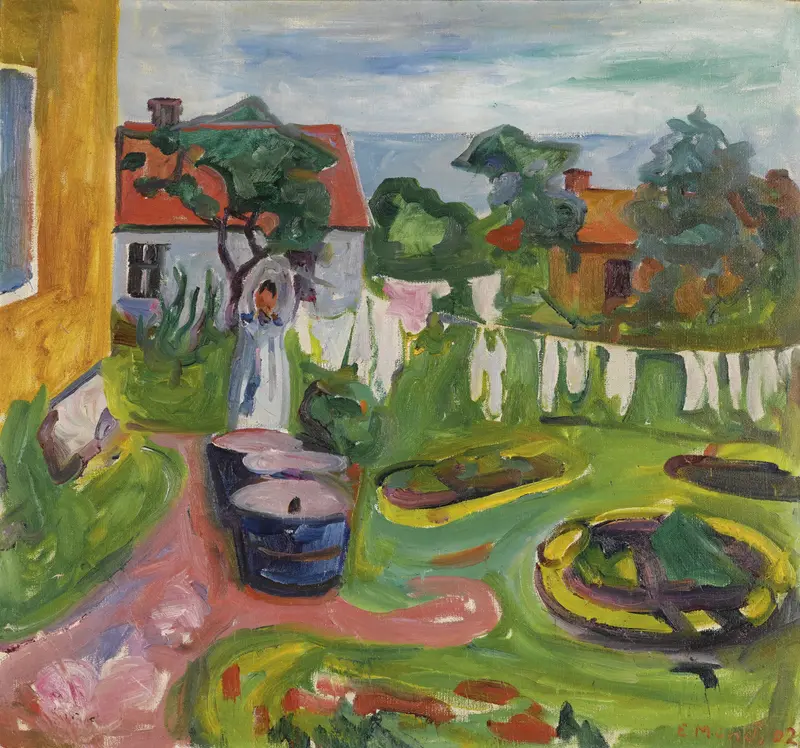
Klestørk I Åsgårdstrand (Clothes On A Line In Åsgårdstrand)
Edvard Munch





