
Titelblad voor André de l'Auges 'La Saincte Apocatastase' — History & Facts
In moments of loss, artistry becomes a sanctuary, a place where emotions are laid bare for all to see. Begin your exploration by looking closely at the intricate details that adorn the foreground. Notice how the delicate etching technique creates a tapestry of figures, each one a haunting embodiment of grief and hope. The figures, draped in flowing garments and intertwined in dynamic poses, pull the viewer into a tableau that feels both personal and universal.
The muted color palette, punctuated by subtle contrasts, invites contemplation, echoing the bittersweet nature of the subject. Delve deeper into the narrative woven throughout the piece. The expressions of the figures reveal varying shades of loss—some resigned, others defiant. Observe the interplay of light and shadow, symbolizing the struggle between despair and enlightenment.
Each figure contributes to a collective memory, suggesting that within sorrow lies the potential for redemption, a cycle of suffering and healing. During the years 1619 to 1623, the artist was navigating the complexities of the Baroque era, a time marked by significant socio-political upheaval and artistic innovation. Living in France, Callot was influenced by the burgeoning ideas of human emotion in art, as well as the spiritual and philosophical inquiries of the time. In creating this piece, he not only captured the zeitgeist but also expressed his personal response to the existential questions that permeated society, forever linking his work to the theme of loss.
More Artworks by Jacques Callot
Browse all →
Titelprent voor de prentreeks 'De kleine apostelen' (Het martelaarschap van de apostelen)
Jacques Callot
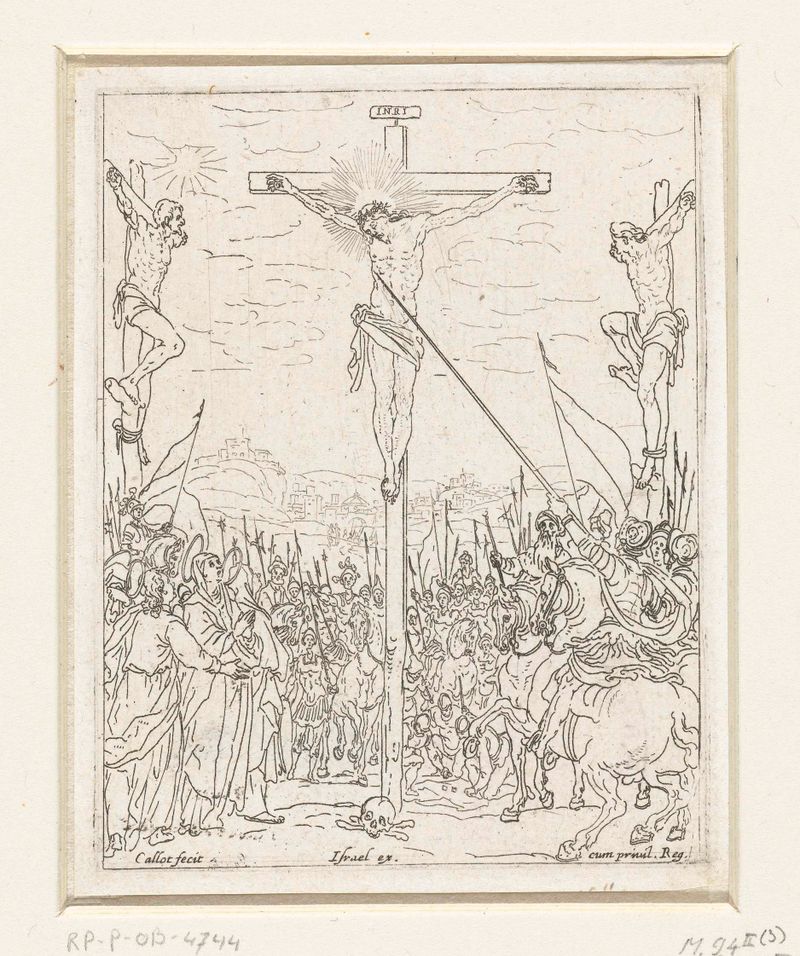
Kruisiging
Jacques Callot

De doortocht door de Rode Zee
Jacques Callot

De verloren zoon als zwijnenhoeder
Jacques Callot

Annunciatie
Jacques Callot
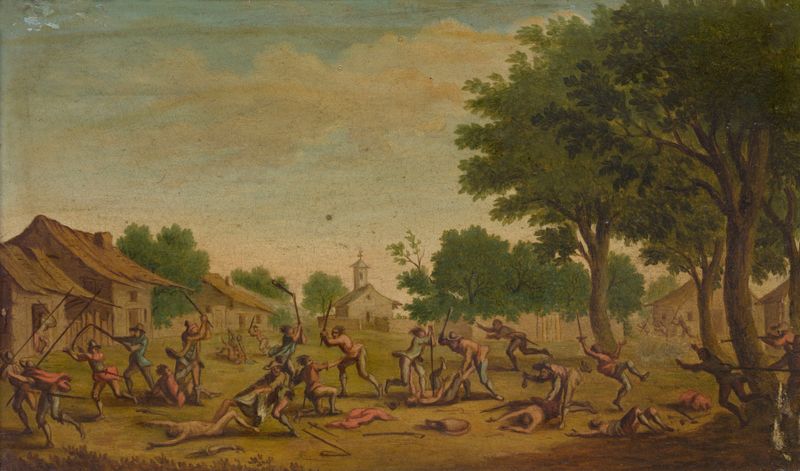
Village Fight
Jacques Callot

Titelprent voor prentreeks 'Het leven van Maria'
Jacques Callot
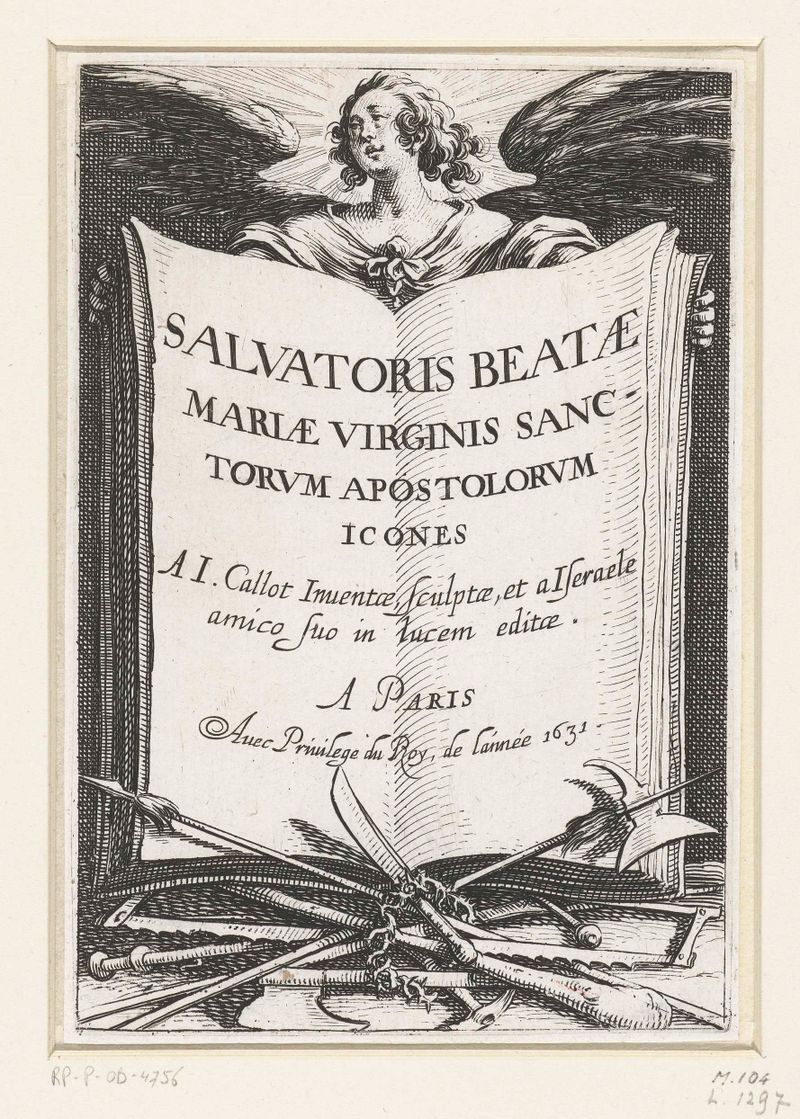
Titelprent voor de prentreeks 'De grote apostelen' (Christus, Maria en de apostelen)
Jacques Callot

Christus aan het volk getoond (Ecce homo)
Jacques Callot
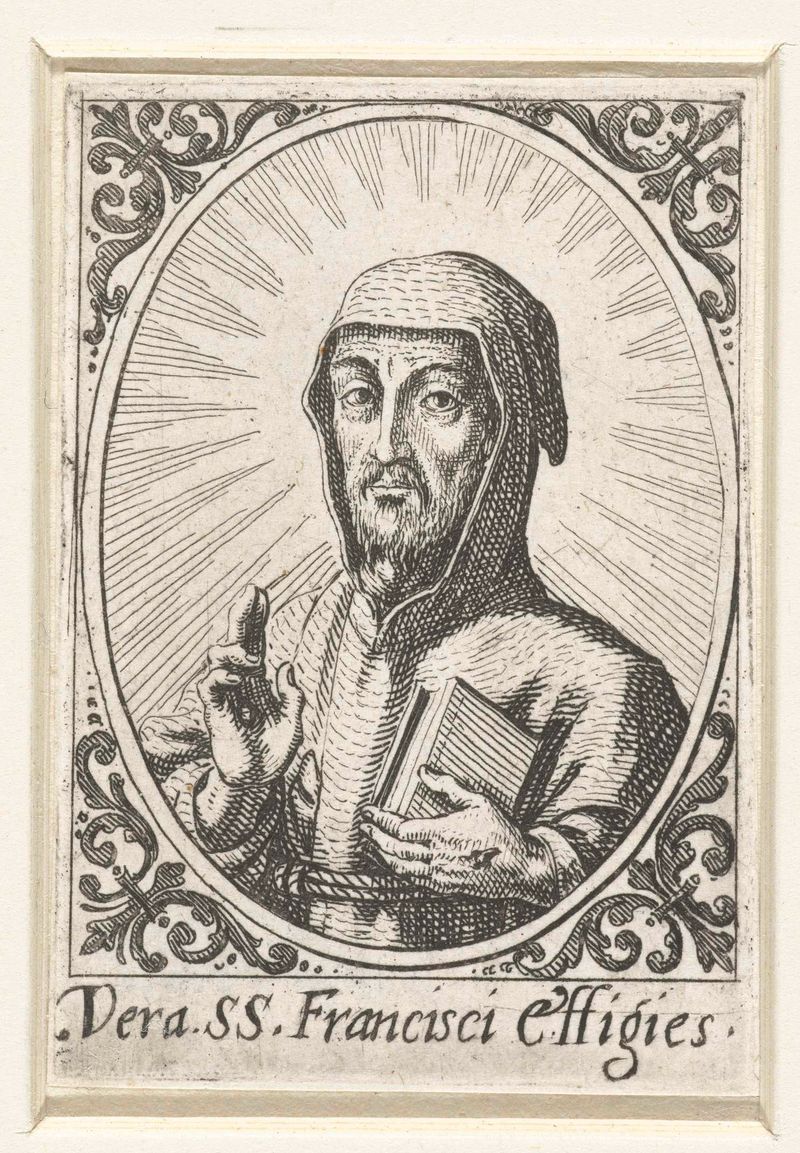
Portret van de Heilige Franciscus
Jacques Callot





