Titelprent voor: Aula Veneris — History & Facts
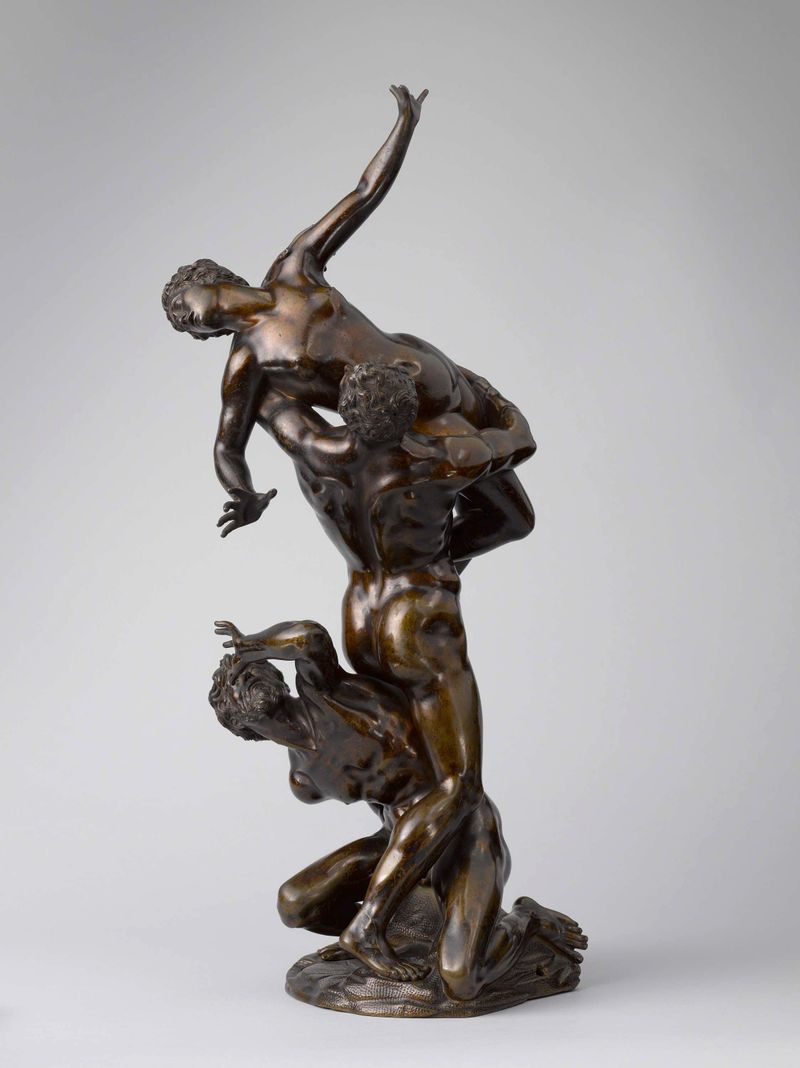
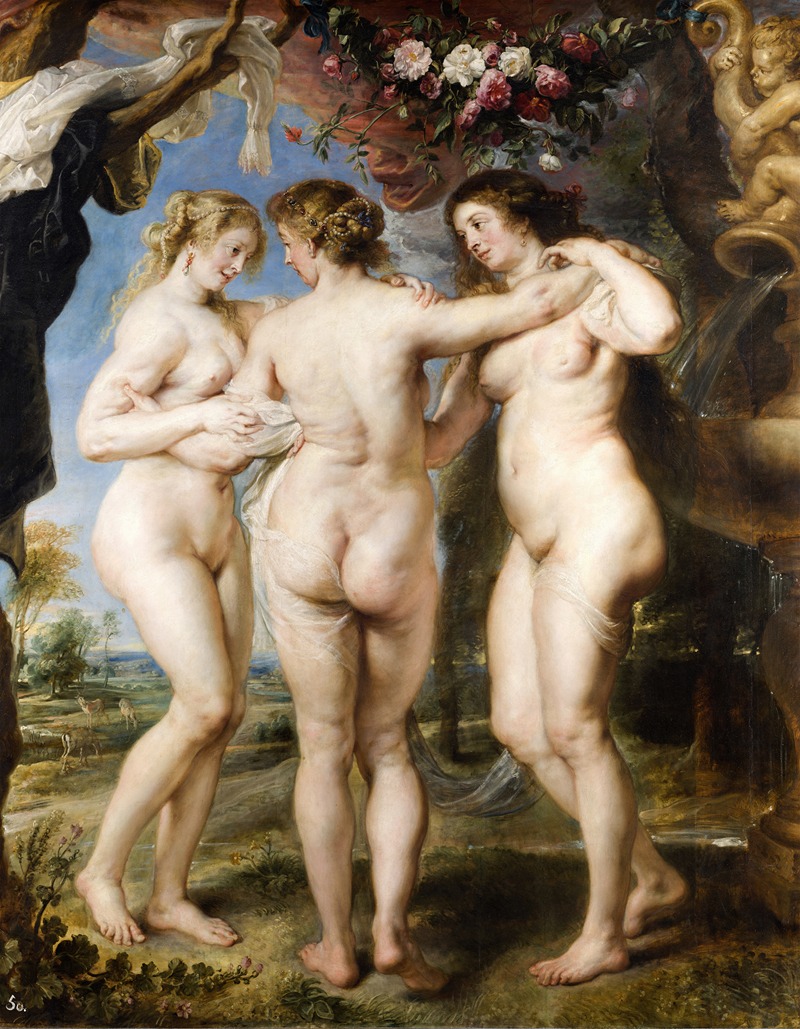
In the stillness of a moment, echoes of loss reverberate through the intricate lines and delicate details of the work, inviting a profound reflection on what remains unspoken. Look closely at the center; the composition gracefully balances mythological themes with architectural precision. The figures, elegantly rendered in chiaroscuro, draw your gaze first to the sublime Venus, draped in a flowing robe that seems to catch the light in a gentle embrace. Notice how Hollar’s expert etching technique creates a delicate interplay between shadow and light, adding a haunting quality to the elegant forms that linger in the air, suggesting both beauty and melancholy. The intertwining of nature and the human form speaks to the universal experiences of longing and sorrow.
Every curve, every line in the background hints at the ephemeral nature of love and the persistent presence of absence. The flora surrounding the figures, lush yet distant, serves as a metaphor for lost connections—a reminder of beauty fading into memory. This tension between the delicate beauty of the scene and the underlying sense of yearning invites viewers to confront their own feelings of loss. In 1644, Wenceslaus Hollar was immersed in the baroque art scene of Europe, influenced by both the vibrancy of his native Bohemia and the profound themes prevalent in the art of his time.
Living in England, he was surrounded by a burgeoning artistic community yet faced personal trials, including the loss of loved ones and the upheaval of his homeland. In this context, Titelprent voor: Aula Veneris emerges not only as a testament to his skill but as a reflection of an artist grappling with the weight of absence in a world rich with beauty.
More Artworks by Wenceslaus Hollar
Browse all →
Portret van Anna Boleyn, koningin van Engeland
Wenceslaus Hollar
Bird’s eye view of Jerusalem
Wenceslaus Hollar
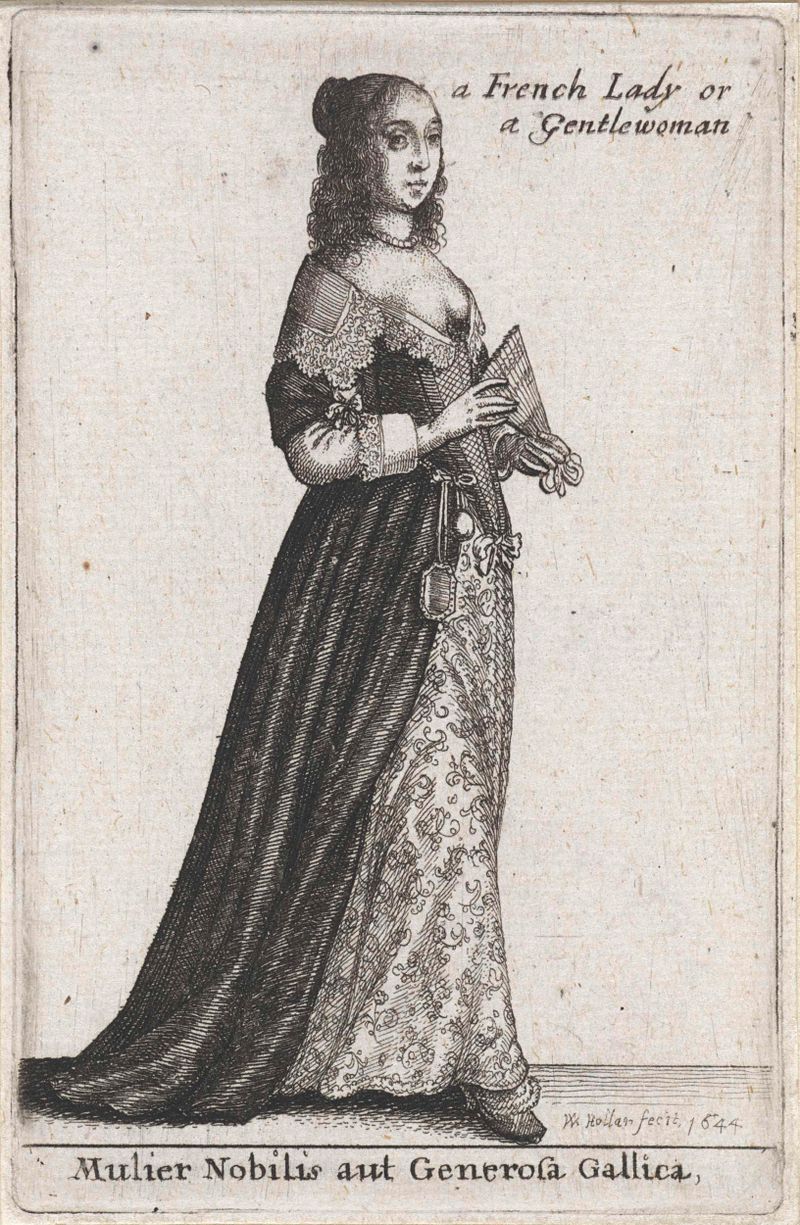
Mulier Nobilis aut Generosa Gallica / a French Lady or Gentlewoman
Wenceslaus Hollar
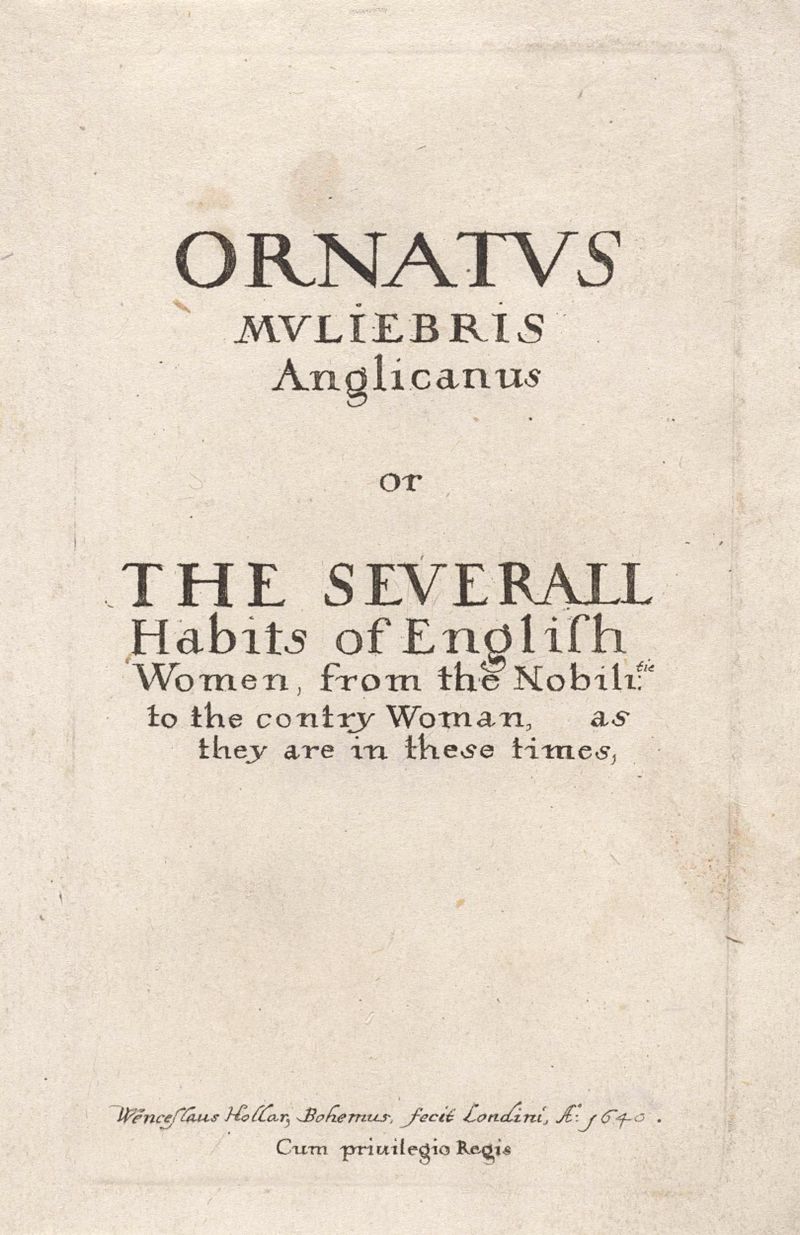
Titelprent voor: Ornatus Muliebris Anglicanus
Wenceslaus Hollar
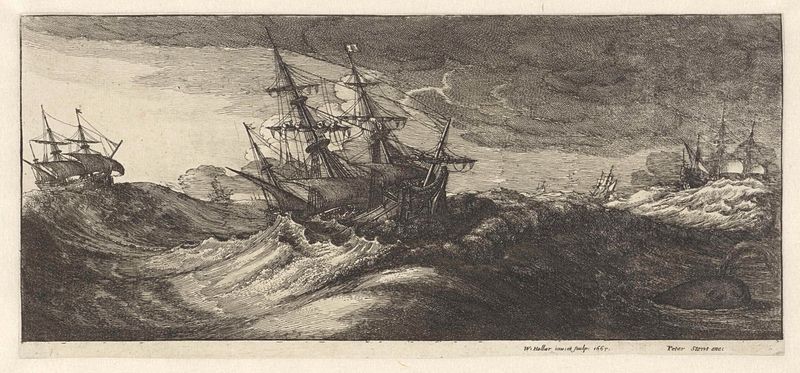
Oorlogsschepen en een walvis in een zeestorm
Wenceslaus Hollar
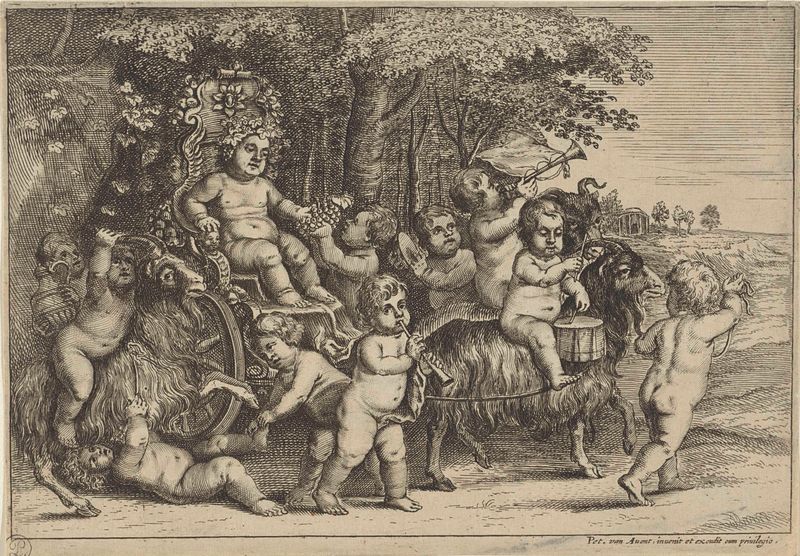
Optocht van bacchant en jongetjes op geiten
Wenceslaus Hollar
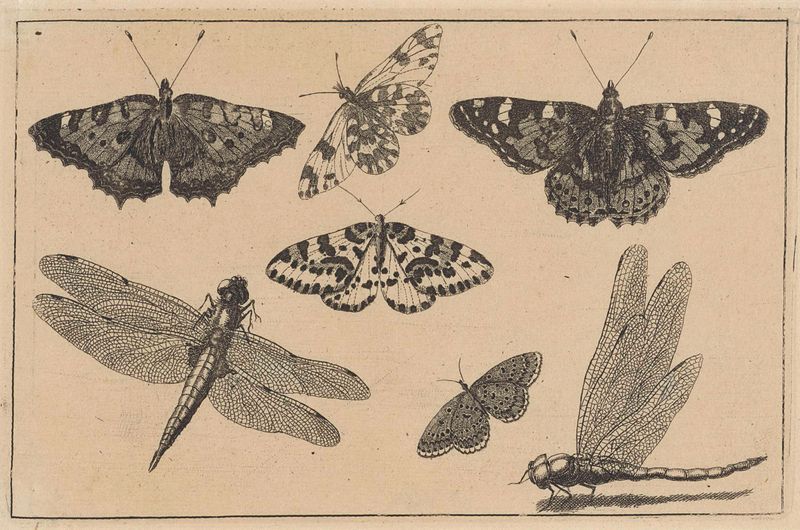
Twee libellen en vijf vlinders
Wenceslaus Hollar
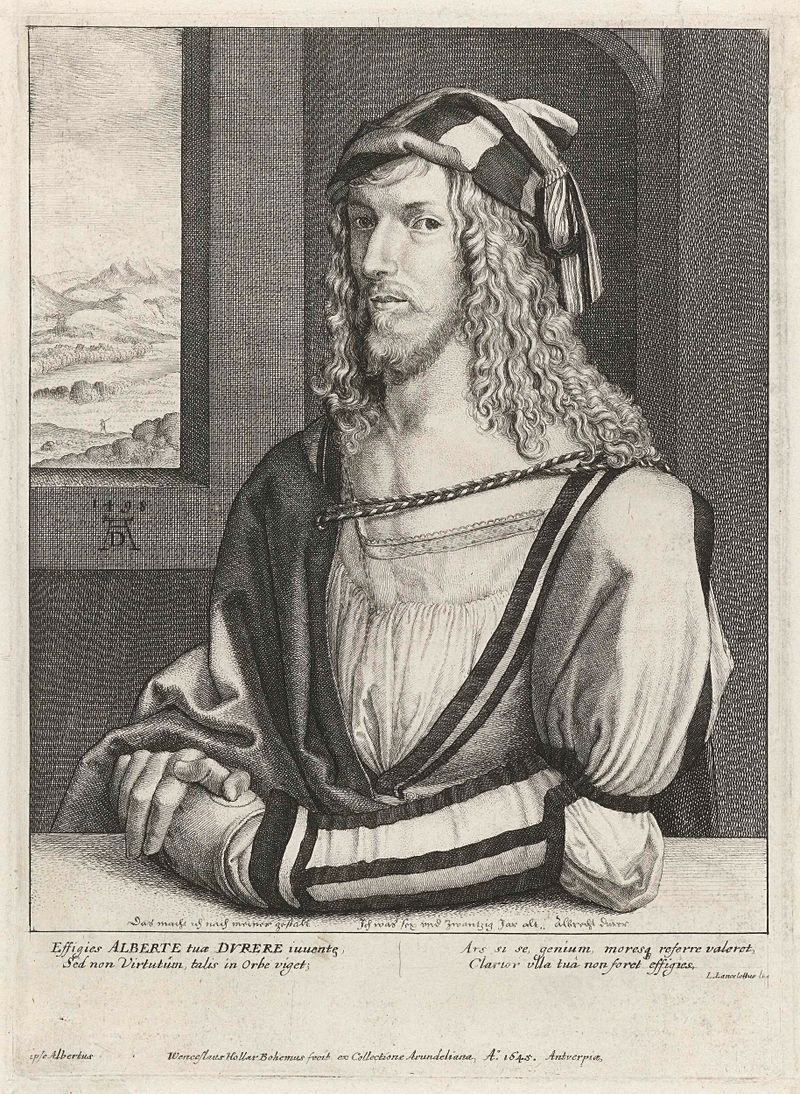
Portret van Albrecht Dürer
Wenceslaus Hollar
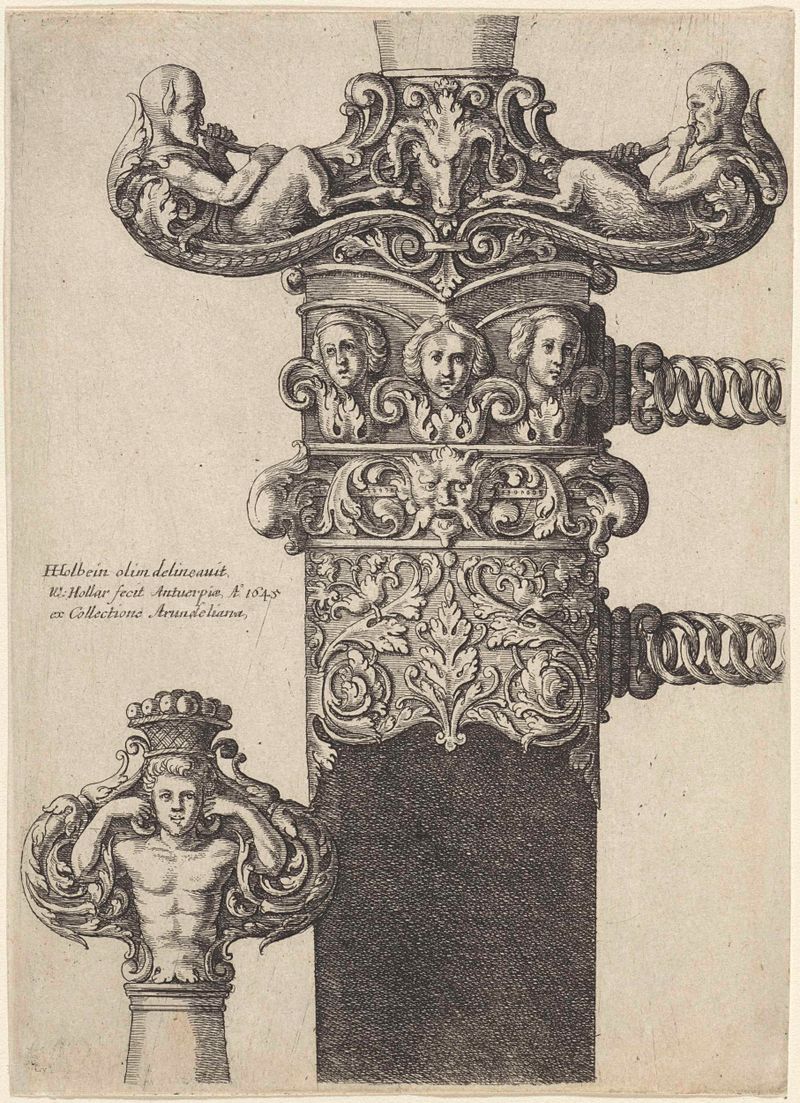
Ornamenteel ontwerp voor een dolk
Wenceslaus Hollar
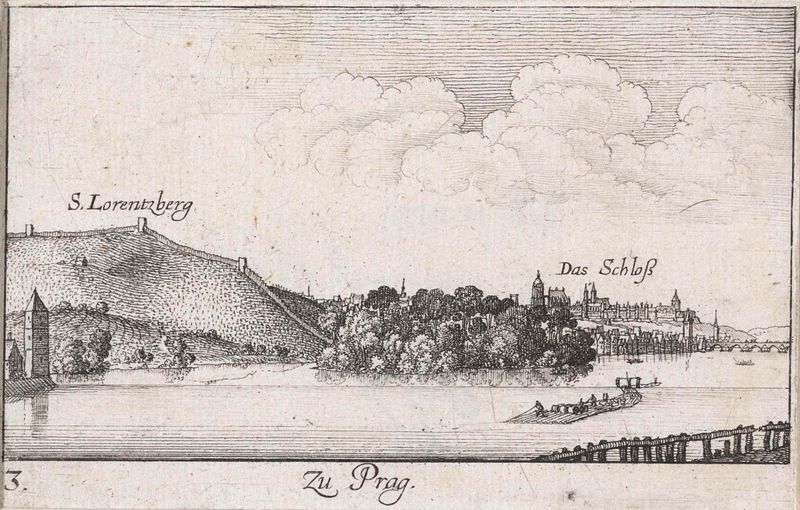
Gezicht op Praag vanaf de Moldau
Wenceslaus Hollar