
Toernooi in Wittenberg van het keurvorstelijk hof van Saksen — History & Facts
Within the vibrant spectrum of hues, moments of transformation beckon our gaze, inviting us to explore the layered narratives that unfold within a single frame. Look to the left, where a parade of nobles stands resplendent in their finery, their garments a masterclass of rich colors and intricate patterns. Notice how the artist employs a warm palette, using reds and golds that shimmer against the cool blues and greens of the background. The composition is harmoniously balanced, with figures arranged in a semi-circle that draws the eye towards the central action, embodying both festivity and formality.
Each detail, from the ornate armor of the jousters to the delicate expressions on the spectators’ faces, serves to engage the viewer in a world brimming with tension and anticipation. Yet, beneath the surface of this grand tournament lies a deeper commentary on power and social hierarchy. The jubilant celebration of chivalry stands in contrast to the silent obligation of the commoners, whose modest presence at the edges of the scene underscores their exclusion from this noble spectacle. The ceremonial jousting, a metaphor for personal and political transformation, hints at the struggles and ambitions that define human existence, inviting us to reflect on our own roles within society’s intricate tapestry. Cranach created this work in 1509, during a time when the Holy Roman Empire was rife with political intrigue and cultural renaissance.
Living in Wittenberg, he was intimately connected to the court of Saxony and the burgeoning Protestant Reformation. The artist's vivid storytelling and historical awareness shaped his oeuvre, allowing him to capture not just the events of his time, but also the complex emotions that linger beneath the surface of public celebration.
More Artworks by Lucas Cranach (I)
Browse all →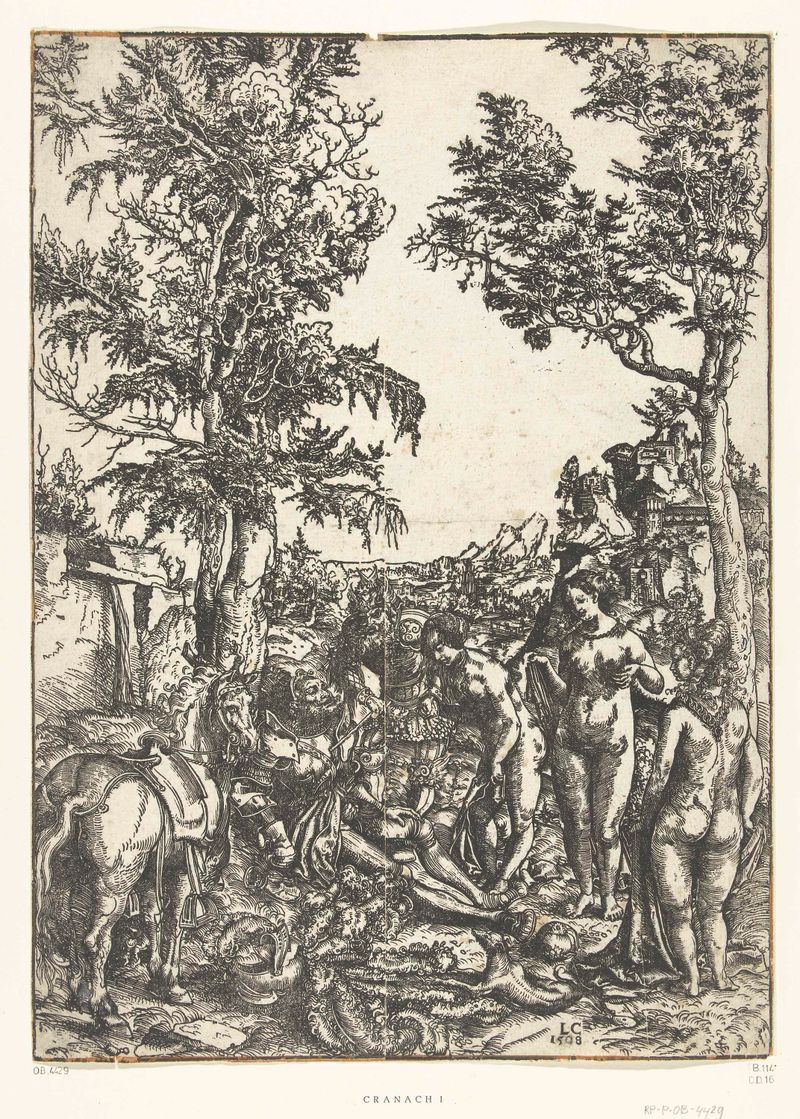
Oordeel van Paris
Lucas Cranach (I)
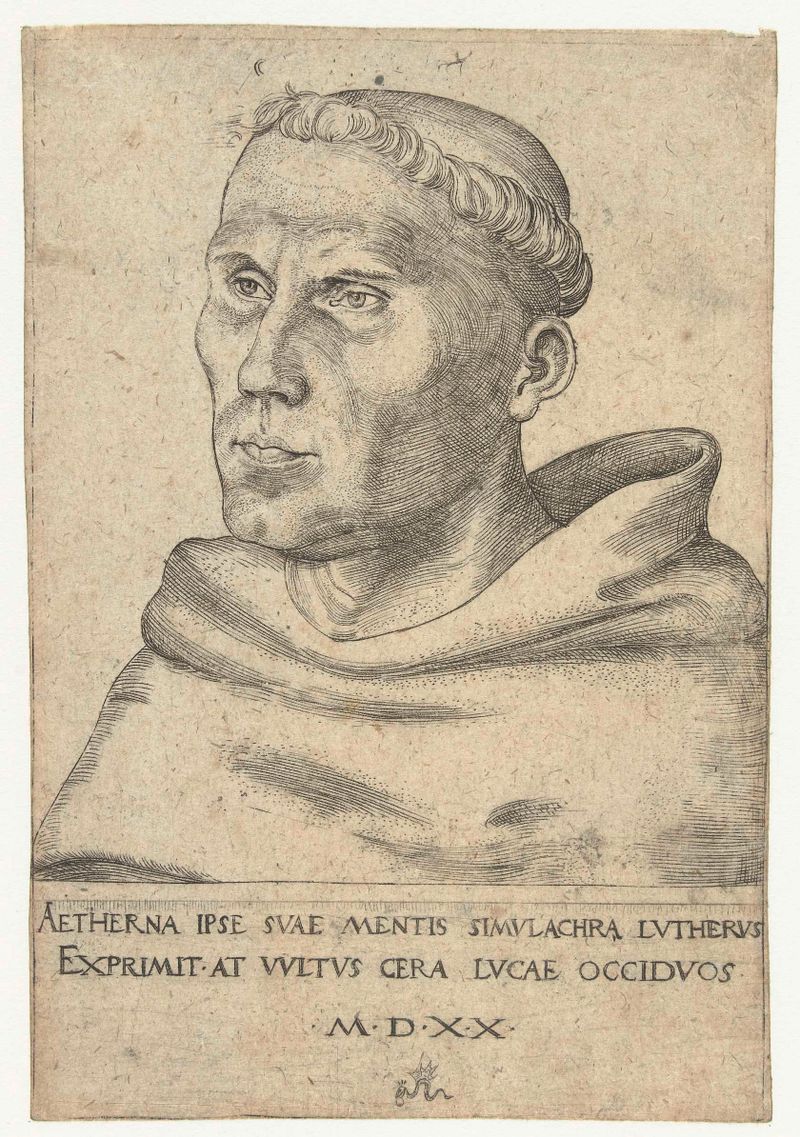
Portret van Martin Luther als Augustijner monnik
Lucas Cranach (I)
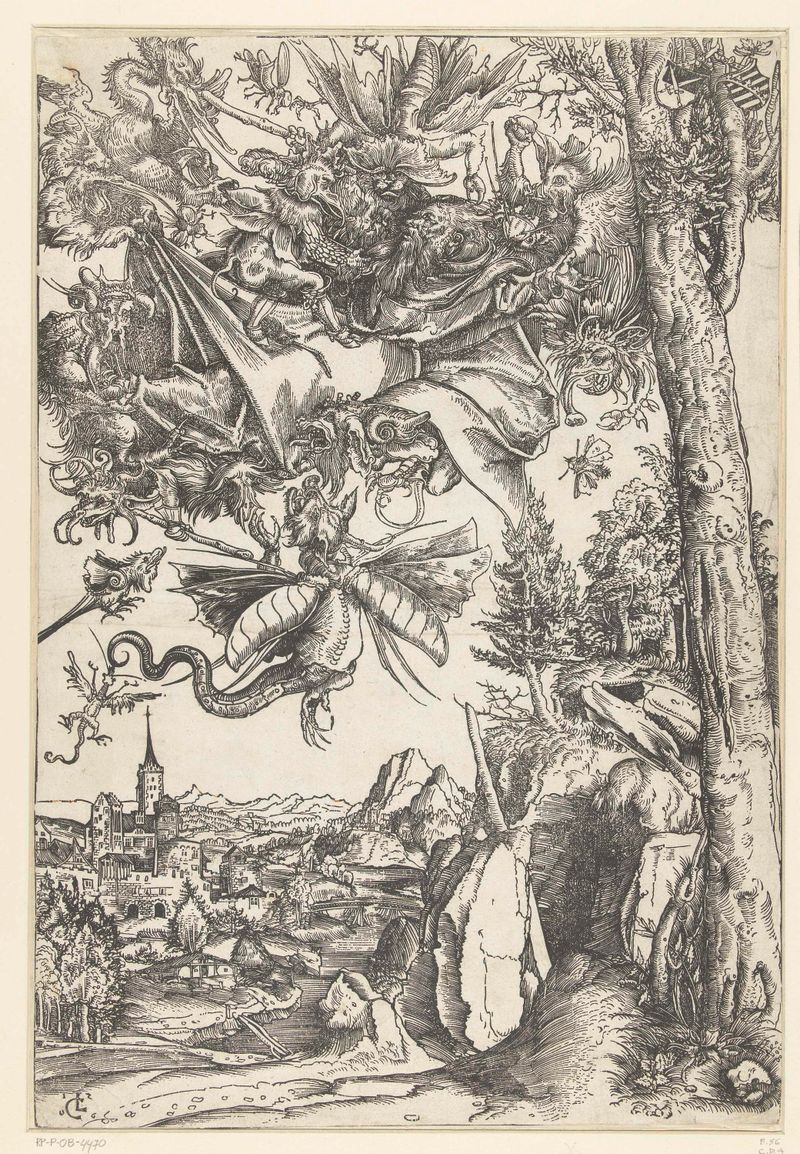
Verzoeking van Antonius met aanval door demonen
Lucas Cranach (I)

Christus en de Samaritaanse vrouw
Lucas Cranach (I)

Duits toernooi met twee edelmannen als ridders te paard
Lucas Cranach (I)
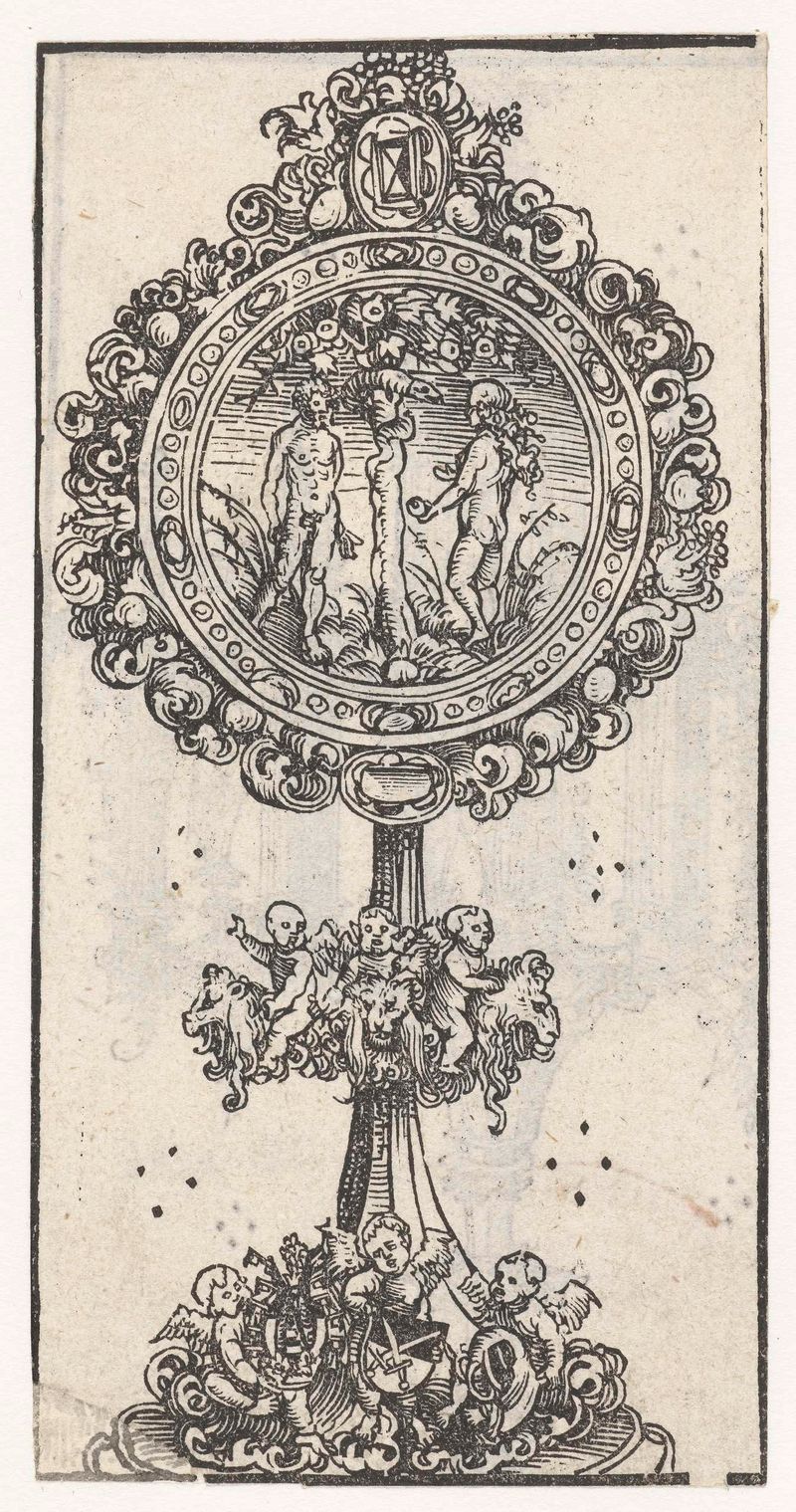
Reliekhouder met de verzoeking van Adam en Eva
Lucas Cranach (I)

Intocht van Christus in Jerusalem
Lucas Cranach (I)
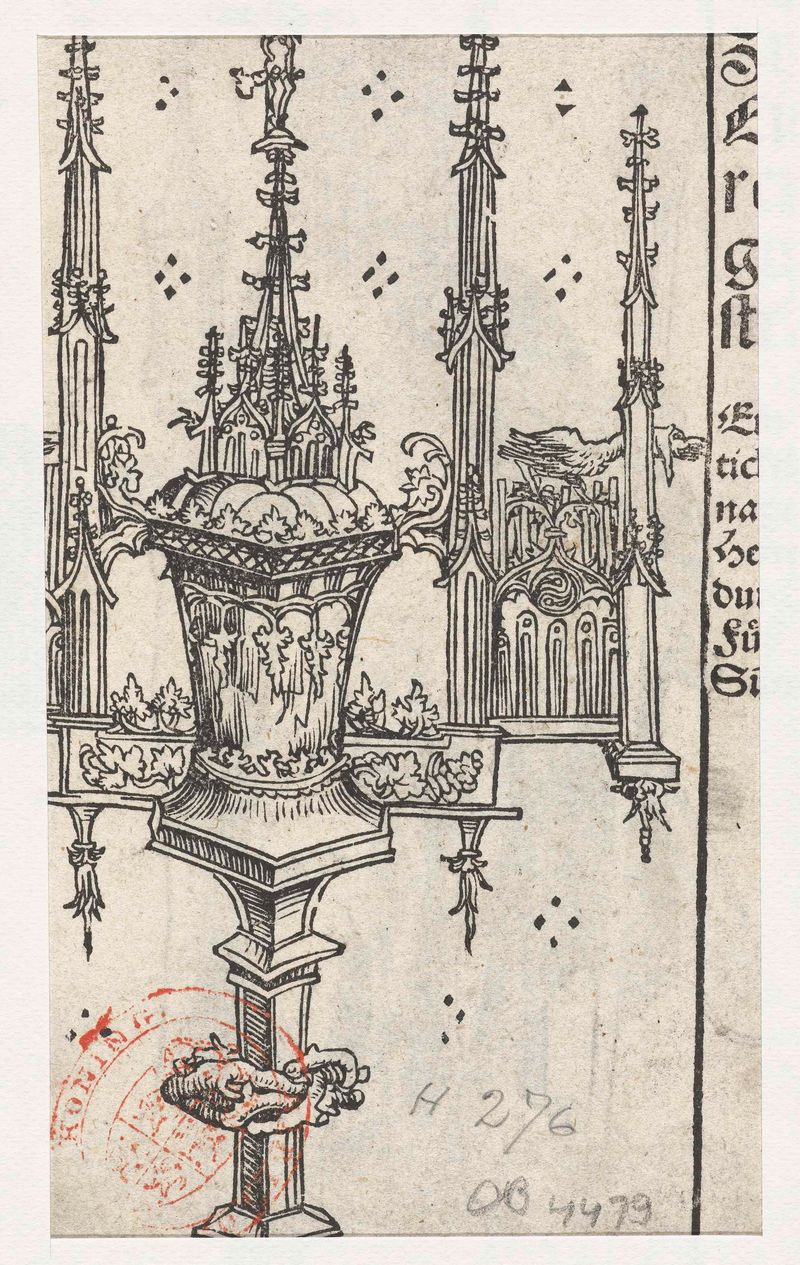
Monstrans met vogel (pelikaan)
Lucas Cranach (I)
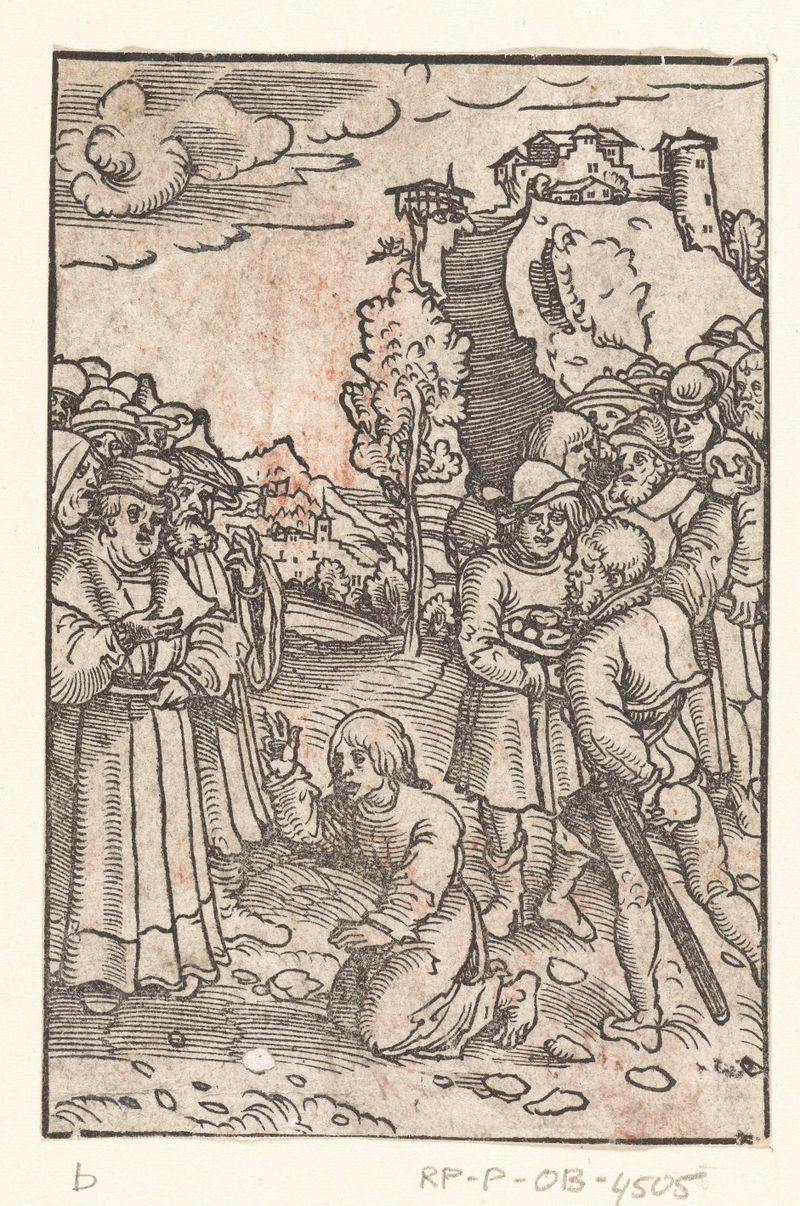
Steniging van Stefanus
Lucas Cranach (I)
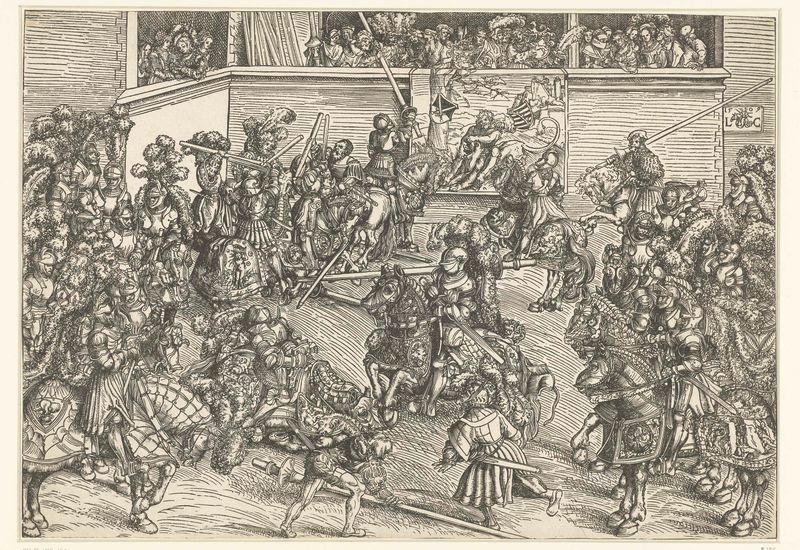
Toernooi van het keurvorstelijk hof van Saksen met wandtapijt Simson doodt de leeuw
Lucas Cranach (I)
More Historical Art
Browse all →
The Night Watch Militia Company of District II under the Command of Captain Frans Banninck Cocq
Rembrandt van Rijn
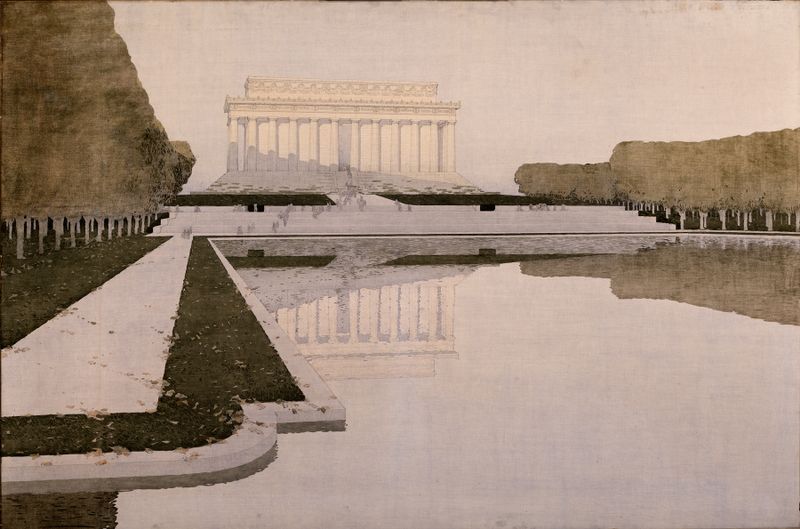
Lincoln Memorial
Henry Bacon
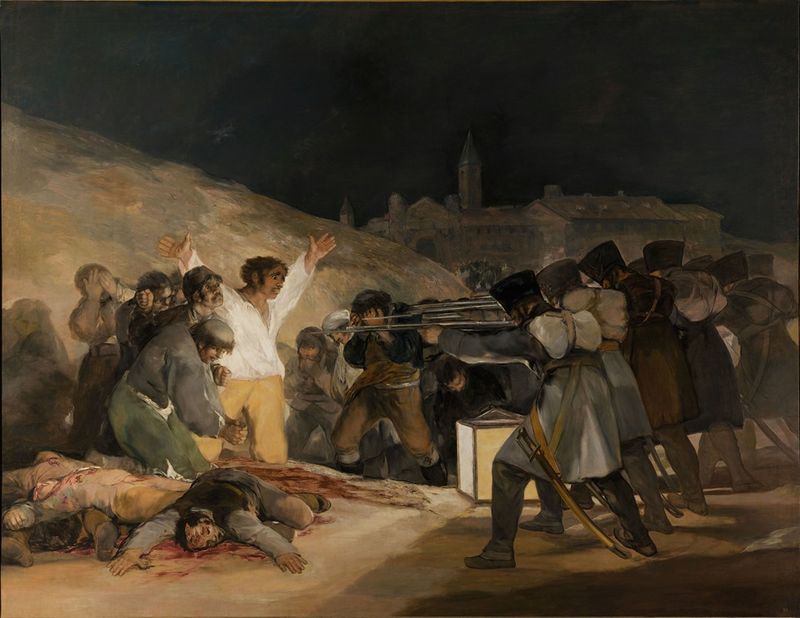
The Third of May 1808
Francisco de Goya

Isaac and Rebecca, Known as ‘The Jewish Bride’
Rembrandt van Rijn
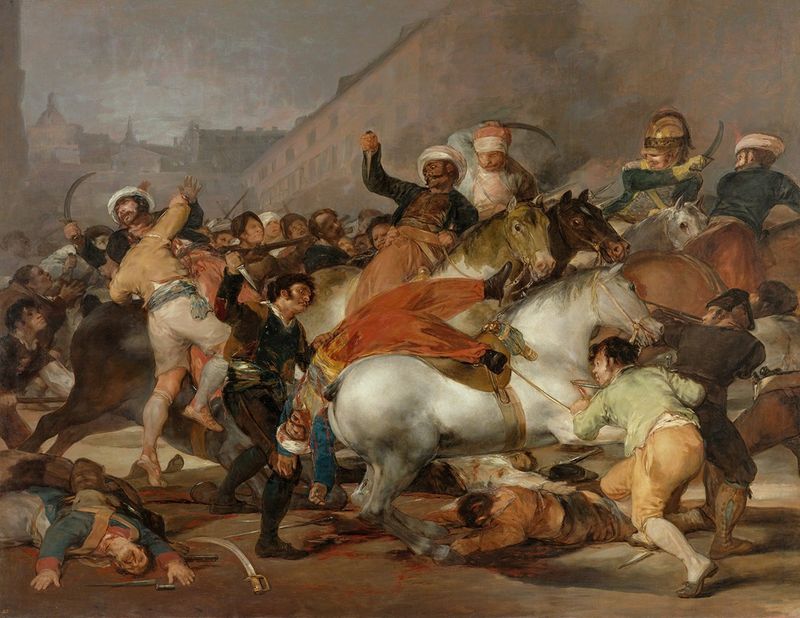
The Charge of the Mamelukes (1814)
Francisco de Goya

De vier ruiters van de apocalyps
Albrecht Dürer