
Trapani, Monte San Giuliano (Sicile) — History & Facts
Did the painter know this moment would outlive them? As time sweeps forward, the legacy of a single scene can echo long after the artist’s hand has stilled. Focus on the vibrant hues that dance across the canvas, particularly the warm golds and deep blues that capture the Sicilian landscape's essence. Look to the undulating hills on the left, where soft strokes create a sense of movement, as if the land itself is breathing. Notice how the delicate play of light casts shadows, adding depth and inviting you to wander through the valleys and toward the horizon, where sky meets earth in a timeless embrace. Delve into the emotional tensions hidden within the work; the juxtaposition of the serene landscape against the hints of human presence evokes a sense of nostalgia and longing.
The solitary figures, small and unassuming, suggest the transient nature of life in this idyllic setting, emphasizing how fleeting moments are etched into the canvas of history. The artist carefully balances natural beauty with human humility, prompting the viewer to reflect on their own place within this picturesque panorama. In 1899, while living in France, Brokman created this piece during a period when many artists were turning their gaze toward the pastoral, evoking emotional resonance through landscapes. The world was grappling with rapid industrialization, yet artists like Brokman sought to capture the unspoiled beauty of rural life.
His connection to Sicily, where he had roots, infused Trapani, Monte San Giuliano with personal significance, intertwining legacy with the timeless allure of the land.
More Artworks by Henry Brokman
Browse all →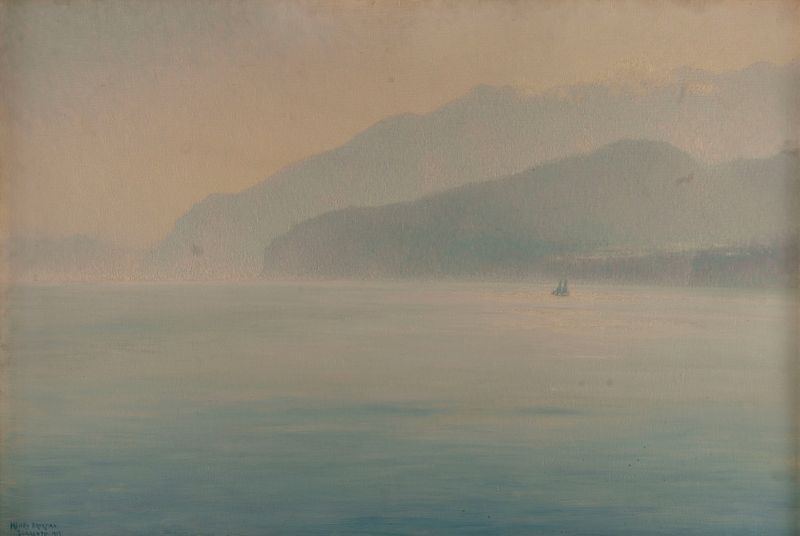
Côte De Sorrente, Bleu Et Argent
Henry Brokman
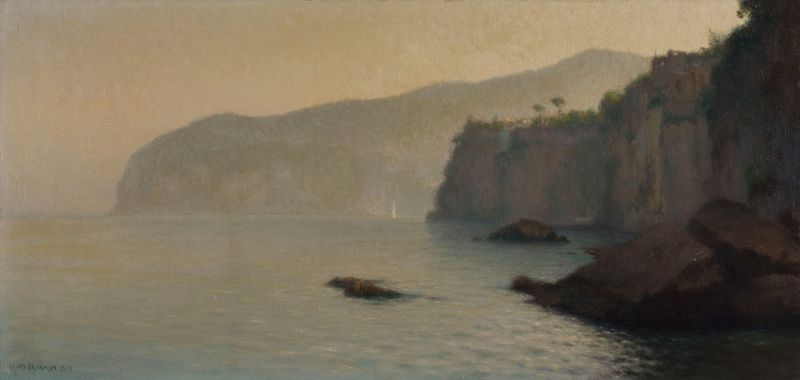
Petite côte de Sorrente (grise)
Henry Brokman
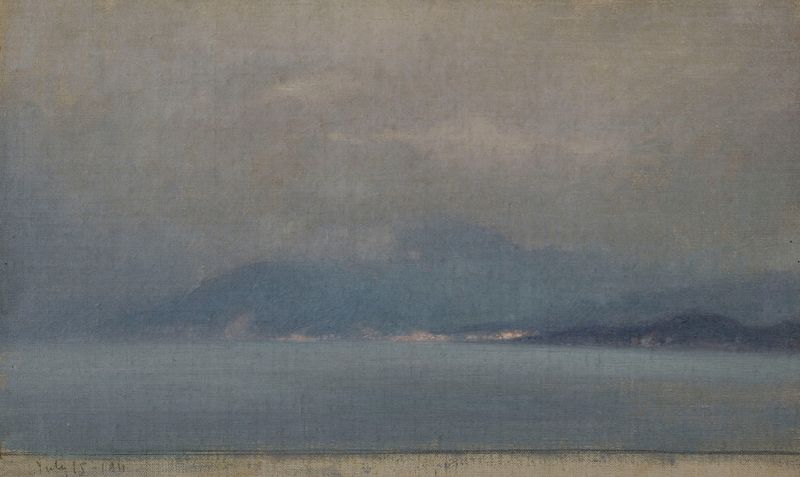
Etude de paysage
Henry Brokman
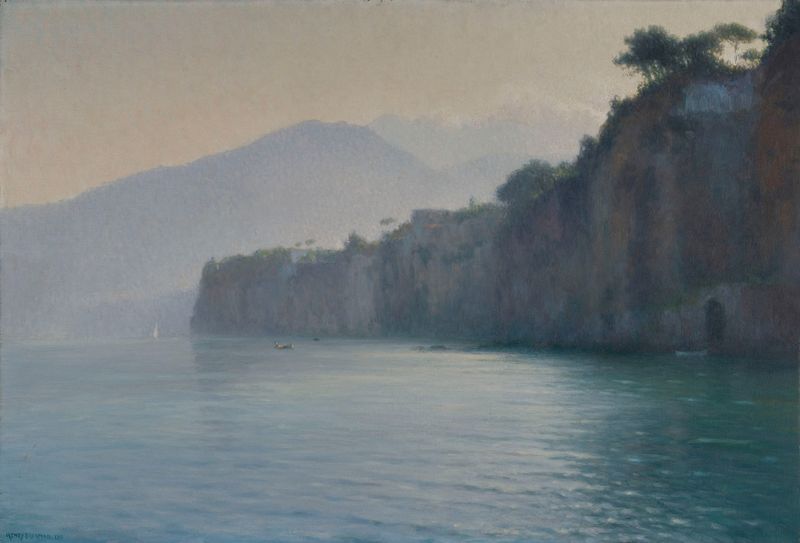
Sorrente, côte argentée
Henry Brokman
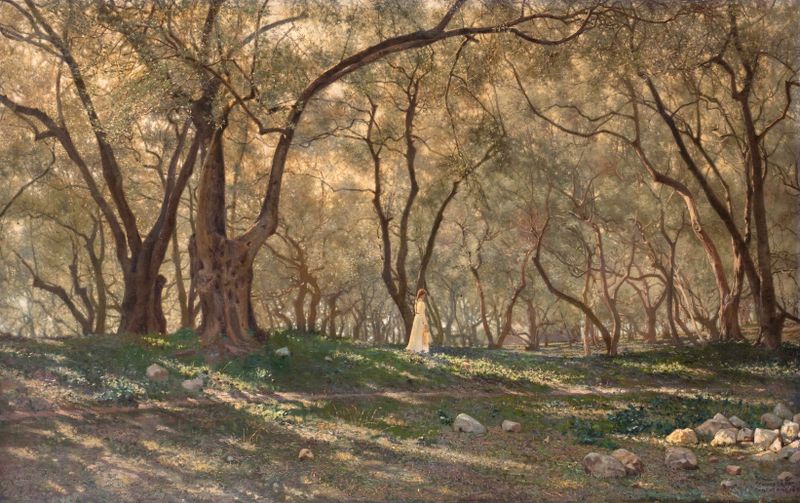
Jeune Fille Sous Les Oliviers – Menton
Henry Brokman
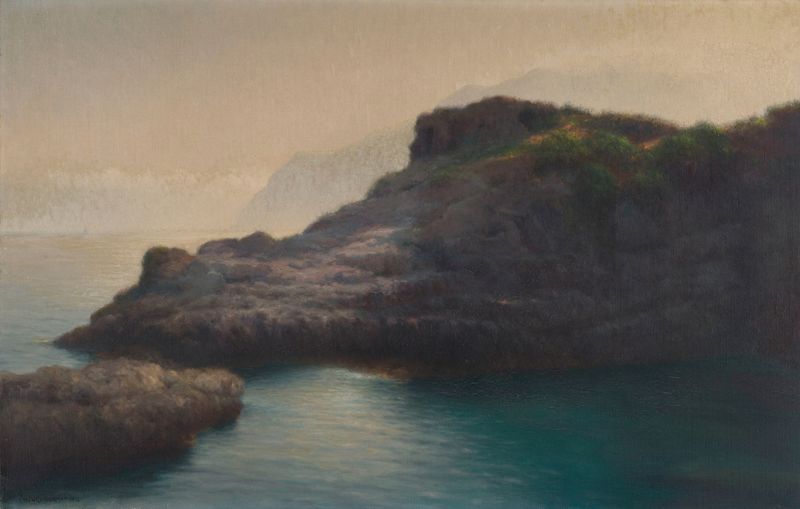
Cap de Sorrente
Henry Brokman
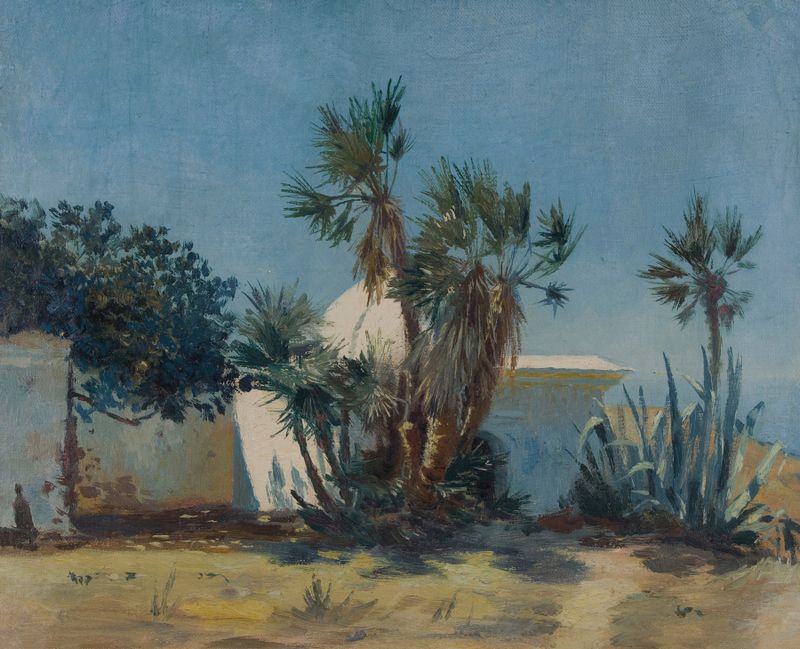
L’Oasis
Henry Brokman
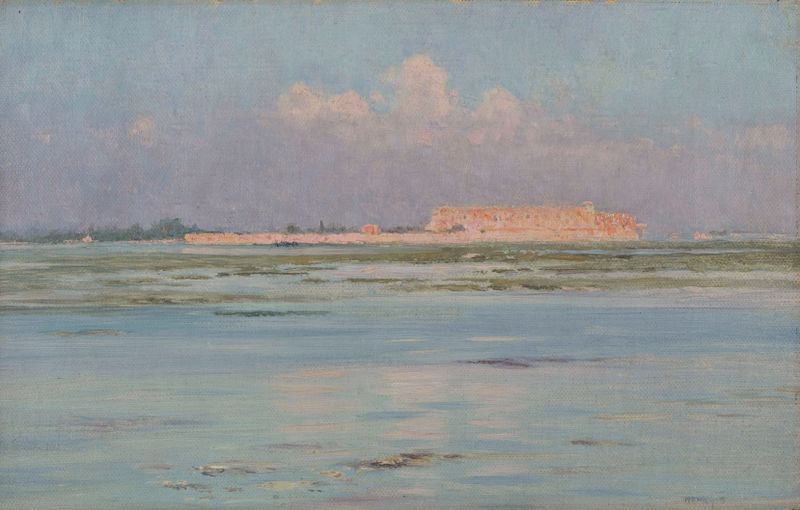
Le Temple De Louxor, Egypte
Henry Brokman
Terrasse De L’hôtel Cocumella
Henry Brokman
Rive du Nil, Egypte
Henry Brokman





