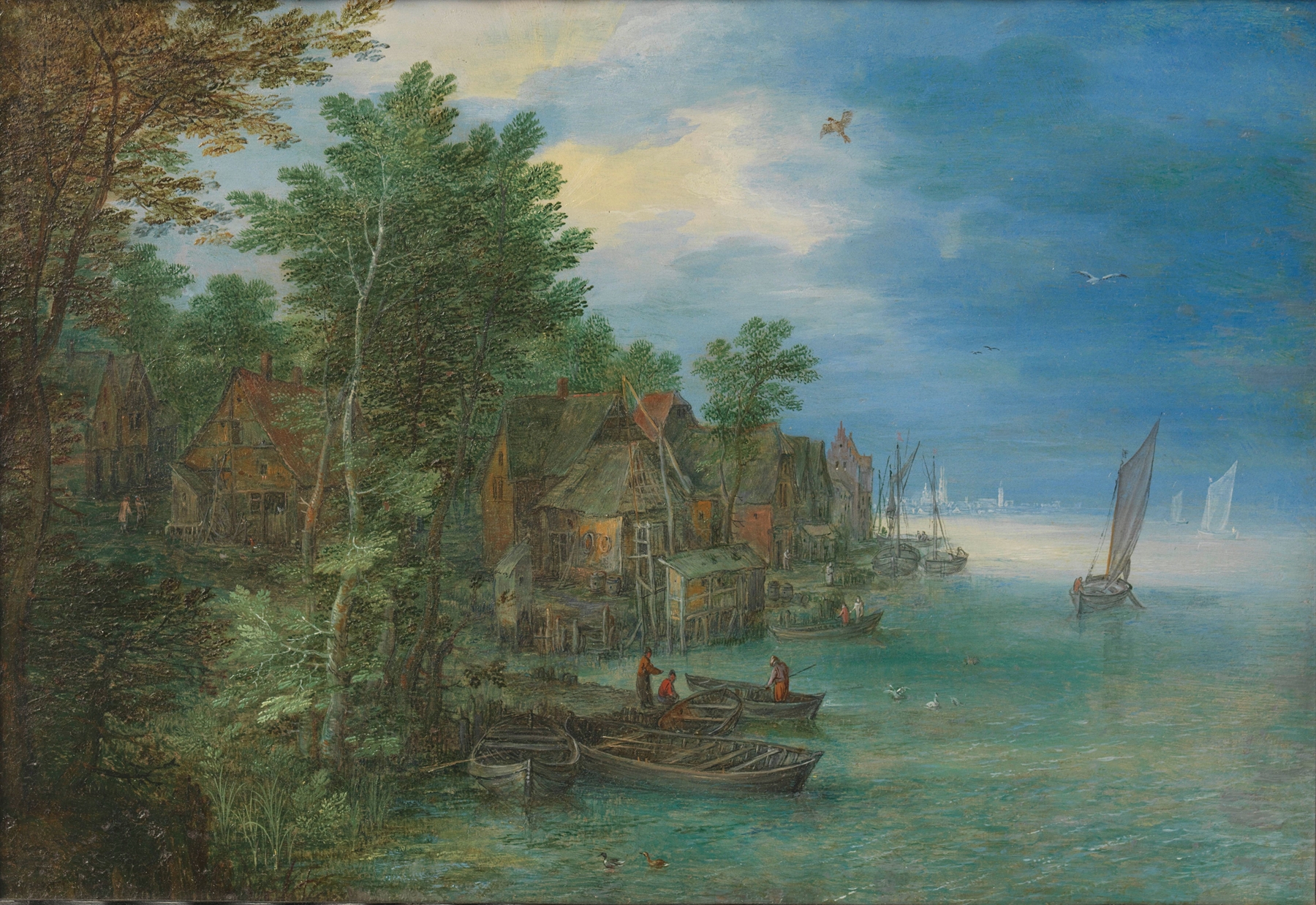
Travallers Attacked by Soldiers — History & Analysis
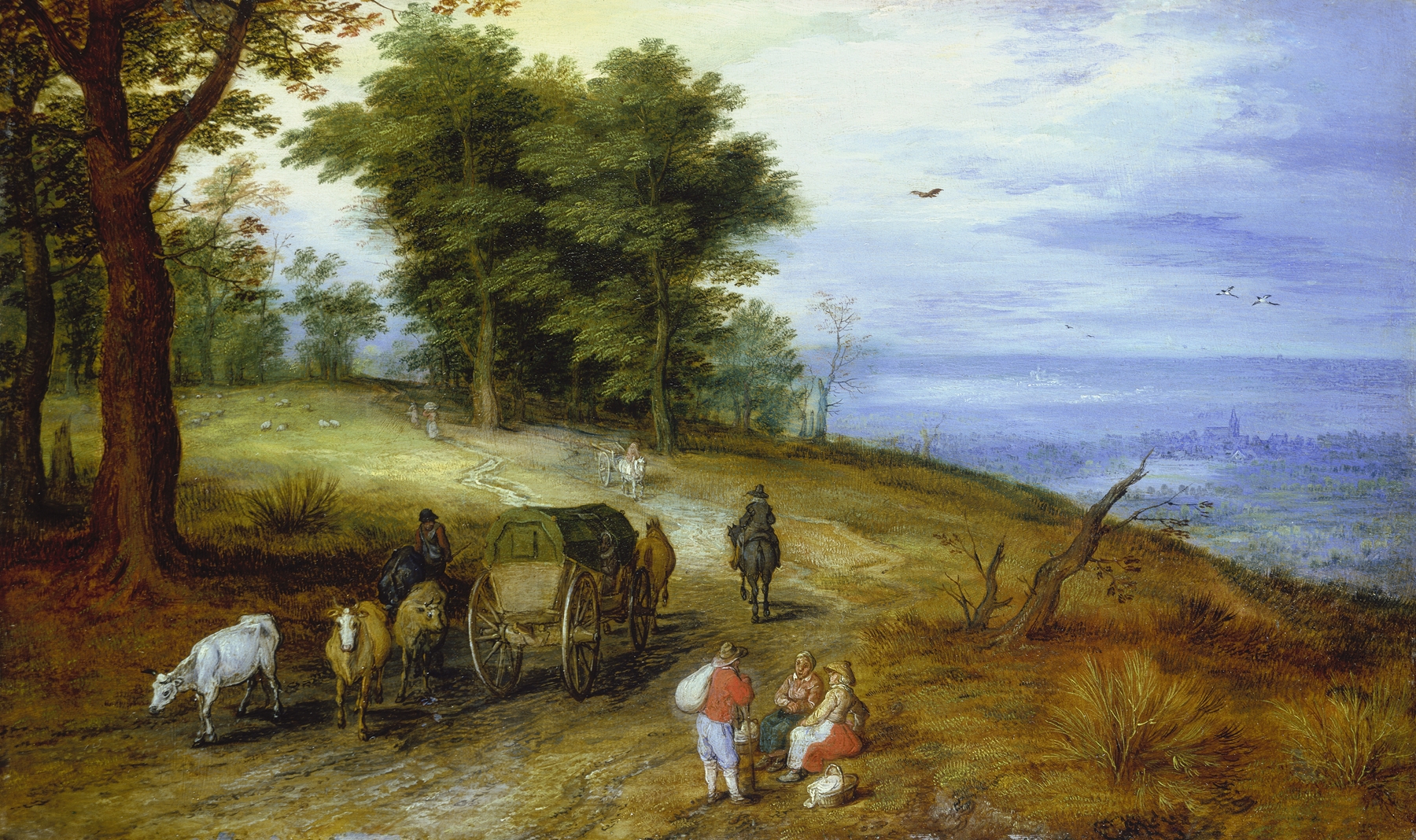
Did the painter know this moment would outlive them? The chaos depicted in this artwork echoes through time, inviting us to explore humanity's timeless struggles against the forces of oppression. Look to the center of the canvas, where a throng of travelers is caught in a moment of frantic desperation, their bodies intermingling in a tangle of limbs and emotion. Notice how the artist employs rich, earthy tones to ground the scene while sharp flashes of vibrant color—a crimson cloak here and a deep azure garment there—draw our eyes to the figures in peril.
The composition balances between turmoil and order, with shadows casting over the attackers, suggesting the looming threat of violence. Within the fray, subtle details emerge that deepen our understanding of the event. The expressions on the travelers' faces—fear, confusion, and defiance—contrast starkly with the rigid determination of their assailants. This tension speaks volumes about the human condition; the fragility of safety and the unpredictable nature of conflict are captured within a single frame.
The chaotic interplay of light and shadow enhances the emotional weight, with patches of light illuminating fleeting moments of hope amidst despair. In this piece, Jan Brueghel the Elder finds himself operating at the intersection of turmoil and artistry during a period when the tensions of the European landscape were palpable. Painted in the late 16th to early 17th century, his work reflects a world riven by conflict, where artistry served as both a commentary and a refuge amid chaos. This painting stands as a testament to his ability to encapsulate the human experience, crafting a moment that resonates through generations.