
Trees — History & Facts
This profound reflection encapsulates the essence of desire embodied in the strokes of a canvas, where fleeting moments seek permanence in color and form. In the swirling leaves and twisting trunks, one can sense the artist’s longing to capture the ephemeral beauty of nature. Look to the left at the vibrant greens, where the brushwork oscillates between frenetic energy and tranquil harmony. Notice how the light dances through the foliage, creating a mosaic of shadows that breathe life into the painting.
The rhythmic movement of the brushstrokes evokes a sense of wind, while the contrasting hues of blue and green draw the eye deeper into the canopy, inviting contemplation on the very nature of existence. Yet, beneath the surface lies a deeper tension — the interplay of chaos and calm. The entwined branches represent the struggle between freedom and confinement, while the vibrant colors hint at the ecstasy and anguish of yearning. This duality resonates with anyone who has felt the pull of desire, making the work a poignant reminder of both our aspirations and the inevitability of loss. During a period when van Gogh created Trees, likely in the late 1880s, he was living in the south of France, grappling with his mental health while experimenting with bold colors and emotional expression.
This era marked his departure from realism, as he sought a deeper truth through abstraction. The art world was beginning to embrace post-impressionism, allowing him to explore his passions in new and transformative ways.
More Artworks by Vincent van Gogh
Browse all →
Starry Night
Vincent van Gogh
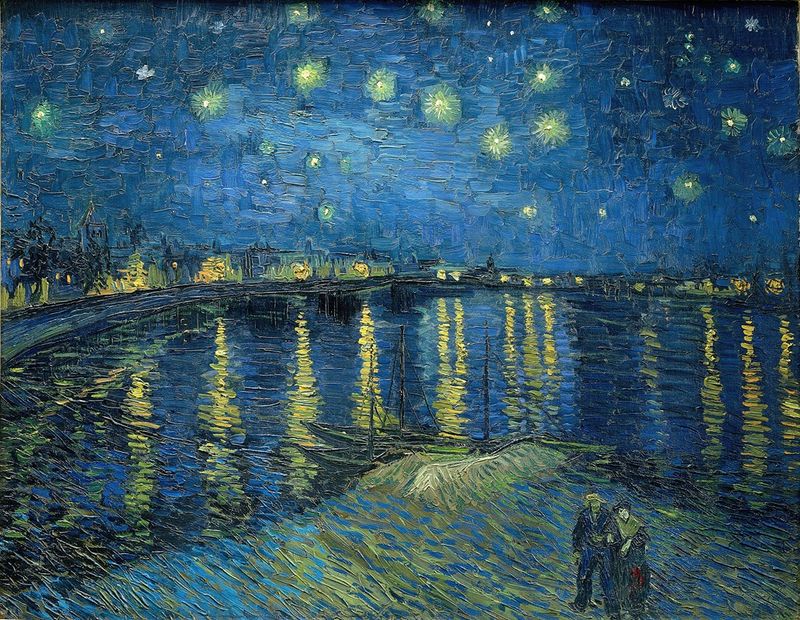
Starry Night over the Rhone
Vincent van Gogh
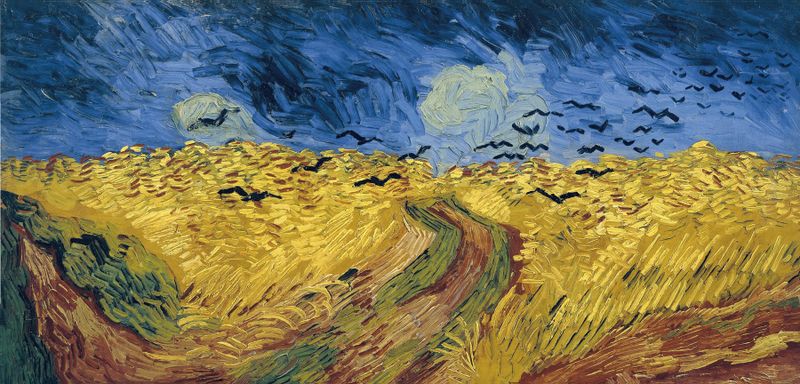
Wheatfield with Crows
Vincent van Gogh
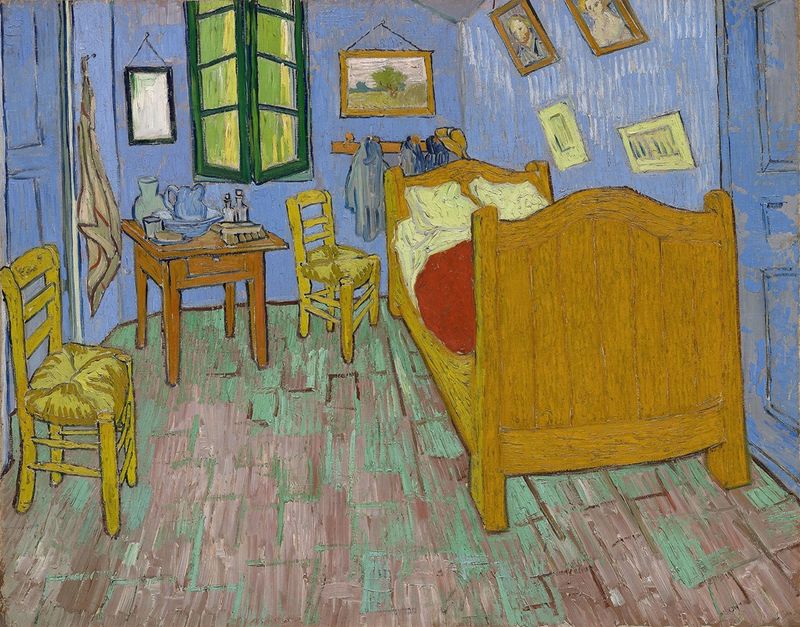
The Bedroom
Vincent van Gogh
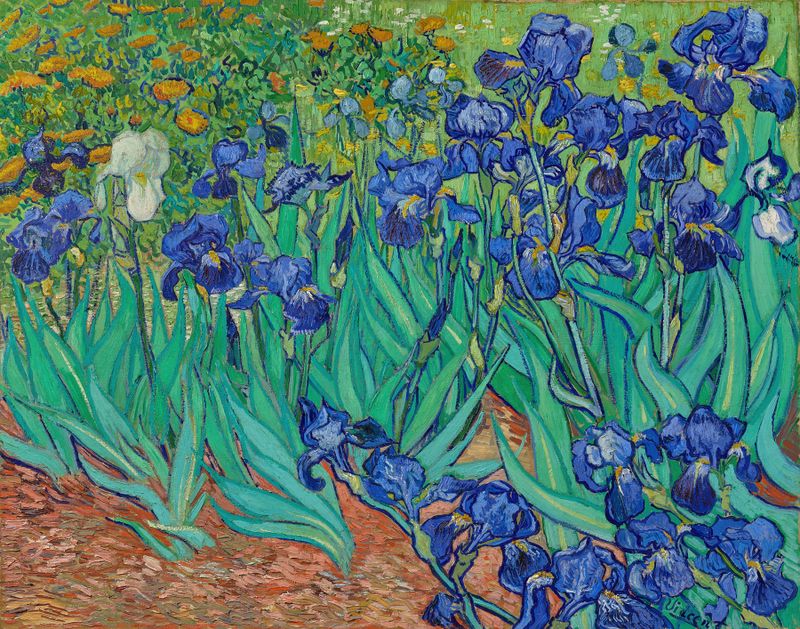
Irises
Vincent van Gogh
Almond tree in blossom
Vincent van Gogh

The yellow house
Vincent van Gogh

Portrait of Dr Gachet
Vincent van Gogh

The Church in Auvers-sur-Oise, View from the Chevet
Vincent van Gogh
Olive Trees
Vincent van Gogh





