Discover insights about this artwork
Trees and house, Provence — History & Facts
In Trees and House, Provence, Paul Cézanne captures a serene landscape filled with lush greenery. The painting features a cluster of trees in vibrant greens, contrasting with the warm tones of a quaint house nestled among them. The sky is painted in soft blues, suggesting a calm day in the countryside.
This composition invites the viewer to immerse themselves in the tranquil atmosphere of Provence. Cézanne employs thick brushstrokes and a rich palette to create depth and texture in the painting. The trees are depicted with a sense of volume, while the house is rendered in a simplified yet recognizable form. The use of color is particularly striking, with the interplay of light and shadow enhancing the natural beauty of the scene.
This work exemplifies Cézanne's unique approach to landscape painting, blending realism with a personal interpretation. Paul Cézanne, a key figure in the transition from Impressionism to Post-Impressionism, created this work during his time in Provence. This region deeply influenced his artistic vision, as he sought to capture the essence of the landscape. An interesting fact about Trees and House, Provence is that it reflects Cézanne's desire to depict nature not just as it appears, but as it feels, emphasizing emotional resonance over mere representation.
More Artworks by Paul Cézanne
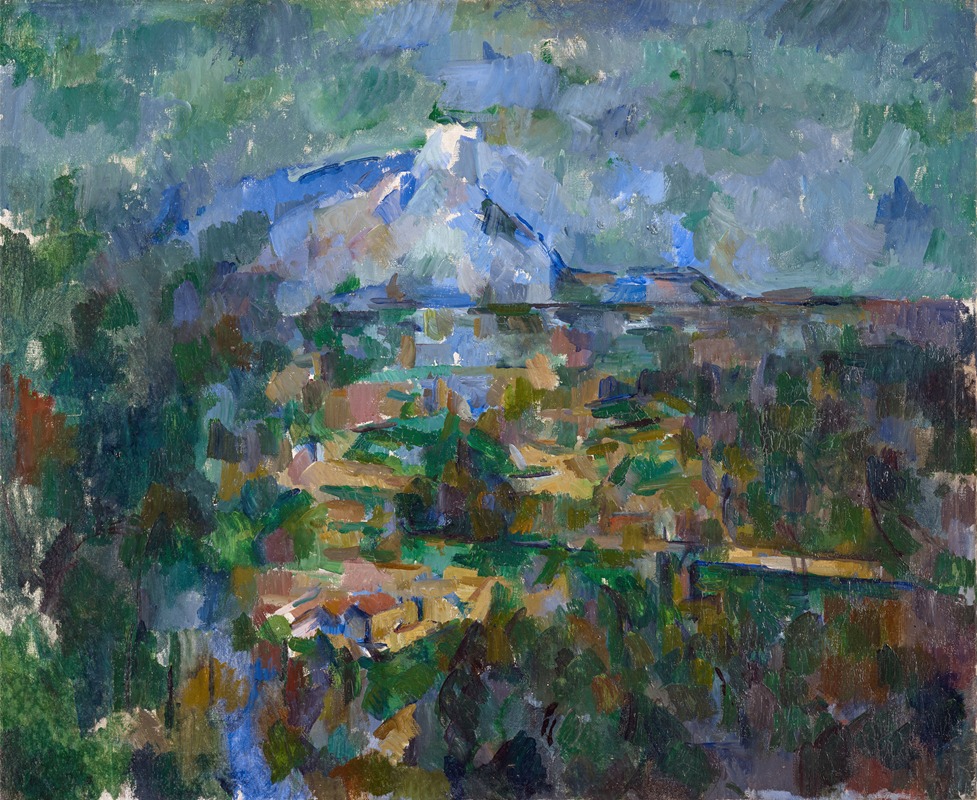
The Mont Sainte-Victoire Seen From Les Lauves
Paul Cézanne
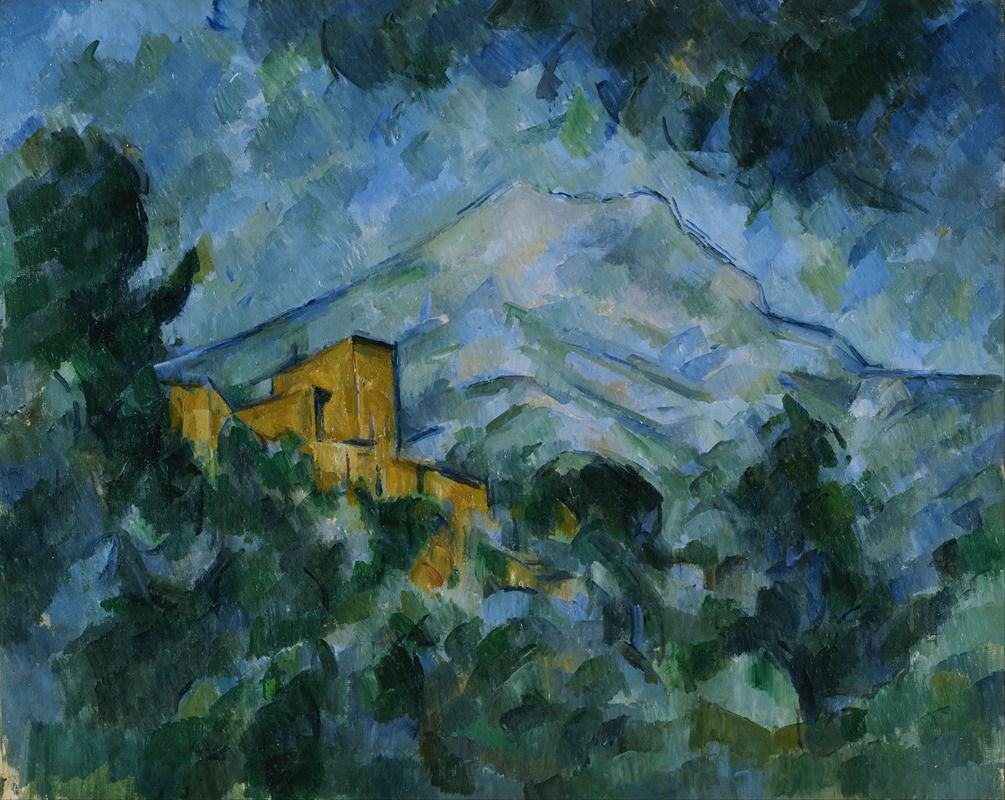
Mont Sainte-Victoire and Château Noir
Paul Cézanne
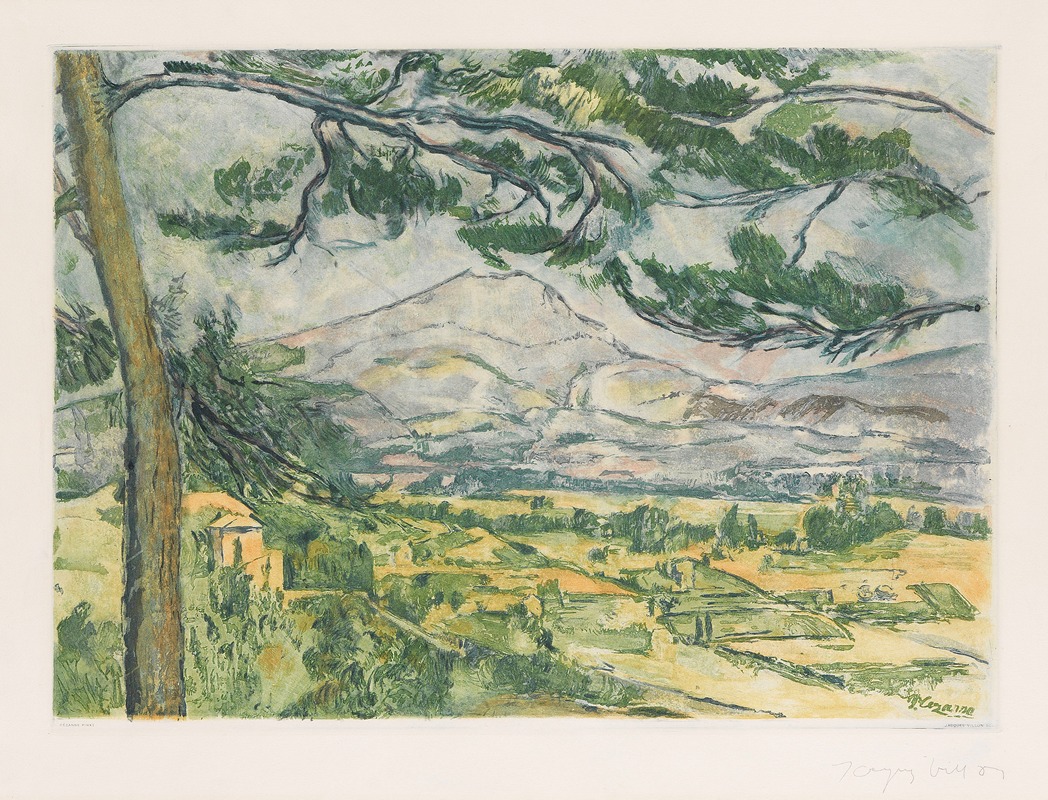
La Montagne Sainte-Victoire
Paul Cézanne
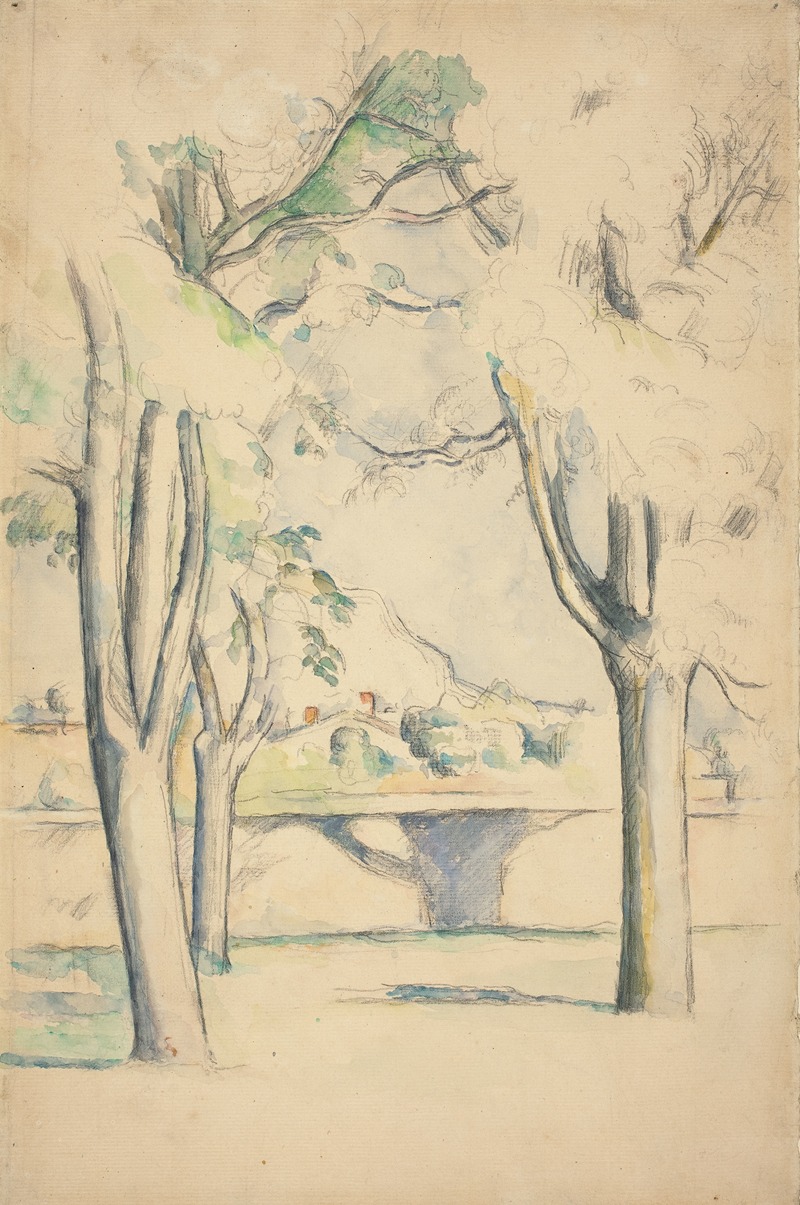
Mont Sainte-Victoire Seen beyond the Wall of the Jas de Bouffan
Paul Cézanne
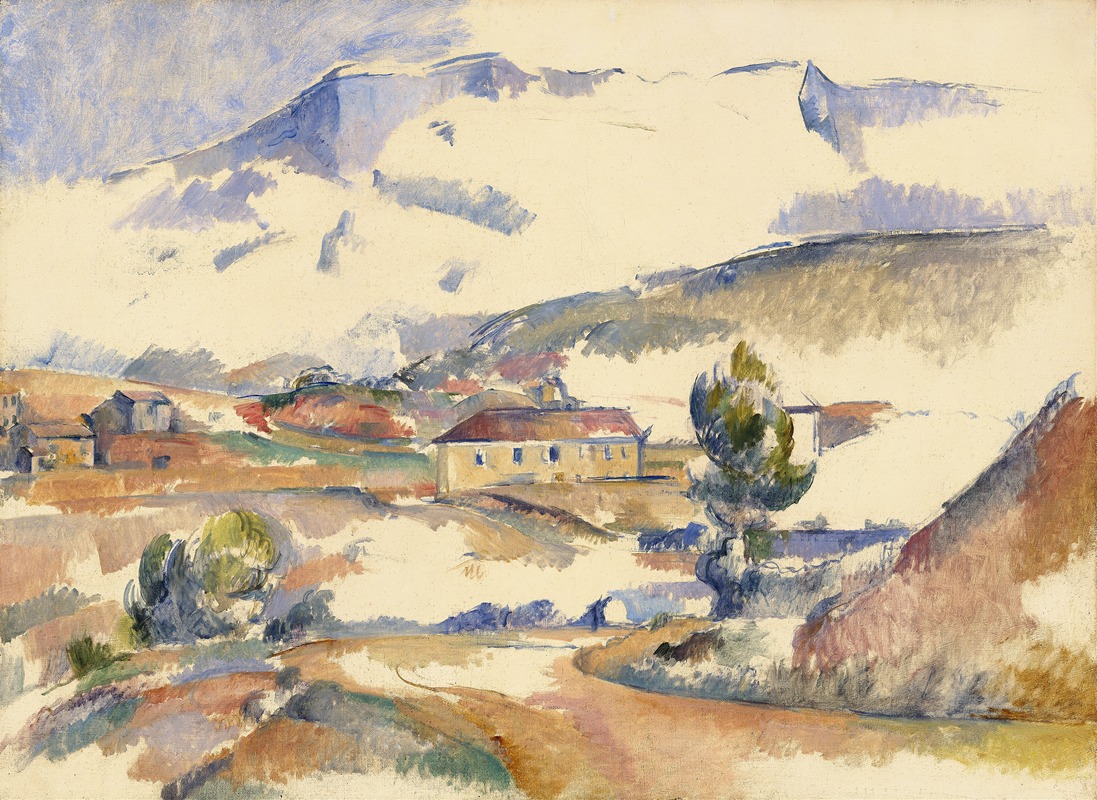
Montagne Sainte-Victoire,from near Gardanne
Paul Cézanne
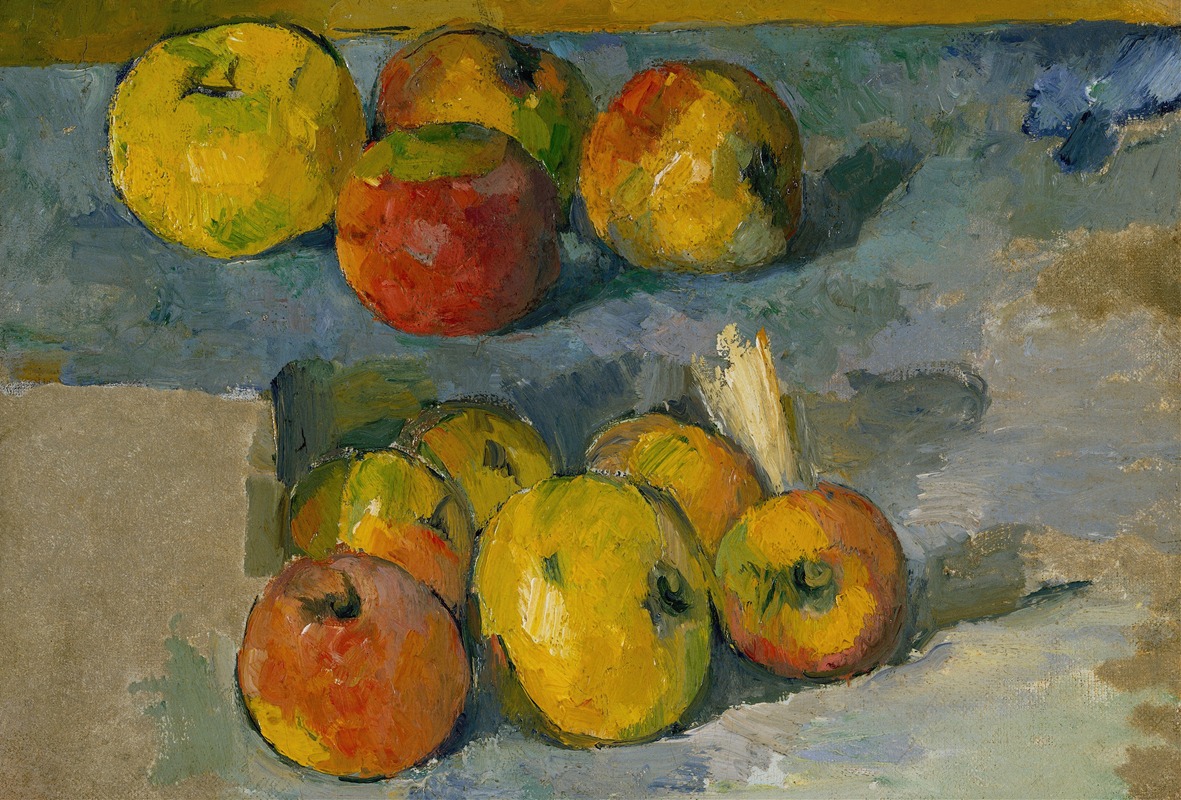
Apples
Paul Cézanne
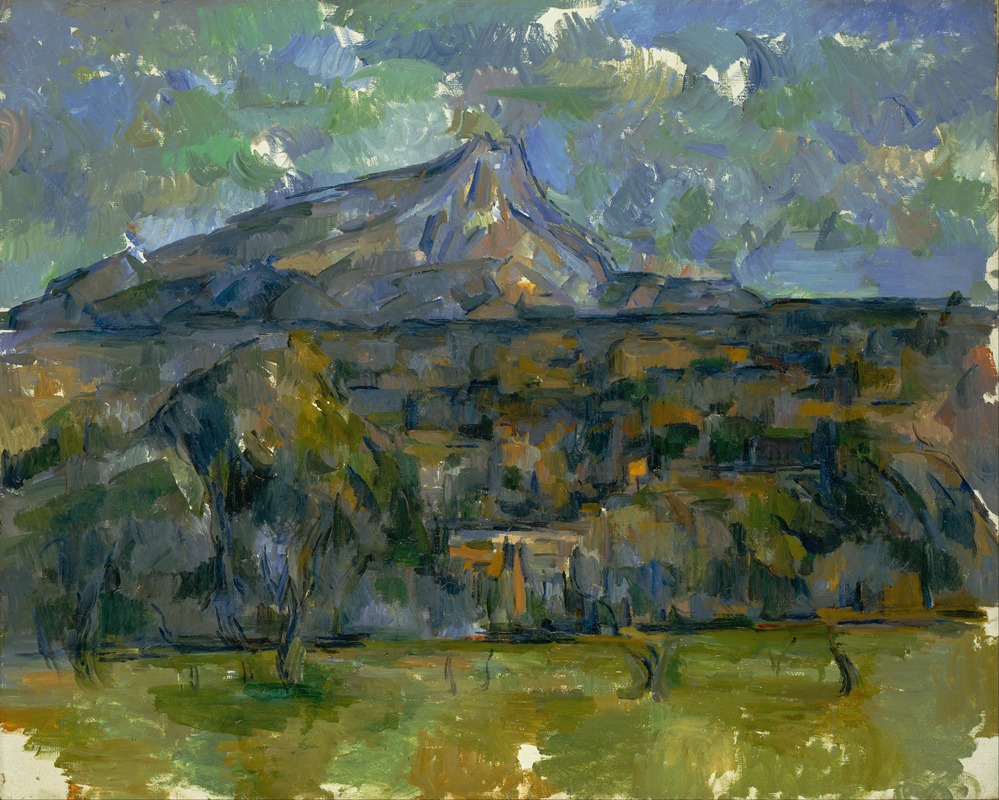
Mont Sainte-Victoire
Paul Cézanne
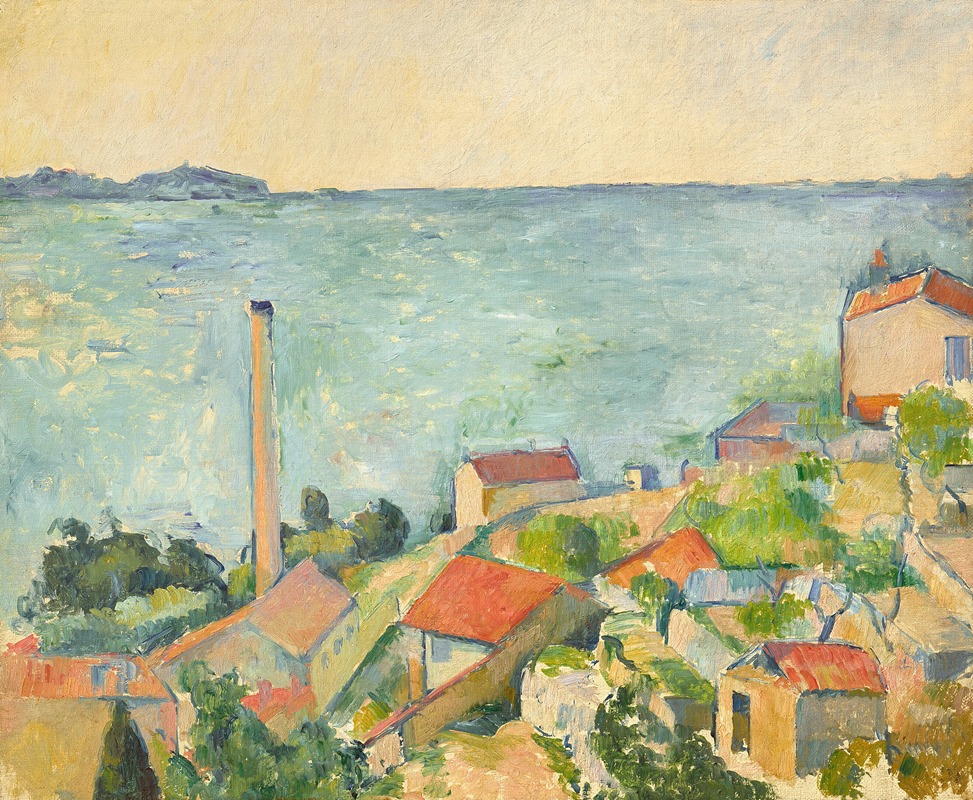
La mer à l’Estaque
Paul Cézanne
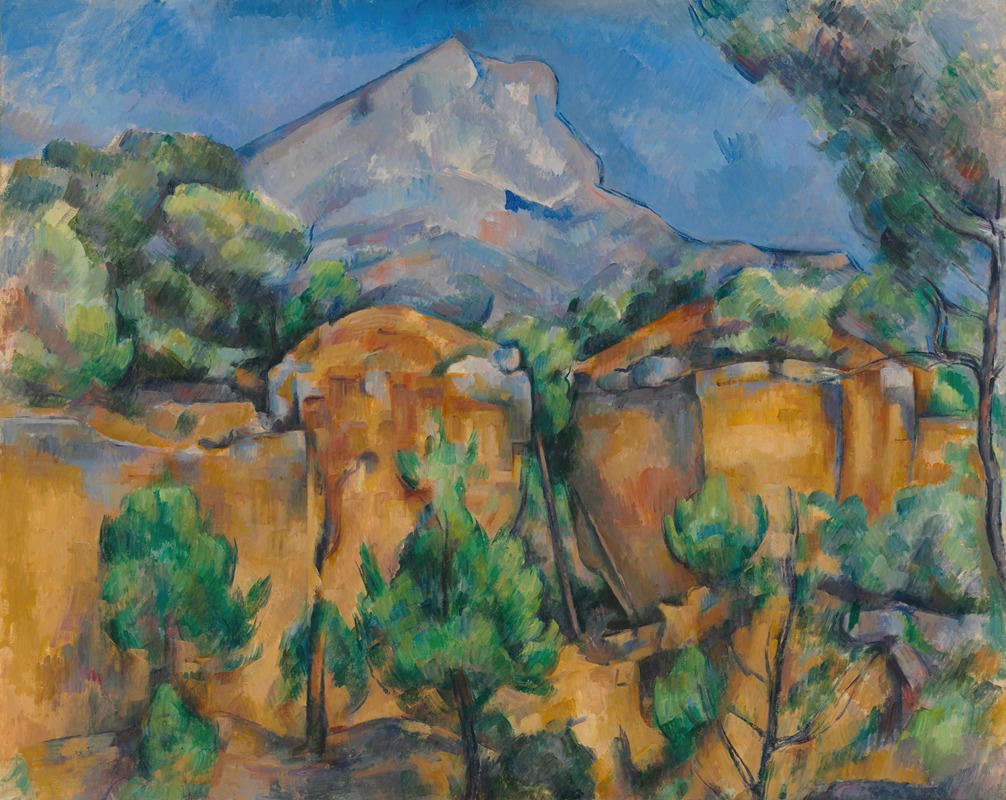
La Montagne Sainte-Victoire vue de la carrière Bibémus
Paul Cézanne
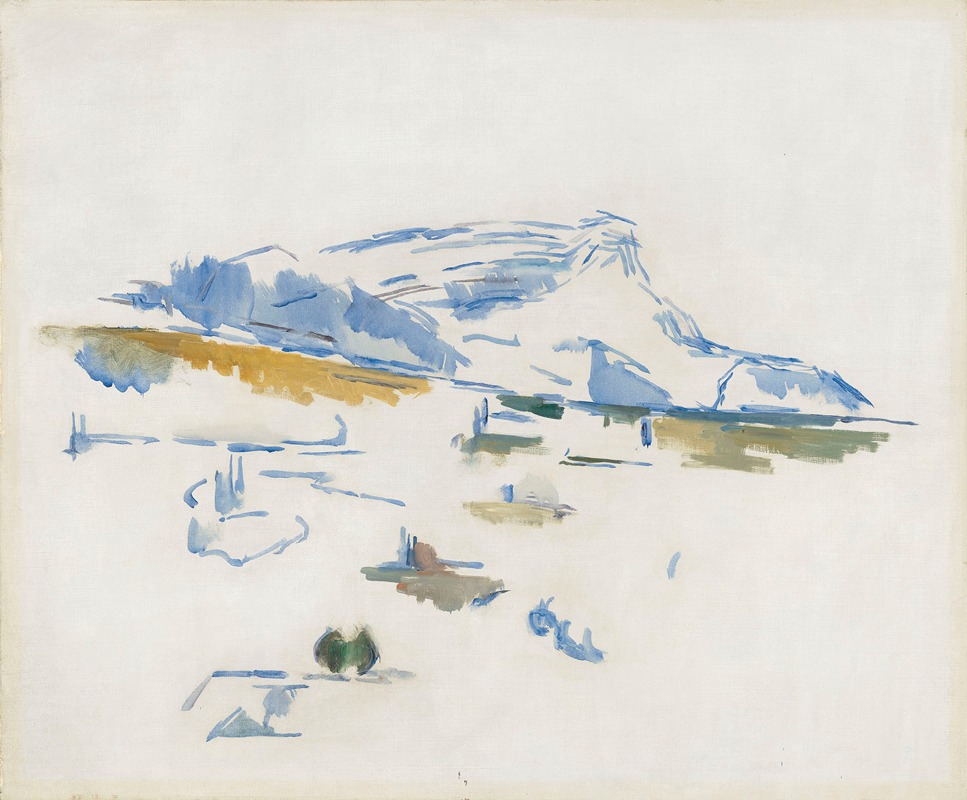
La Montagne Sainte-Victoire vue des Lauves
Paul Cézanne