
Trees and undergrowth — History & Facts
What secret hides in the quiet of the canvas? In a world bustling with noise and haste, the stillness of nature often whispers untold stories, inviting us to listen closely. Look to the left at the dark, gnarled trunks of the trees, their twisting forms anchoring the composition. The vibrant greens and browns blend seamlessly, with dabs of paint that pulse with life, evoking a sense of movement in the undergrowth. Notice how the light filters through the branches, casting intricate shadows on the forest floor, creating a dance of illumination that guides your eye deeper into the scene.
Each brushstroke speaks of the artist’s hand, revealing a technique that oscillates between the chaotic and the harmonious. Yet, beneath the surface lies an emotional undercurrent. The juxtaposition of the lively greenery against the deep, enveloping shadows suggests a tension between vitality and solitude. The play of light and dark evokes a sense of nostalgia, as if the viewer is peering into a cherished memory mingled with a touch of melancholy.
This duality encapsulates the essence of life itself: a dance of joy interwoven with moments of reflection. In the summer of 1887, the artist, seeking refuge in nature, painted this work while living in Paris. During this period, Van Gogh was exploring color theory and the Impressionist movement, influenced by both the vibrant city life and the tranquility of rural landscapes. His experimentation with brushwork and palette reflected his evolving style, as he grappled with his identity and artistic purpose amidst the bustling art world.
More Artworks by Vincent van Gogh
Browse all →
Starry Night
Vincent van Gogh
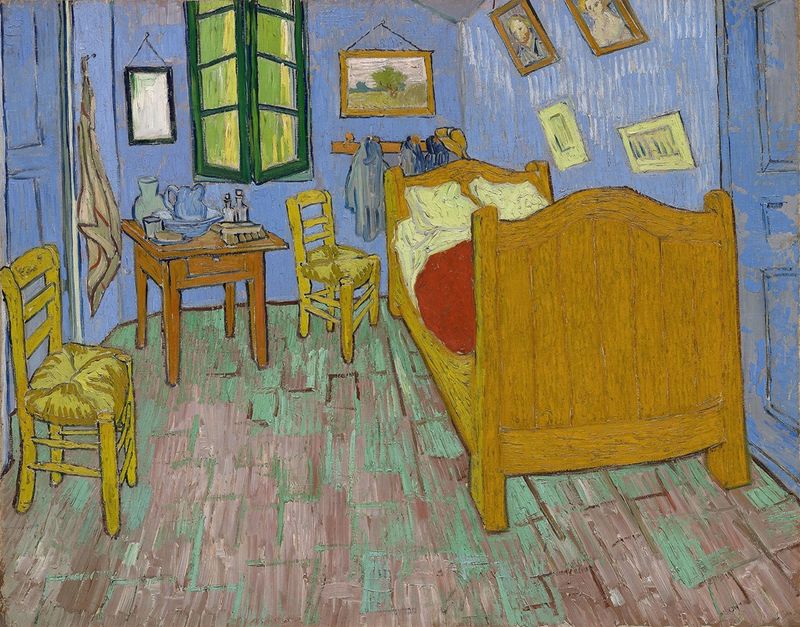
The Bedroom
Vincent van Gogh
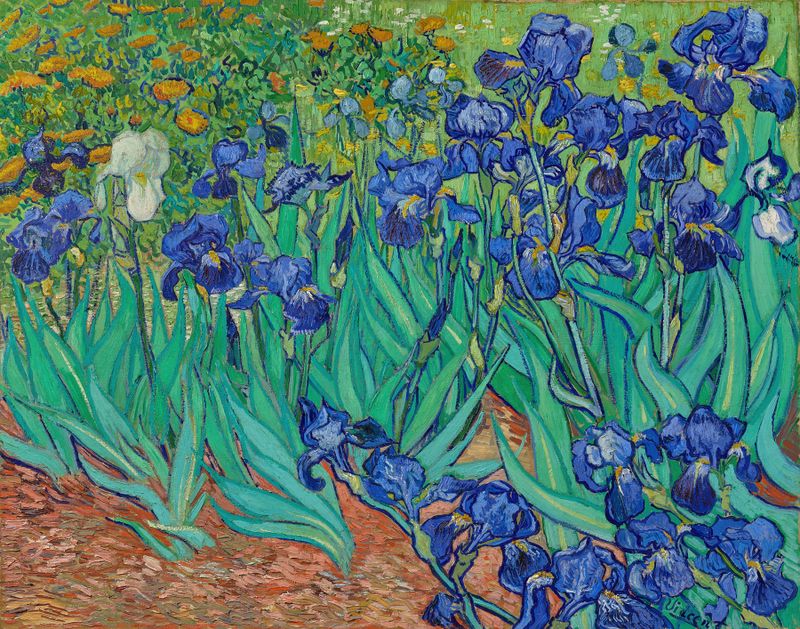
Irises
Vincent van Gogh
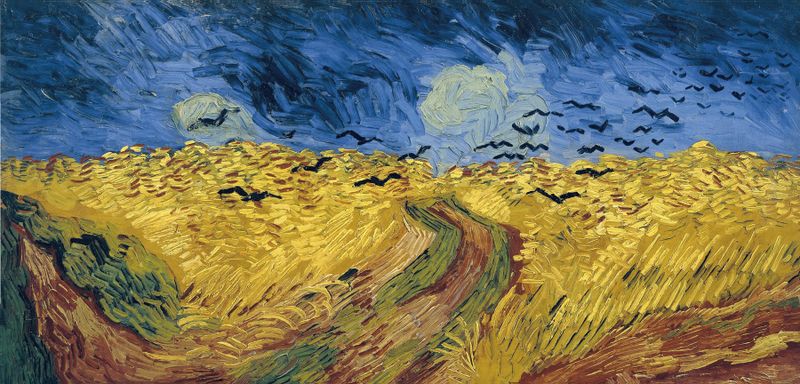
Wheatfield with Crows
Vincent van Gogh
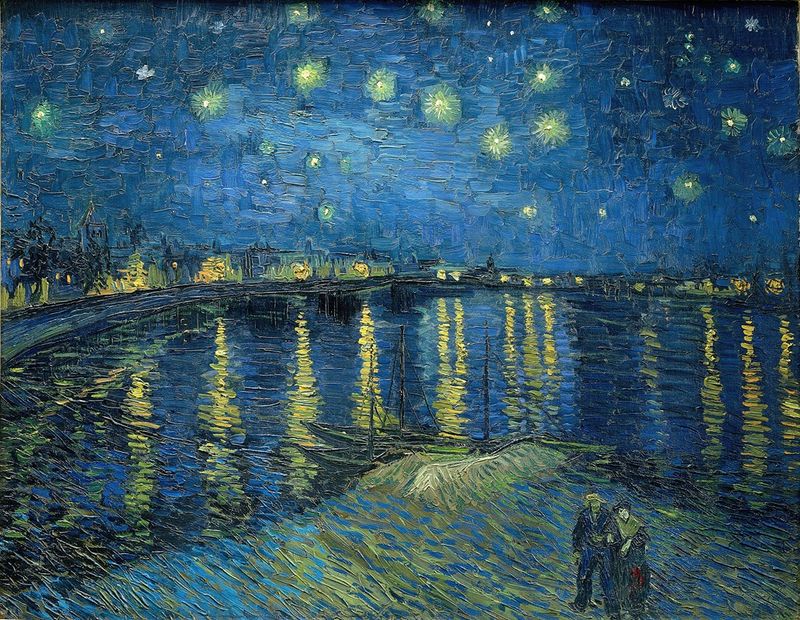
Starry Night over the Rhone
Vincent van Gogh

The yellow house
Vincent van Gogh
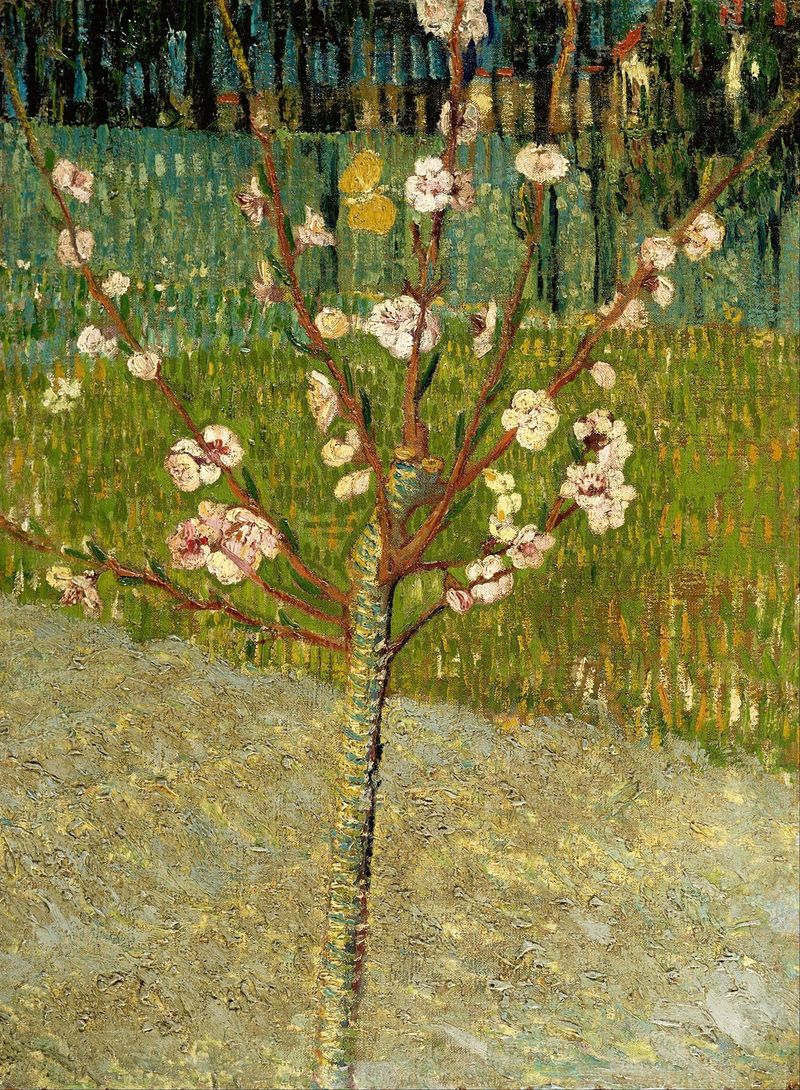
Almond tree in blossom
Vincent van Gogh

Portrait of Dr Gachet
Vincent van Gogh

The Church in Auvers-sur-Oise, View from the Chevet
Vincent van Gogh

Self-Portrait
Vincent van Gogh





