
Trepanning a Recruit — History & Facts
Where does light end, and longing begin? In this evocative moment, shadows entwine with human experience, revealing the silent battle between pain and hope. Look closely at the figures in the foreground, where a surgeon hunches over his patient, the tension palpable as he prepares for the trepanation. The stark contrast of warm ochres and cool blues draws the eye, directing it first to the surgeon's intense concentration, then to the shadowy corners that hint at the gravity of the situation. The light falls dramatically upon the patient’s face, capturing both fear and vulnerability, while the muted tones envelop the others in the background, amplifying the emotional weight of this medical procedure. Beneath the surface of this intense scene lies a commentary on the fragility of life.
The act of trepanning, an ancient yet controversial medical practice, reflects the era's struggle with understanding the human condition and the often tenuous grasp on life and death. The skilled yet grim nature of the surgeon's task speaks to the delicate balance between hope for healing and the fear that accompanies it. The shadows, deeply interwoven in the composition, serve as a metaphor for uncertainty and the unseen struggles that define human existence. Created around 1790, this piece emerged during a time of great change in the world of art and medicine.
George Morland, known for his depictions of rural life and the human experience, painted this work while exploring themes of realism and emotional depth. The late 18th century was marked by both scientific advancement and a growing interest in the human psyche, offering a rich backdrop for Morland’s exploration of life’s most profound challenges.
More Artworks by George Morland
Browse all →
The Bell Inn
George Morland
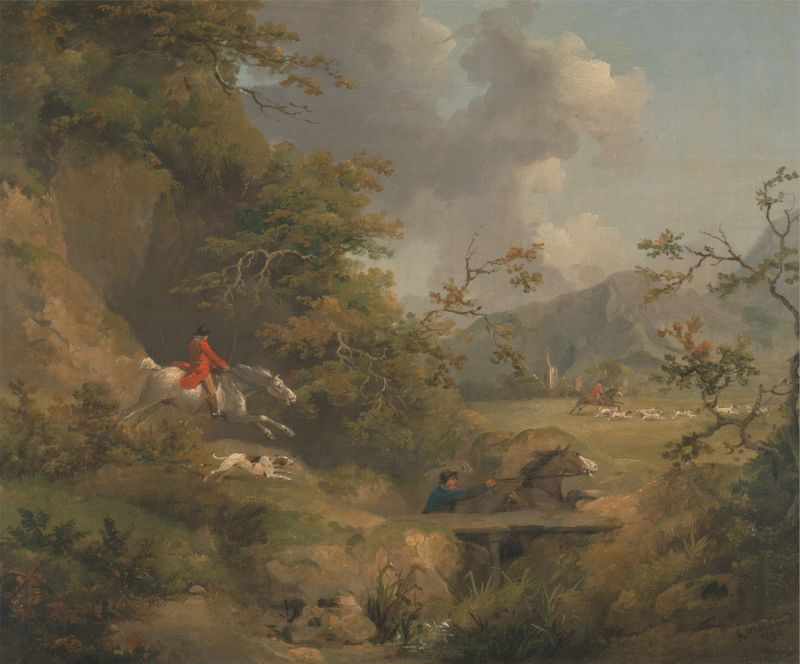
Foxhunting in Hilly Country
George Morland

View at Enderby, Leicestershire
George Morland

Pheasant Shooting
George Morland

The Mail Coach
George Morland

Rocky Landscape with Two Men on a Horse
George Morland
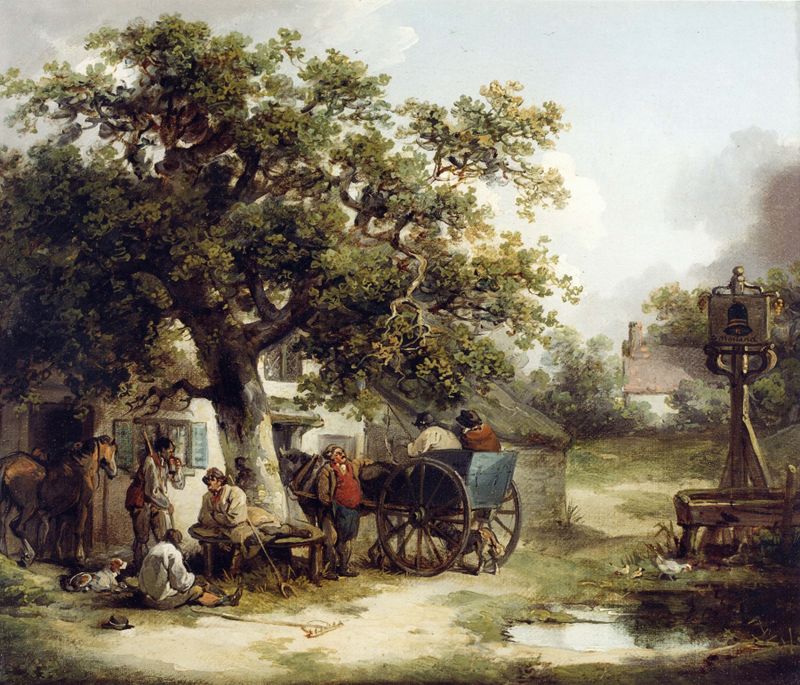
The Bell Inn, Kilburn
George Morland

Landscape
George Morland

A Country Inn
George Morland

Boats
George Morland
More Historical Art
Browse all →
The Night Watch Militia Company of District II under the Command of Captain Frans Banninck Cocq
Rembrandt van Rijn

Lincoln Memorial
Henry Bacon

The Third of May 1808
Francisco de Goya

Isaac and Rebecca, Known as ‘The Jewish Bride’
Rembrandt van Rijn

The Charge of the Mamelukes (1814)
Francisco de Goya

De vier ruiters van de apocalyps
Albrecht Dürer