
Trial of Filipe do Santos. — History & Facts
What first seizes the eye in Trial of Filipe do Santos is the electric tension between the crowd and the condemned, the entire square caught in a moment where justice and power are on public display. The painter draws us into the scene with a swirl of bodies, faces, and gestures: the man in the torn white shirt, pushed forward and defiant, is surrounded by a dense press of onlookers, soldiers, and officials. The architecture frames the drama—balconies packed with spectators, a whitewashed church standing silent witness, and smoke rising in the distance, hinting at violence beyond the frame.
The palette is earthy and restless, the brushwork loose and urgent, as if the artist wanted to trap the chaos of the moment before it could settle into legend. Painted around 1923 by Antonio Parreiras, this work looks back two centuries to the revolt that shook colonial Brazil in 1720. Such historical scenes were a favored genre in the early twentieth century, when artists across Latin America revisited moments of rebellion and repression to probe questions of national identity and collective memory. These paintings were often commissioned for public institutions or civic spaces, intended to instruct as much as to commemorate.
While little is recorded about the journey of this particular canvas, its presence in a collection today is a reminder of how the past is staged and restaged for each new generation. The viewer is left to decide where sympathy lies, and to wonder what echoes of this trial still linger in the square’s dusty light.
More Artworks by Antonio Parreiras

The Gale
Antonio Parreiras
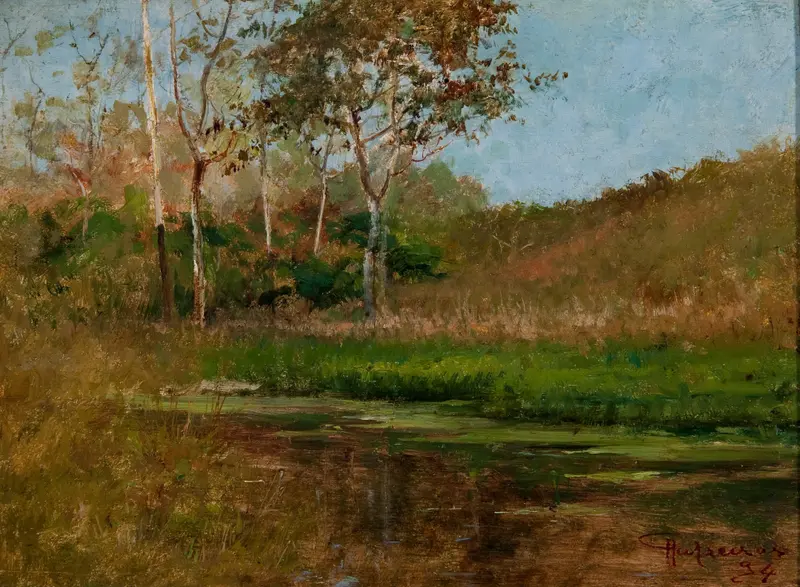
Still Water
Antonio Parreiras
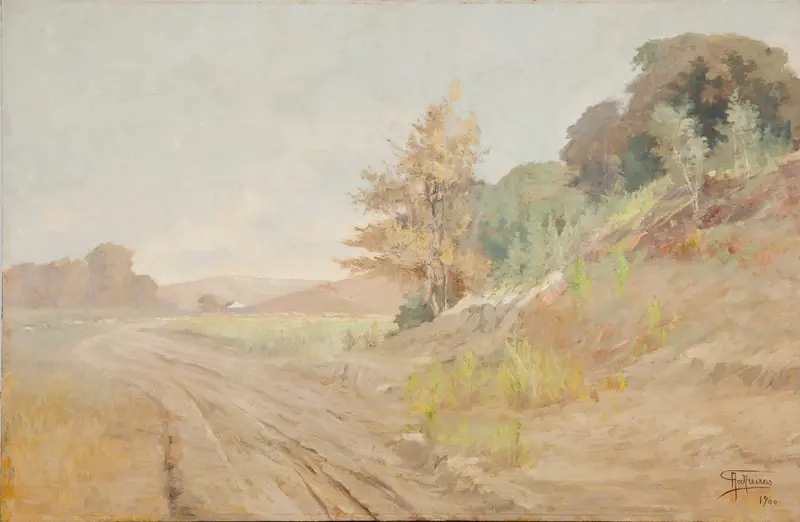
Hazy Day
Antonio Parreiras
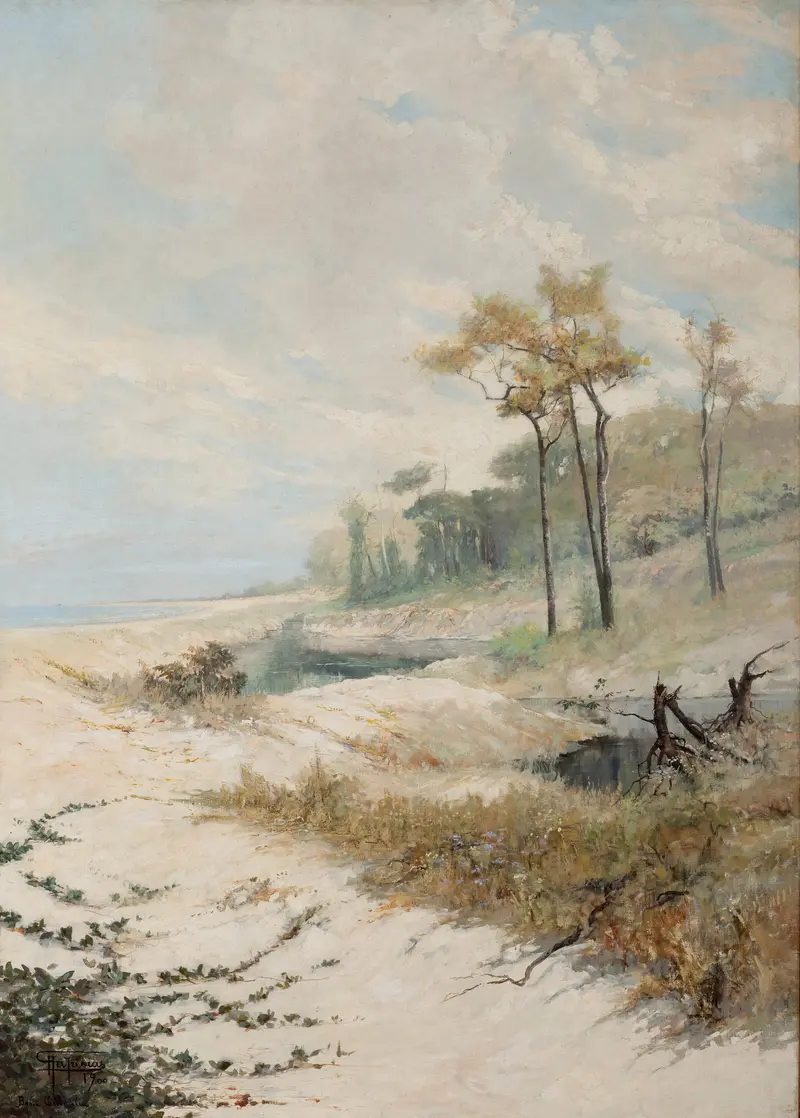
Cabrália Bay
Antonio Parreiras
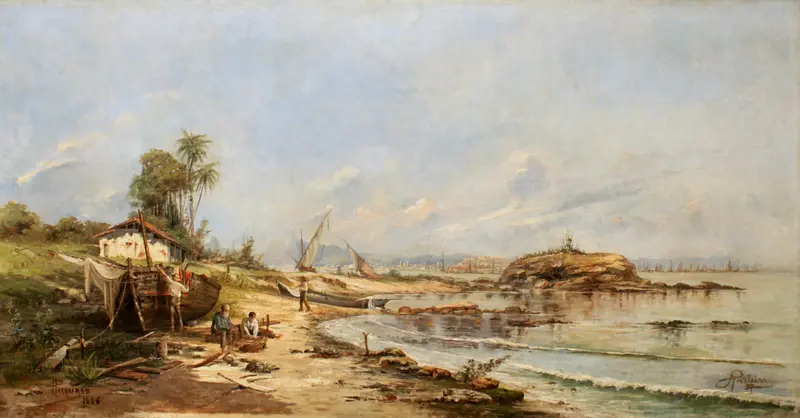
Gragoatá after the storm
Antonio Parreiras

Funeral in San Donà, Italy
Antonio Parreiras
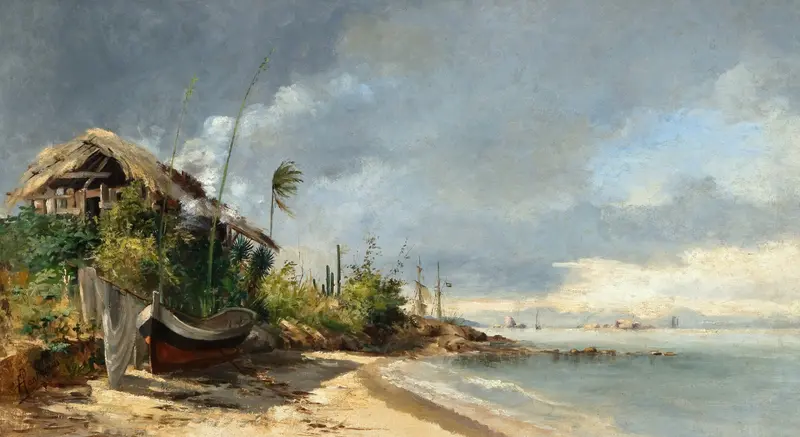
A View of the Beach, São Domingos, Niterói, RJ
Antonio Parreiras
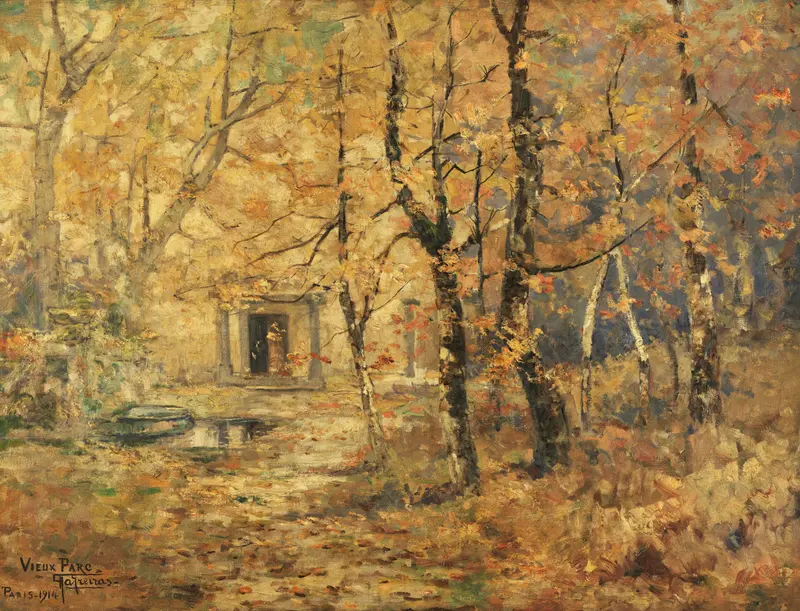
Vieux Parc, Paris
Antonio Parreiras

Sorrowful
Antonio Parreiras
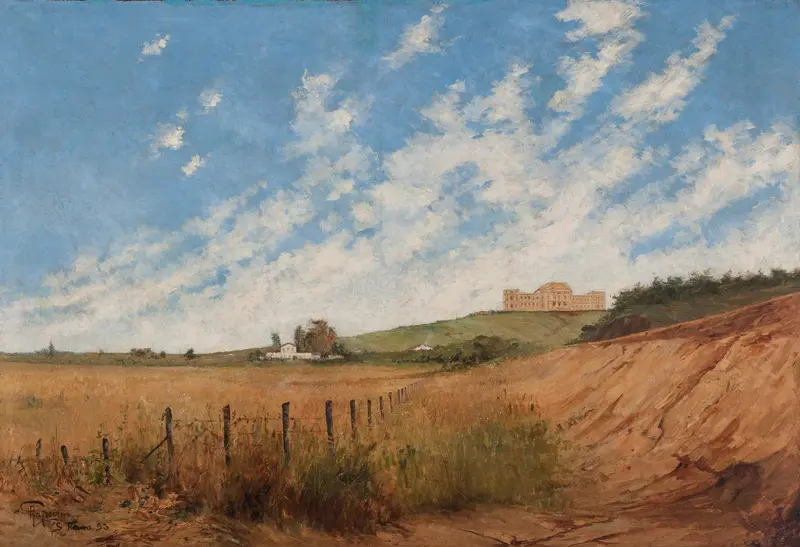
Paisagem do Campo do Ipiranga
Antonio Parreiras





