
Triomf van Mirjam — History & Facts
When did color learn to lie? In the vibrant strokes of the canvas, the divine tension between reality and illusion unfolds, beckoning the viewer to question the very nature of existence. Focus on the figures at the forefront: a commanding presence, draped in garments that shimmer with an almost ethereal quality. The artist employs a rich palette, with deep blues and radiant golds, to elevate the subject’s celestial aura, suggesting a narrative beyond the earthly realm. Notice how the intricate details of the surrounding landscape recede into softer hues, emphasizing the divine figure’s prominence, while the meticulous brushwork invites the viewer into a moment both sacred and sublime. The interplay of light and shadow creates a dichotomy that resonates throughout the piece.
The luminous figure stands juxtaposed against a darker background, symbolizing the struggle between the spiritual and the mundane. Hidden motifs, like the faintly drawn celestial symbols, hint at deeper theological meanings, urging us to ponder the relationship between divinity and humanity. Each brushstroke serves as a reminder of the artist's intent to convey a message that transcends time, reflecting the eternal search for enlightenment amid human chaos. Created between 1520 and 1562, this work emerges from a period marked by intense religious transformation in Europe.
The Monogrammist AC, whose identity remains shrouded in mystery, produced this piece during the height of the Reformation, when art served not only as a means of expression but also as a vehicle for conveying powerful spiritual truths. In this era, the tactile relationship between color and divinity took on new dimensions, reflecting society's quest for meaning amidst profound change.
More Artworks by Monogrammist AC (16e eeuw)
Browse all →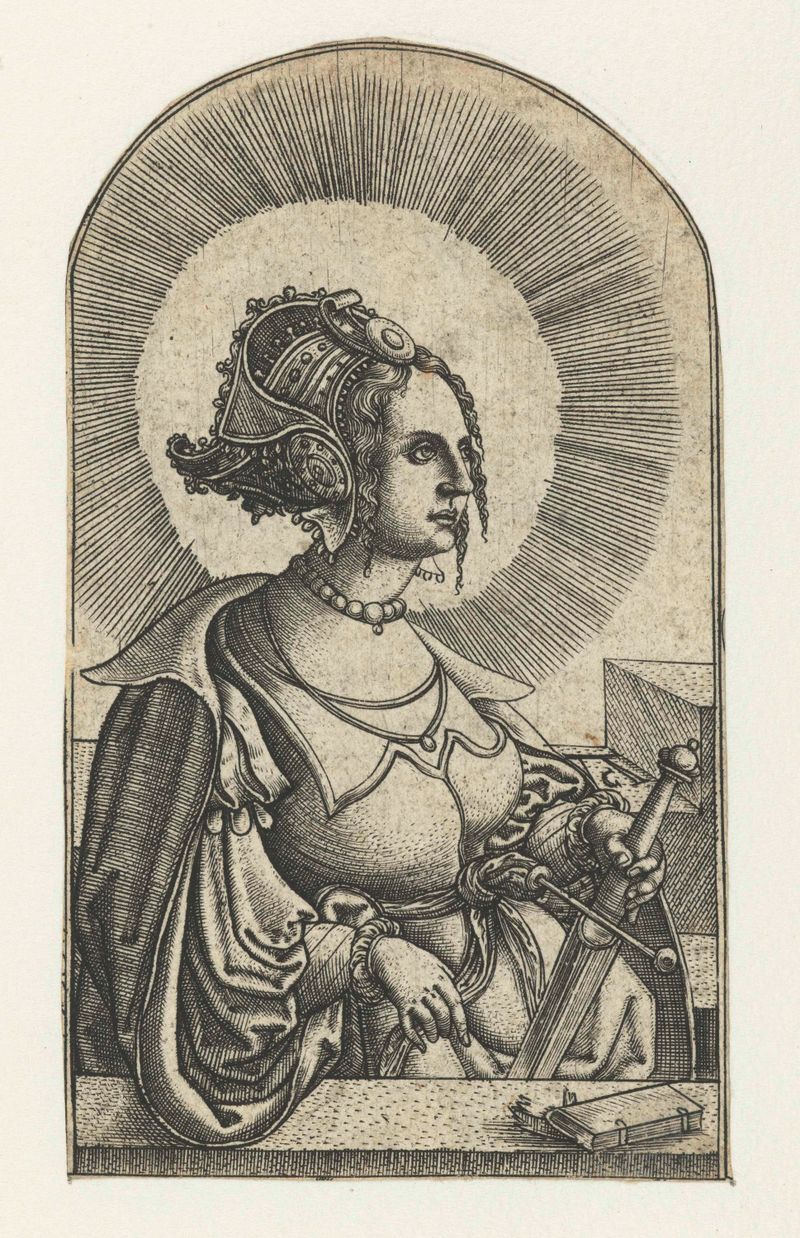
Heilige Catharina
Monogrammist AC (16e eeuw)
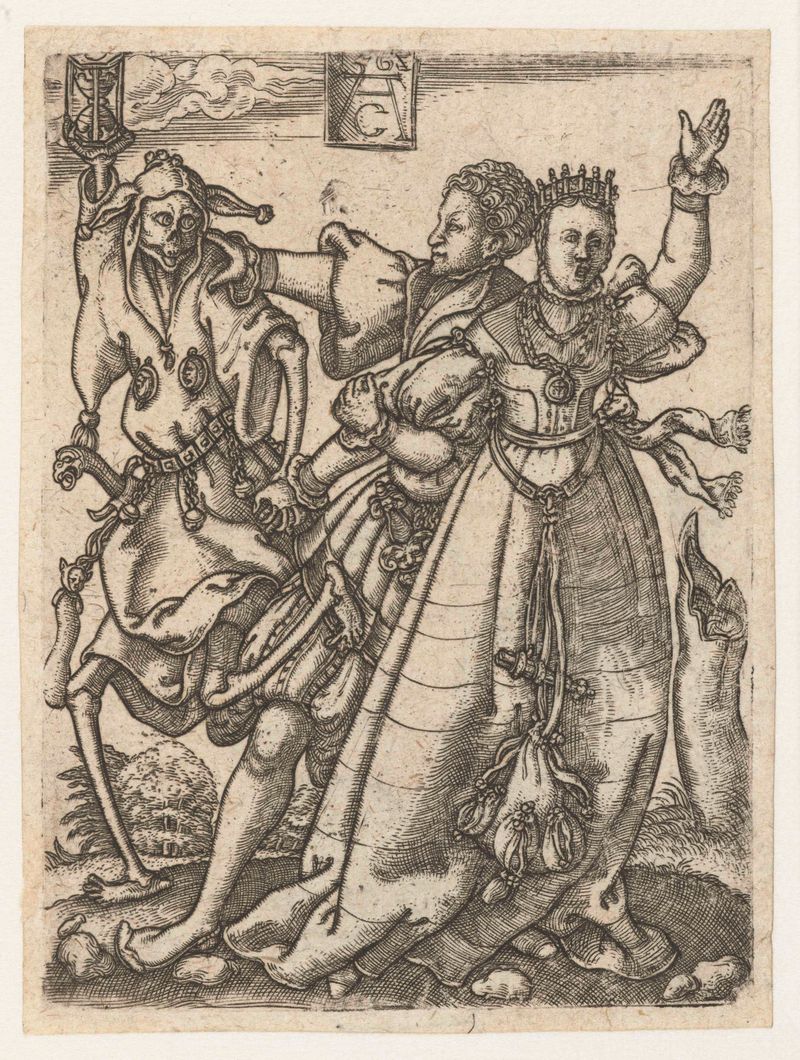
Echtpaar met de Dood
Monogrammist AC (16e eeuw)
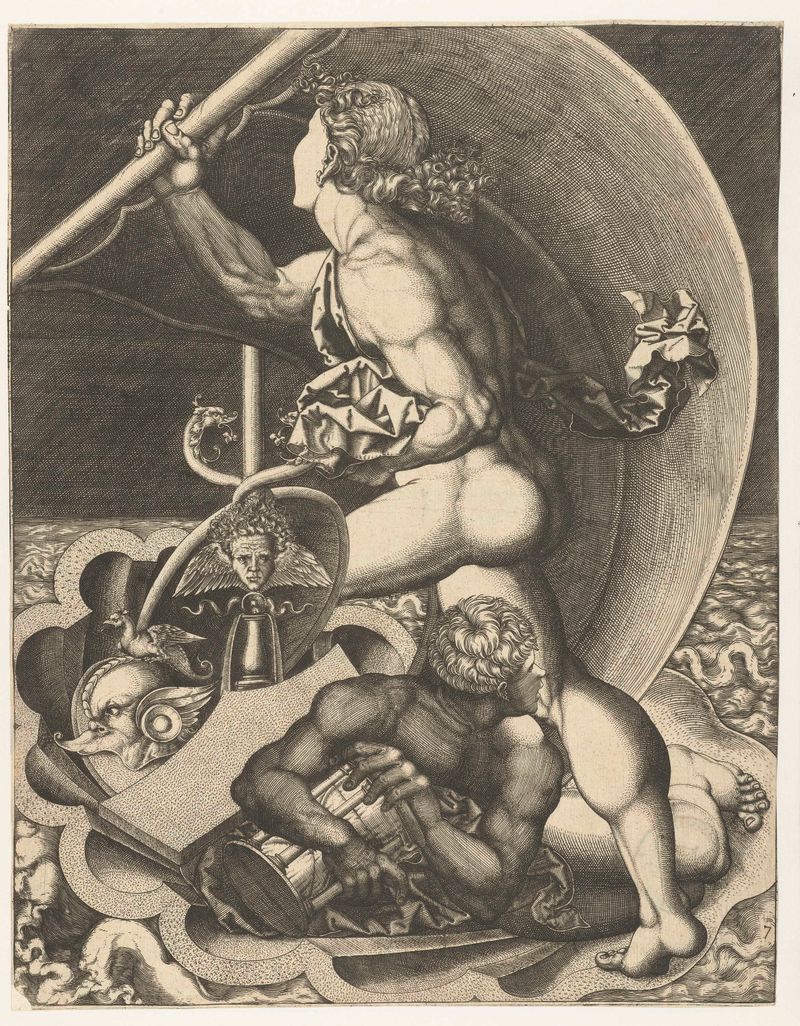
Allegorie van Tijd en Fortuin
Monogrammist AC (16e eeuw)

Portret van een jongeman (Vanitas)
Monogrammist AC (16e eeuw)

Heilige Martha en de draak
Monogrammist AC (16e eeuw)
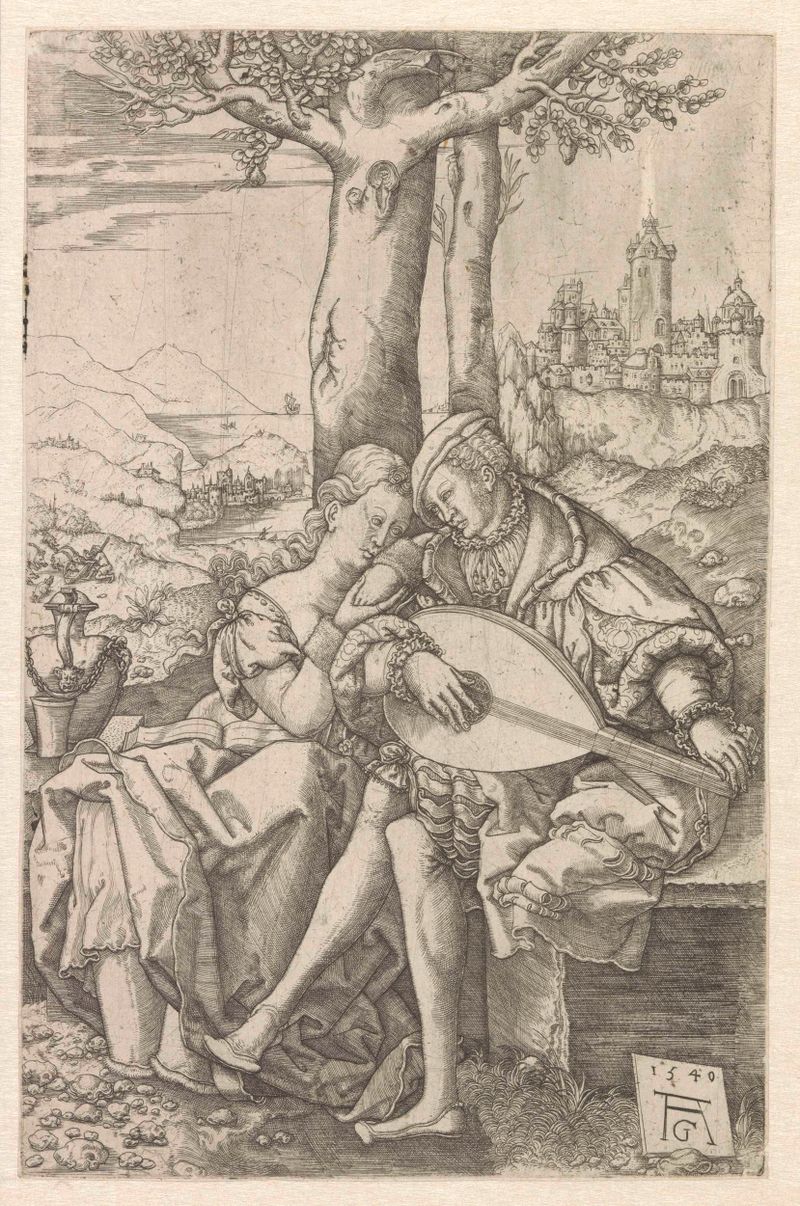
Twee verliefden onder een boom
Monogrammist AC (16e eeuw)
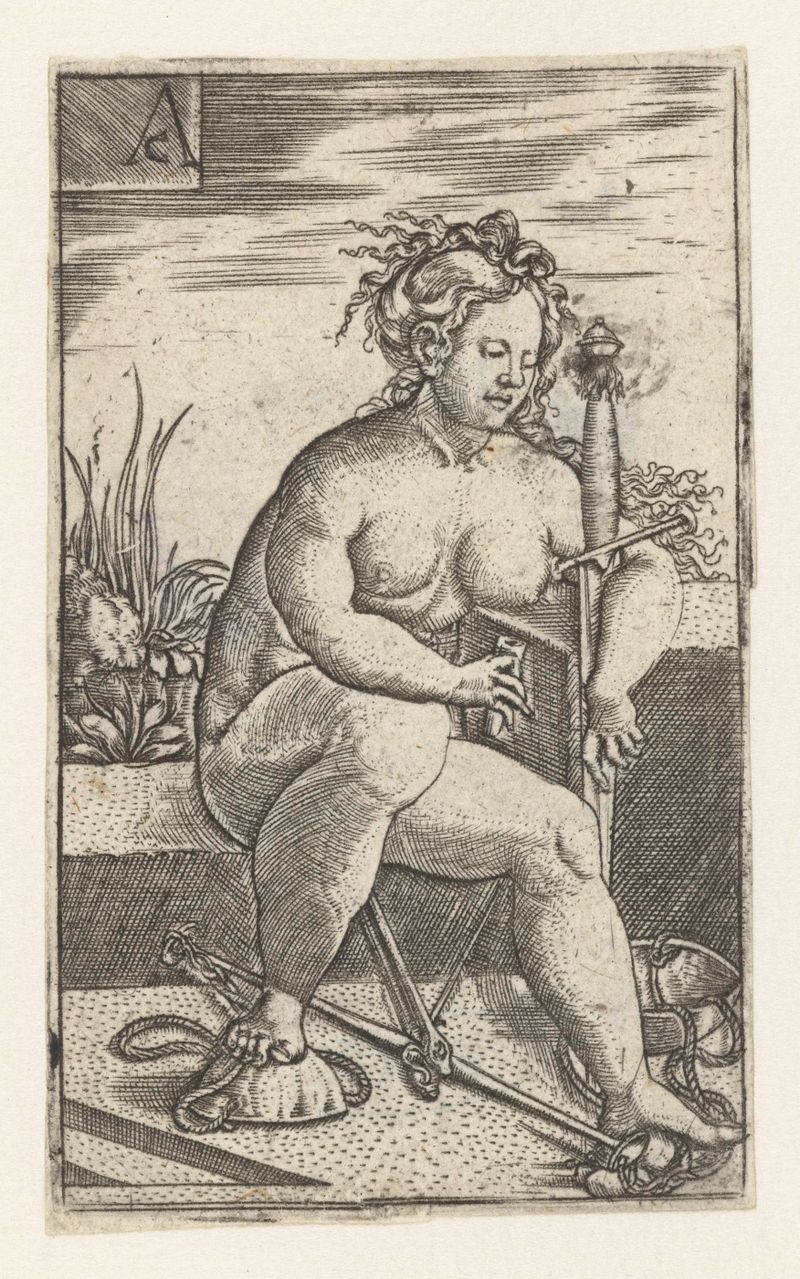
Gerechtigheid (Justitia)
Monogrammist AC (16e eeuw)
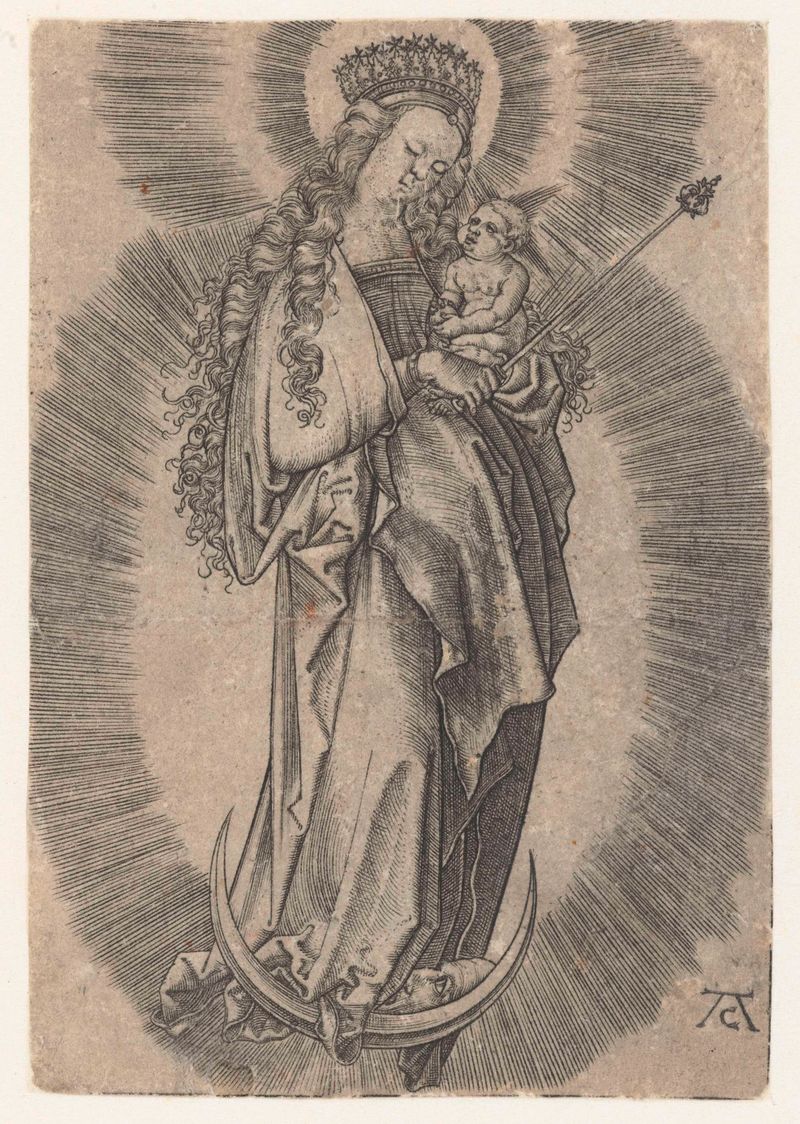
Madonna op de maansikkel.
Monogrammist AC (16e eeuw)
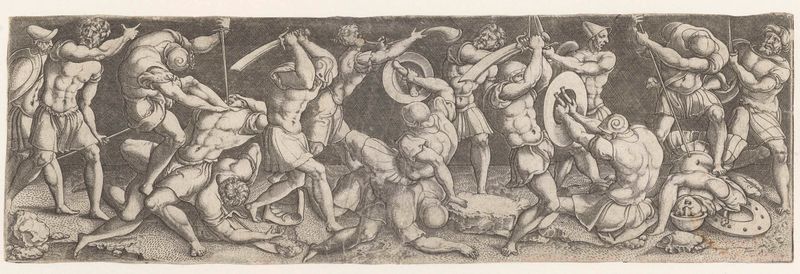
Gevecht tussen Romeinse soldaten
Monogrammist AC (16e eeuw)
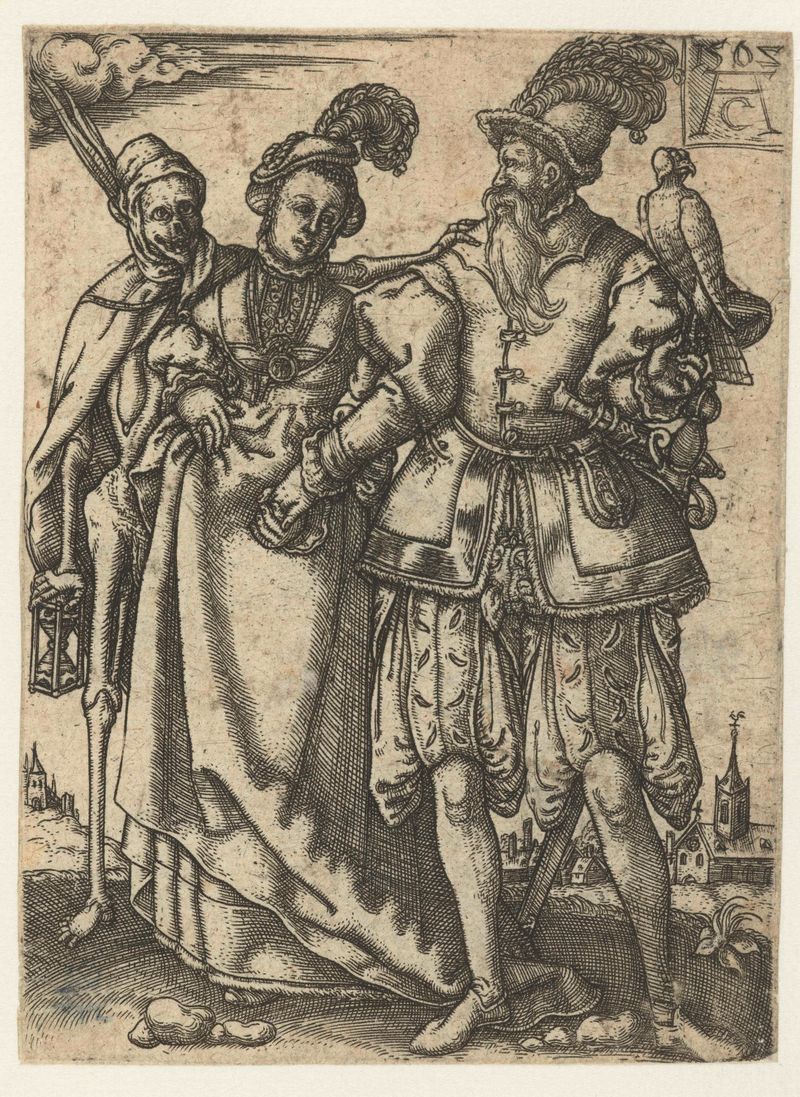
Echtpaar met de Dood
Monogrammist AC (16e eeuw)
More Religious Art
Browse all →
The Return of the Prodigal Son
Rembrandt van Rijn

The Garden of Earthly Delights
El Bosco

Count Orgaz’ funeral
El Greco

The Hundred Guilder Print: the central piece with Christ preaching, the plate arched
Rembrandt van Rijn

The Descent from the Cross
Rogier van der Weyden

The return of the prodigal son
Rembrandt van Rijn