
Triomf van Mordechai — History & Facts
Can paint confess what words never could? In the vibrant, chaotic strokes of Triomf van Mordechai, madness seeps from the canvas, unraveling the tension of power and peril that hangs in the air. Focus first on the central figure of Mordechai, his expression a blend of triumph and unease, surrounded by a flurry of figures that dance around him. The rich, saturated colors command your gaze, particularly the deep reds and golds that illuminate the scene. Notice how the meticulously detailed garments of the characters contrast with their wild gestures, conveying a sense of urgency and uncertainty, while the intricate architecture in the background looms ominously, framing the unfolding drama. Hidden within the exuberance is a poignant tension between celebration and trepidation.
The air is thick with the unspoken; each figure’s expression reveals a spectrum of emotions from elation to fear. The play of light accentuates Mordechai's face, highlighting his dual role as both a hero and a target. The interplay of shadow and light not only enhances the drama but also reflects the precarious balance between victory and vulnerability. Created in 1515, Triomf van Mordechai emerged during a time of great change in the Netherlands, where Lucas van Leyden was establishing himself as a masterful painter.
The early 16th century was marked by the rise of humanism and the Reformation, pushing artists to explore complex themes of morality and identity. In this context, the painting captures both a moment of personal triumph and the collective madness of a society grappling with its own fate.
More Artworks by Lucas van Leyden
Browse all →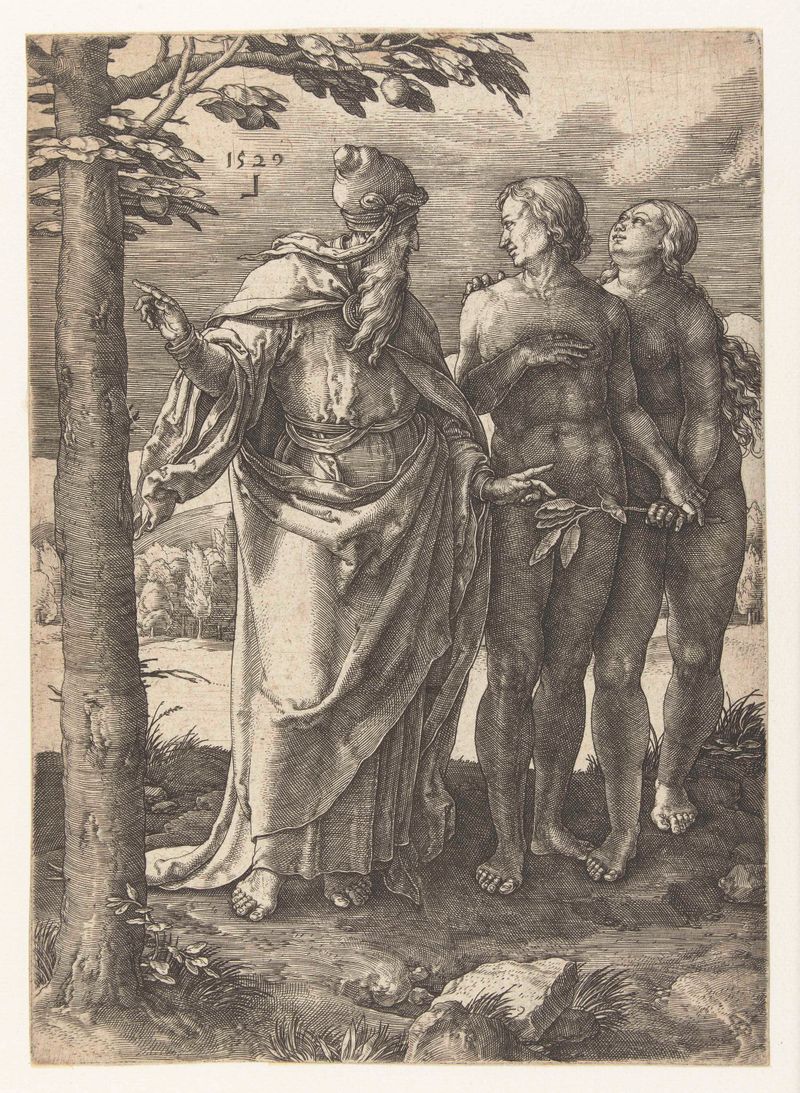
Het eerste verbod
Lucas van Leyden
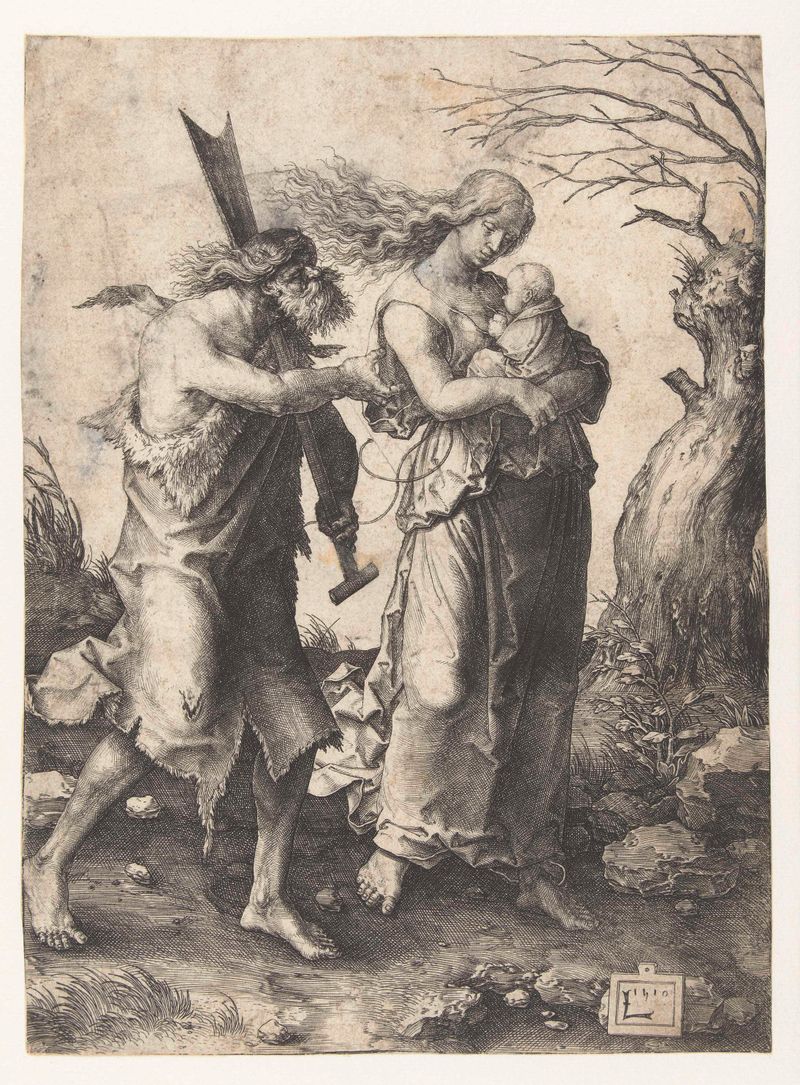
Adam en Eva na de verdrijving uit het paradijs
Lucas van Leyden
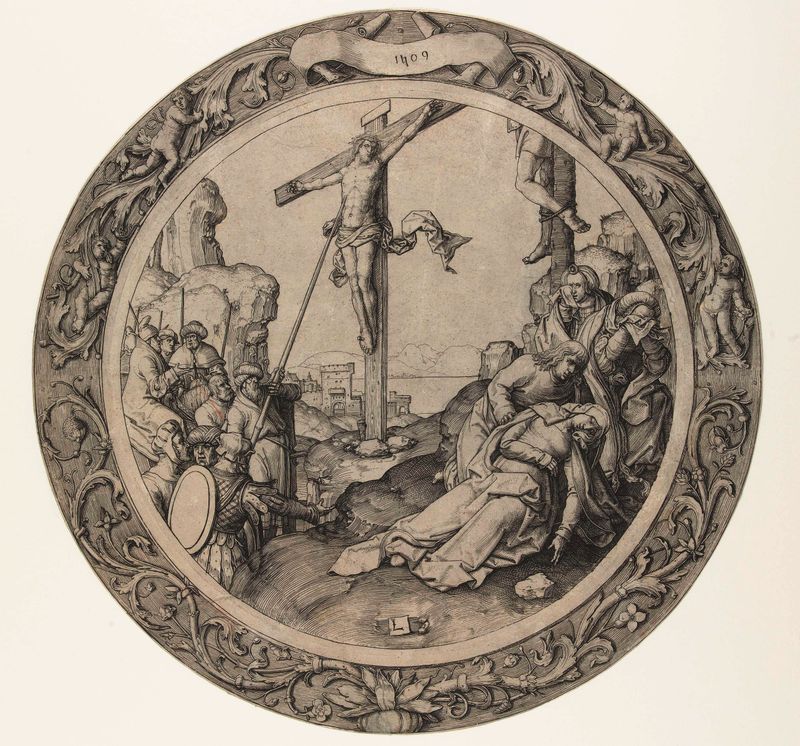
De kruisiging
Lucas van Leyden
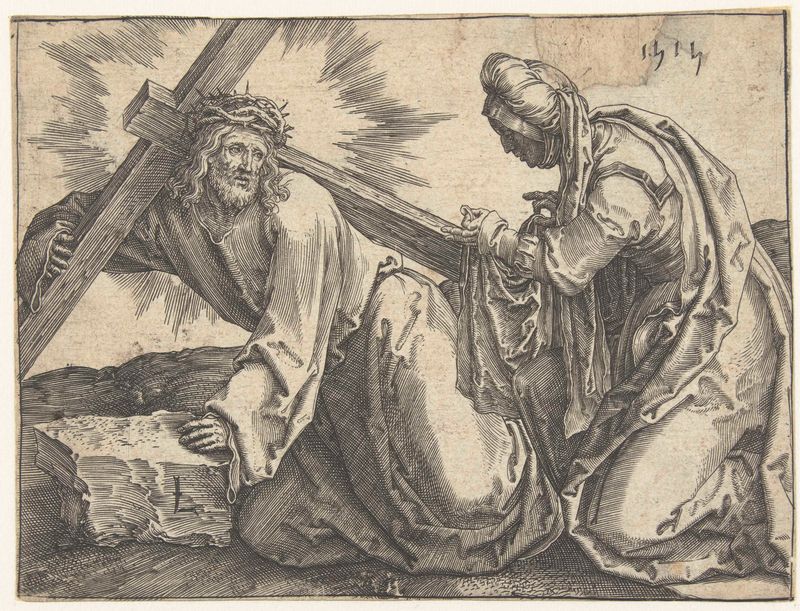
Kruisdraging
Lucas van Leyden
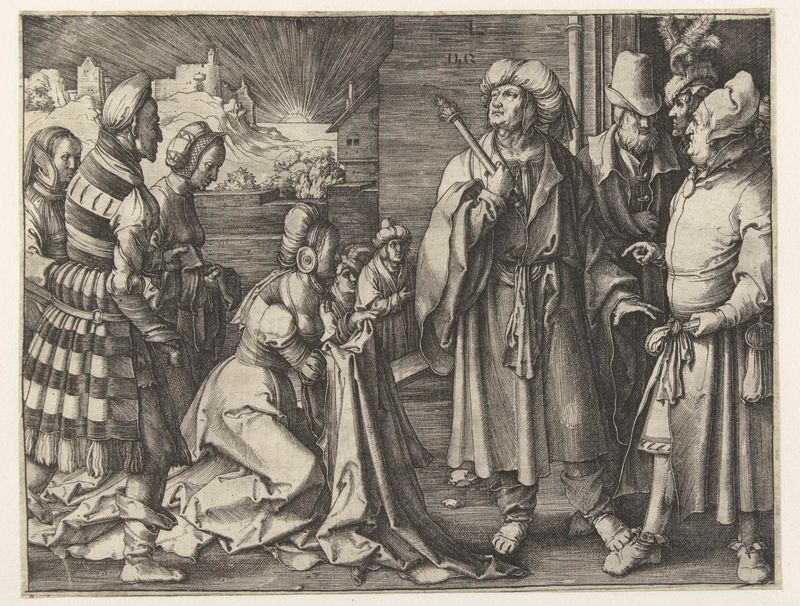
De vrouw van Potifar beschuldigt Jozef
Lucas van Leyden
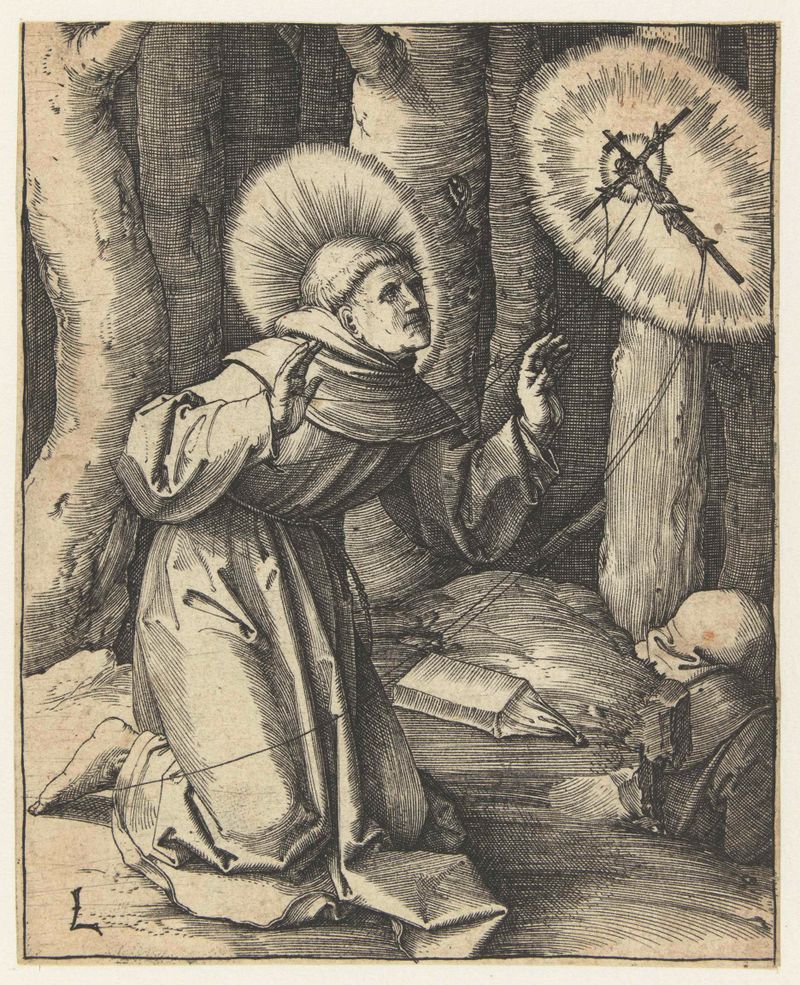
De stigmatisatie van de heilige Franciscus
Lucas van Leyden
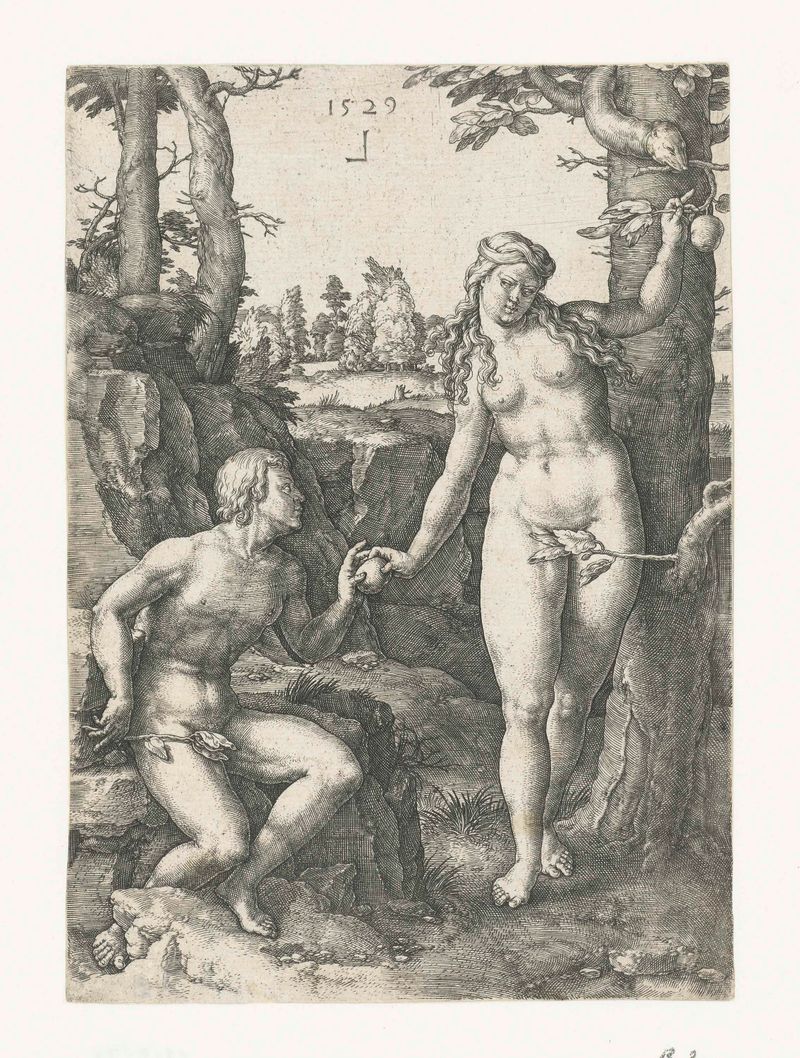
De zondeval
Lucas van Leyden
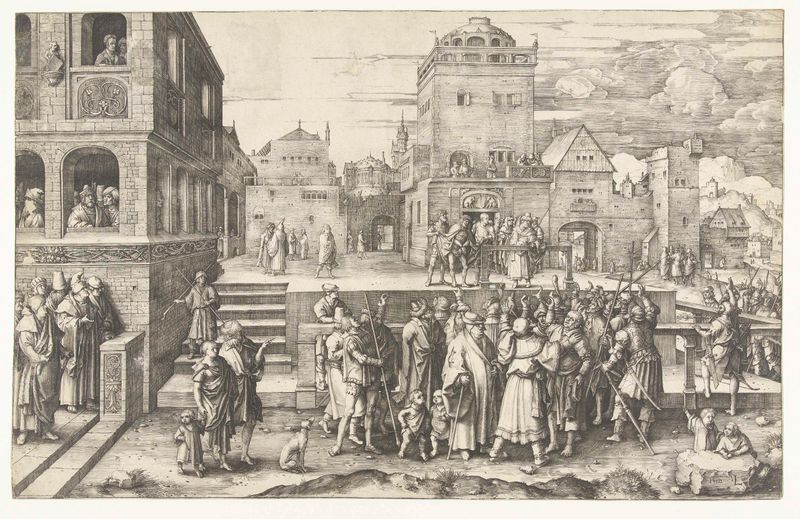
De grote Ecce Homo
Lucas van Leyden
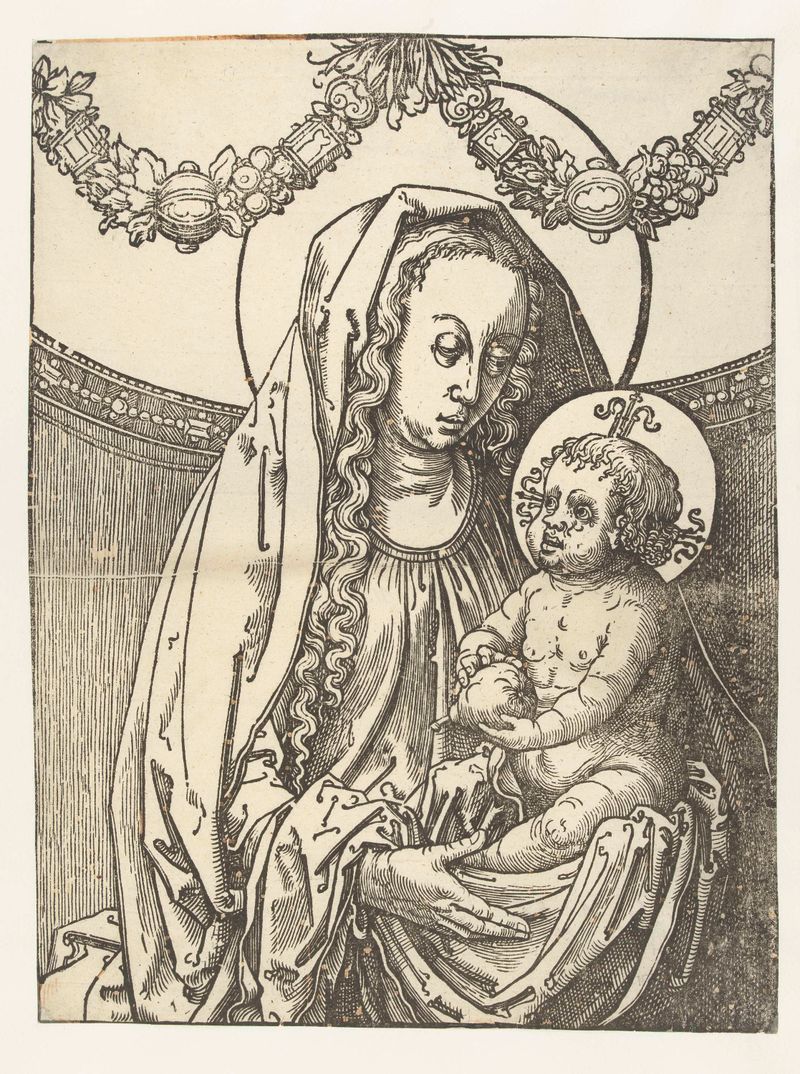
Maria met kind
Lucas van Leyden

Doornenkroning
Lucas van Leyden
More Religious Art
Browse all →
The Return of the Prodigal Son
Rembrandt van Rijn

The Garden of Earthly Delights
El Bosco

Count Orgaz’ funeral
El Greco

The Hundred Guilder Print: the central piece with Christ preaching, the plate arched
Rembrandt van Rijn

The Descent from the Cross
Rogier van der Weyden

The return of the prodigal son
Rembrandt van Rijn