Triomftocht van Bacchus met saters — History & Facts
In the revelry of Bacchus, shadows dance alongside the brightness, hinting at the darker undercurrents of celebration. The interconnectedness of joy and violence unfolds, revealing that ecstasy often masks hidden turmoil. Look to the center, where Bacchus, crowned with vines, holds a goblet aloft. Notice how the warm hues of his attire contrast with the cooler tones of the surrounding figures.
The meticulous brushwork, coupled with a dynamic composition that draws the eye in swirling circles, encapsulates both jubilation and chaos. Each satyr and nymph is caught in a moment of abandon, yet their expressions ripple with a tension that speaks of untamed desires. As you delve deeper, observe the muscular forms of the satyrs, their wildness serving as an allusion to the violence inherent in excess. The way some figures grasp at one another reveals a struggle—an arresting reminder of the duality between pleasure and pain.
The juxtaposition of ecstasy and menace coalesces in the chaos of limbs and laughter, suggesting that every celebration carries the threat of its own undoing. Painted between 1537 and 1541, this work emerged during a period when Georg Pencz was honing his craft in Nuremberg, influenced by the Renaissance's embrace of classical themes. The era was marked by a burgeoning interest in the interplay of human emotion and divine influence, as well as the tensions of a society grappling with reform and upheaval. In this context, the work reflects not just the mythological but the deeply human experience of revelry intertwined with the specter of violence.
More Artworks by Georg Pencz
Browse all →
Parabel van de zaaier
Georg Pencz

Parabel van de arbeiders in de wijngaard
Georg Pencz
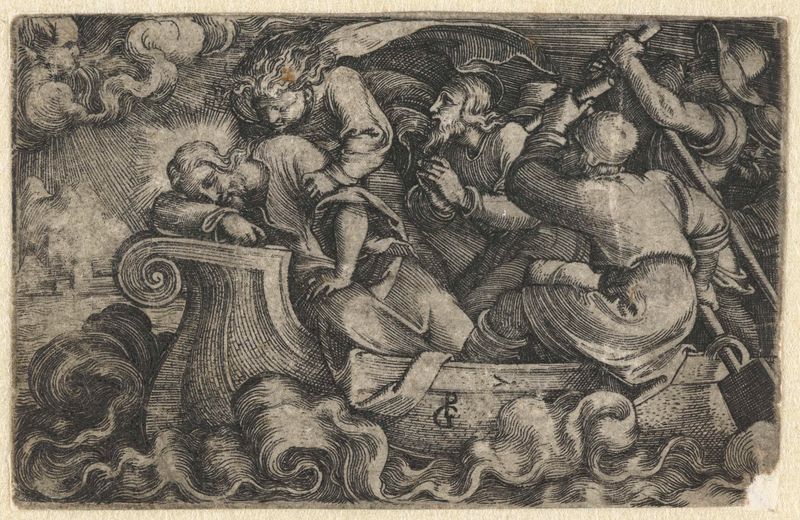
Discipelen wekken slapende Christus tijdens storm op Meer van Galilea
Georg Pencz

Afgunst (Invidia)
Georg Pencz
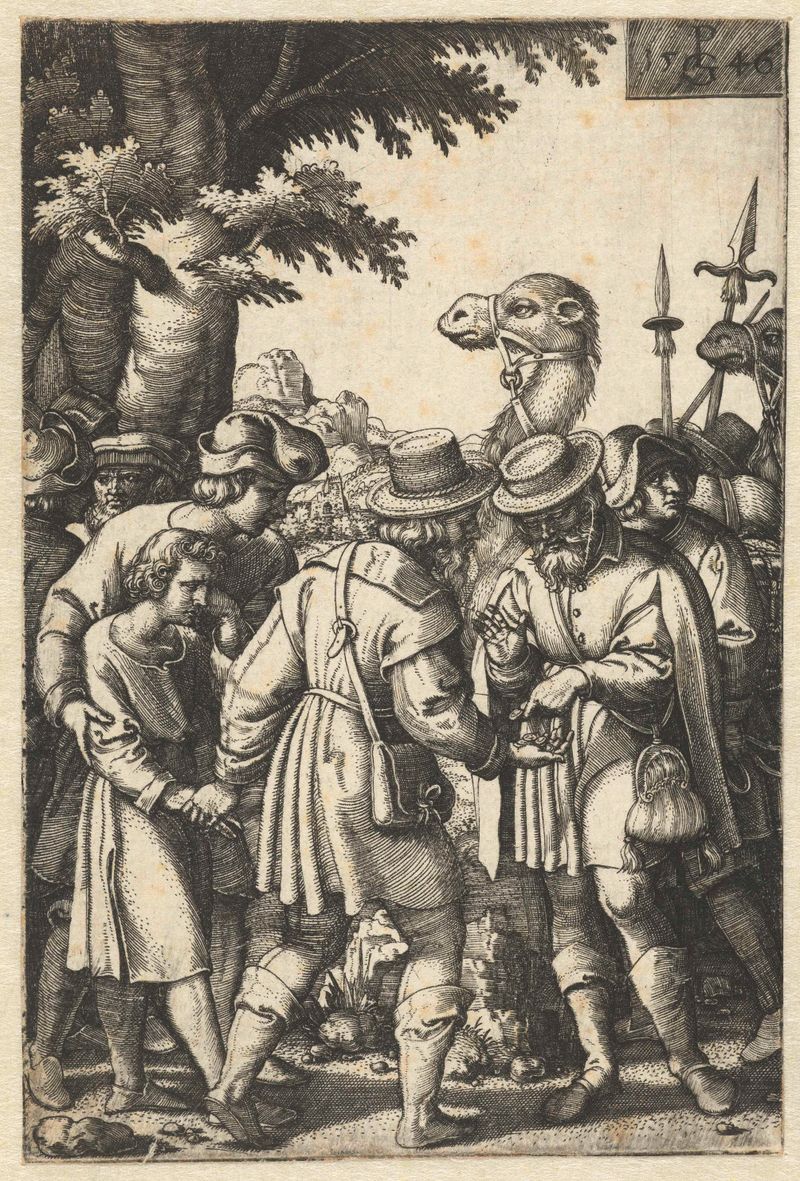
Jozef wordt verkocht aan kooplieden op weg naar Egypte
Georg Pencz

Aanbidding der koningen
Georg Pencz
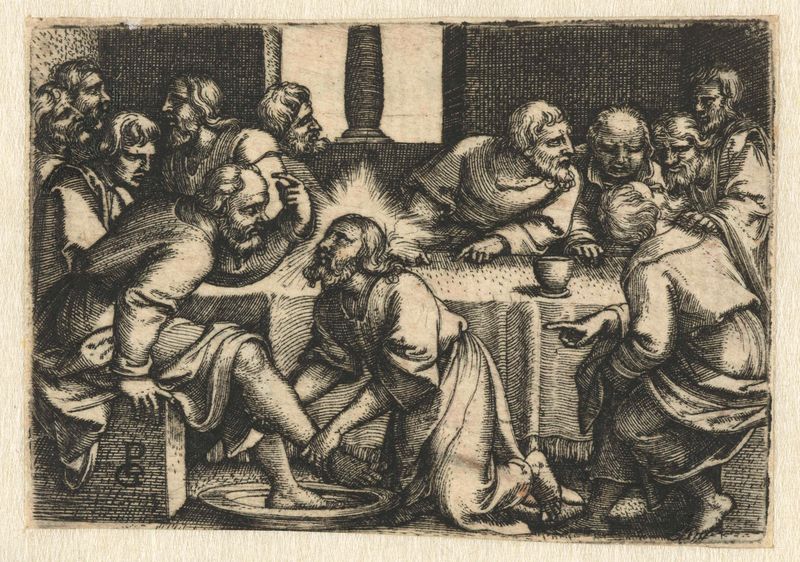
Petrus protesteert als Christus zijn voeten wast
Georg Pencz
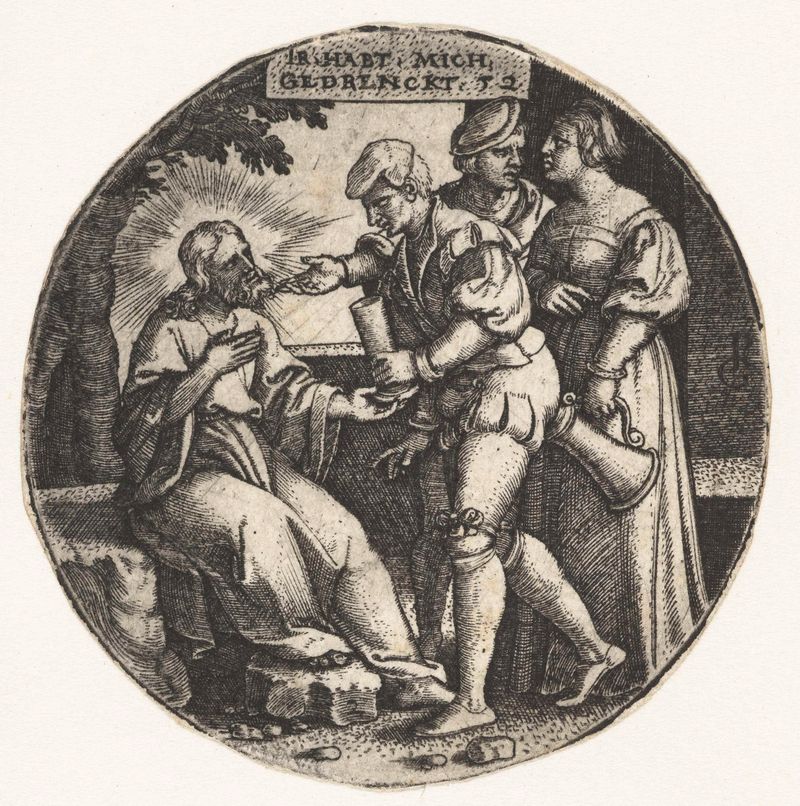
Christus heeft dorst en krijgt drinken aangeboden
Georg Pencz
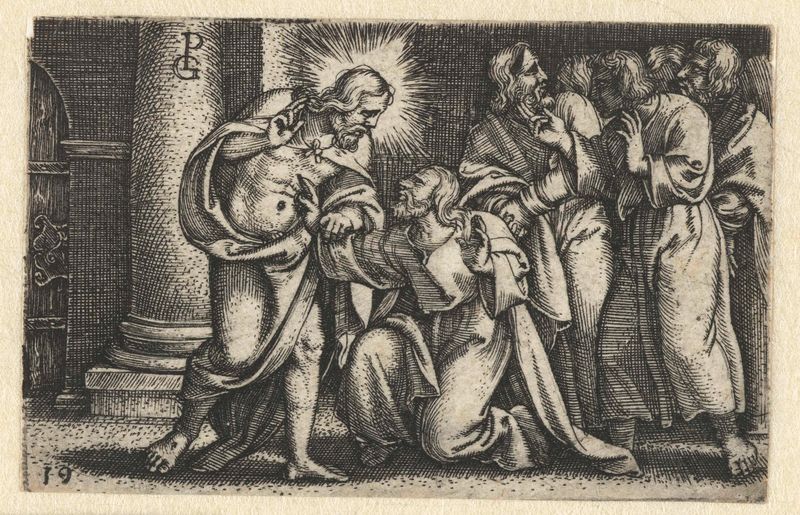
Ongelovige Thomas raakt wonden Christus aan
Georg Pencz

Offer van Abraham van Isaak
Georg Pencz