
Turandot II — History & Facts
The first thing that seizes the eye in Turandot II is the mask-like face, its features carved out in bold, angular strokes and surrounded by a riot of color. The gaze is direct, almost hypnotic, the eyes almond-shaped and rimmed with deep shadows, lending the figure an air of mystery and command. Jawlensky’s brushwork is urgent and expressive, each patch of pigment laid down with a sense of purpose—cobalt blues swirl into purples, while fiery reds and oranges pulse beneath the skin.
The sharp outline of the jaw and the almost geometric planes of the cheeks and nose transform the sitter into something more than portrait: a symbol, a presence, a riddle. The background, too, is alive with movement, its cool blues and purples swirling in a way that both frames and unsettles the central figure. Created in 1912, this work stands at the crossroads of early twentieth-century experimentation, when artists like Alexej von Jawlensky were pushing the boundaries of portraiture and color. The period was marked by the rise of Expressionism, a movement that sought to capture inner feeling rather than outward likeness, and Jawlensky was among its most passionate advocates.
His portraits from this era—often inspired by themes from opera, folklore, and the wider currents of Symbolism—were not made for private patrons but for a public hungry for new ways of seeing. The documented source of this image, a scan from a modern art book, is a reminder that the history of such works is often fragmentary, their stories pieced together from catalogues and recollections. Yet the painting itself refuses to fade into obscurity: its colors still blaze, its stare still challenges, inviting us to look again and ask what lies behind the mask.
More Artworks by Alexej von Jawlensky

Murnau
Alexej von Jawlensky
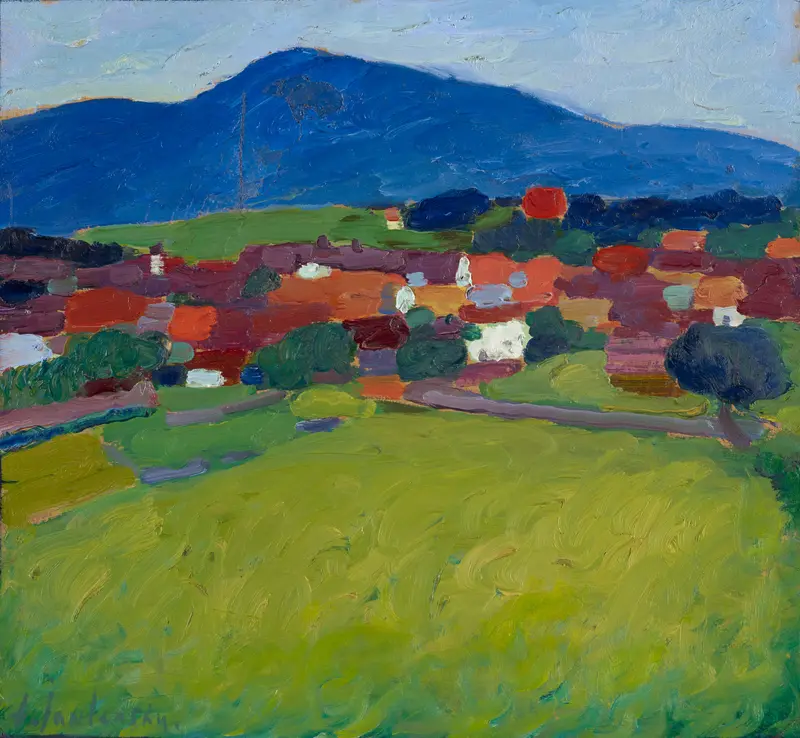
The Village Of Murnau
Alexej von Jawlensky
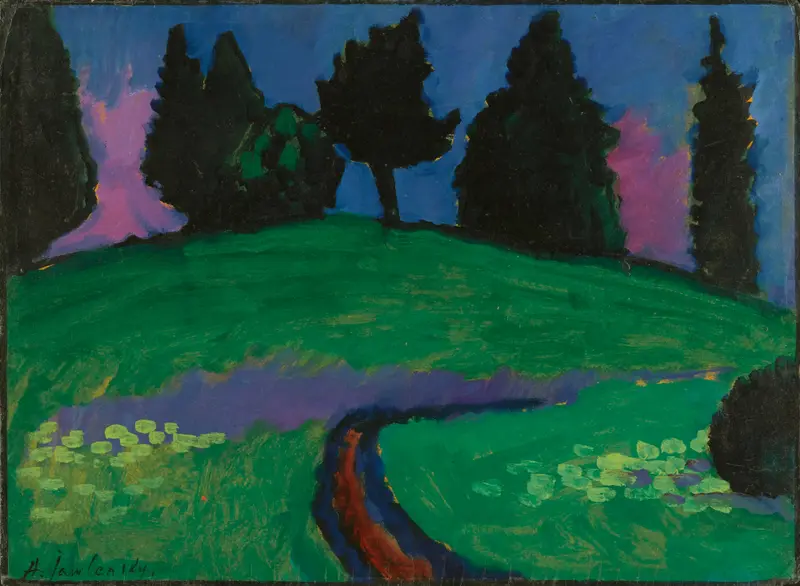
Dunkle Bäume über Grünem Hang (Dark Trees Over Green Slope)
Alexej von Jawlensky
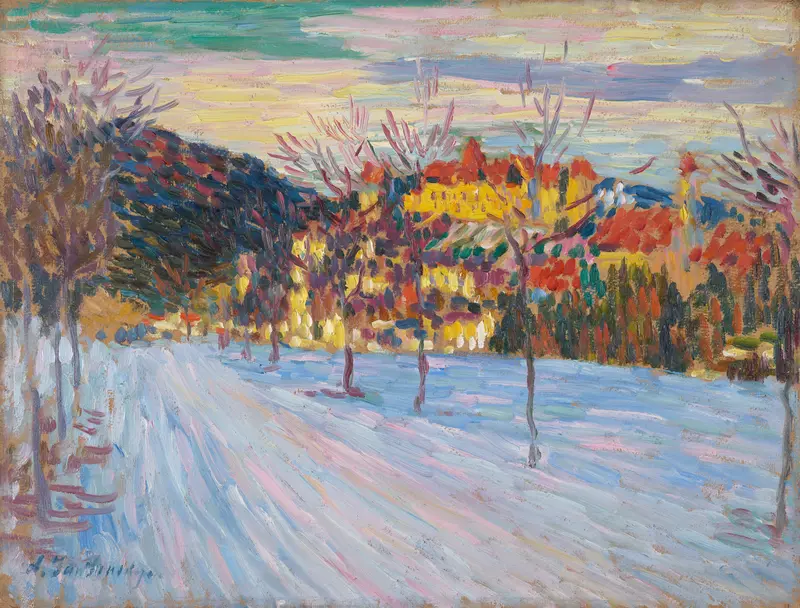
Füssen
Alexej von Jawlensky
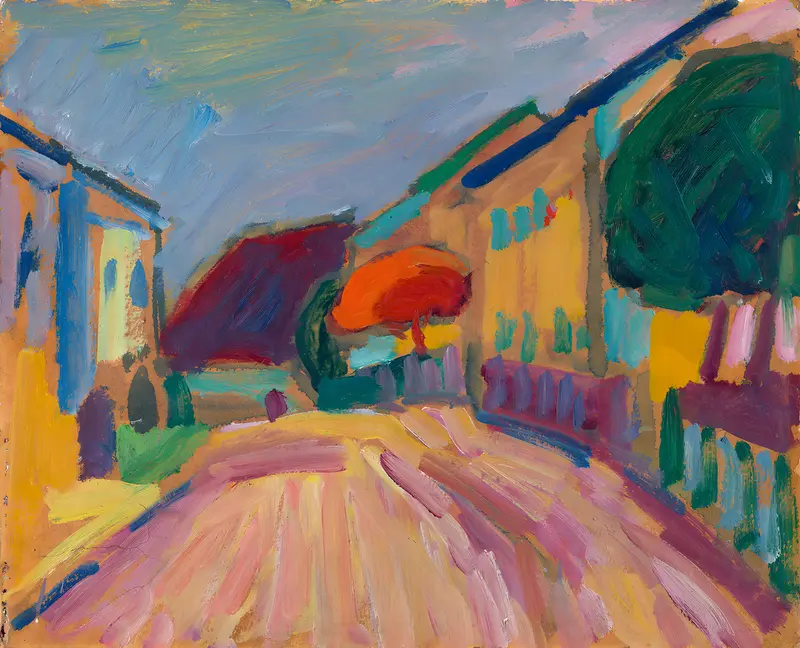
Sketch from Murnau
Alexej von Jawlensky
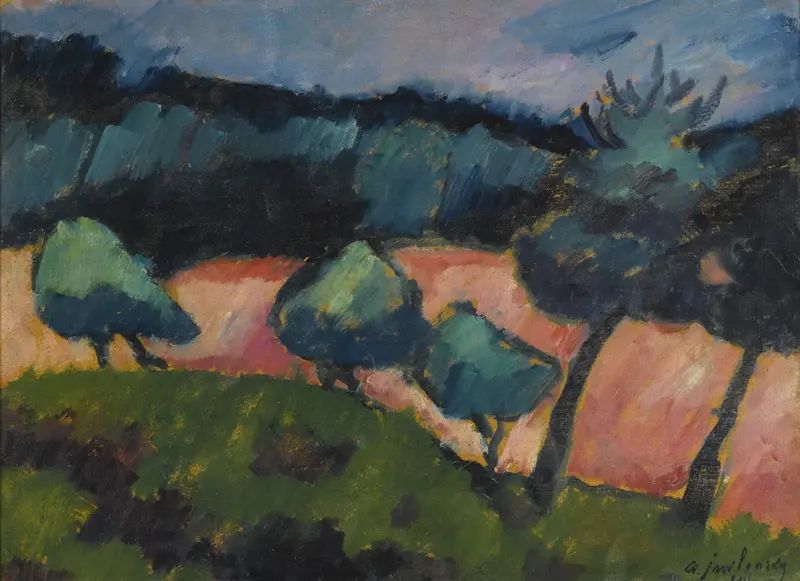
Bäume und Dünen in Prerow (Trees and dunes in Prerow)
Alexej von Jawlensky
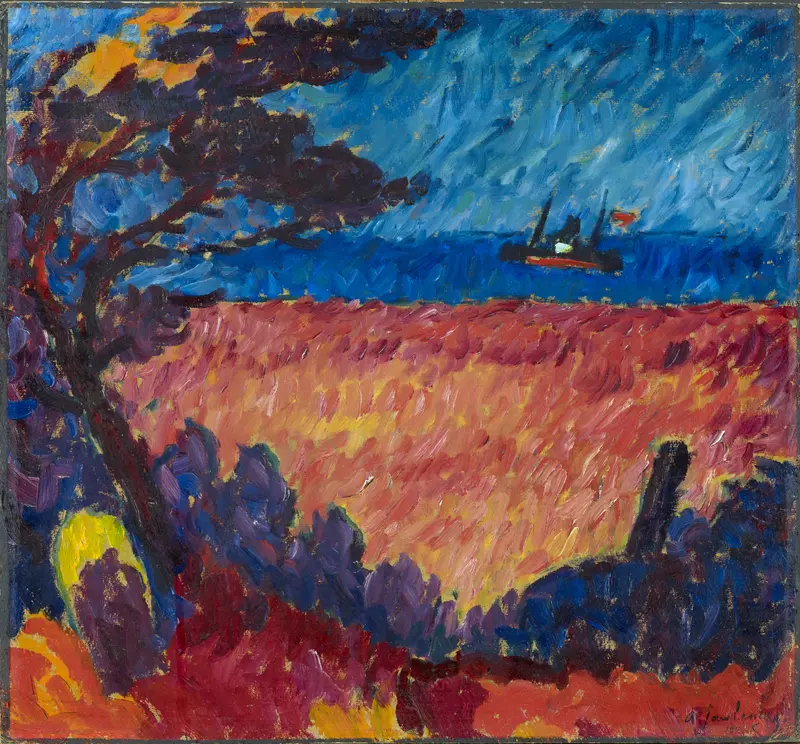
At The Baltic Sea
Alexej von Jawlensky
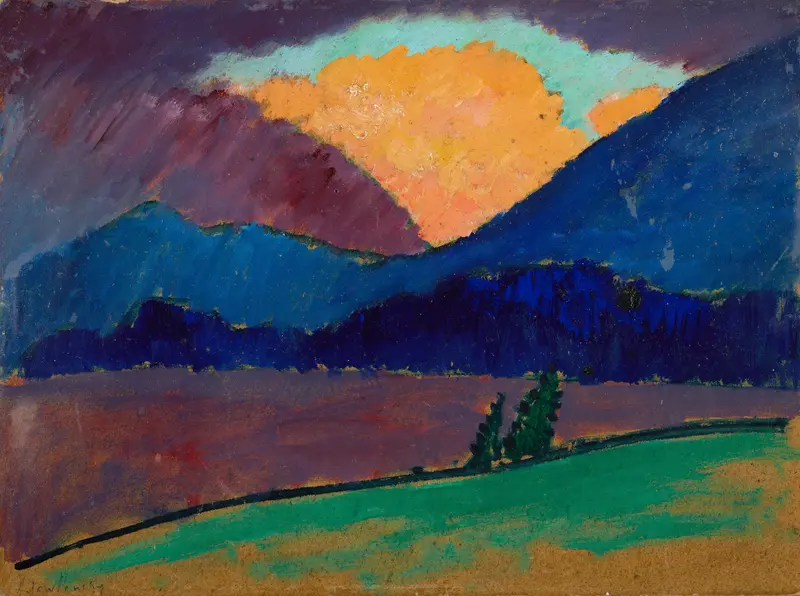
Summer evening in Murnau
Alexej von Jawlensky
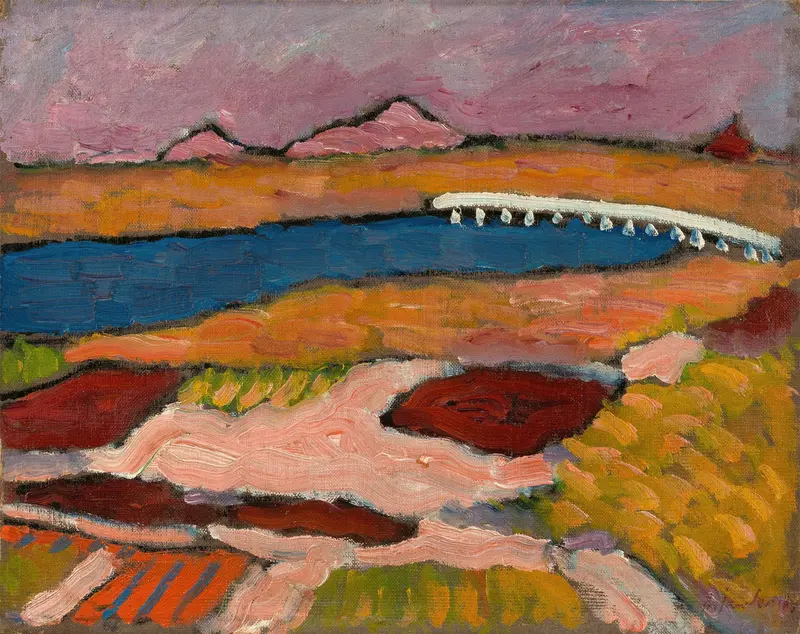
Prerow (Darß), Pommern
Alexej von Jawlensky
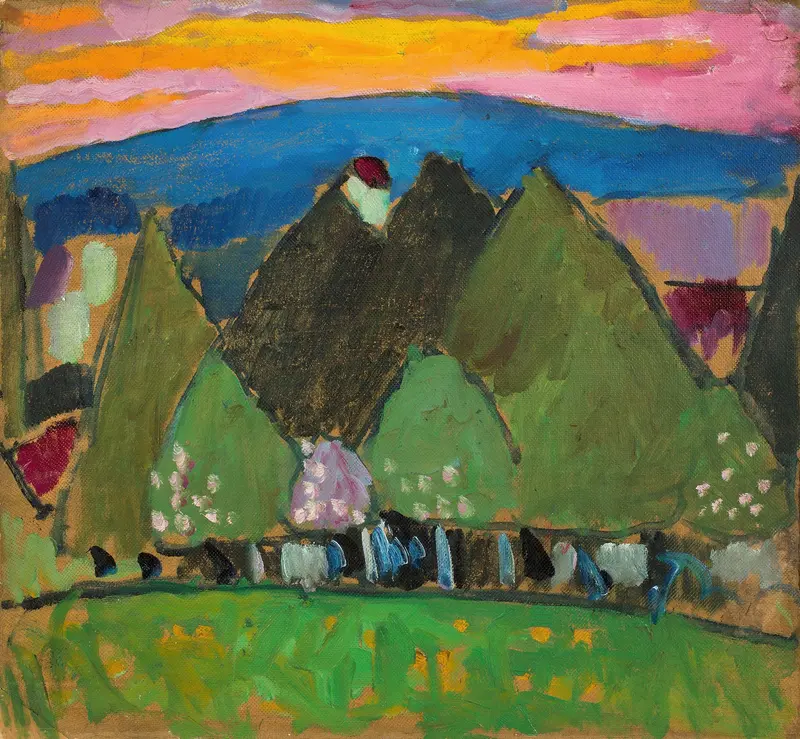
Landschaft mit Bäumen
Alexej von Jawlensky





