
Twee jongetjes met een wapenschild, helm en vaandel — History & Facts
When did color learn to lie? In a world where hues can mask intentions, the innocence of youth is captured in vivid strokes, whispering unspoken truths beneath their vibrant surface. Look closely at the two boys, positioned at the heart of the composition, their fervent expressions and lively poses radiating a sense of hopeful ambition. Notice how the artist expertly employs a rich palette of deep blues and warm golds to draw the viewer’s eye to the intricate details of their attire, from the shimmering armor to the fluttering banner. The contrasting textures of their clothing and the soft blush of their cheeks against the armor express a lively interplay of strength and vulnerability, both enchanting and disarming. Beneath the surface, the painting hints at a poignant juxtaposition between youthful exuberance and the weight of responsibility that lies ahead.
The boys’ armor, emblematic of valor, contrasts sharply with their childlike faces, piquing curiosity about the burdens they may inherit. The banner, boldly displayed, symbolizes allegiance—a declaration of loyalty to ideals yet to be truly understood. This duality evokes a sense of longing for a simpler time, while also serving as a reminder of the complexities of growing up in a world rife with conflict. Created between 1508 and 1512, this work emerged during a period of significant artistic evolution in the Northern Renaissance, where van Leyden was gaining recognition for his ability to merge meticulous detail with emotional depth.
Living in Leiden, he was influenced by the growing humanist ideals of the era, which sought to celebrate both the individual and the broader human experience. As he explored themes of nobility and virtue, this painting reflects his commitment to capturing the optimistic spirit of youth amid the uncertainties of his time.
More Artworks by Lucas van Leyden
Browse all →
Het eerste verbod
Lucas van Leyden
Adam en Eva na de verdrijving uit het paradijs
Lucas van Leyden
De kruisiging
Lucas van Leyden
Kruisdraging
Lucas van Leyden
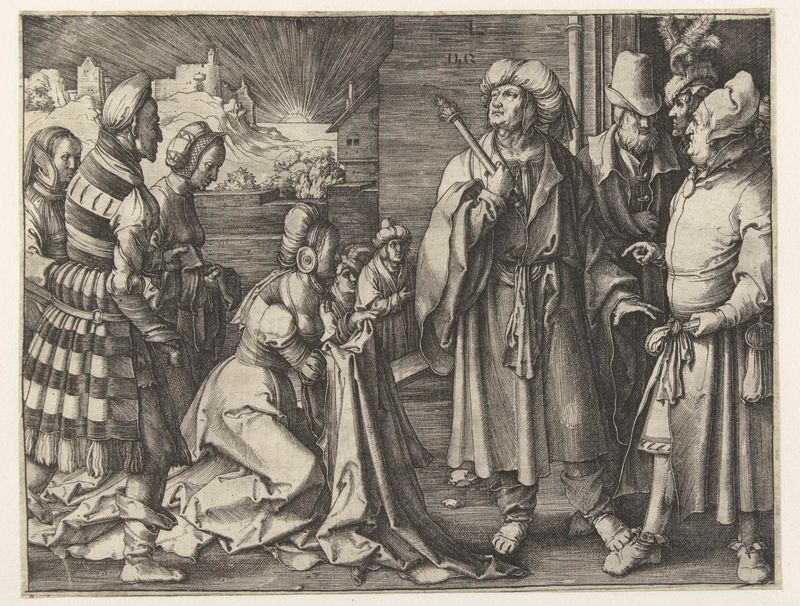
De vrouw van Potifar beschuldigt Jozef
Lucas van Leyden
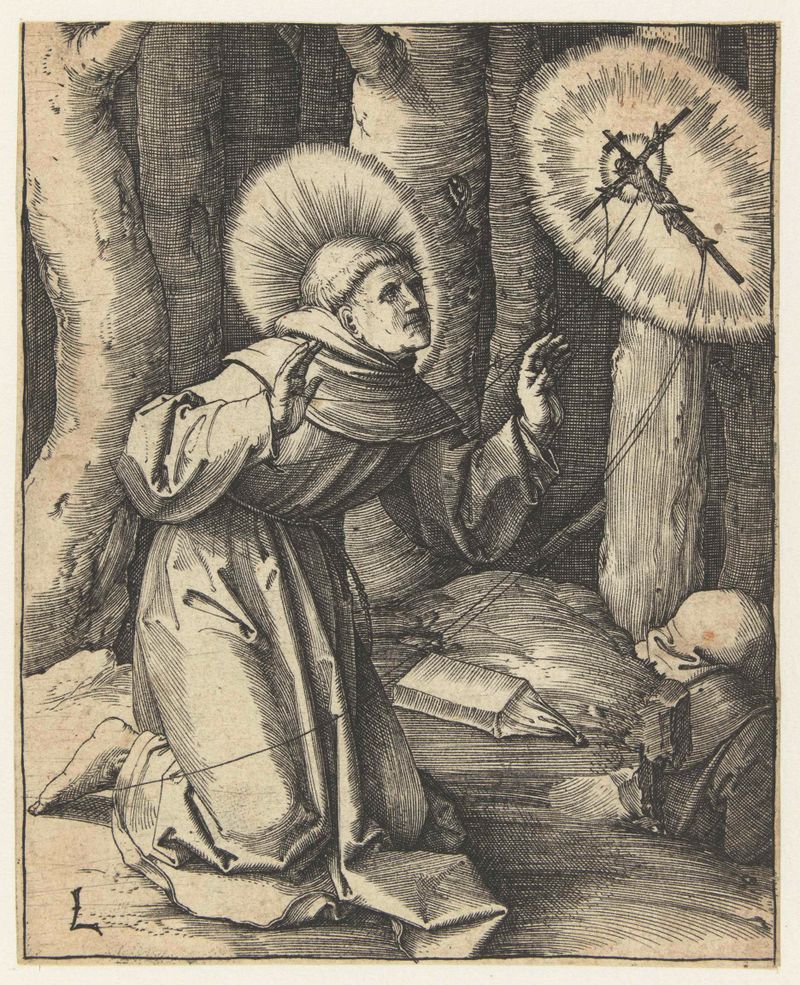
De stigmatisatie van de heilige Franciscus
Lucas van Leyden
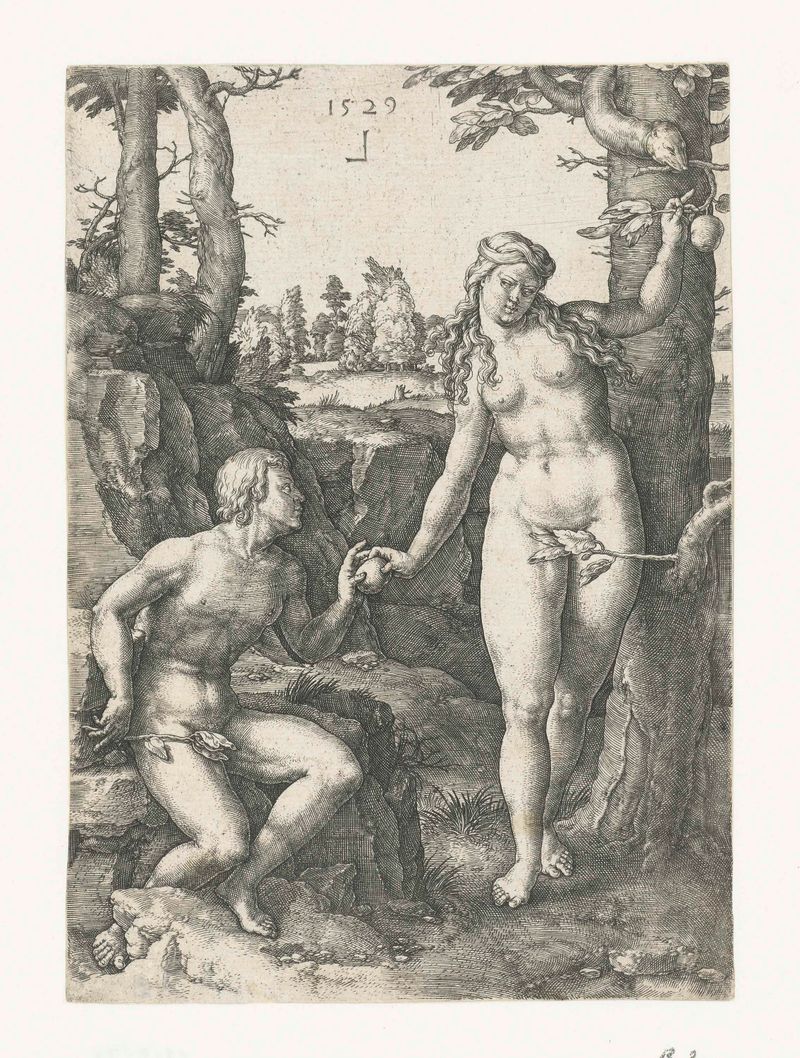
De zondeval
Lucas van Leyden
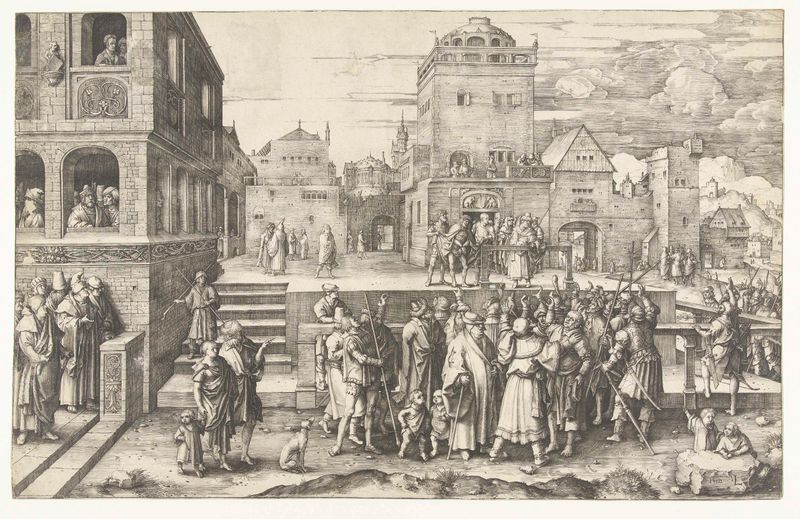
De grote Ecce Homo
Lucas van Leyden
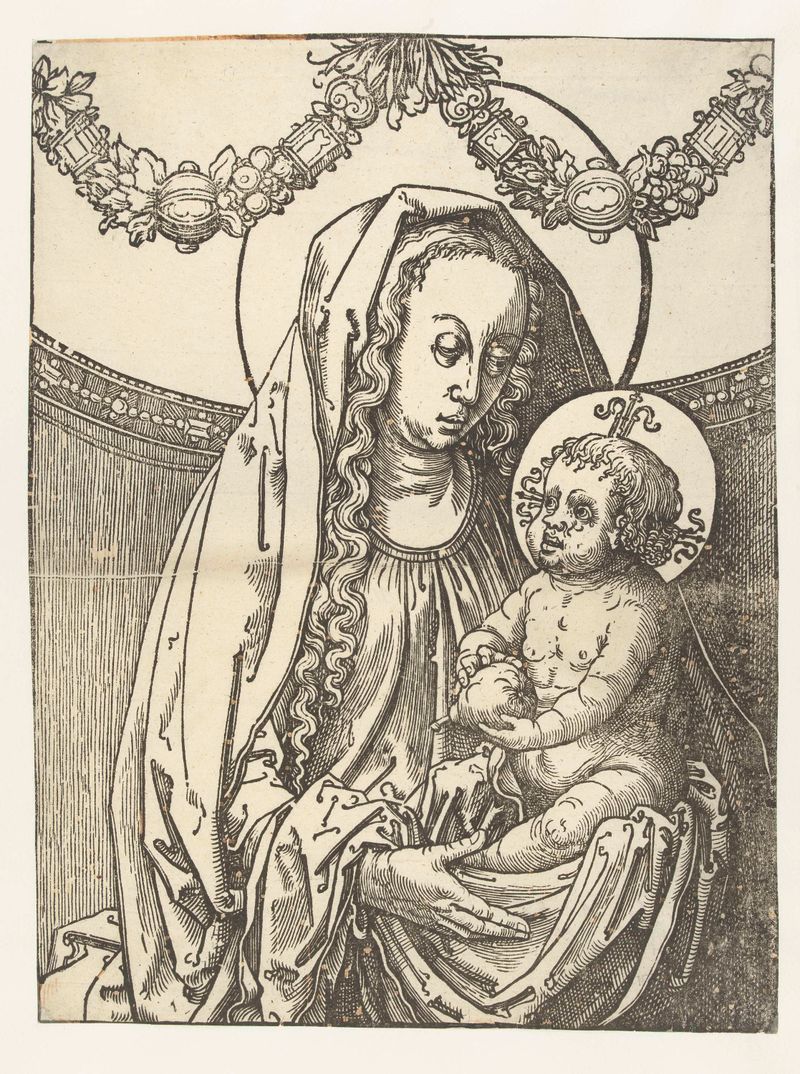
Maria met kind
Lucas van Leyden

Doornenkroning
Lucas van Leyden
More Portrait Art
Browse all →
Las meninas
Diego Velázquez

Self-portrait with a Bandaged Ear and Pipe
Unidentified artist

Girl with a Pearl Earring
Johannes Vermeer

The Sampling Officials of the Amsterdam Drapers’ Guild, Known as ‘The Syndics’
Rembrandt van Rijn

The Hundred Guilder Print: the man seen on the back in the lower left corner
Rembrandt van Rijn

Portrait of Dr Gachet
Vincent van Gogh