
Twee palmbomen — History & Facts
This sentiment resonates deeply in the intricate lines and dynamic forms found within the work of a master engraver. Look to the center where the two palm trees stand proudly, their slender trunks twisting upward in a graceful dance. The delicate shading brings a sense of movement, as if the palms sway gently in an unseen breeze. Notice how the interplay of light and shadow creates depth, drawing your gaze into the nuances of each leaf, each frond, while the surrounding details whisper of a lush environment yet to be fully revealed. Within this seemingly tranquil depiction lies a tension between stillness and the hint of a storm—life and nature’s relentless push for existence.
The palm trees, symbols of resilience, are juxtaposed against the intricacies of their surroundings, suggesting fragility amidst strength. The swirling lines around the trees evoke a sense of energy, as if the world is in constant motion, yet these palms stand as silent witnesses, capturing the essence of endurance in the face of adversity. In the period between 1625 and 1629, the engraver worked in Nancy, France, a time marked by both personal exploration and the flourishing of the Baroque style across Europe. Immersed in the evolving art scene, this was an era that celebrated both complexity and detail.
The artist's masterful technique in Twee palmbomen reflected not only his unique vision but also the broader currents of change in European art during a period that laid the groundwork for future generations.
More Artworks by Jacques Callot
Browse all →
Titelprent voor de prentreeks 'De kleine apostelen' (Het martelaarschap van de apostelen)
Jacques Callot
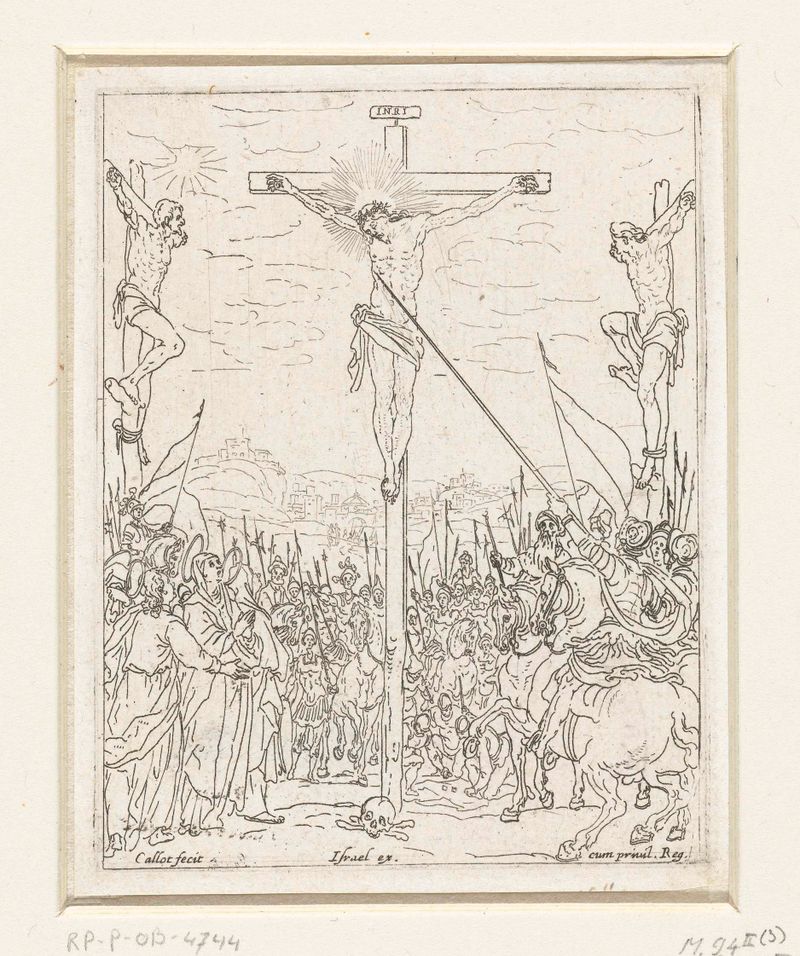
Kruisiging
Jacques Callot

De doortocht door de Rode Zee
Jacques Callot

De verloren zoon als zwijnenhoeder
Jacques Callot

Annunciatie
Jacques Callot
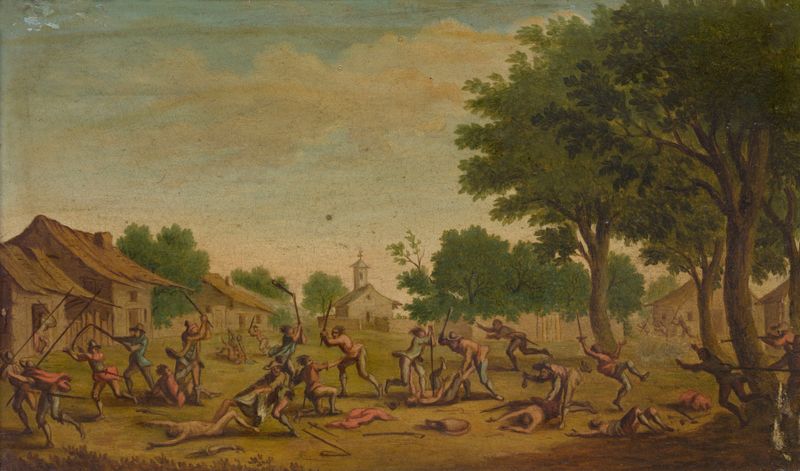
Village Fight
Jacques Callot

Titelprent voor prentreeks 'Het leven van Maria'
Jacques Callot
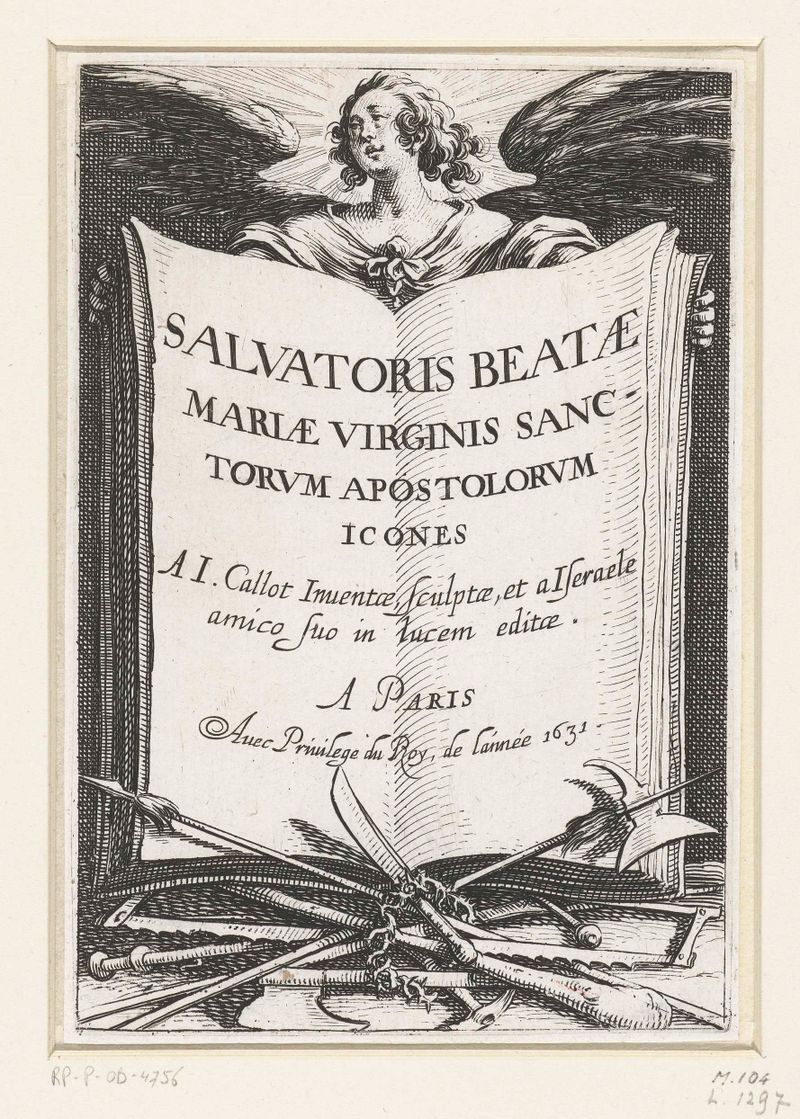
Titelprent voor de prentreeks 'De grote apostelen' (Christus, Maria en de apostelen)
Jacques Callot

Christus aan het volk getoond (Ecce homo)
Jacques Callot
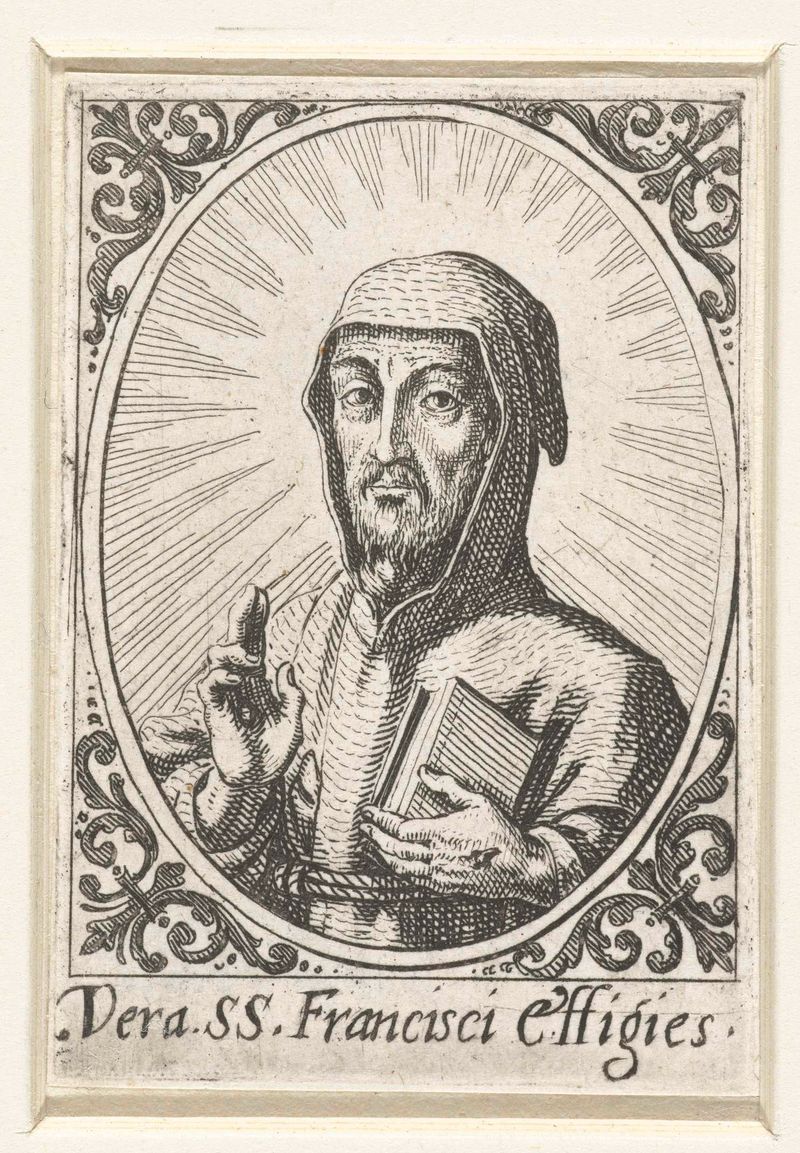
Portret van de Heilige Franciscus
Jacques Callot





