
Twee vrouwen en huilend kind — History & Facts
In Twee vrouwen en huilend kind, Alfred Ost presents a domestic scene featuring two women and a crying child. The colors are warm and inviting, with soft browns and muted pastels dominating the palette. The figures are depicted with a sense of realism, capturing their expressions and gestures authentically.
The setting appears intimate, suggesting a moment of familial connection and care. The painting is executed in oil on canvas, a medium that allows for rich textures and depth. The brushwork is detailed, particularly in the rendering of the women's clothing and the child's features. Viewers can appreciate the careful attention to light and shadow, which adds dimension to the figures.
The overall composition draws the eye towards the emotional interaction between the subjects. Alfred Ost was a Belgian painter known for his genre scenes that often depicted everyday life. This particular work, created around the early 1900s, reflects the artist's interest in capturing intimate moments within domestic spaces. An interesting fact about this painting is its ability to convey emotion through the simple act of a child crying, which resonates with viewers on a personal level.
Ost's works are celebrated for their warmth and relatability, making them significant in the study of early 20th-century art.
More Artworks by Alfred Ost

Danseres
Alfred Ost

Dansers
Alfred Ost
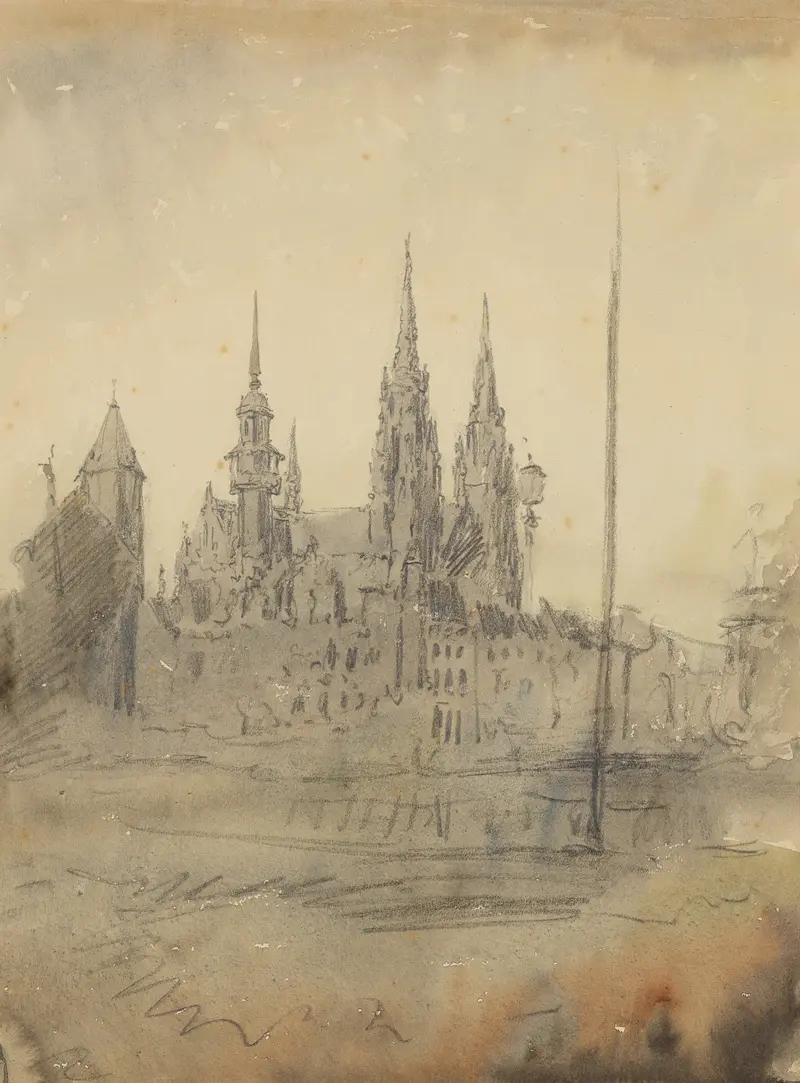
Oostende in de mist
Alfred Ost
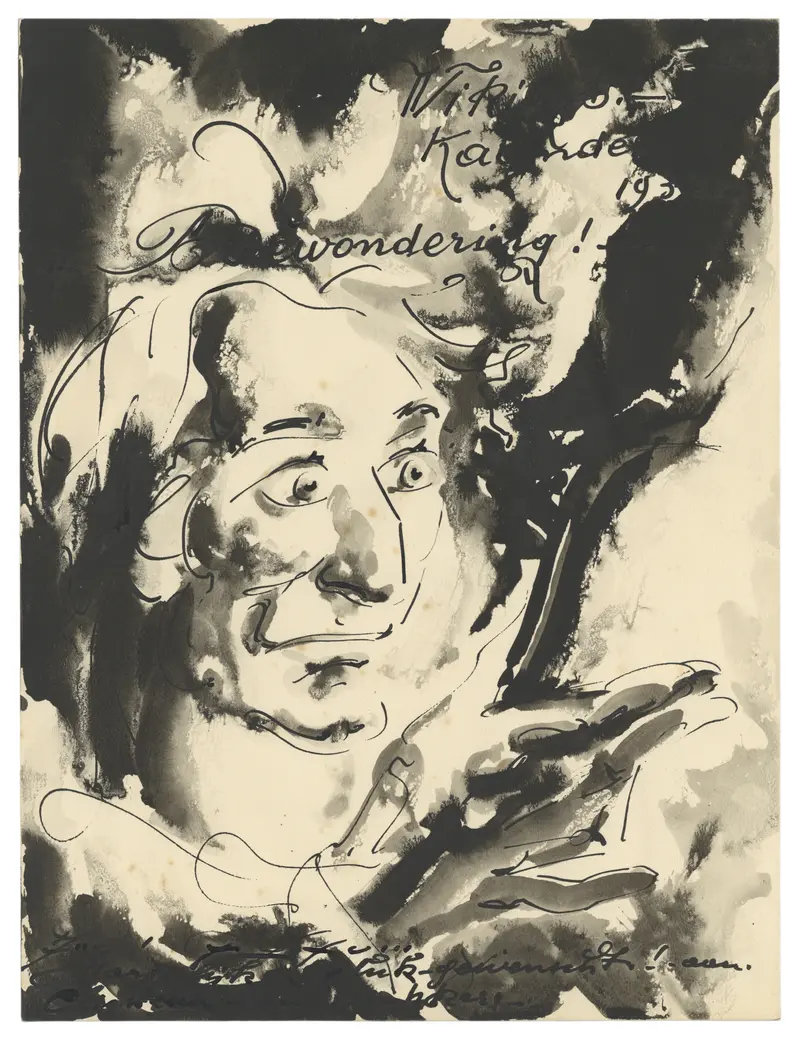
Vikingskalender – II Bewondering
Alfred Ost
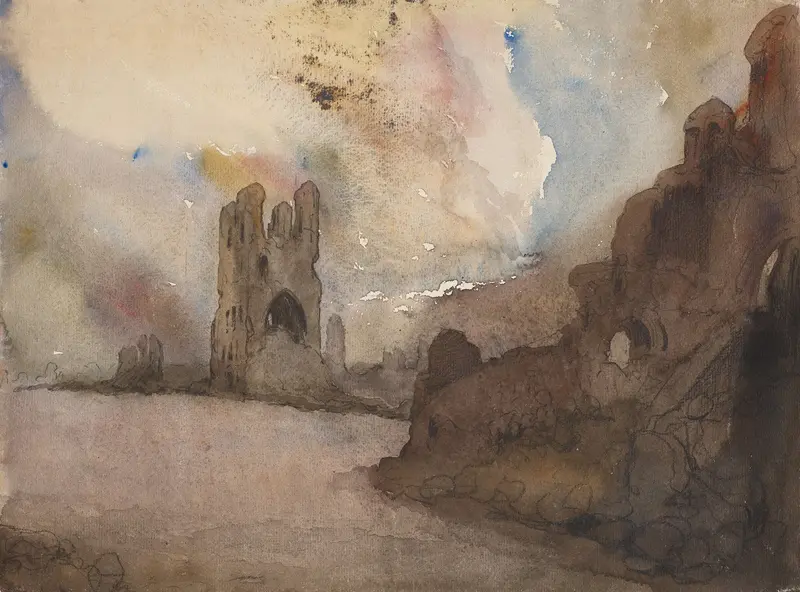
Ypres Remember
Alfred Ost
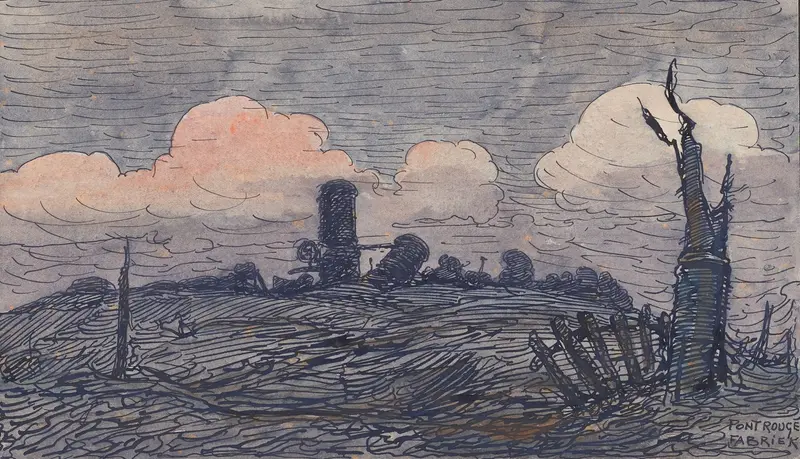
Ypres Remember
Alfred Ost
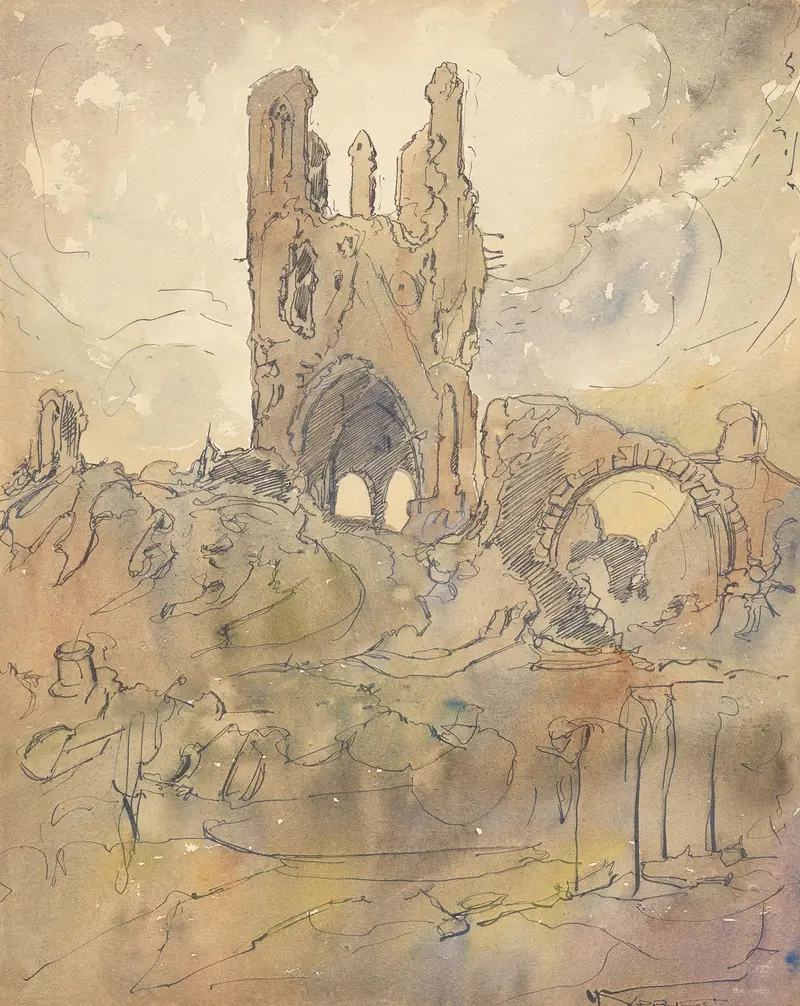
Ypres Remember
Alfred Ost
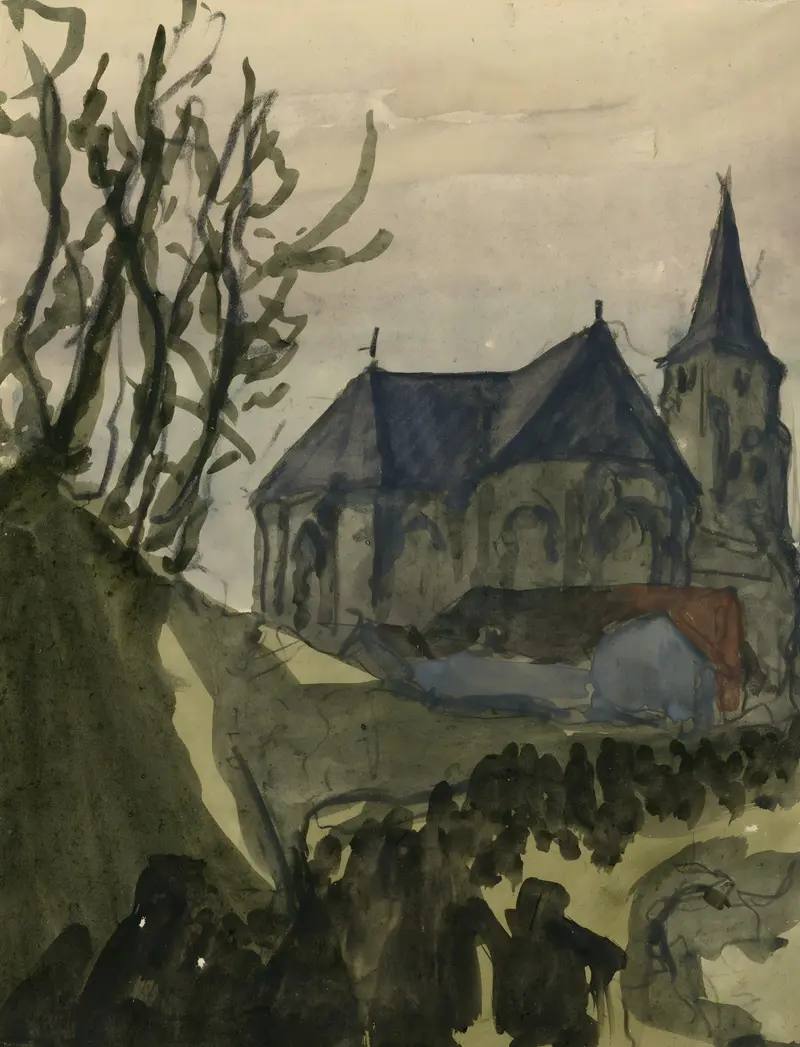
Bedevaarders op weg naar de Sint Salavtorkerk van Hakendover
Alfred Ost
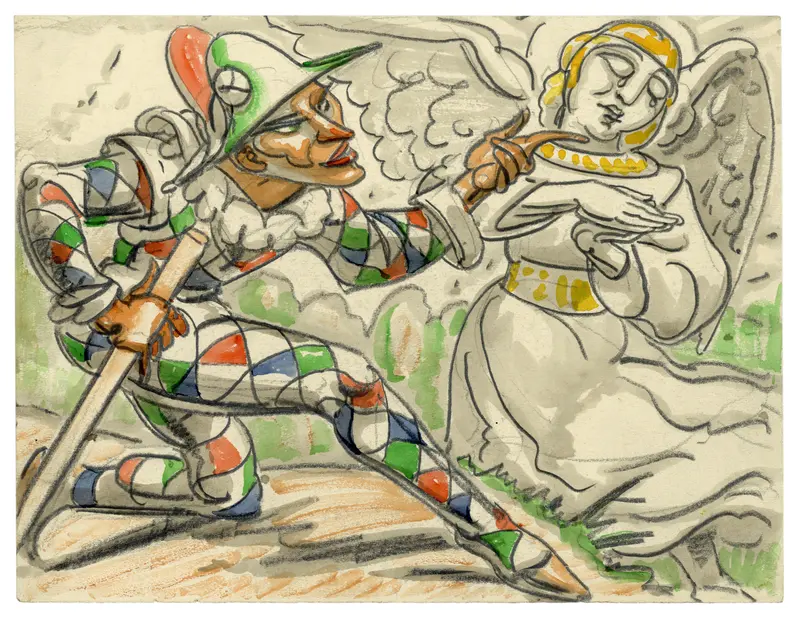
Harlekijn met engel
Alfred Ost

Antwerps havendok
Alfred Ost
More Genre Scene Art

Banquet of the Officers of the St George Civic Guard
Frans Hals

Rembrandt and Saskia in the Scene of the Prodigal Son
Rembrandt van Rijn

Bal du moulin de la Galette
Pierre-Auguste Renoir

Quadrille at the Moulin Rouge
Henri de Toulouse-Lautrec

A Burial at Ornans
Gustave Courbet

When Will You Marry?
Paul Gauguin