
Two Ages — History & Facts
No other painting by Godfried Schalcken has sparked as much speculation as Two Ages, a work whose date and commission remain unknown. The painting’s title alone invites debate: is it a meditation on youth and age, or a veiled allegory of love’s passage? Art historians have long puzzled over whether Schalcken painted more than one version, as references to a “pair of figures, one young, one old, by Schalcken” appear sporadically in 18th-century inventories. The lack of a clear provenance has only deepened the mystery, making Two Ages a favorite subject for catalogues and connoisseurs alike. Schalcken, renowned for his candlelit interiors, here freezes a moment of quiet confrontation.
A young woman and an elderly man sit together, their faces caught in the soft glow of a single lamp. The girl’s gaze is direct, almost challenging, while the older figure’s hand hovers between offering and restraint. The careful rendering of pearls at her throat and the old man’s worn velvet sleeve speak to the passage of time and the contrast between innocence and experience.
Unlike the moralizing tone of Jan Steen’s genre scenes, Schalcken’s treatment is ambiguous: is this a warning, a seduction, or simply the cycle of life? The interplay of light and shadow, a hallmark of Schalcken’s style, suggests that the answer lies as much in what is hidden as in what is revealed. The precise origins of Two Ages are lost, but the painting is typical of the small, intimate canvases Schalcken produced for private collectors in the late 17th century. Without a documented patron or early inventory, its journey through the centuries is largely uncharted. It is likely that the work changed hands in the bustling Dutch art market, prized for its technical finesse and enigmatic subject.
Today, Two Ages survives as a testament to Schalcken’s skill at capturing psychological tension in domestic scenes, and as a reminder of the many secrets that still linger in the shadows of Baroque painting.
More Artworks by Godfried Schalcken

Young Man and Woman Studying a Statue of Venus, by Lamplight
Godfried Schalcken

Portrait of an Artist in His Studio
Godfried Schalcken
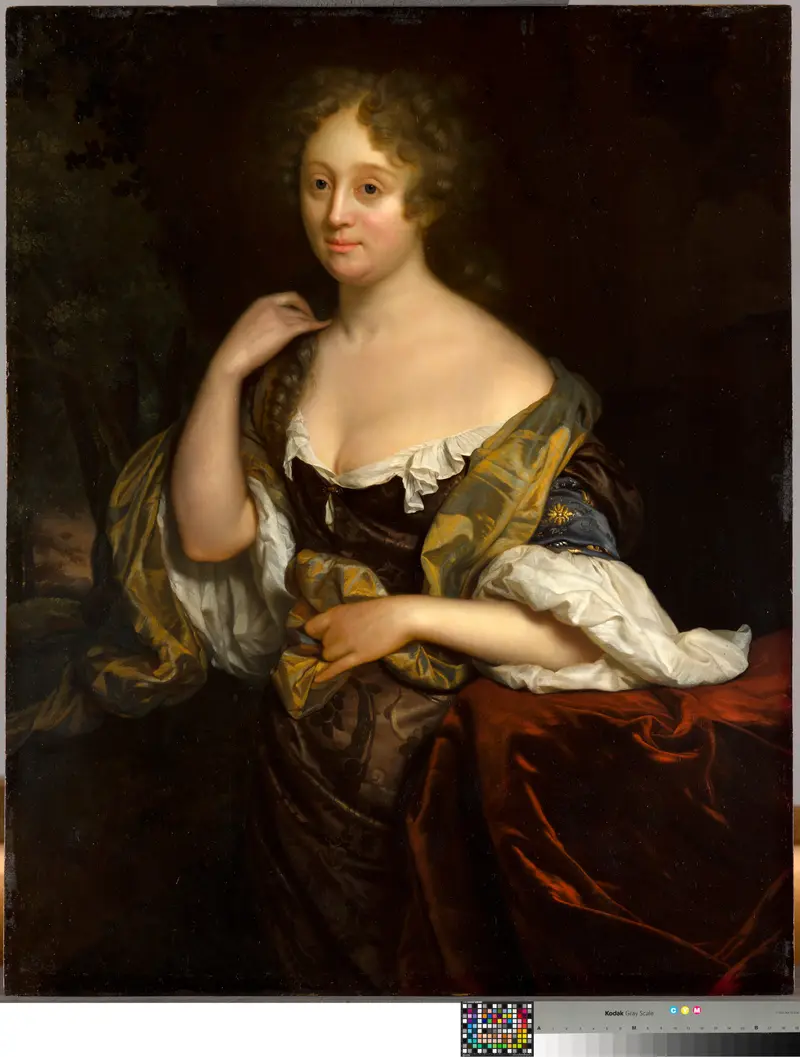
Portrait of Isabella Agneta Deutz
Godfried Schalcken
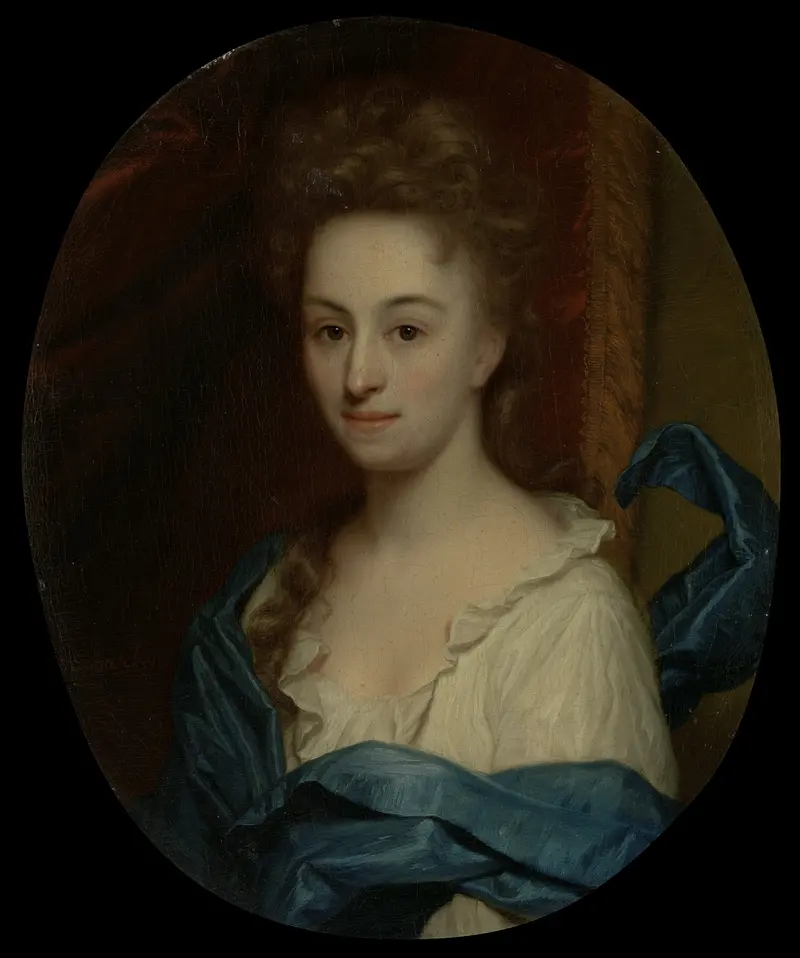
Portrait of Josina Clara van Citters (1671-1753), daughter of Josina Parduyn
Godfried Schalcken
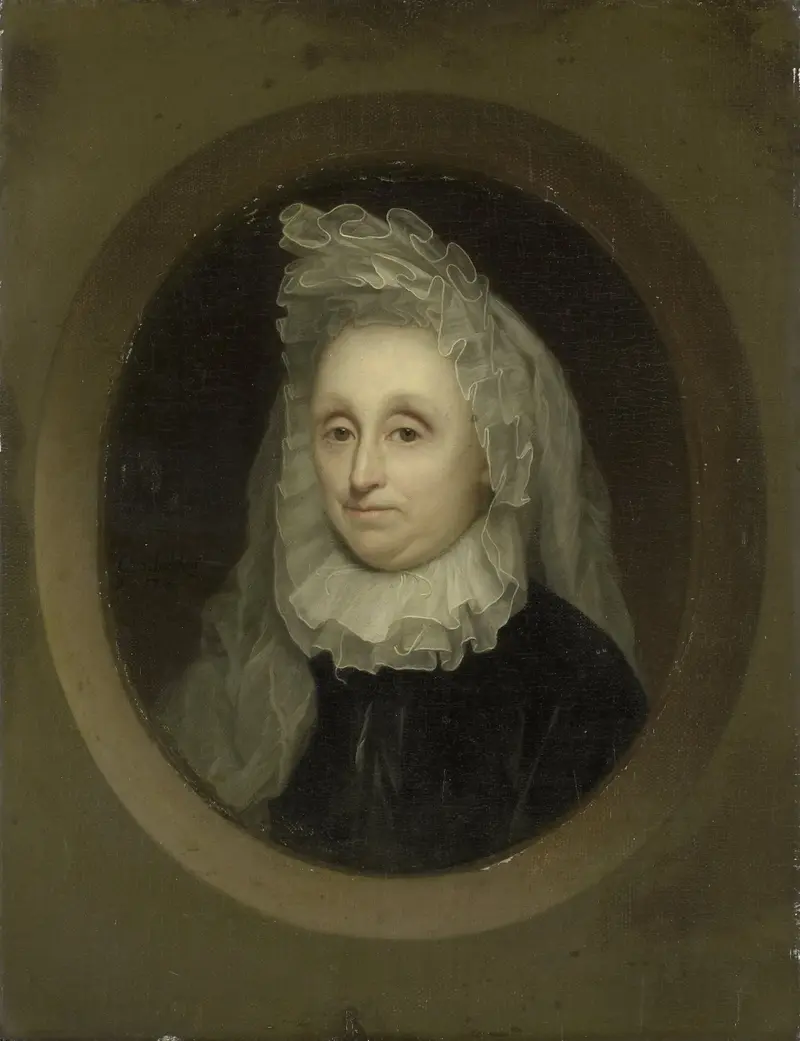
Portrait of Josnia Parduyn (1642-1718), second wife of Aernout van Citters
Godfried Schalcken
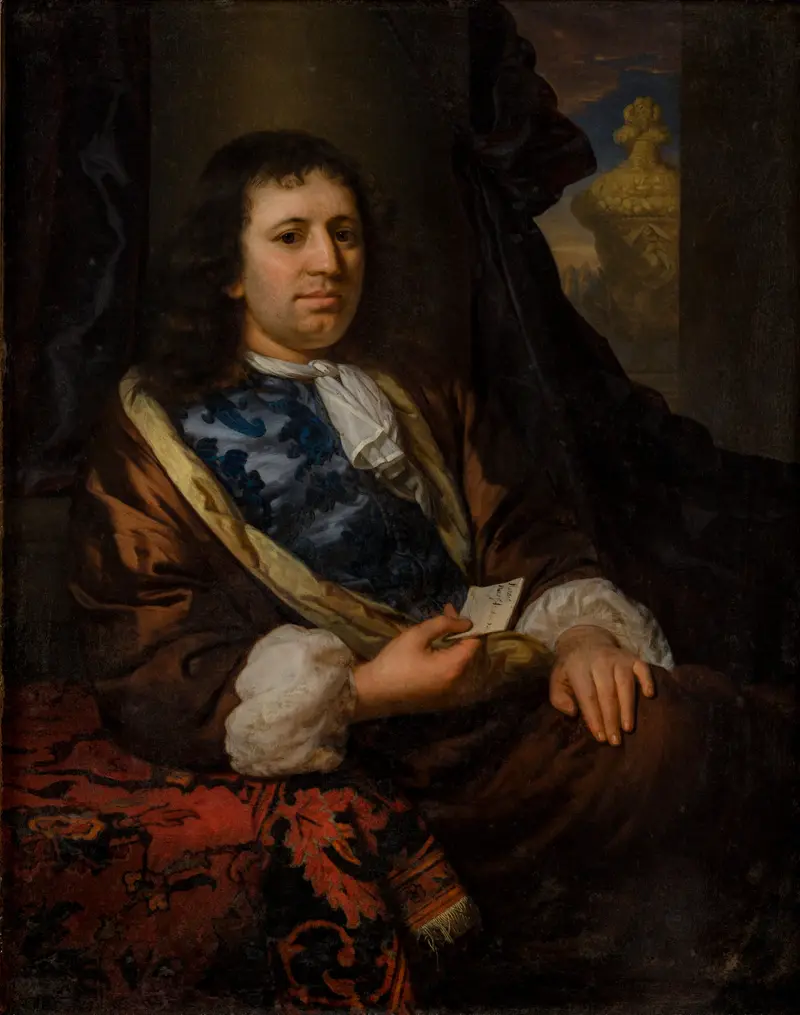
Portret van Johan de Bruin (1678-
Godfried Schalcken
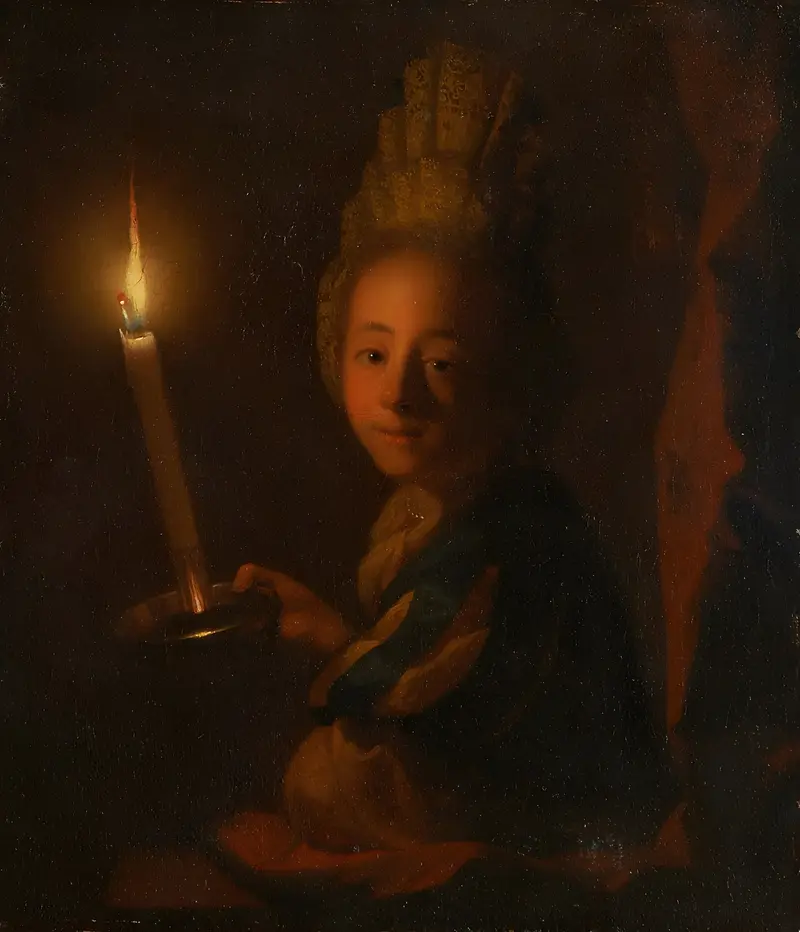
Girl with Burning Candle
Godfried Schalcken
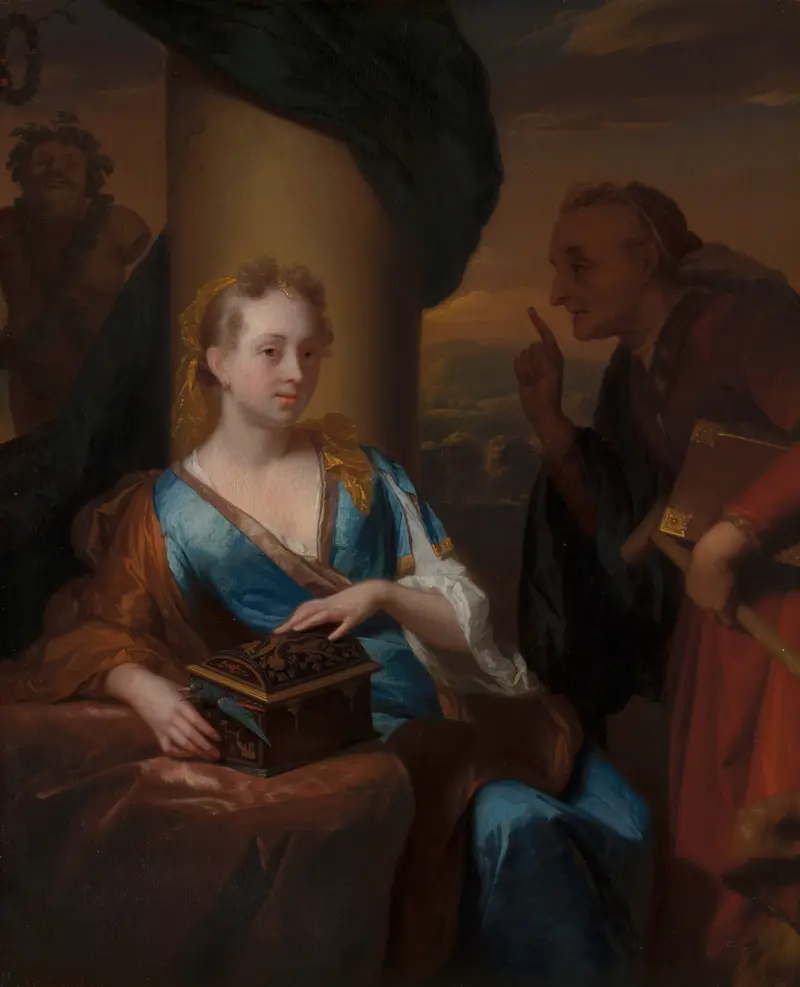
A Useless Moral Lesson
Godfried Schalcken
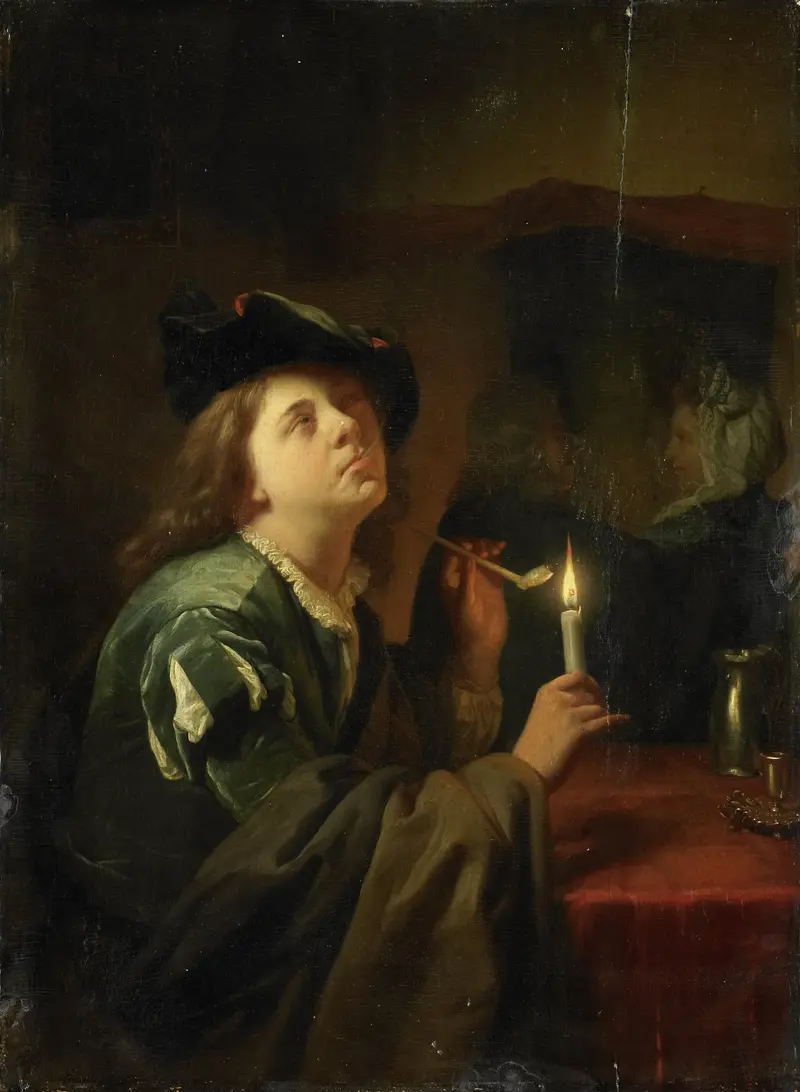
‘Differing tastes’
Godfried Schalcken
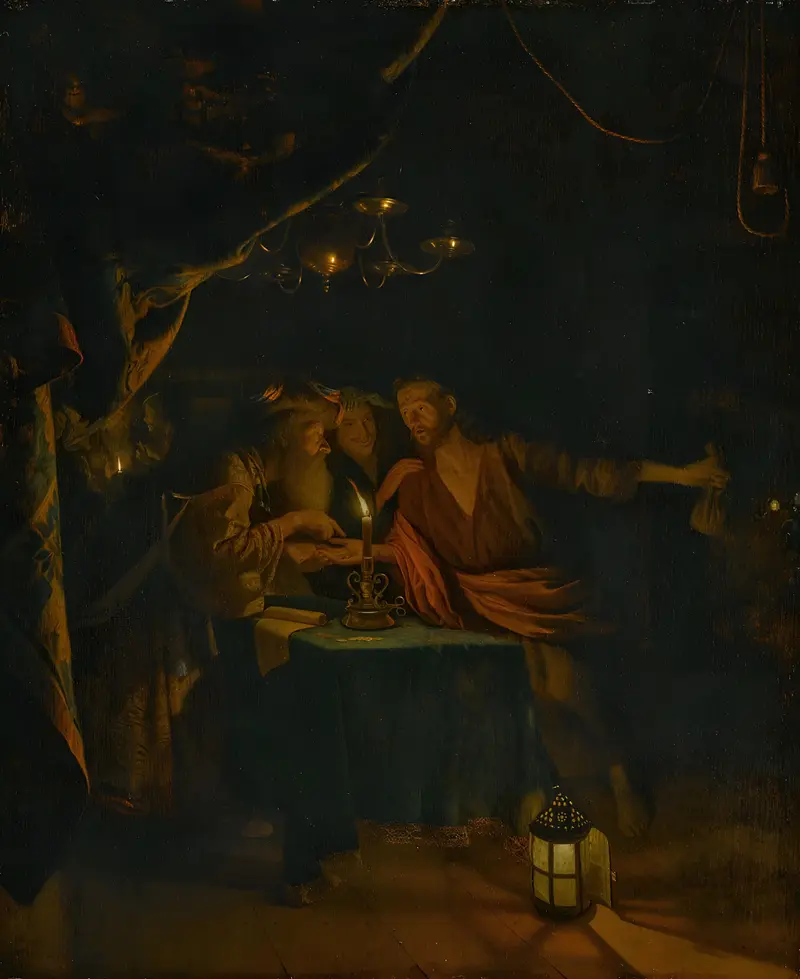
The betrayal of Judas
Godfried Schalcken





