
Two Girls in a Rowboat — History & Facts
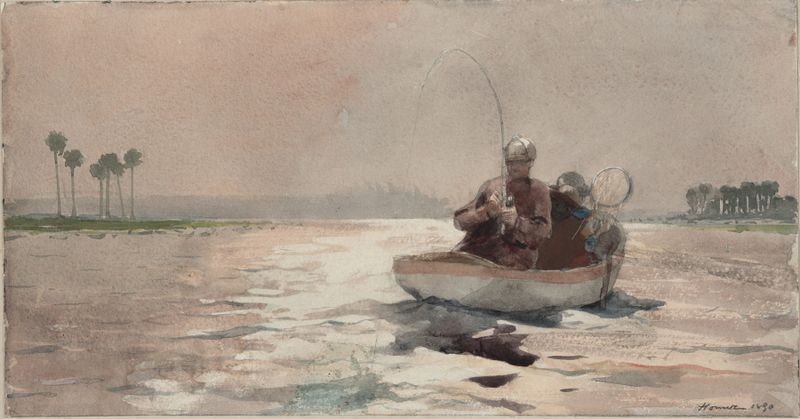
Did the painter know this moment would outlive them? In Two Girls in a Rowboat, the stillness of the scene belies the underlying currents of youthful awakening and innocence, capturing a fleeting moment that echoes through time. Look to the left at the gentle curves of the boat, its white hull contrasting with the deep blues and greens of the water, where reflections ripple like whispered secrets. Notice how the sunlight bathes the girls, illuminating their faces in soft warmth, while the shadows create a sense of depth and intimacy. The composition is balanced, inviting the viewer to linger and absorb the serene harmony between the figures and their surroundings. The contrast between the stillness of the water and the girls’ poised excitement hints at the precariousness of youth.
Their expressions, captured mid-laughter, reveal an unguarded joy, yet the calm water serves as a reminder of both tranquility and the potential for turbulence beneath the surface. This moment solidifies a delicate tension, encapsulating the duality of childhood—the innocence of exploration amid the encroaching reality of adulthood. Winslow Homer painted this scene in 1880, a period marked by his deepening interest in the American experience and the complexities of nature. Working in coastal Maine, he focused on capturing both the beauty and rawness of human interactions with the environment.
At this time, his reputation was solidifying as a master of realism, reflecting the evolving dynamics of American life and art.
More Artworks by Winslow Homer
Browse all →
The Gulf Stream
Winslow Homer
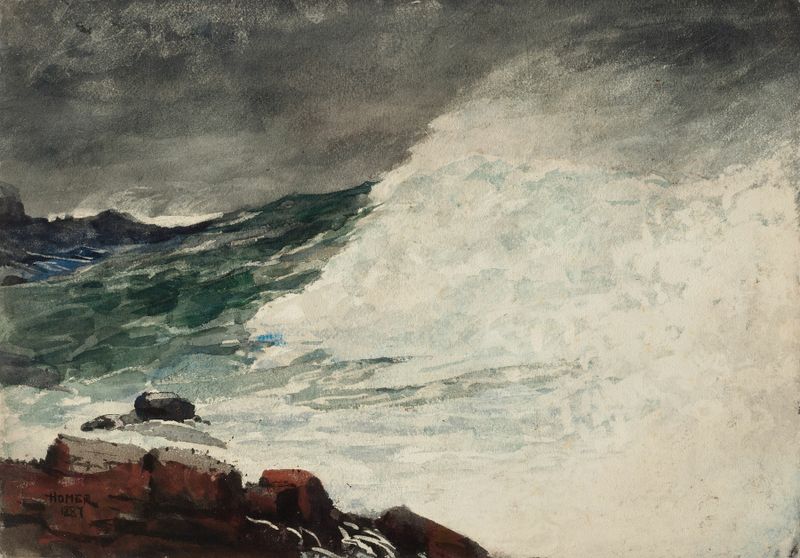
Prout’s Neck, Breaking Wave
Winslow Homer
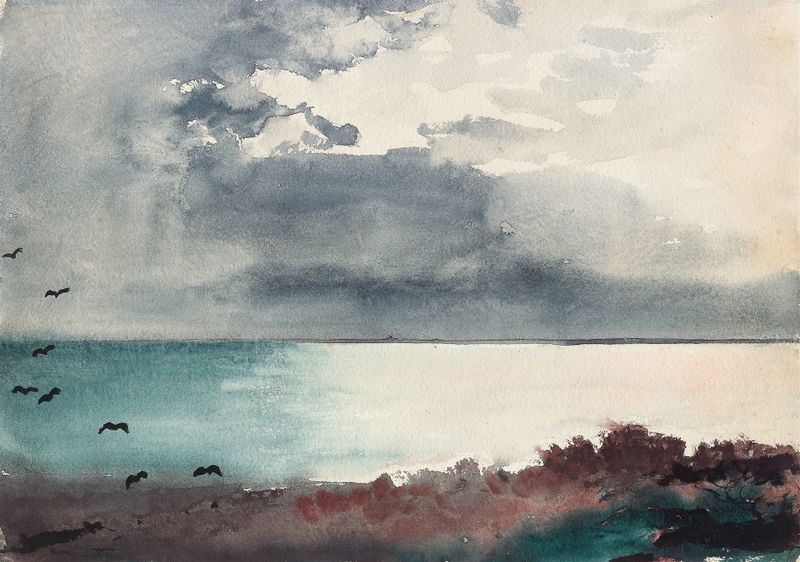
Breaking Storm, Coast of Maine
Winslow Homer
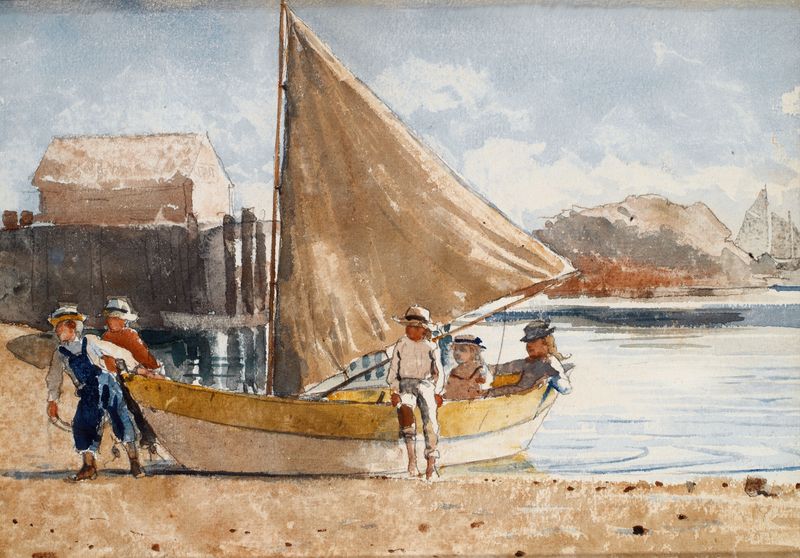
Summertime
Winslow Homer
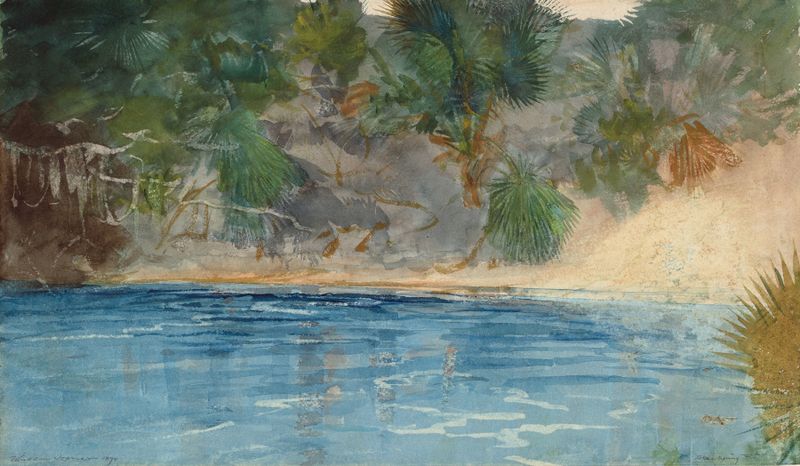
Blue Spring, Florida
Winslow Homer
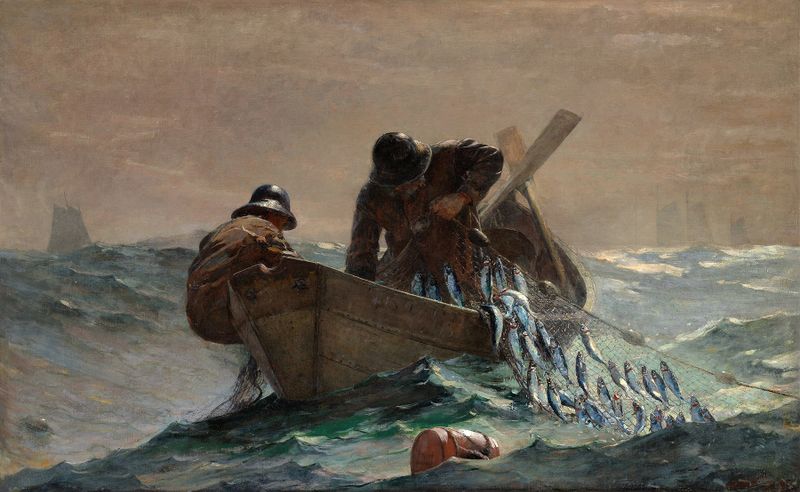
The Herring Net
Winslow Homer
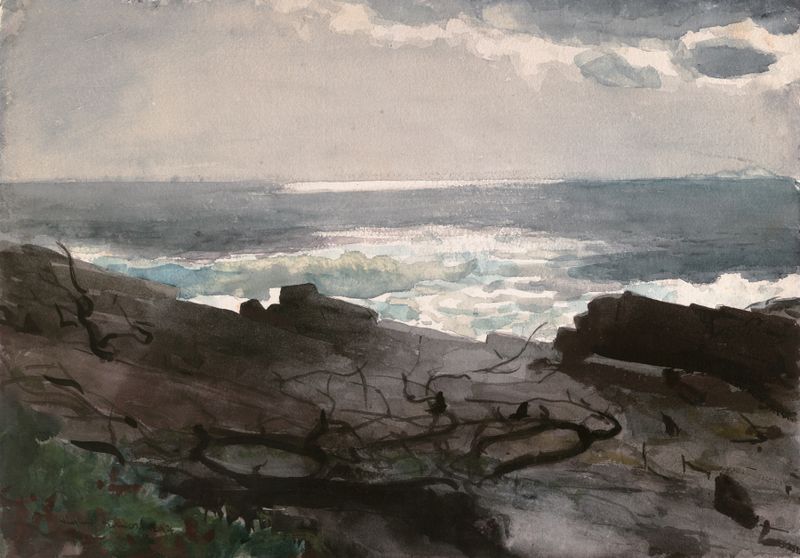
Sunshine and Shadow, Prout’s Neck
Winslow Homer
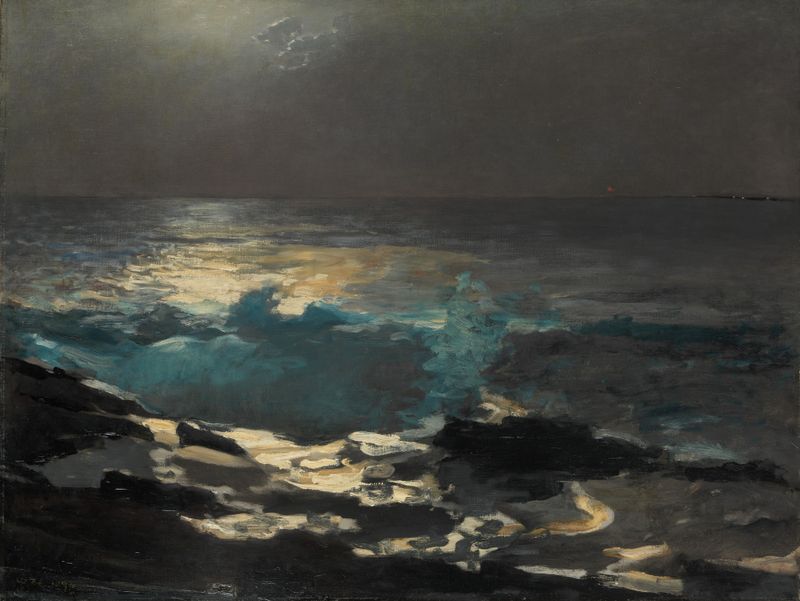
Moonlight, Wood Island Light
Winslow Homer
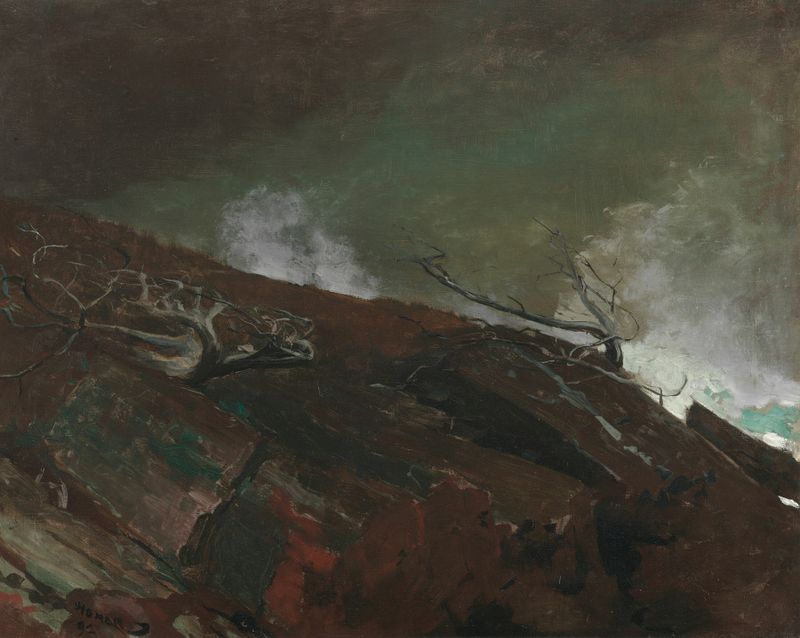
Coast of Maine
Winslow Homer
Bass Fishing – Florida
Winslow Homer




