
Two Guides — History & Facts
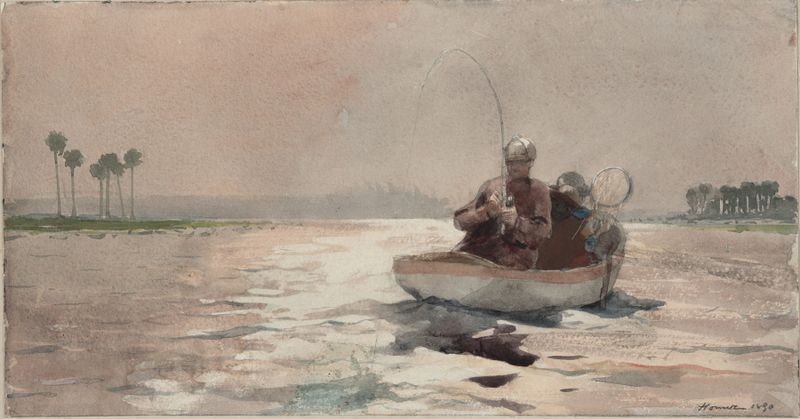
In the quiet moments of memory, we find the echoes of what it means to be human. Look to the left at the two figures standing on the rocky shore, their postures embodying both companionship and contemplation. The artist employs a muted palette, the grays and blues of the sea merging with the ochres of the land, creating a harmonious yet somber atmosphere. Notice how the light bathes the guides, casting elongated shadows that stretch back into the depths of the canvas, hinting at the weight of their knowledge and the paths they have traveled. Beneath the surface, there is a profound tension between guidance and solitude.
The contrast of the guides' steady presence against the wild, turbulent sea evokes the struggle of navigating life’s uncertainties. Their unyielding stances suggest wisdom, yet their gazes are distant, contemplating unseen memories, perhaps of journeys not yet undertaken. This duality invites the viewer to reflect on their own paths, the choices that shape one’s existence. In 1877, the artist created this work during a period of intense personal exploration, following his return from the Civil War.
Living in Maine, Homer was deeply influenced by the coastal landscape and its ruggedness, mirroring the emotional complexity of his experiences. This was a time of transition in American art as well, where realism began to intertwine with the emerging modernist sentiments, allowing him to express deeper truths through his observant brushwork.
More Artworks by Winslow Homer
Browse all →
The Gulf Stream
Winslow Homer
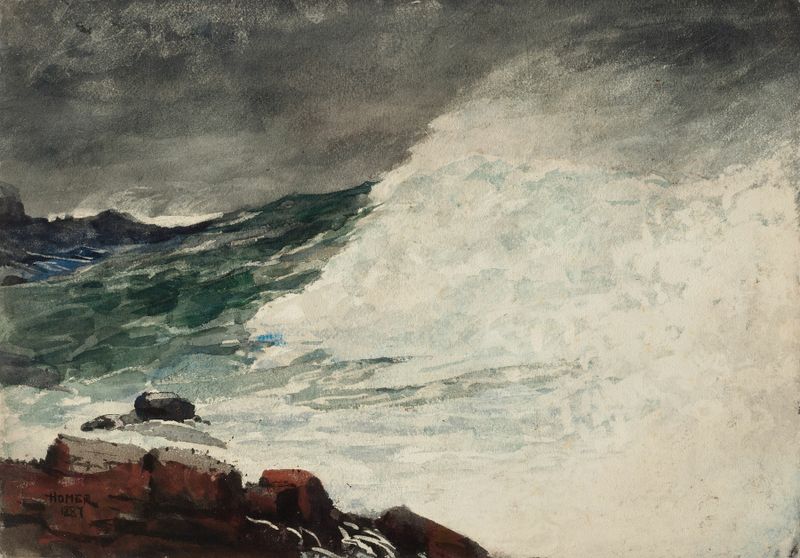
Prout’s Neck, Breaking Wave
Winslow Homer
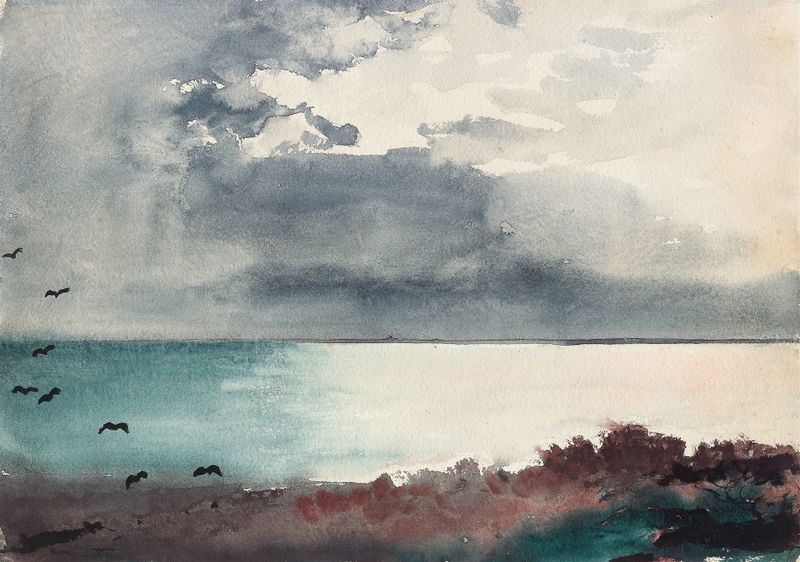
Breaking Storm, Coast of Maine
Winslow Homer
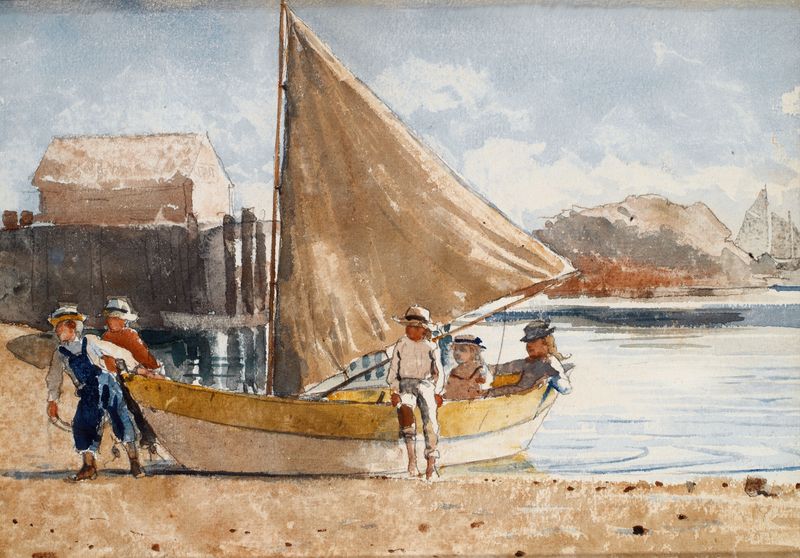
Summertime
Winslow Homer
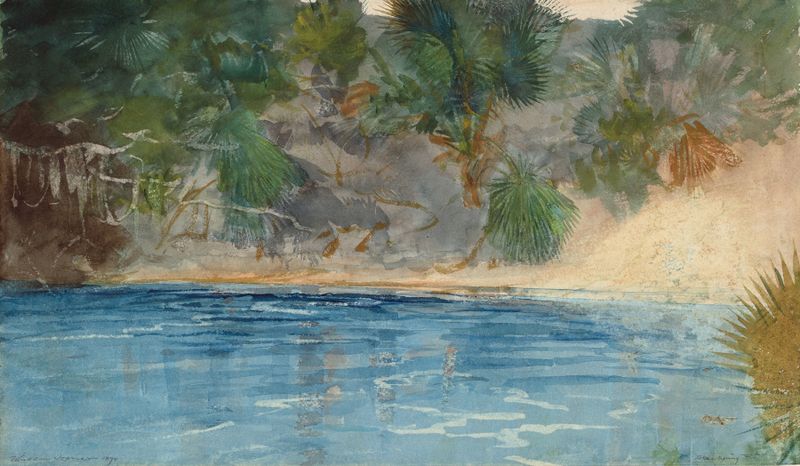
Blue Spring, Florida
Winslow Homer
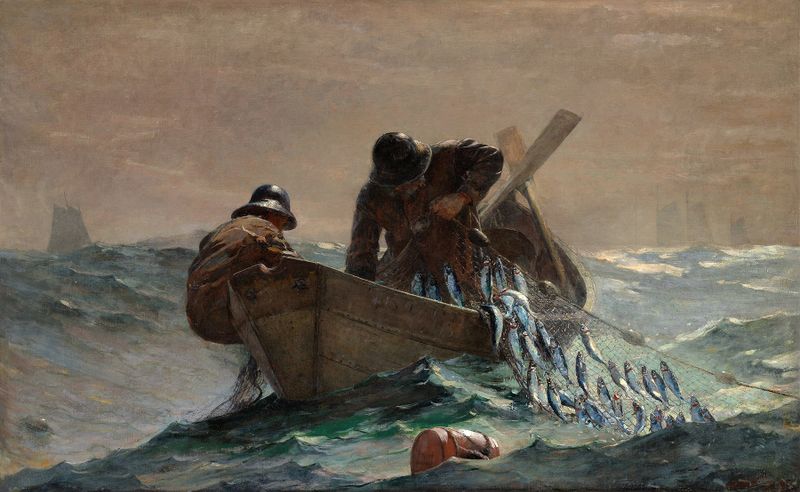
The Herring Net
Winslow Homer
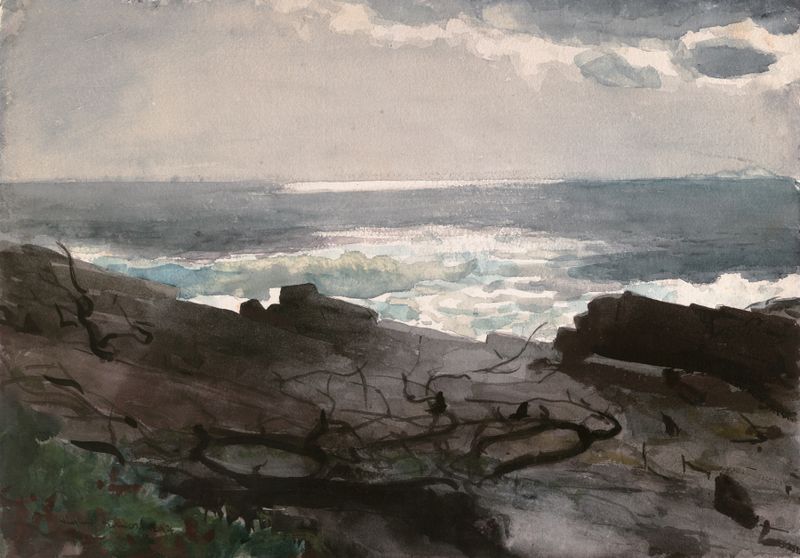
Sunshine and Shadow, Prout’s Neck
Winslow Homer
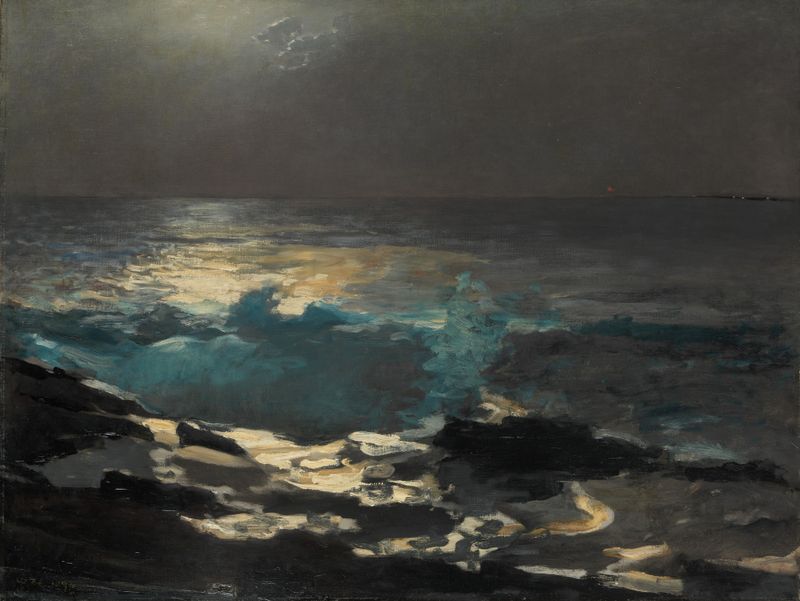
Moonlight, Wood Island Light
Winslow Homer
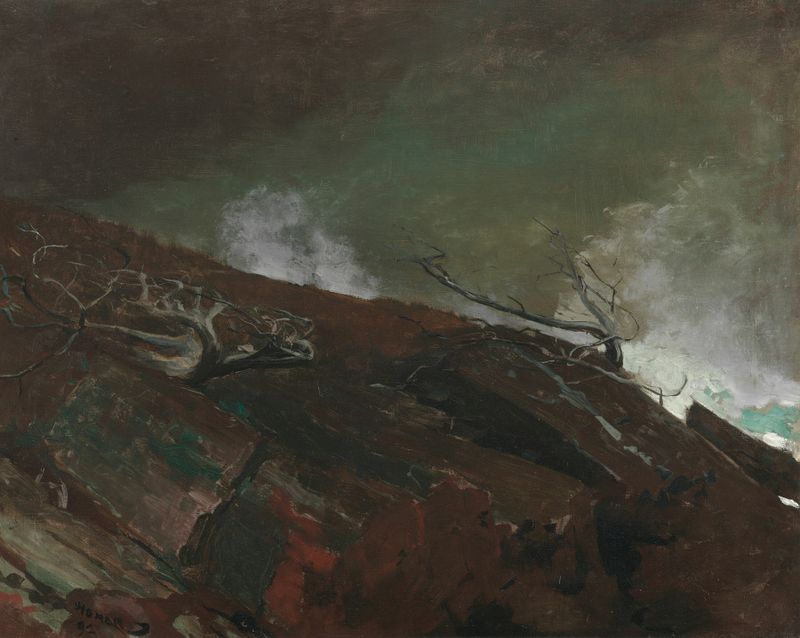
Coast of Maine
Winslow Homer
Bass Fishing – Florida
Winslow Homer




