
Tynemouth Priory, England — History & Facts
In the stillness of the coastal landscape, a sense of longing echoes in the void, where nature and history intertwine. Focus first on the crumbling silhouette of Tynemouth Priory against a vast, atmospheric sky. The muted hues of grey and blue evoke a somber tranquility, while the gentle brushstrokes suggest the erosion of time. As the eye travels across the canvas, notice how the light delicately caresses the stone ruins, illuminating patches of green and hinting at life amidst decay.
This juxtaposition of vibrant colors and stark outlines forms a poignant dialogue between resilience and abandonment. Digging deeper, the painting reveals layers of meaning. The empty space around the priory may symbolize solitude and the passage of time, while the tranquil sea reflects a deeper emotional landscape, perhaps indicating the inner voids of humanity. The contrast of solid stone structures and the ephemeral nature of the surrounding seascape calls into question permanence and legacy, prompting the viewer to reflect on their own existence. In 1881, the artist found himself navigating the complexities of American realism while on a journey in England.
At this time, Winslow Homer was deeply engaged with themes of solitude and nature, responding to the shifting dynamics of the art world and his personal explorations. Tynemouth Priory stands as a testament to his evolving vision, capturing the essence of a fleeting moment while inviting contemplation of life’s enduring mysteries.
More Artworks by Winslow Homer
Browse all →
The Gulf Stream
Winslow Homer

Prout’s Neck, Breaking Wave
Winslow Homer
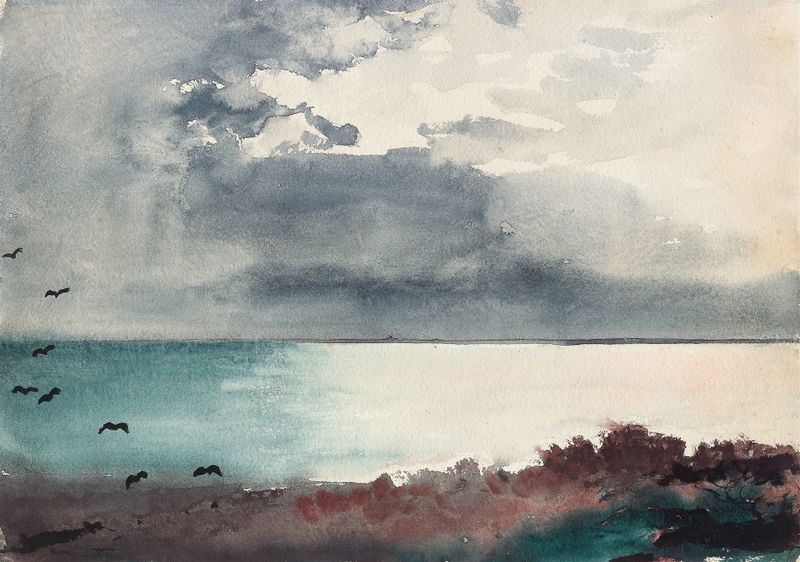
Breaking Storm, Coast of Maine
Winslow Homer

Summertime
Winslow Homer

Blue Spring, Florida
Winslow Homer

The Herring Net
Winslow Homer
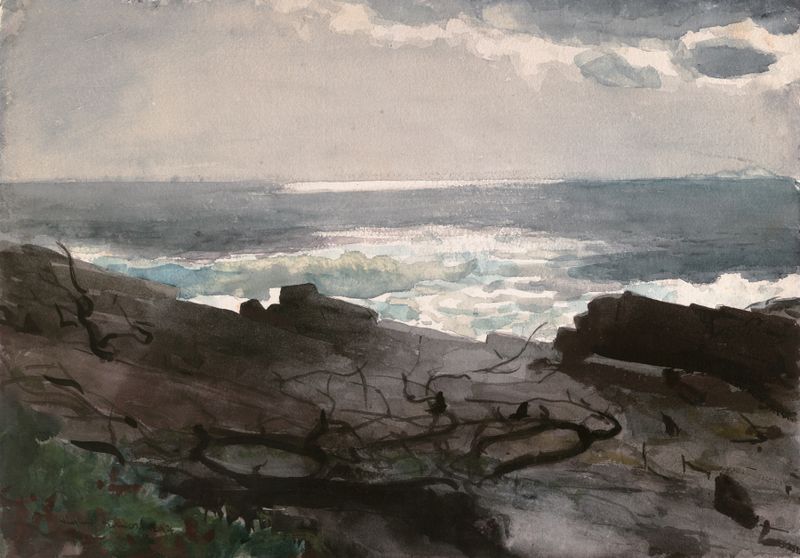
Sunshine and Shadow, Prout’s Neck
Winslow Homer
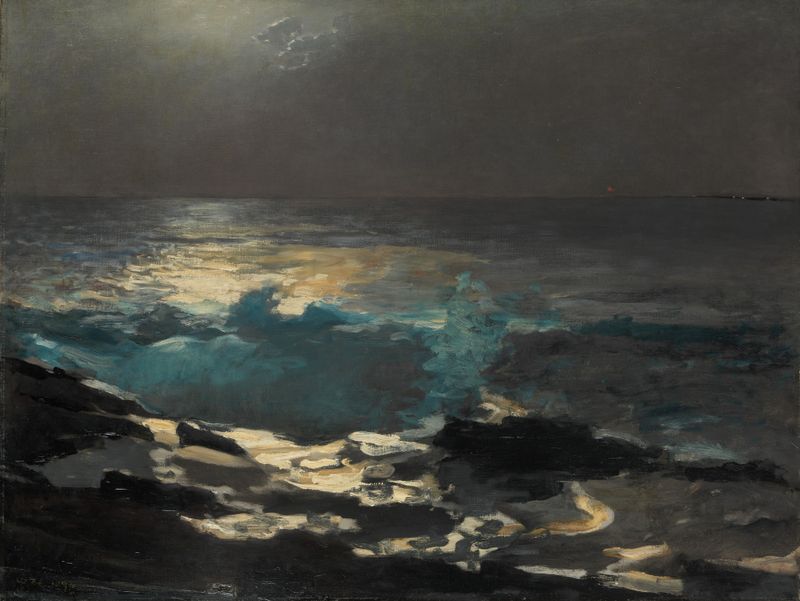
Moonlight, Wood Island Light
Winslow Homer
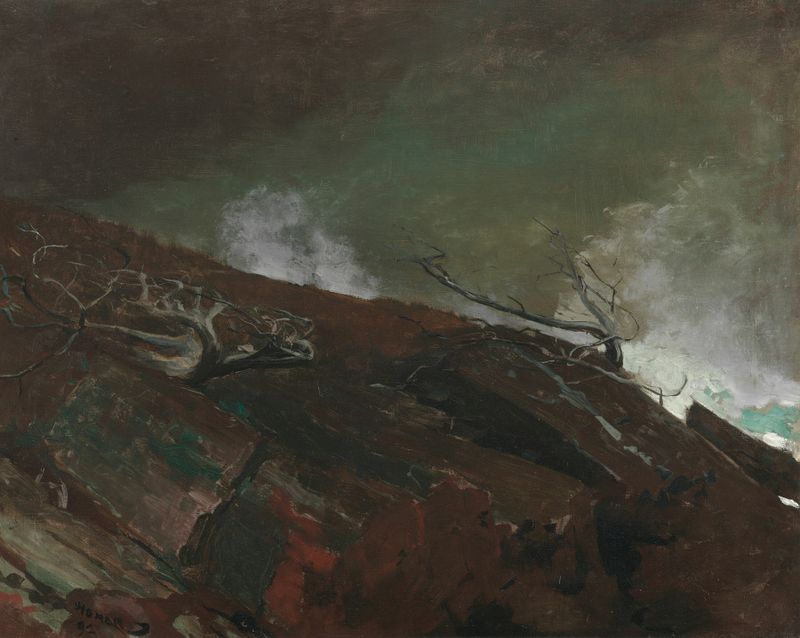
Coast of Maine
Winslow Homer
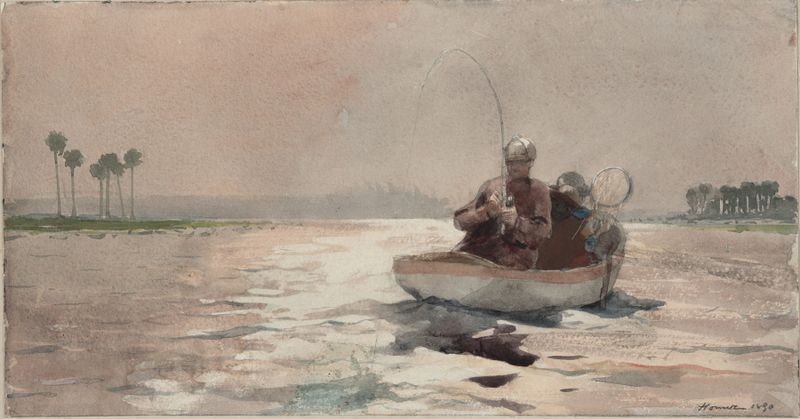
Bass Fishing – Florida
Winslow Homer





