
Ubalde et le chevalier Danois — History & Facts
A current of tension and rescue pulses through Ubalde et le chevalier Danois, drawing the viewer into a world where myth and theater collide. The eye is immediately caught by the dramatic gesture of the armored figures, their arms outstretched toward pleading women at the water’s edge. The central male, his gaze alert and commanding, seems to orchestrate both the rescue and the ritual, his baton bridging the lush banquet behind him and the urgent drama before him.
The women, half-submerged and draped in classical fabrics, embody vulnerability and hope, their gestures a choreography of supplication and gratitude. Light pools on bare skin and polished armor, heightening the sense of revelation and decision. This is a painting that stages its narrative with the clarity and grandeur of late eighteenth-century French history painting. The figures are arranged in a sweeping arc, their bodies echoing the flow of the river and the curve of the laden table, while the landscape opens behind them into a distant, idealized world.
The palette is rich but controlled: the cool blues and greens of water and drapery are set against the warmth of fruit, flesh, and crimson cloaks, creating a visual tension that mirrors the emotional stakes. Every detail, from the oar abandoned in the shallows to the overflowing cornucopia, signals allegory and abundance, inviting the viewer to read the scene as both a literal rescue and a symbolic deliverance. The painting’s theatricality and precision recall the influence of Louis-Jean-François Lagrenée’s contemporaries, yet the composition’s clarity and the psychological interplay among the figures are distinctly his own. History has kept few traces of this particular canvas, now documented in the collection of Sotheby’s, but its style and ambition speak to the world of grand salons and academic commissions.
In Lagrenée’s era, such mythological and literary scenes were prized by collectors eager to display both their erudition and their taste for spectacle. These works were more than decoration: they were conversation pieces, invitations to ponder virtue, fate, and the roles of men and women in the world of legend. As you return your gaze to the painting, consider how every gesture and glint of light is designed to hold you in the moment between peril and salvation.
More Artworks by Louis-Jean-François Lagrenée
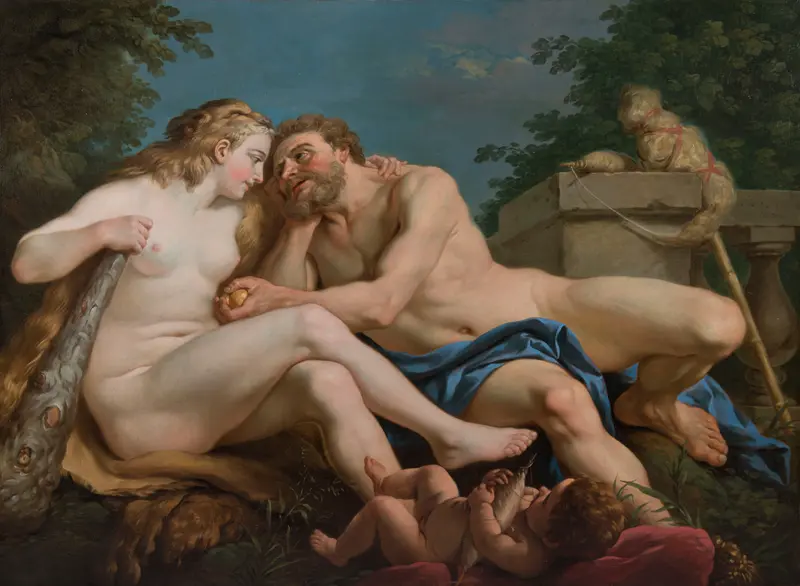
Herkules and Omphale
Louis-Jean-François Lagrenée
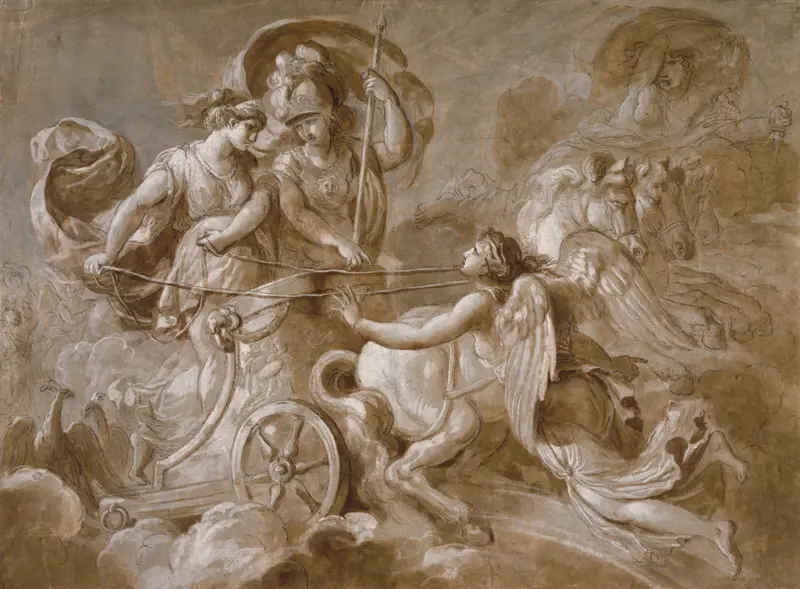
Iris Approaching Athena and Hera
Louis-Jean-François Lagrenée
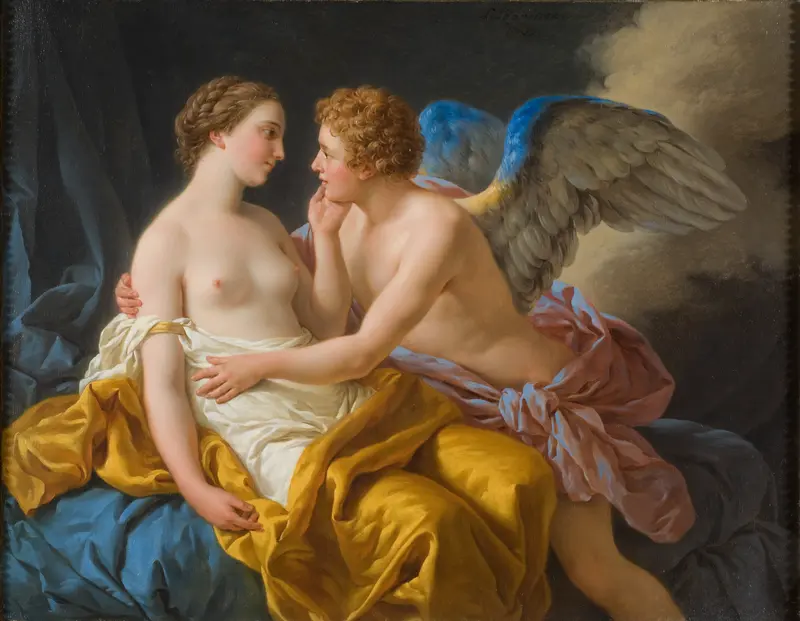
Cupid and Psyche
Louis-Jean-François Lagrenée
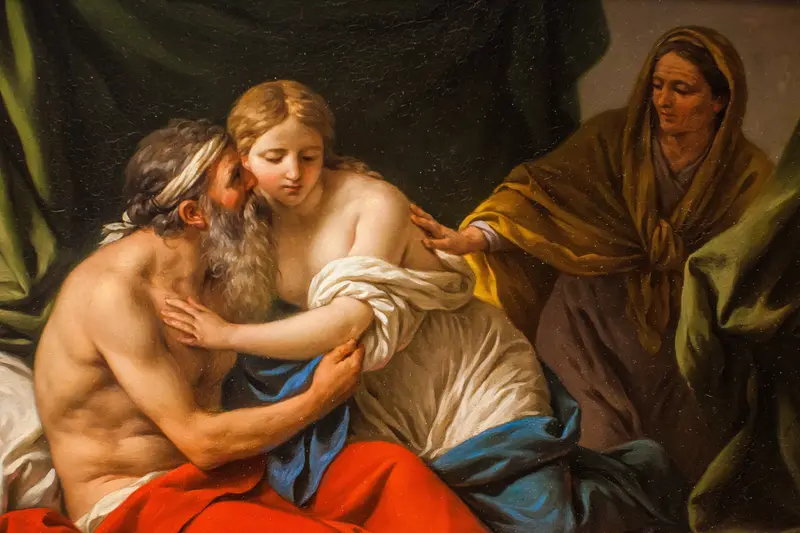
Sarah Presenting Hagar to Abraham
Louis-Jean-François Lagrenée
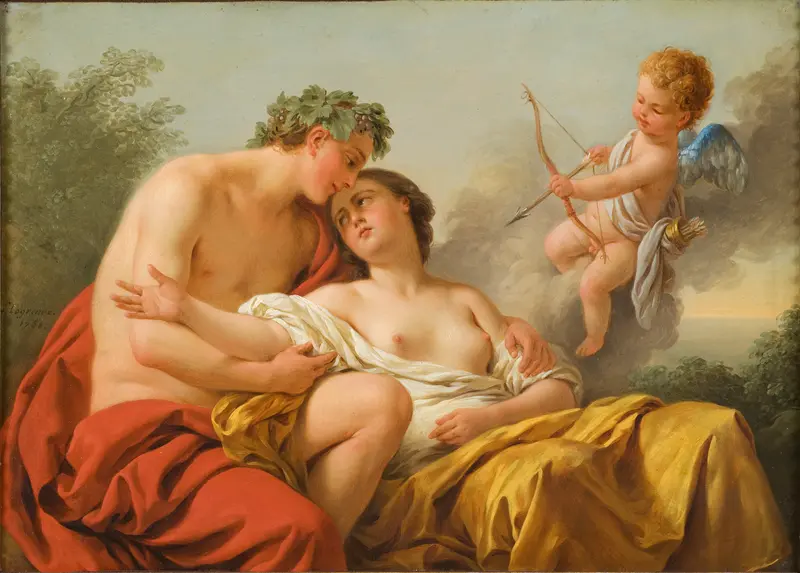
Bacchus and Ariadne
Louis-Jean-François Lagrenée
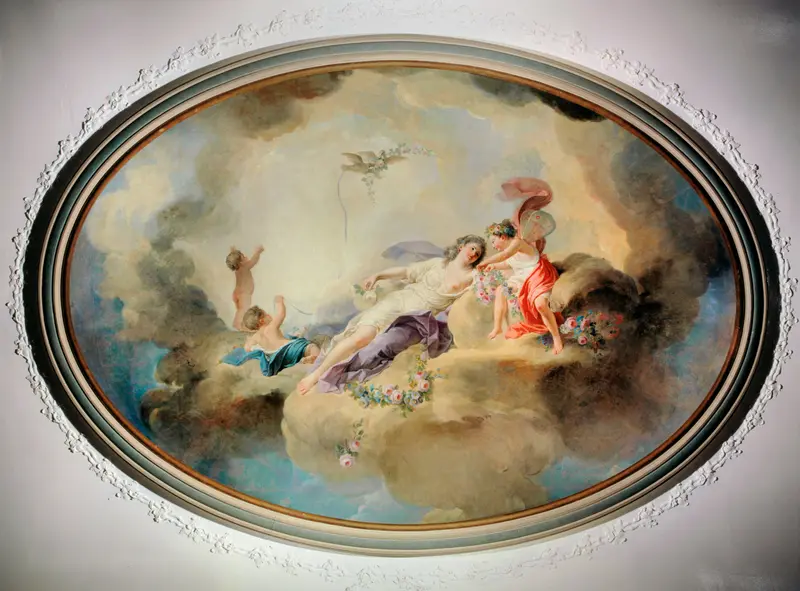
Louis Jean François Lagrenée Le triomphe de Flore P787 Musée Carnavalet
Louis-Jean-François Lagrenée
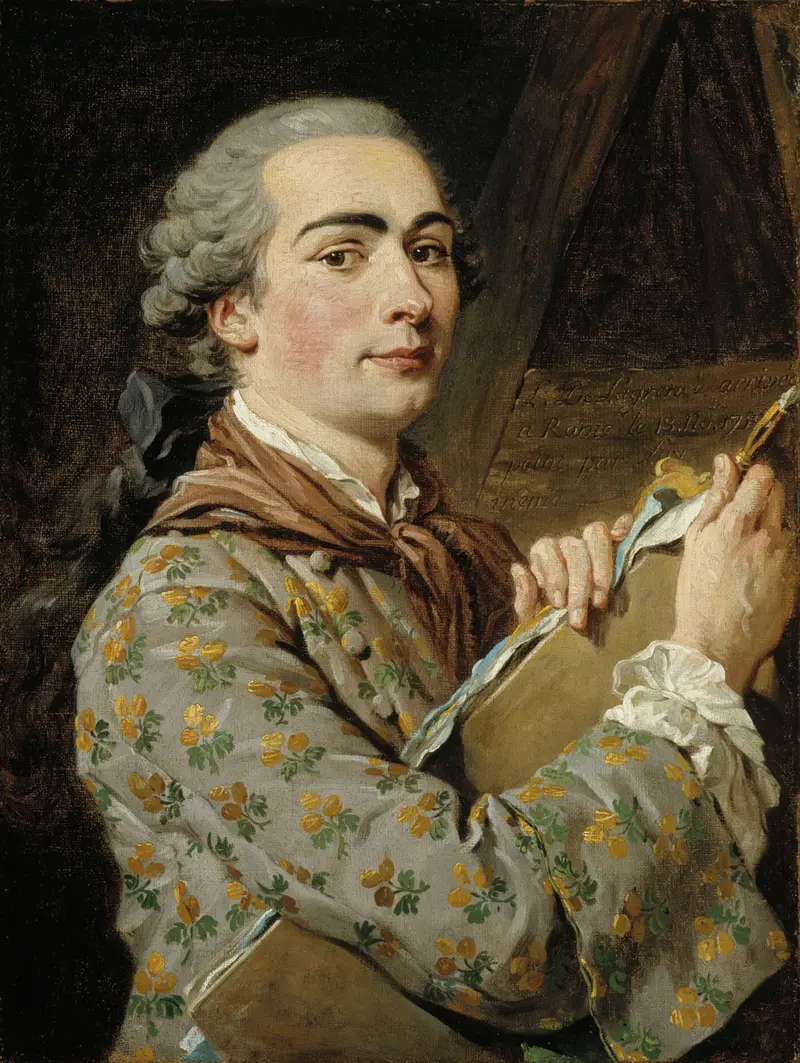
Self-Portrait
Louis-Jean-François Lagrenée
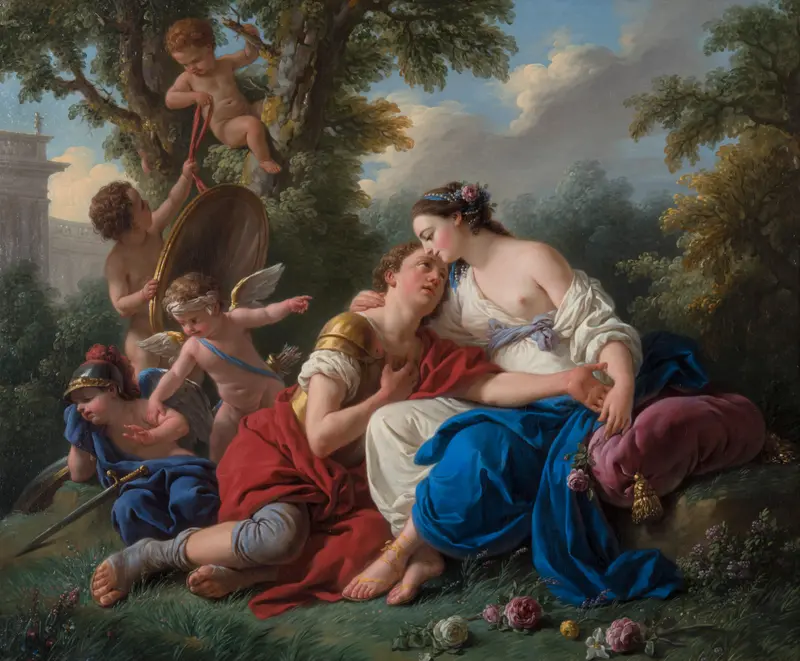
Rinaldo and Armida
Louis-Jean-François Lagrenée
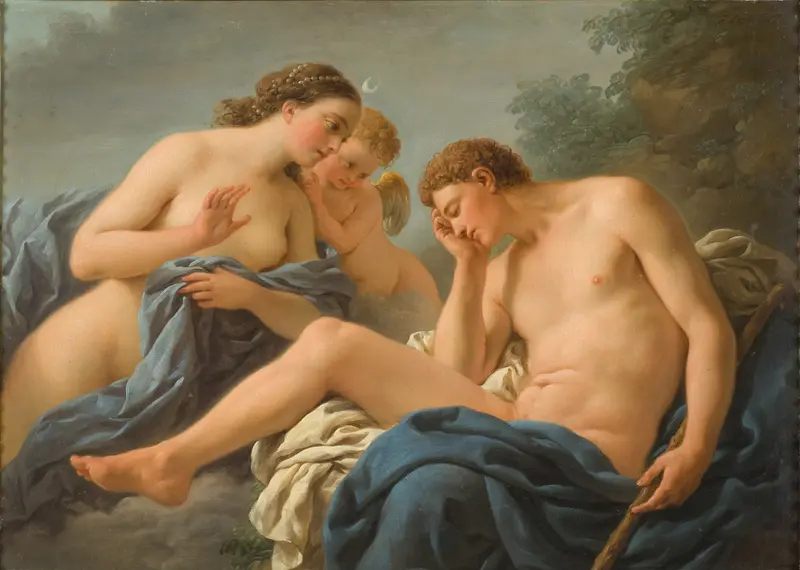
Diana and Endymion
Louis-Jean-François Lagrenée
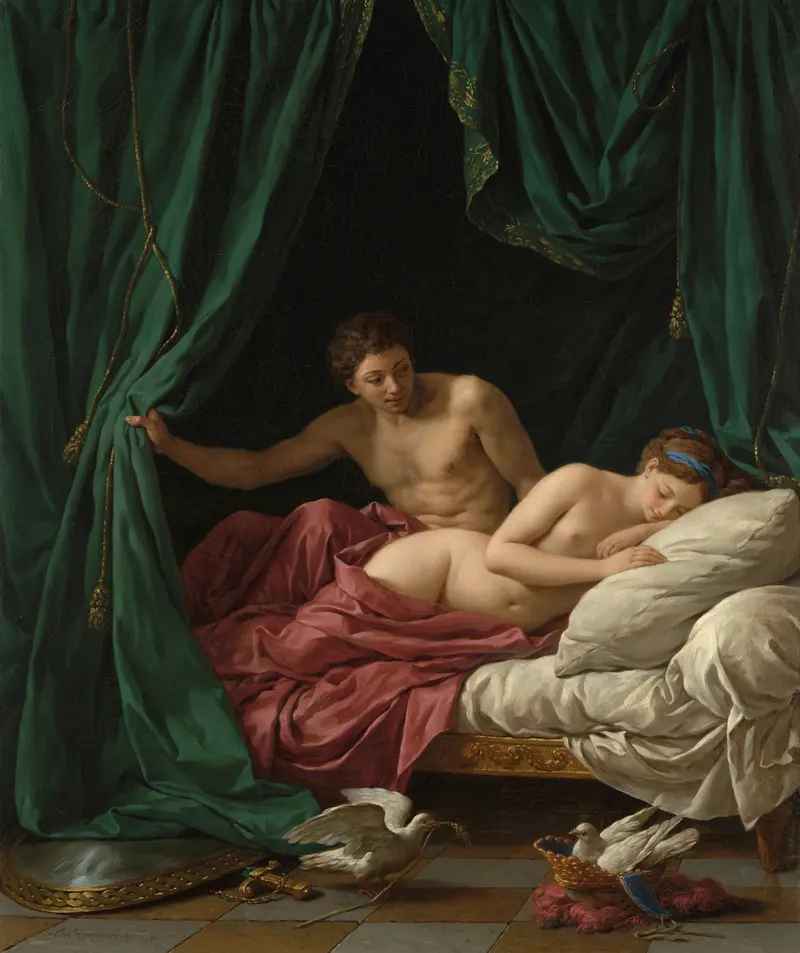
Mars and Venus, Allegory of Peace
Louis-Jean-François Lagrenée





