
Uhoľný trh v Ostrave — History & Facts
Who listens when art speaks of silence? In Uhoľný trh v Ostrave, Jozef Teodor Mousson captures a moment that reverberates with unspoken stories, evoking a profound sense of awakening amid the chaos of daily life. Look to the foreground, where figures navigate the bustling coal market, their postures and gestures conveying a blend of urgency and resignation. The earthy tones of browns and blacks dominate the palette, with flashes of muted color indicating the various aspects of their labor. Notice how the light spills across the scene, highlighting the glint of coal dust on worn hands and creating a stark contrast between the dullness of the environment and the vibrancy of human activity. Within this tableau lies an exploration of socio-economic tensions; the hard work and toil of the laborers reflect not only the grittiness of their existence but also the fleeting nature of their dreams.
The solitary figure in the background, seemingly lost in thought, whispers of personal aspirations overshadowed by the relentless grind of survival. Mousson’s meticulous attention to detail—the texture of the coal, the lines etched on faces—imbues the work with an emotional weight that resonates beyond the canvas. Created in 1927, this piece emerged during a time of industrial growth and social change in Czechoslovakia, reflecting Mousson's keen awareness of the world around him. Living in a society grappling with both economic development and labor unrest, he captured a pivotal moment where art became a lens through which to understand human experience, blending realism with poignant social commentary.
More Artworks by Jozef Teodor Mousson
Browse all →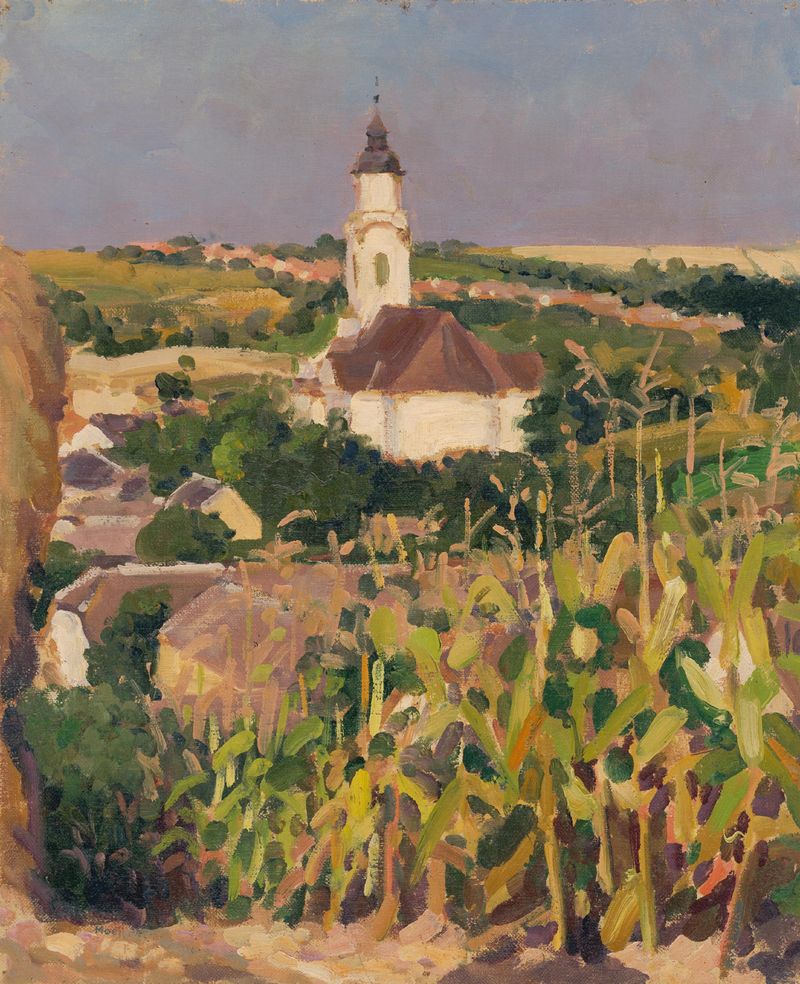
Eastern Slovakia Village
Jozef Teodor Mousson
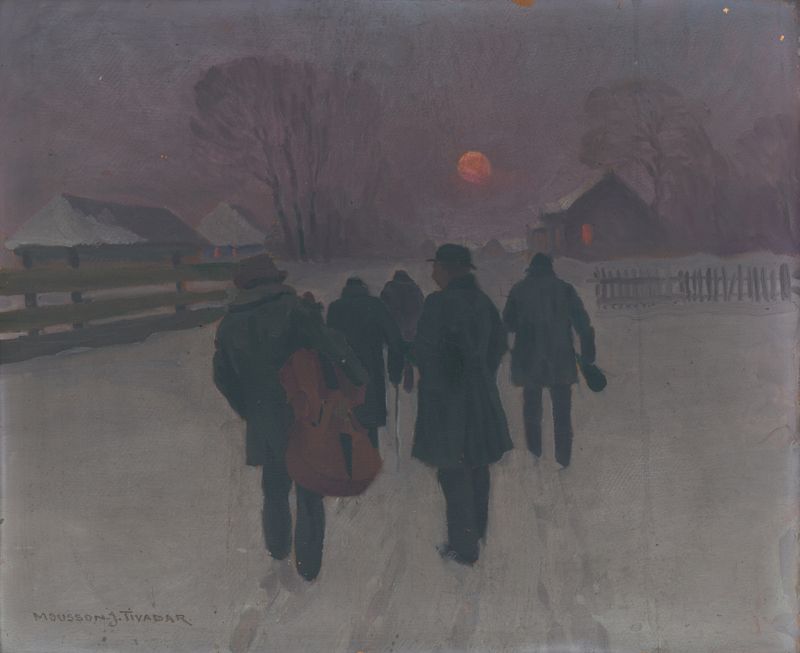
Musicians Returning in the Early Morning through Snowed Landscape
Jozef Teodor Mousson

Na pobreží
Jozef Teodor Mousson

V zime na dedine
Jozef Teodor Mousson

Trh v Michalovciach II.
Jozef Teodor Mousson
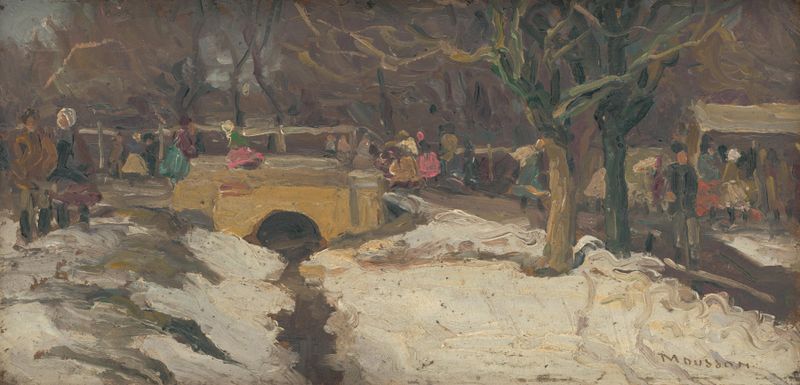
Market
Jozef Teodor Mousson
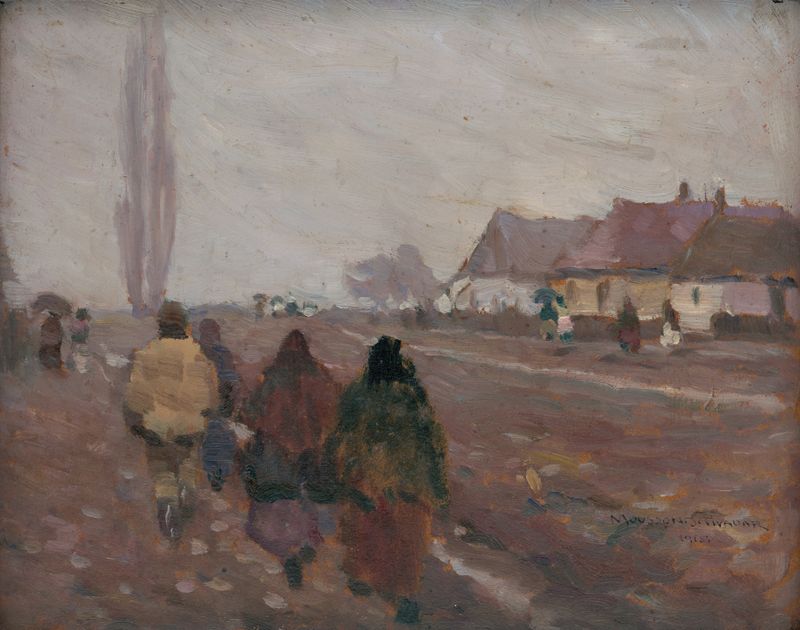
On the Road from the Michalovice Market
Jozef Teodor Mousson

Potato Digging
Jozef Teodor Mousson

Na dedine
Jozef Teodor Mousson
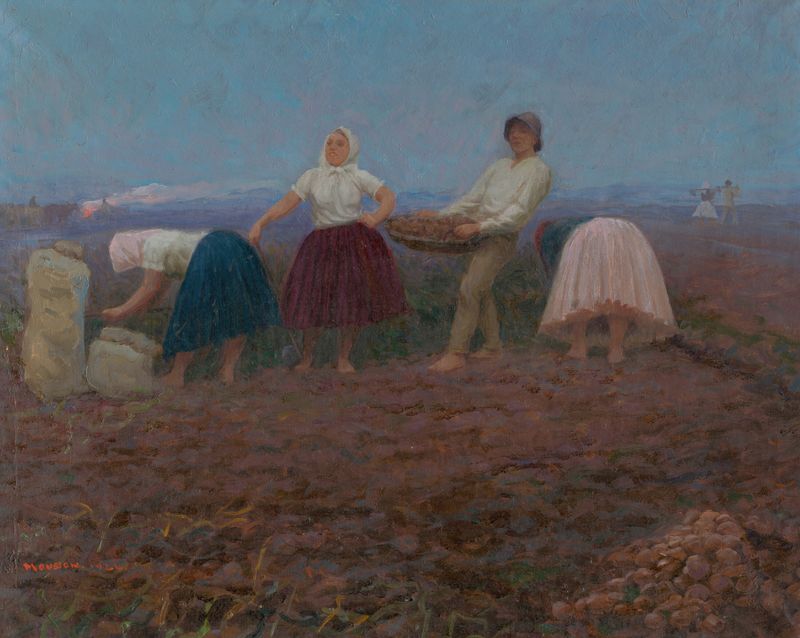
Potato picking
Jozef Teodor Mousson





