Ulička — History & Facts
In the stillness of creation, light holds the key to truth and revelation, illuminating the unseen corners of existence. Look to the left at the soft interplay of pastel hues, where light dances upon textured walls, casting gentle shadows that beckon the observer. The narrow alleyway captures a world caught between the vibrancy of everyday life and the muted whispers of history. Notice how the warm golden tones of the sun spill across cobblestones, leading the eye deeper into the space, inviting exploration and contemplation.
The careful strokes offer a tactile quality, evoking the sense of walking down a path that feels both familiar and foreign. Hidden within this scene is a delicate harmony between solitude and connection. The juxtaposition of light and dark not only defines the physical space but also mirrors the emotional landscapes of those who traverse it. Each brushstroke conveys stories untold, hinting at lives lived in the intimacy of shadows.
The narrowness of the alley represents confinement, yet the light suggests possibility — a breath of fresh air within the confines of routine. In 1926, Ulička was created by Zolo Palugyay during a transformative period in Hungary, where the aftermath of World War I led to a flourishing of artistic exploration. Living in a world rife with change, Palugyay was influenced by the evolving narratives of modernism. This work reflects his engagement with light not just as a physical phenomenon but as a metaphor for emotional resilience in a rapidly shifting landscape.
More Artworks by Zolo Palugyay
Browse all →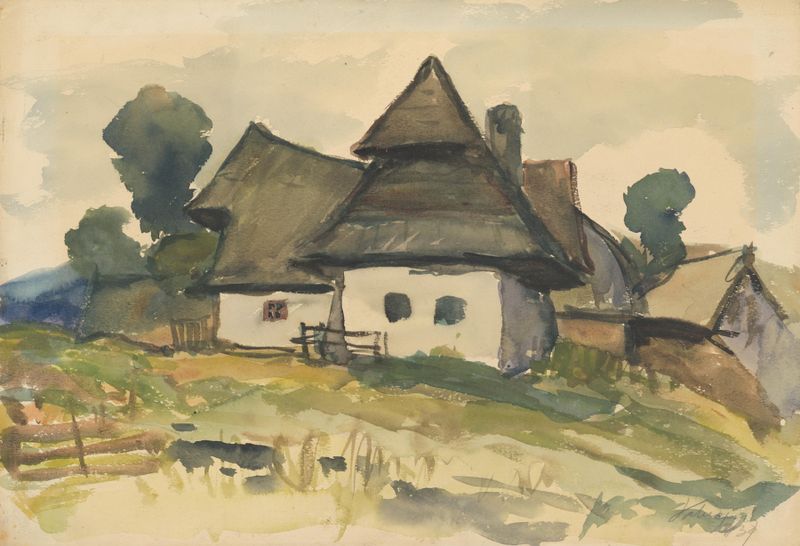
Dedinský motív
Zolo Palugyay
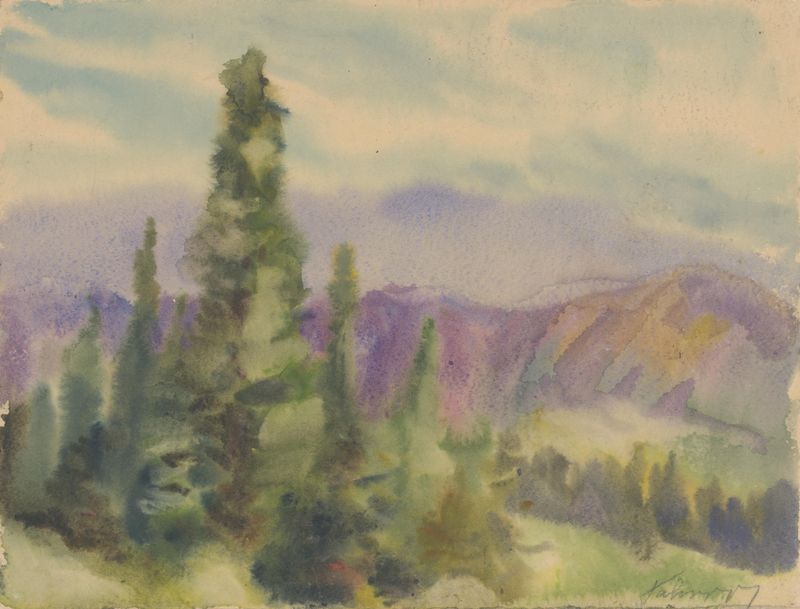
Motif from Liptov Mountains
Zolo Palugyay
Silent River
Zolo Palugyay
Oravská chalupa
Zolo Palugyay
Modré chalupy
Zolo Palugyay
Mountain Landscape with Snowy Peaks
Zolo Palugyay
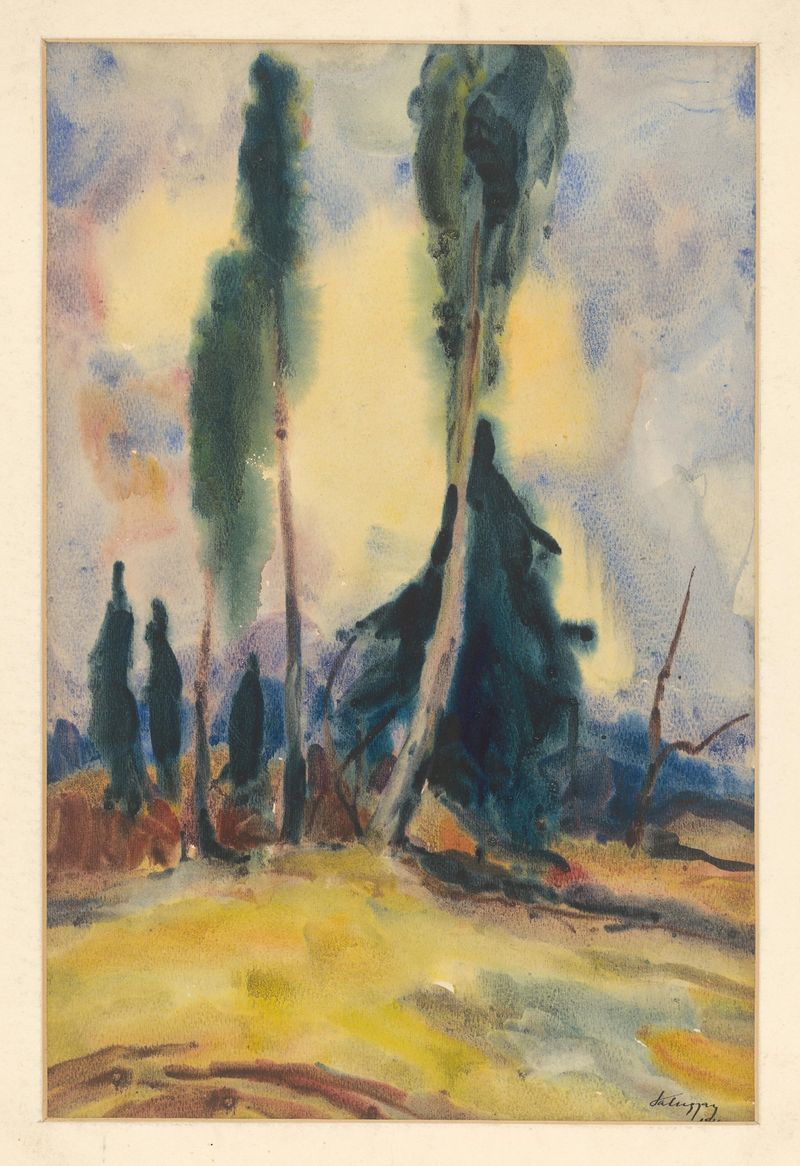
Three Trees on a Plain
Zolo Palugyay
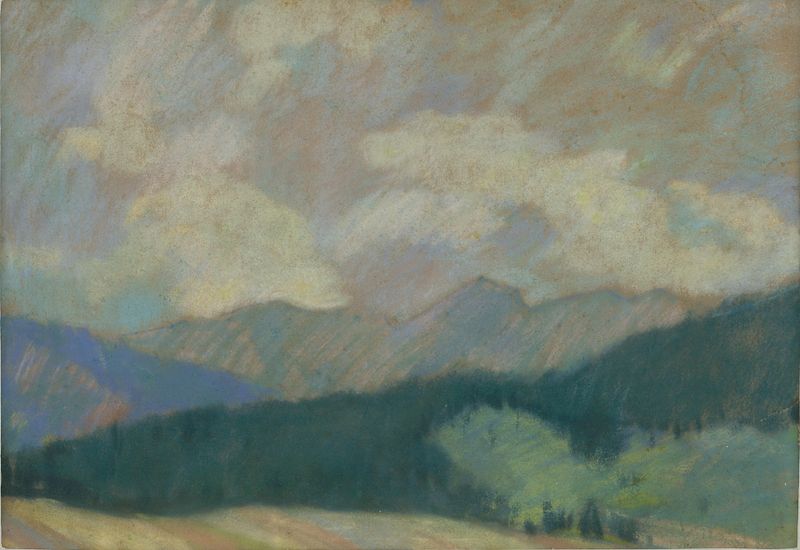
Horská krajina
Zolo Palugyay
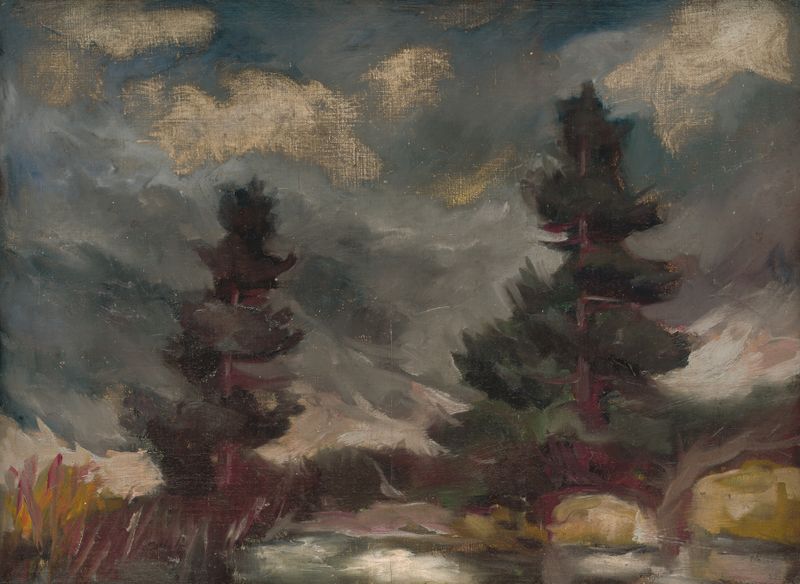
Tatra Landscape
Zolo Palugyay
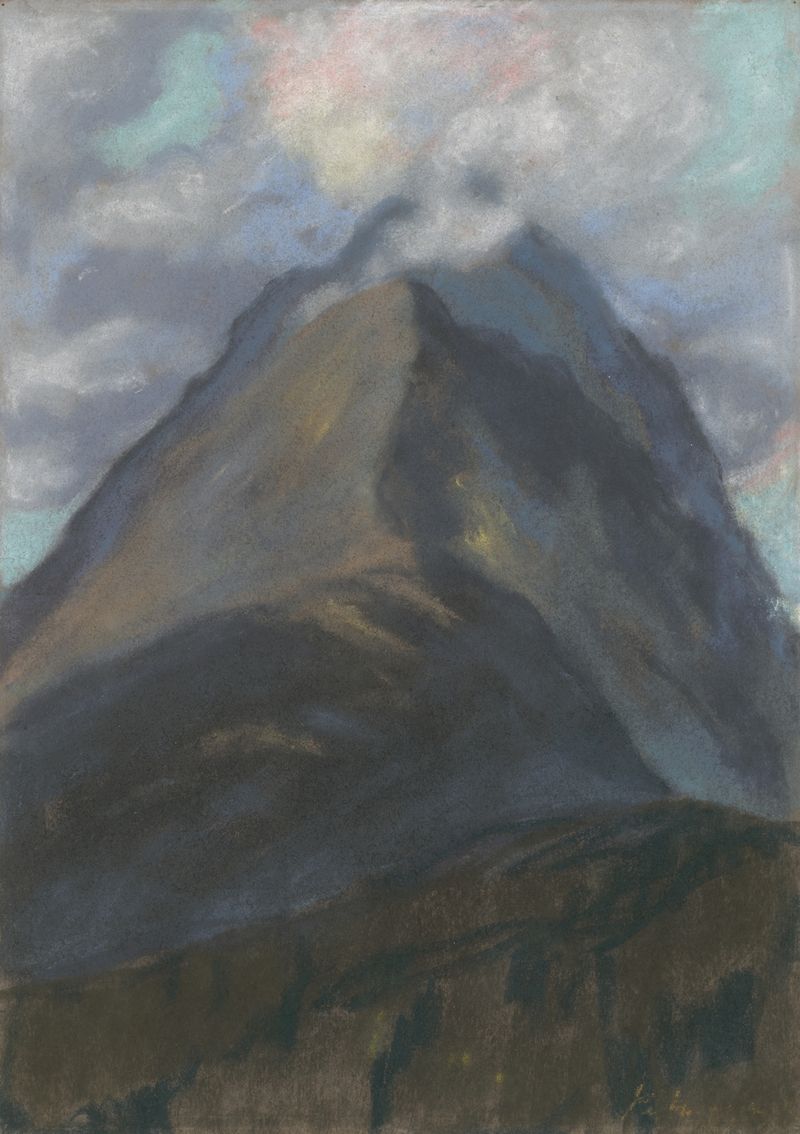
Spring Landscape
Zolo Palugyay