
Ulm — History & Facts
Did the painter know this moment would outlive them? The lingering echo of betrayal wraps around the quiet streets depicted in the artwork, a haunting reminder of the complexities of human emotion and connection. Look to the left at the delicate interplay between shadow and light, where a lone figure stands amidst looming structures. The muted palette of grays and earth tones draws the eye, each stroke revealing the weight of time and memory. The buildings rise like sentinels, their windows reflecting secrets untold, while the slight curve of the road hints at stories waiting to unfold.
Notice how the layering of textures creates an almost palpable tension, inviting the viewer to explore both the physical and emotional spaces within the frame. The contrast between the vibrant life of the city and the isolation of the figure speaks volumes about the duality of existence. The architecture looms large, yet the smallness of the solitary presence evokes a profound sense of alienation, as if caught in a moment of recognition and betrayal. The juxtaposition of stillness against the hidden narratives of the bustling environment reveals an unsettling tension, questioning the interplay of intimacy and distance in human relationships. Willem Adrianus Grondhout painted this scene between 1888 and 1934, a time marked by significant social and political upheaval in Europe.
Living in the Netherlands, he navigated a world engaged in artistic experimentation and the birth of modernism. This period saw the artist grappling with his identity and influences, as his work began to reflect both the external realities of his time and the internal struggles of the human heart.
More Artworks by Willem Adrianus Grondhout
Browse all →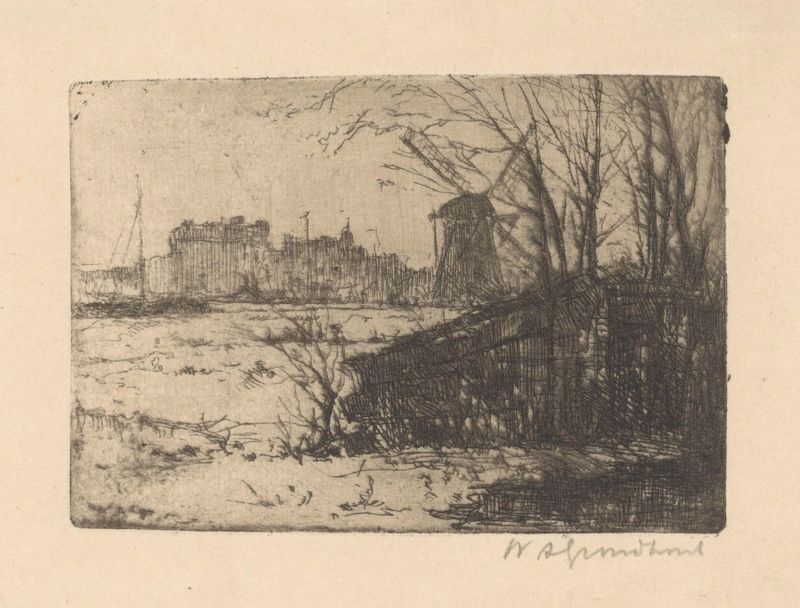
Landschap met molen in de Binckhorst in Den Haag
Willem Adrianus Grondhout
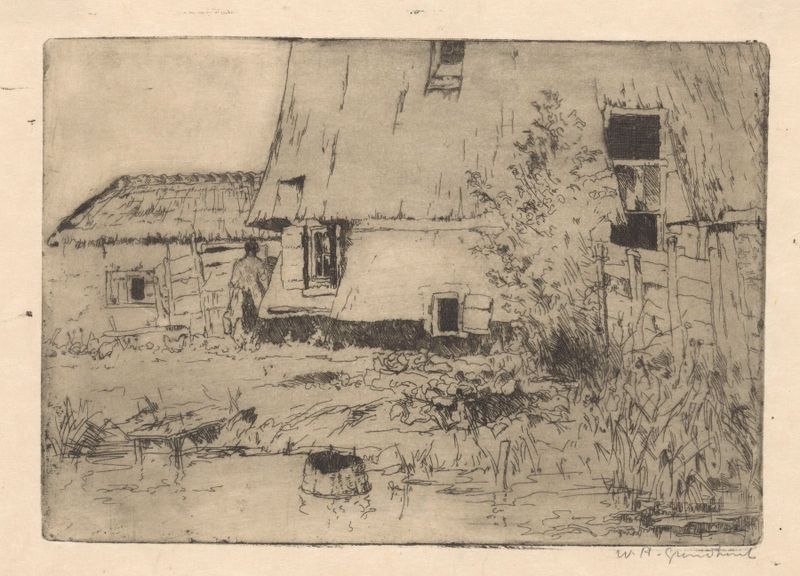
Voet van een molen in Voorburg
Willem Adrianus Grondhout
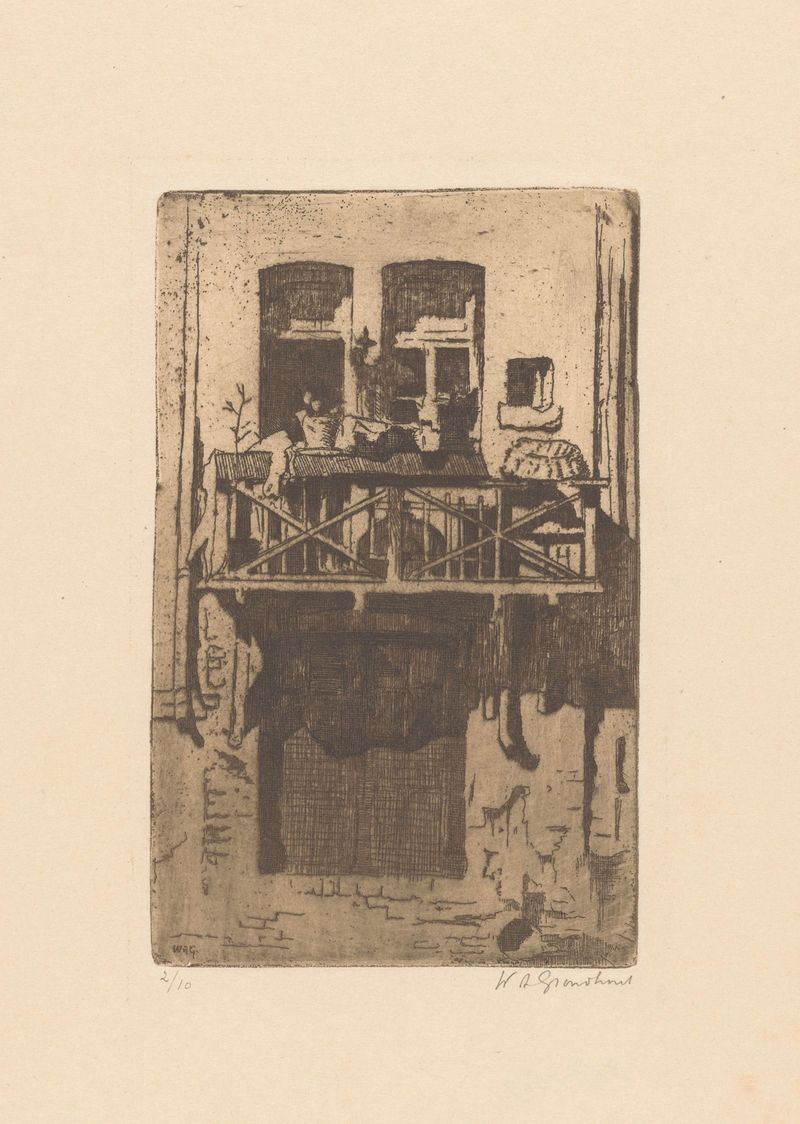
Balkon van een huis aan de Oudezijds Kolk in Amsterdam
Willem Adrianus Grondhout
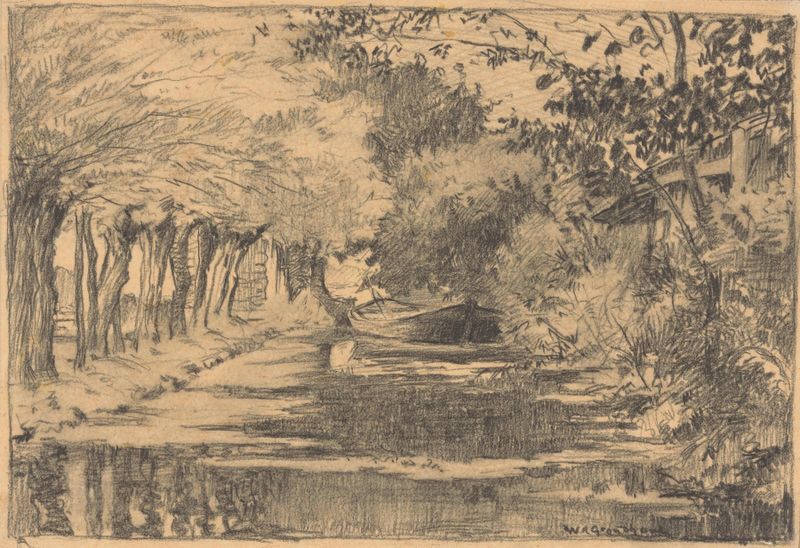
Broeksloot bij Voorburg
Willem Adrianus Grondhout
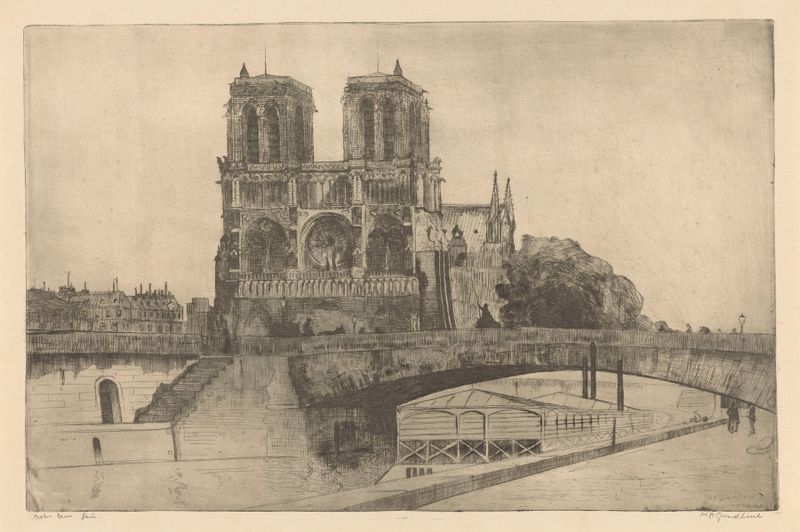
Notre-Dame, Paris
Willem Adrianus Grondhout
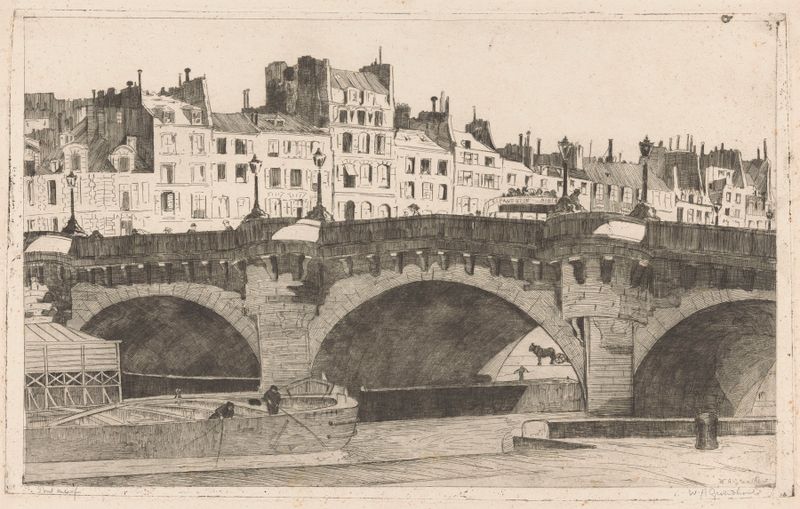
Pont Neuf
Willem Adrianus Grondhout
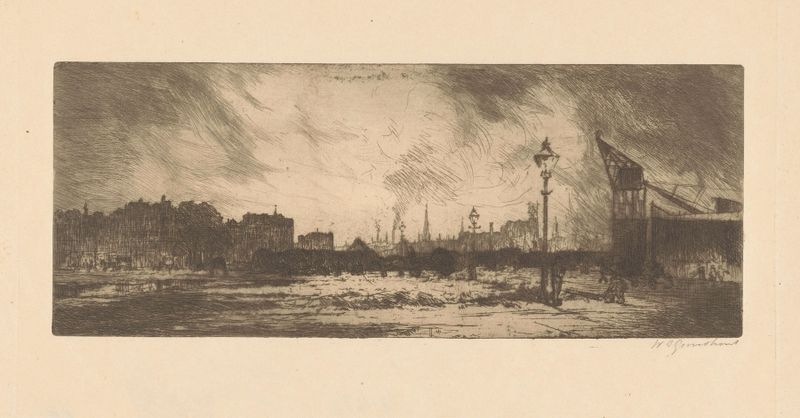
Havenkade met lantaarnpalen in Rotterdam
Willem Adrianus Grondhout
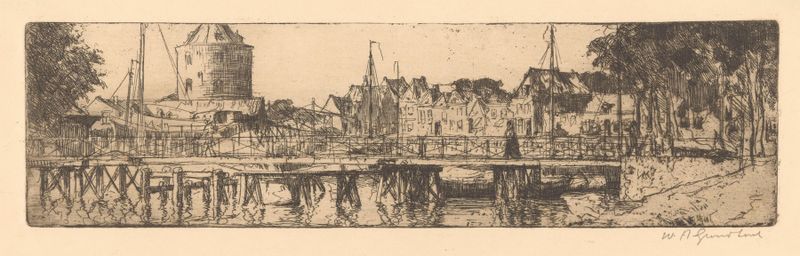
Enkhuizen
Willem Adrianus Grondhout
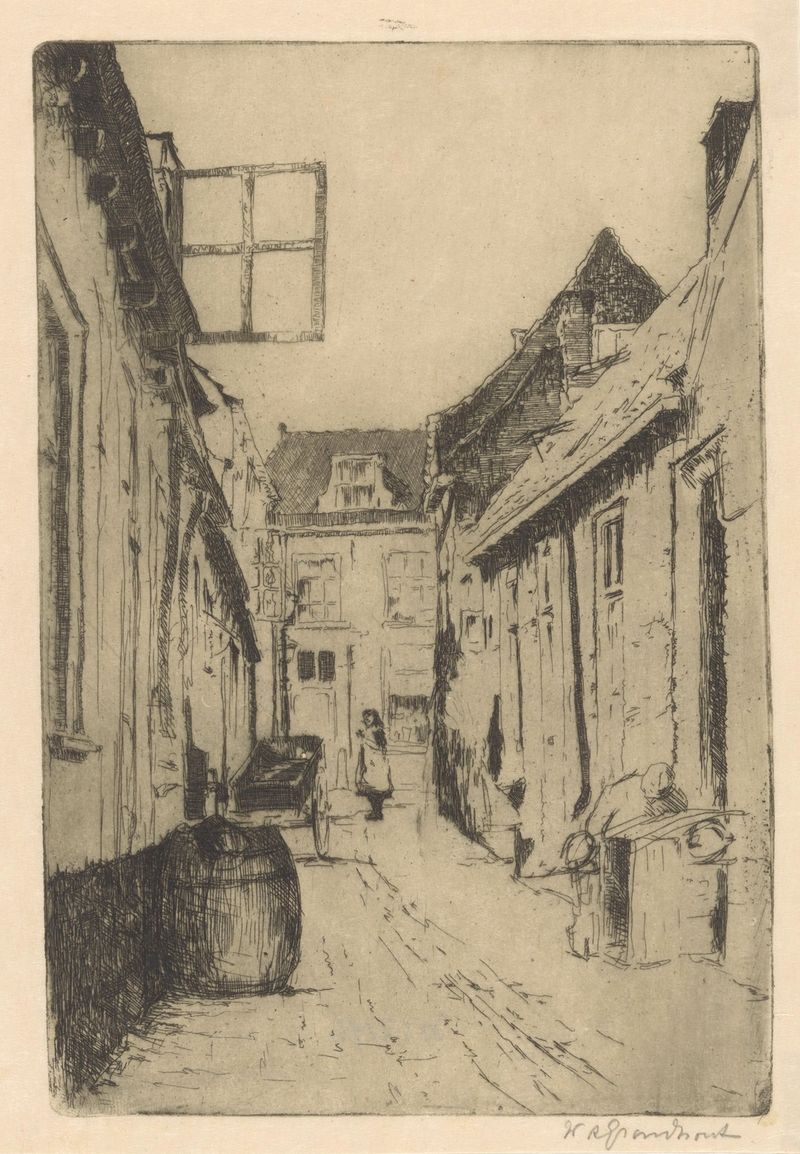
Straatje in Voorburg.
Willem Adrianus Grondhout
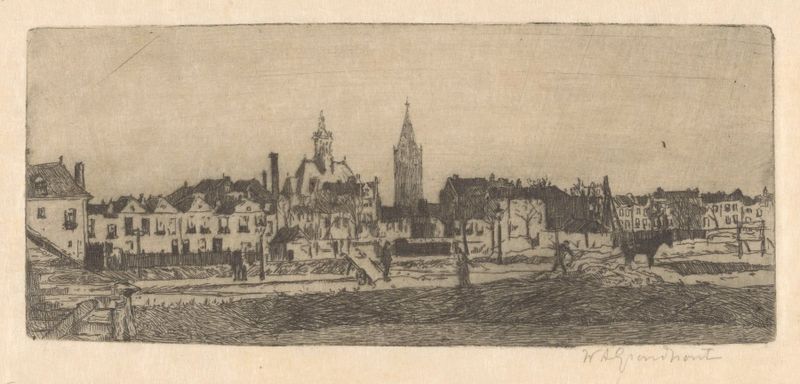
Delft
Willem Adrianus Grondhout





