
Un barrage près d’Ornans, or L’Écluse de la Loue — History & Facts
In the stillness of a riverbank, the landscape breathes secrets into the mist-laden air, where nature stands witness to the quiet drama of existence. Look to the foreground at the striking interplay of light and shadow that dances over the water’s gentle surface. The brush strokes are thick and deliberate, revealing the textures of the rocky shore and the lush greenery that embraces the scene. Notice how the muted palette of greens and browns enhances the tranquil atmosphere, contrasting with the vivid white of the cascading water, drawing your gaze deeper into the heart of the composition. Amidst this serene setting, the juxtaposition of industry and nature reflects a deeper tension.
The dam, a symbol of human intervention, both disrupts and harmonizes with the flowing river, revealing a dialogue between creation and containment. The hidden paths of the water's flow beneath the surface suggest life and movement, even as they’re framed by the stillness of the moment. Each detail, from the weeping willows to the distant hills, captures the essence of a world caught between the pastoral and the purposeful. In 1861, while residing in Ornans, Courbet painted Un barrage près d’Ornans, a period marked by his rising prominence within the Realist movement, which sought to depict life as it truly was.
Surrounded by the landscapes of his youth, he explored themes of nature and human impact, reflecting the societal shifts of an industrializing France. This work encapsulates his commitment to authenticity and the beauty of the everyday, inviting viewers to contemplate their relationship with the environment.
More Artworks by Gustave Courbet
Browse all →
Marine
Gustave Courbet
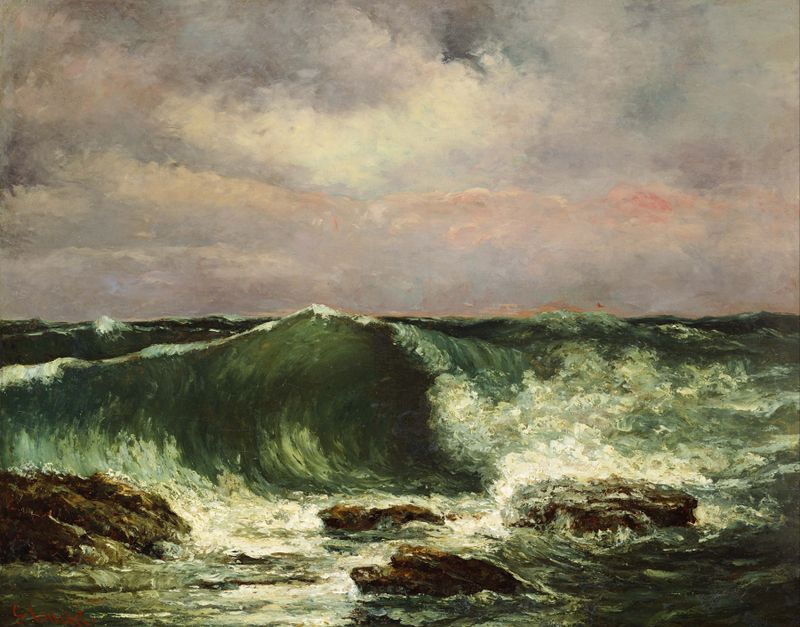
Waves
Gustave Courbet

Étretat; Les Falaises
Gustave Courbet
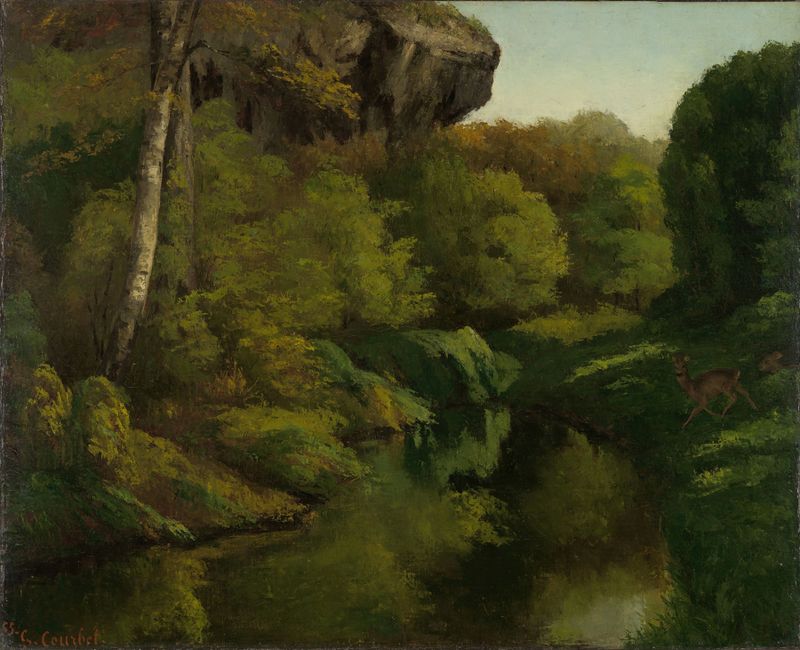
View in the Forest of Fontainebleau
Gustave Courbet
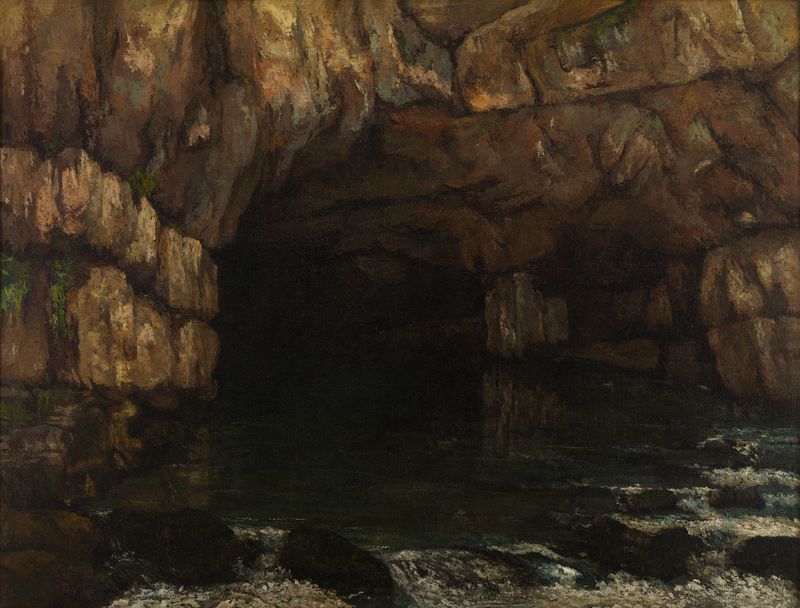
La source de la Loue (The Source of the Loue)
Gustave Courbet

Low Tide at Trouville
Gustave Courbet
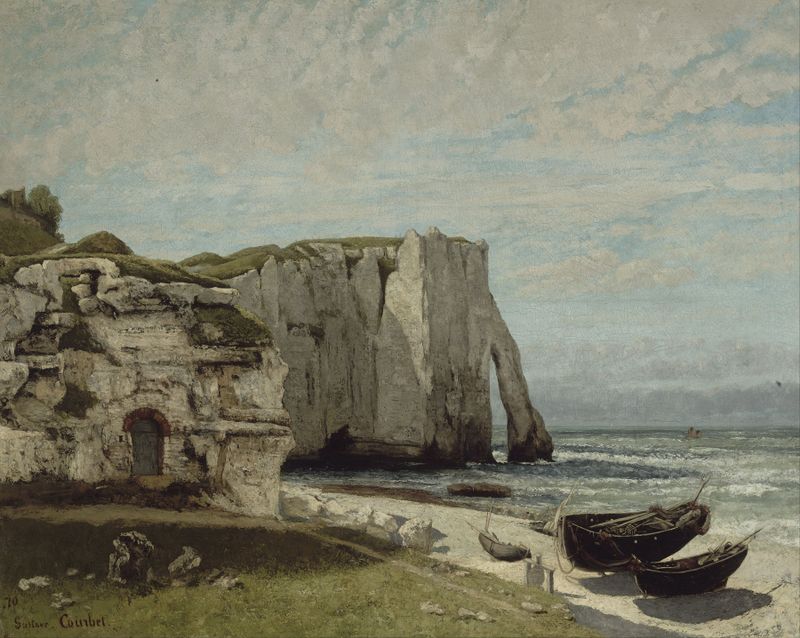
The Etretat Cliffs after the Storm
Gustave Courbet
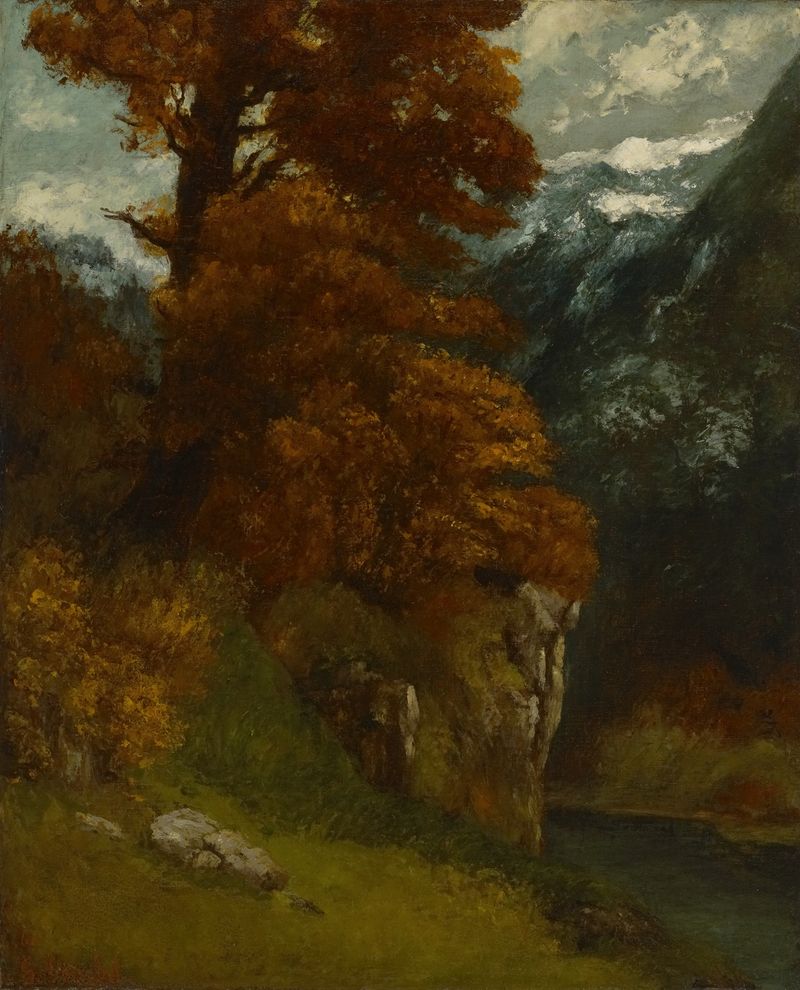
The Glen at Ornans (Bords du Doubs; Effet d’Automne)
Gustave Courbet
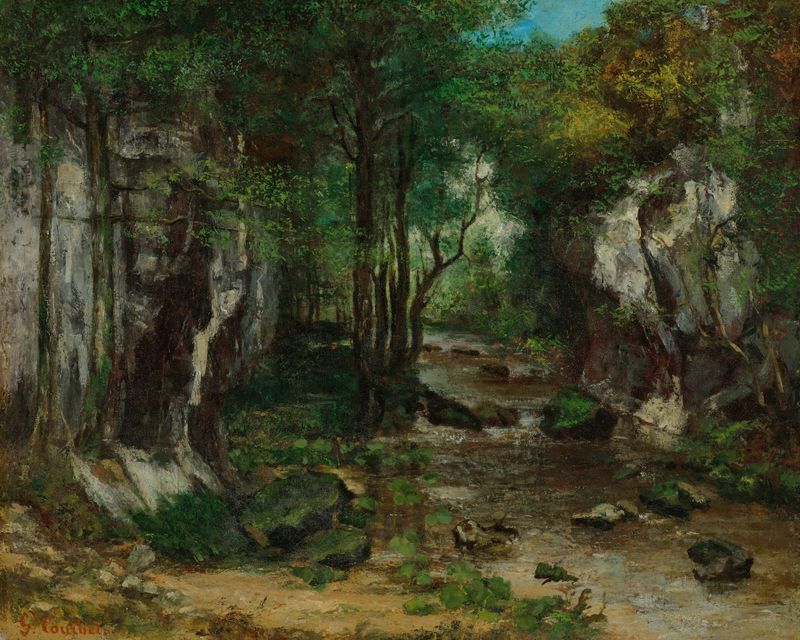
Le Ruisseau de Puits Noir
Gustave Courbet
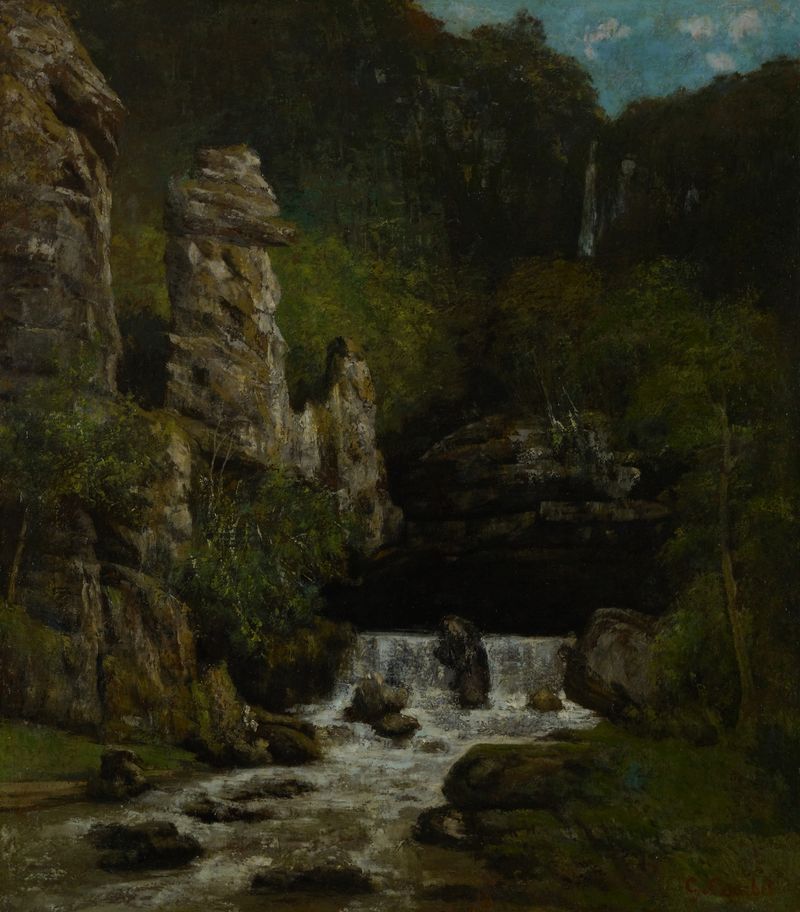
Landscape with a Waterfall
Gustave Courbet





