
Undergrowth — History & Facts
In the tangled embrace of nature, how do we reconcile the beauty of life with the inevitability of loss? Look closely at the vibrant strokes that form the undergrowth, where swirling greens and earthy browns intertwine in a tumultuous dance. The vigorous brushwork invites your eyes to wander through the chaotic foliage, revealing a world teeming with life yet cloaked in shadow. Notice how the chiaroscuro effect, with patches of light breaking through the dense canopy, evokes a sense of both hope and melancholy, as if the scene holds secrets waiting to be uncovered. Hidden among the chaos are echoes of solitude and fragility.
The intertwining shapes and clashing colors suggest a struggle—life pushing through the weight of decay. Yet, in this struggle lies beauty; the brushstrokes vibrate with energy, creating an emotional tension that reflects the artist's own inner turmoil. There’s a sense of longing here, a reminder of what has been lost, and perhaps, what can still be found amid the tumult. In the late 1880s, when this piece was likely created, Vincent van Gogh was in Arles, France, seeking both inspiration and stability in his art.
Despite his growing reputation, he battled mental health issues and a profound sense of isolation. This intense period of creativity, marked by experimentation with color and form, mirrors the emotional landscape of his life, as he sought solace in the natural world around him, transforming his struggles into visual poetry.
More Artworks by Vincent van Gogh
Browse all →
Starry Night
Vincent van Gogh

The Bedroom
Vincent van Gogh
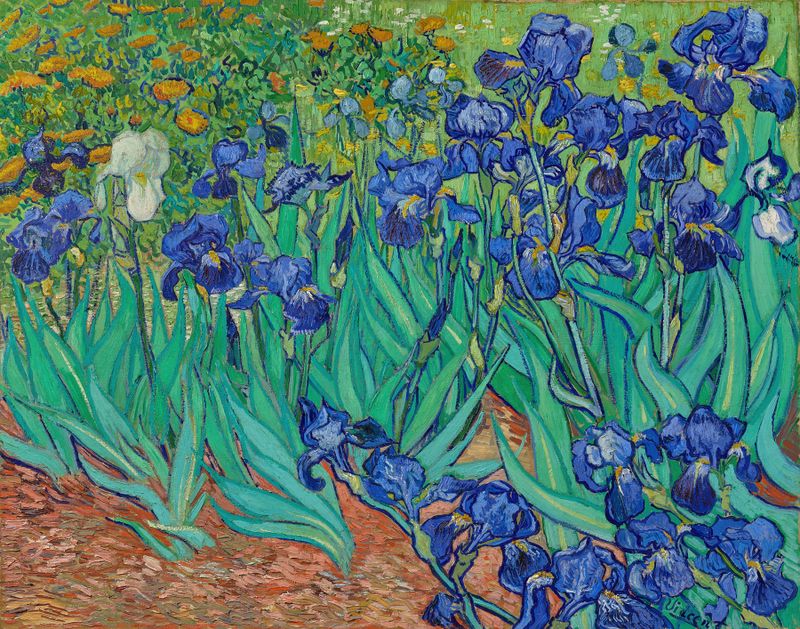
Irises
Vincent van Gogh
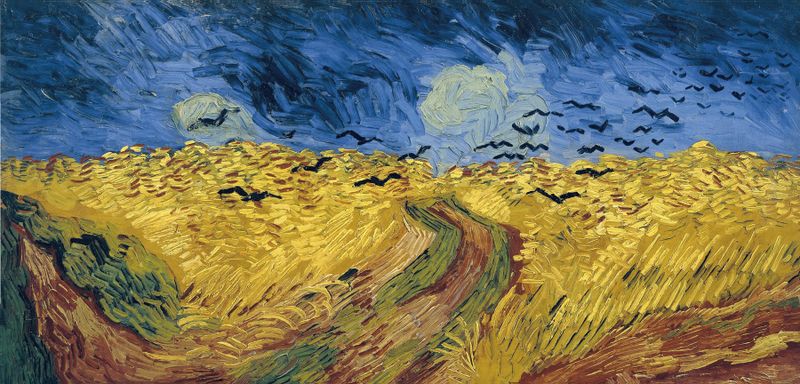
Wheatfield with Crows
Vincent van Gogh
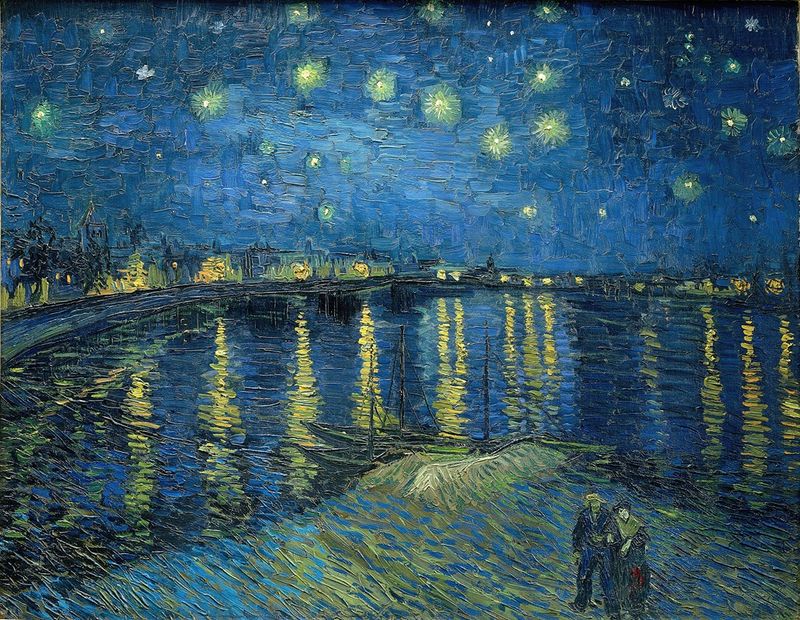
Starry Night over the Rhone
Vincent van Gogh

The yellow house
Vincent van Gogh
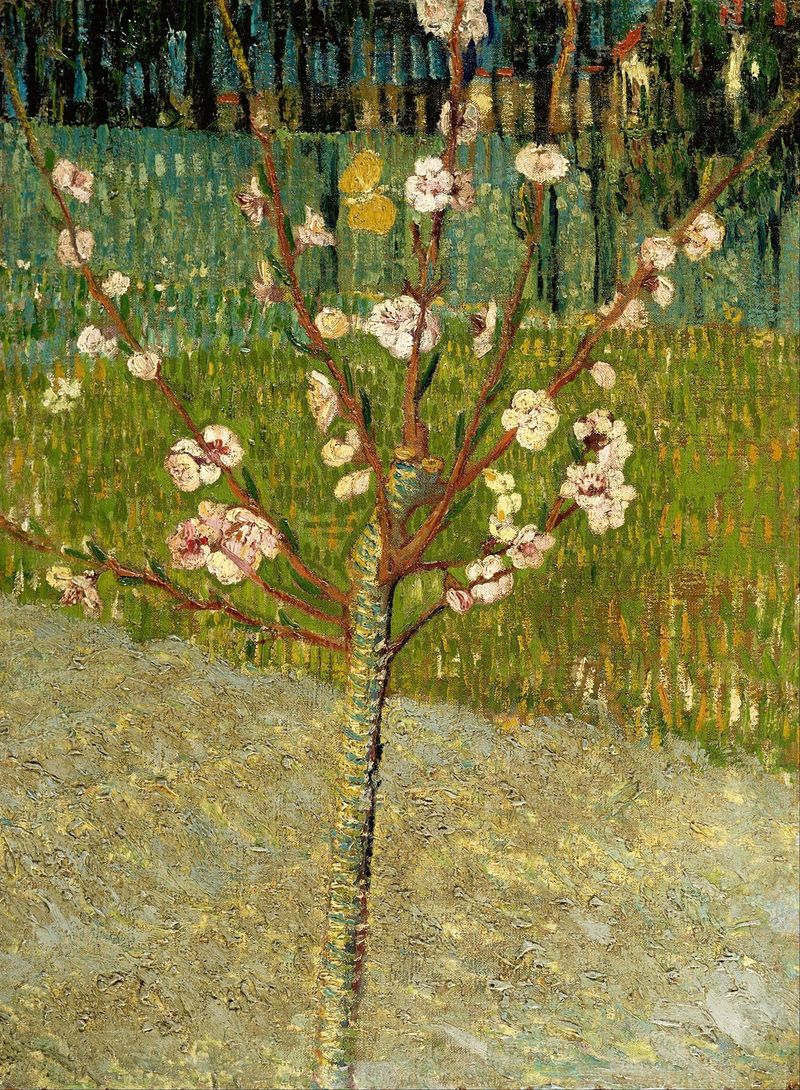
Almond tree in blossom
Vincent van Gogh

Portrait of Dr Gachet
Vincent van Gogh

The Church in Auvers-sur-Oise, View from the Chevet
Vincent van Gogh

Self-Portrait
Vincent van Gogh





