
Undergrowth with two Figures — History & Facts
In the depths of the undergrowth, two figures retreat into a lush, vibrant world, as if seeking solace from the clamor of existence. They appear almost like whispers among the verdant grasses, shrouded in mystery, each hue pulsating with the energy of life. Look to the center of the canvas, where the rich greens mingle with splashes of yellow and brown, creating a tapestry of nature’s bounty. Notice how the brushstrokes vibrate with emotion, each stroke a pulse that breathes life into the surrounding chaos.
The figures, though partially obscured, draw the eye, their outlines softened by the foliage, inviting contemplation on their presence in this thriving natural realm. In this harmonious yet chaotic blend of colors, the tension between solitude and companionship emerges. The interplay of light and shadow hints at deeper layers of meaning—perhaps the figures symbolize the search for connection in an overwhelming world. Van Gogh’s signature swirling strokes not only capture the dynamic spirit of the underbrush but also hint at the turbulence of his own inner landscape, juxtaposing serenity with emotional unrest. Created in 1890 in Auvers-sur-Oise, at the close of his tumultuous life, Van Gogh painted this piece during a time marked by both personal struggle and artistic exploration.
The post-impressionist movement was in full swing, and Vincent was deeply engaged in expressing emotional truths through vibrant color and expressive technique. His own battles with mental health colored not only his life but his art, leading to a profound transcendence that resonates throughout his work.
More Artworks by Vincent van Gogh
Browse all →
Starry Night
Vincent van Gogh

The Bedroom
Vincent van Gogh
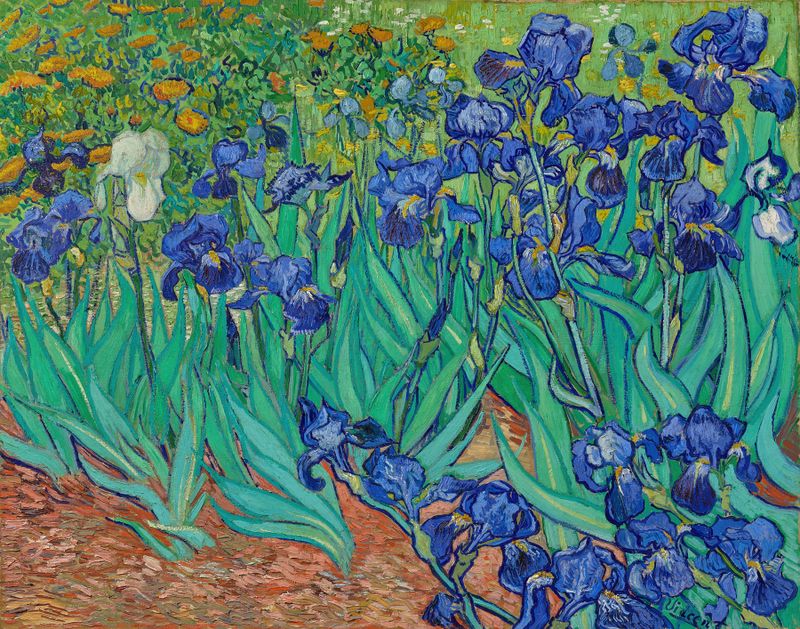
Irises
Vincent van Gogh
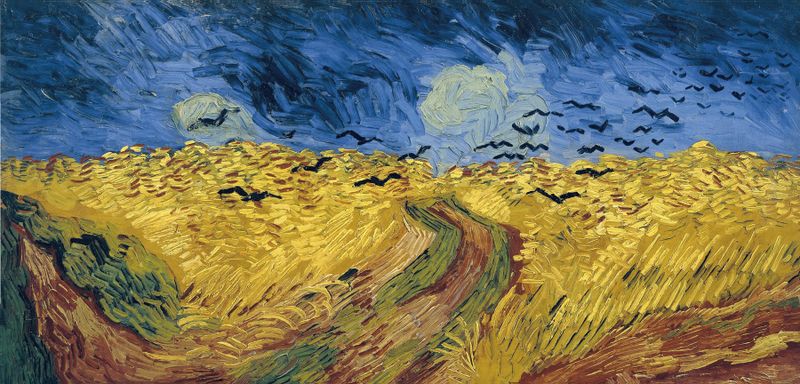
Wheatfield with Crows
Vincent van Gogh
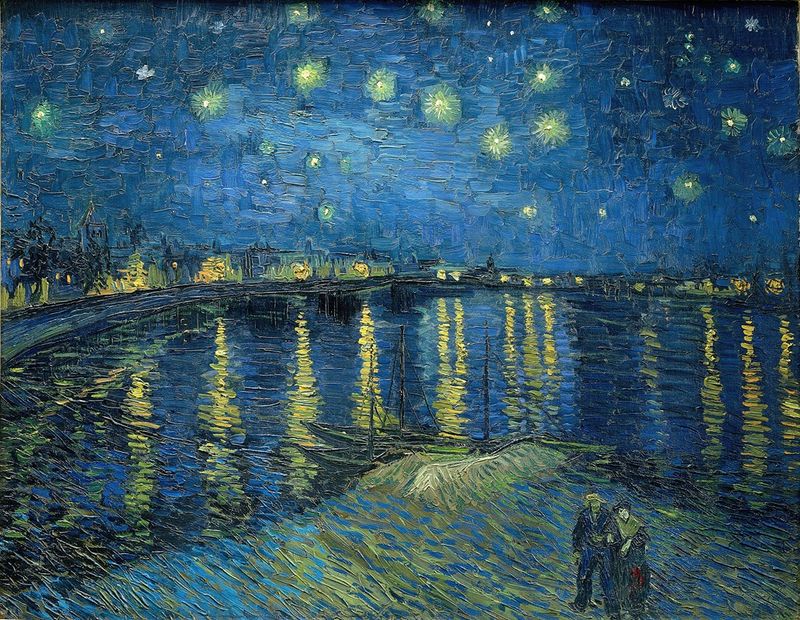
Starry Night over the Rhone
Vincent van Gogh

The yellow house
Vincent van Gogh
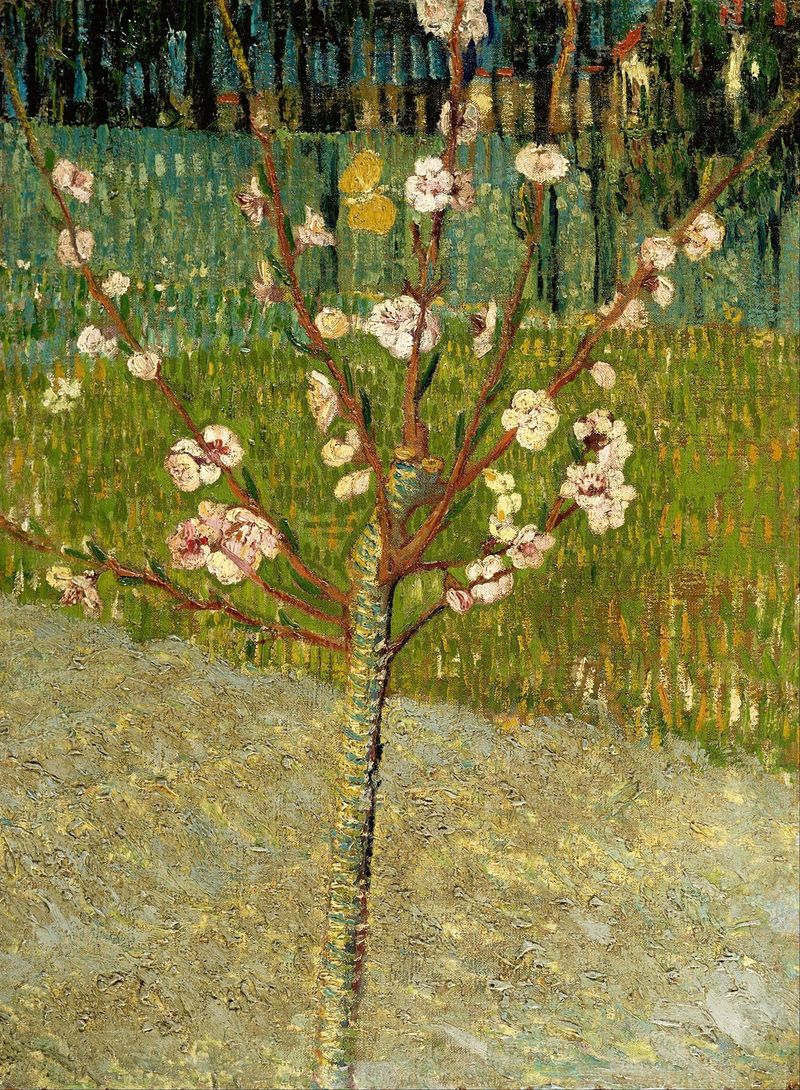
Almond tree in blossom
Vincent van Gogh

Portrait of Dr Gachet
Vincent van Gogh

The Church in Auvers-sur-Oise, View from the Chevet
Vincent van Gogh

Self-Portrait
Vincent van Gogh





