
Undulations: White Mountains, N.H. — History & Facts
The eye is drawn first to the gentle rhythm of the mountain ridges, each one softly layered behind the next, as if the land itself were breathing in slow, steady waves. In Undulations: White Mountains, N.H., Albert Bierstadt pares the scene down to its essence: no dramatic storm, no rushing water or heroic figures, just the quiet rise and fall of hills under a pale sky. The muted palette—cool grays and earthy browns—invites a long, unhurried gaze, letting the viewer feel the hush of early morning or late afternoon.
The light, thinly spread, flattens the distance and makes the mountains seem both near and unreachable, a study in patience and restraint. Here, the absence of spectacle becomes the subject; the painting is a meditation on form and atmosphere rather than a narrative of conquest or discovery. Works like this belong to a moment in nineteenth-century America when painters and their patrons looked to the landscape for meaning—sometimes as a symbol of national promise, sometimes as a personal retreat. Albert Bierstadt is best known for his grand, panoramic views of the American West, but this quieter vision from the White Mountains speaks to a different impulse: the search for stillness and the beauty of the familiar.
The painting now resides in the Princeton Art Museum, a reminder that not every canvas must dazzle to endure. Instead, it asks us to look again at the ordinary and find, in its undulations, a subtle grandeur.
More Artworks by Albert Bierstadt

A Storm in the Rocky Mountains, Mt. Rosalie
Albert Bierstadt
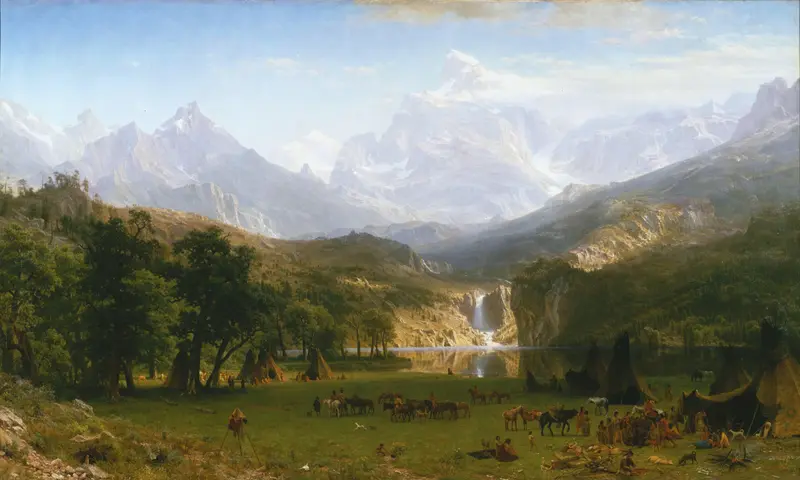
The Rocky Mountains, Lander's Peak
Albert Bierstadt
Niagara from the American Side
Albert Bierstadt
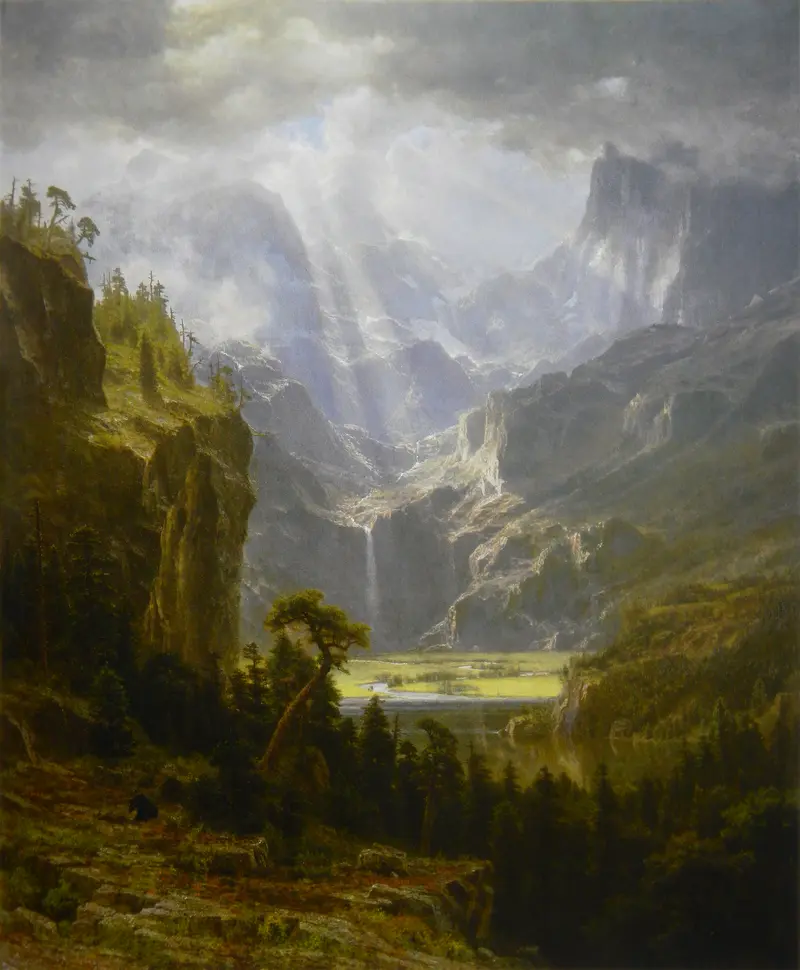
Rocky Mountains, Lander’s Peak
Albert Bierstadt

Valley of the Yosemite
Albert Bierstadt
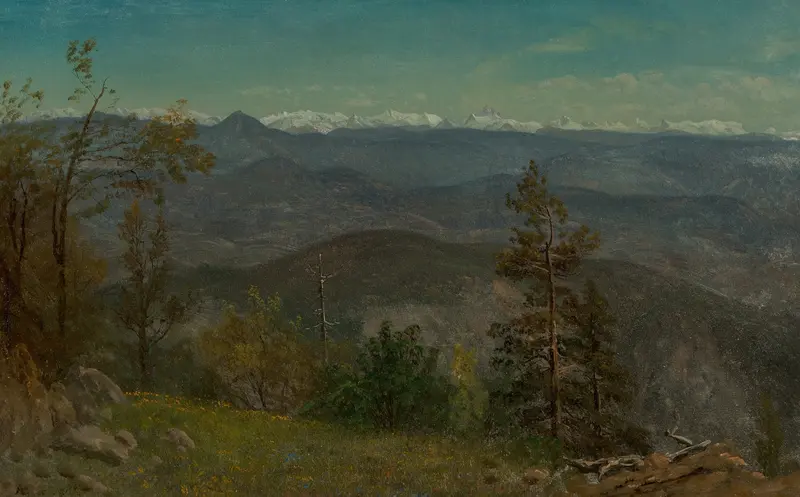
Yosemite Valley, California
Albert Bierstadt
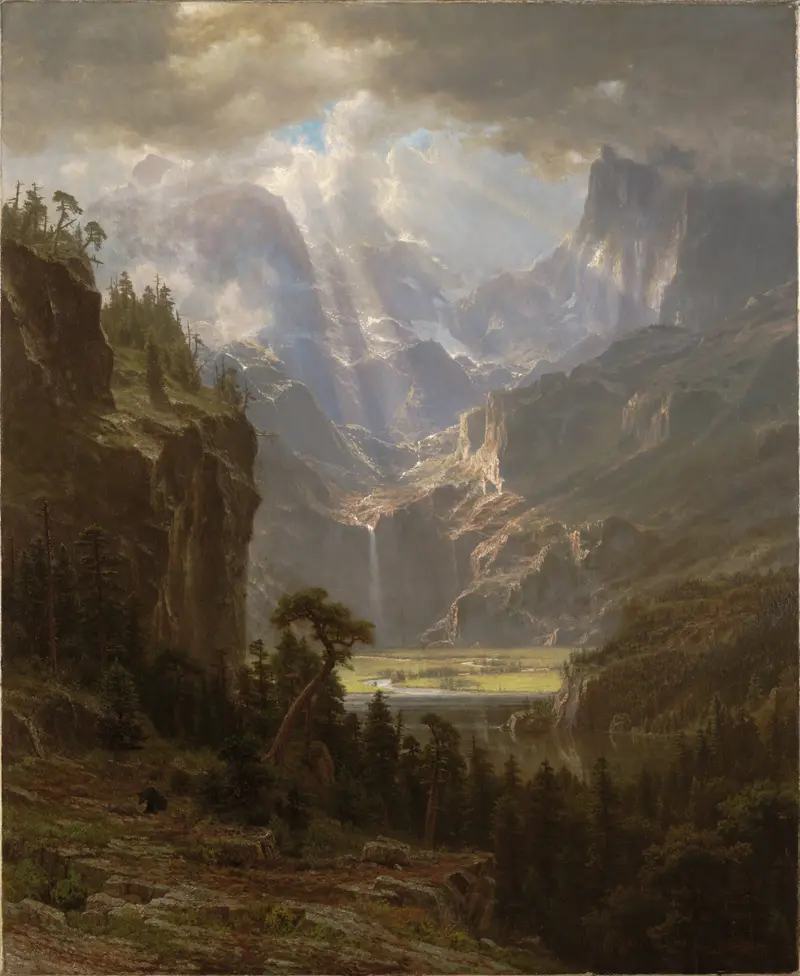
Rocky Mountains, "Lander's Peak"
Albert Bierstadt

Laramie Peak
Albert Bierstadt
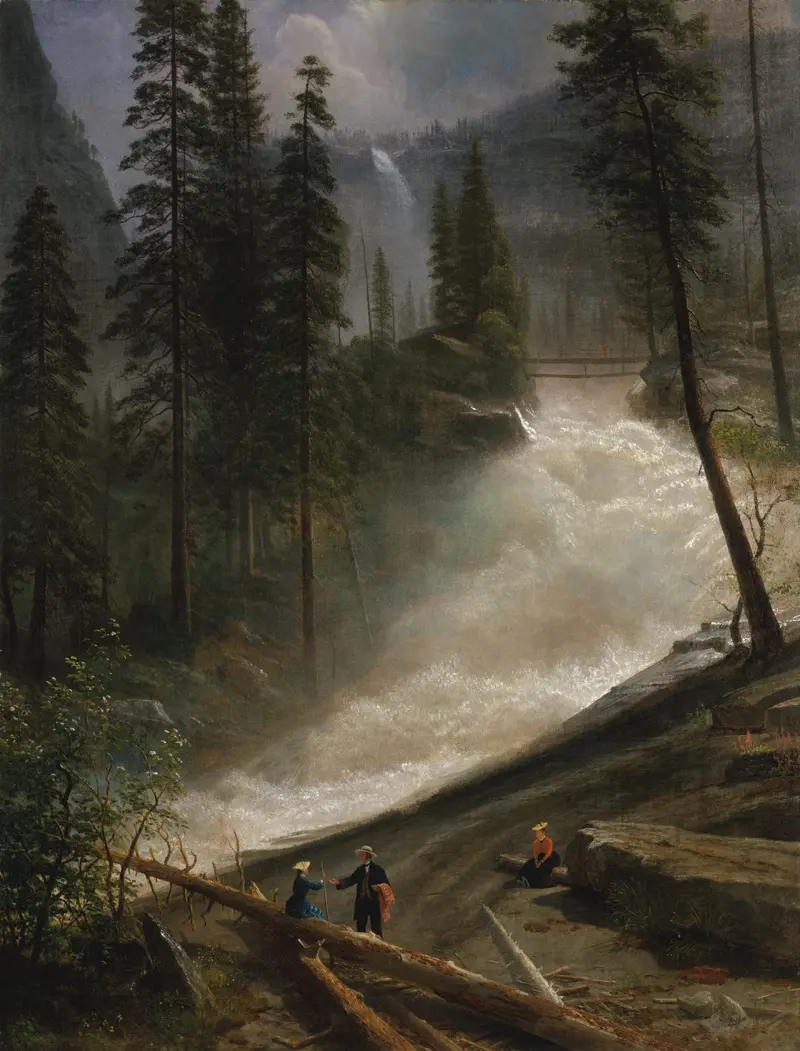
Nevada Falls, Yosemite
Albert Bierstadt
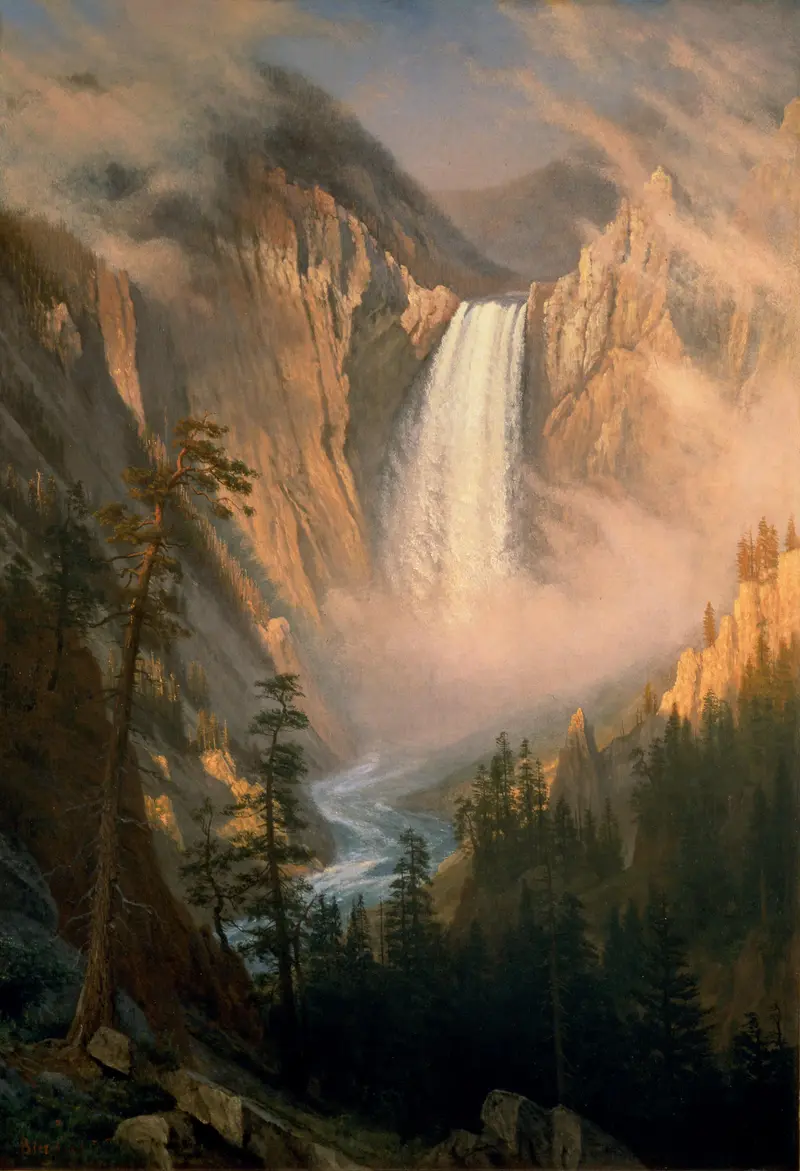
Yellowstone Falls
Albert Bierstadt
More Landscape Art

The Starry Night
Vincent van Gogh

View of Delft
Johannes Vermeer

Water Lilies
Claude Monet

The Grand Canal, Venice, looking north-west from the Ca' Corner to the Ca' Contarini degli Scrigni, with the campanile of Santa Maria della Carità
Canaletto

Windsor Castle
Canaletto

The Grand Canal looking North-East from the Palazzo Dolfin-Manin to the Rialto Bridge
Canaletto