
Une arcade du Pont au Double — History & Facts
Art reveals the soul when the world turns away. In the quiet embrace of a bustling Paris, where the mundane often overwhelms the ethereal, Une arcade du Pont au Double captures a fleeting moment of divinity nestled within urban life's chaos. Look closely at the archway that draws the eye in, a structural vein connecting the heart of the city to its sacred undertones. Notice how the soft light filters through the gaps, creating a dance of shadows and illumination on the cobblestones below.
The delicate brushwork reveals not just stone and mortar but the very spirit of the place, imbuing it with a sense of reverence. Shades of warm ochre and cool grey intertwine, reflecting the harmony between man-made beauty and nature's subtle touch. Beneath the surface lies a narrative rich with contrast. The majestic arch stands resilient against the backdrop of humanity's hustle, symbolizing a gateway not just to a physical space but also to a higher realm.
The pedestrians, minuscule in scale, are caught in their own lives, unaware of the divinity that surrounds them. This juxtaposition of the sacred and the ordinary invites viewers to contemplate their own connection to the spiritual amidst the everyday. In 1779, Nicolle created this work during a period of burgeoning Romanticism, where artists sought to evoke emotions and transcendence. Living in Paris, he absorbed the vibrancy of life around him, capturing both the physical and spiritual landscapes of the city.
This painting reflects not only his artistic evolution but also the shifting tides of societal values, as the Enlightenment began to give way to a deeper exploration of feeling and divinity in art.
More Artworks by Victor-Jean Nicolle
Browse all →
Fontana di Trevi, gezien vanuit het Westen
Victor-Jean Nicolle
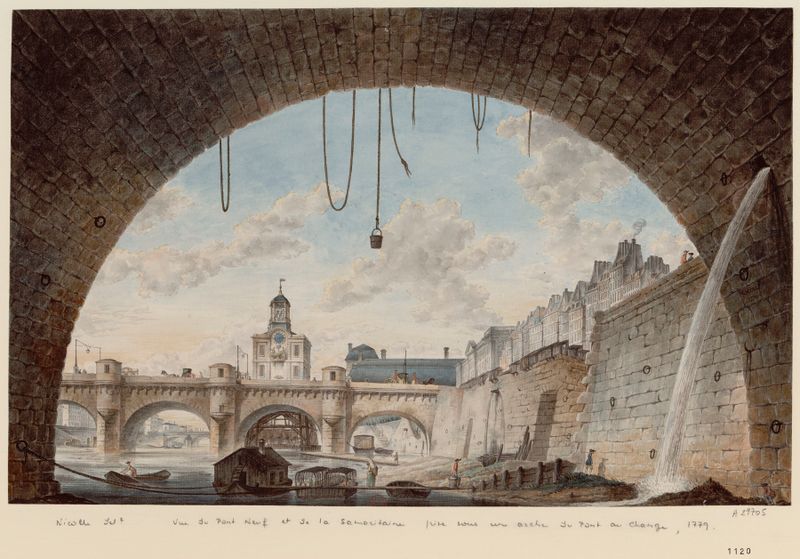
Vue du Pont Neuf et de la Samaritaine prise sous une arche du Pont au Change
Victor-Jean Nicolle
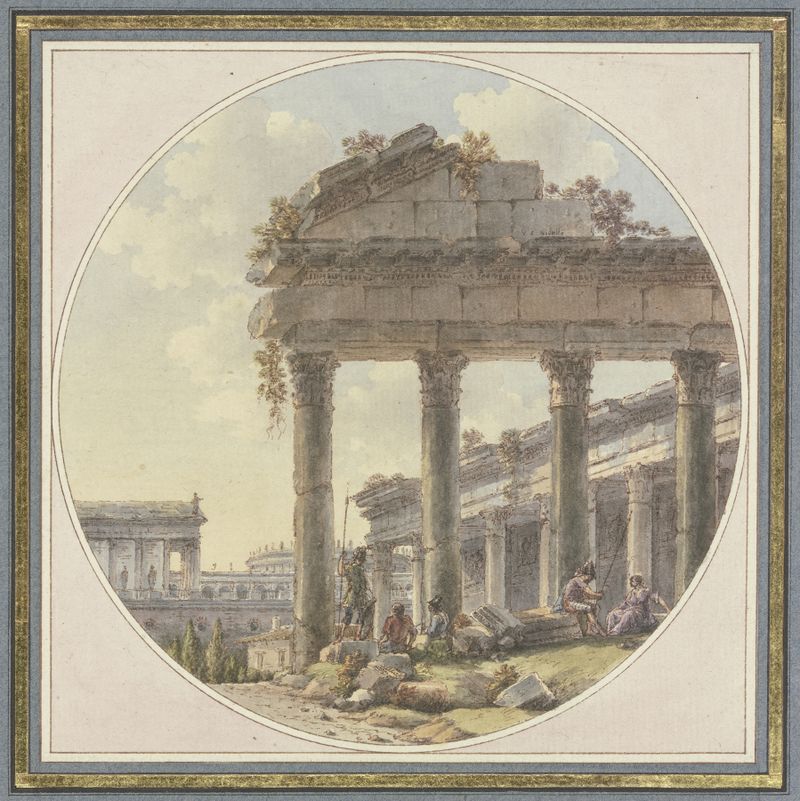
Architektonisches Capriccio; Tempelruine und Figurenstaffage
Victor-Jean Nicolle
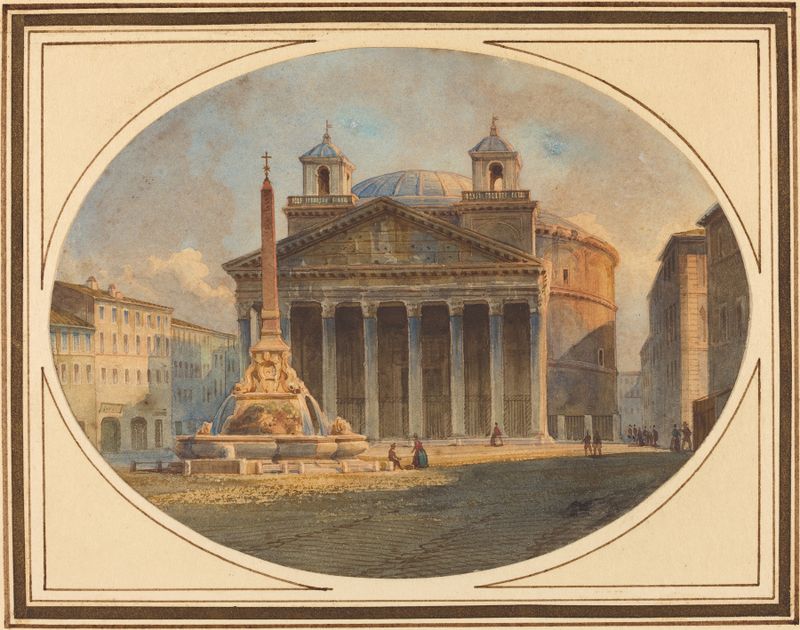
The Pantheon
Victor-Jean Nicolle
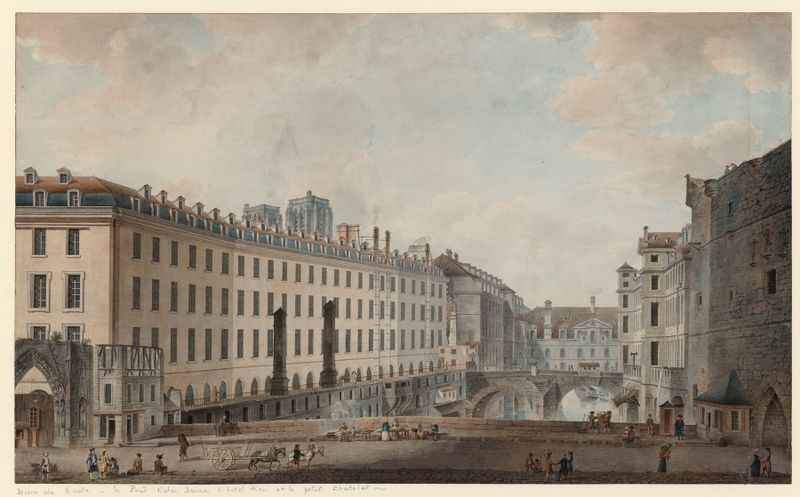
Le Pont au Double, l’Hôtel-Dieu et le Petit Châtelet
Victor-Jean Nicolle
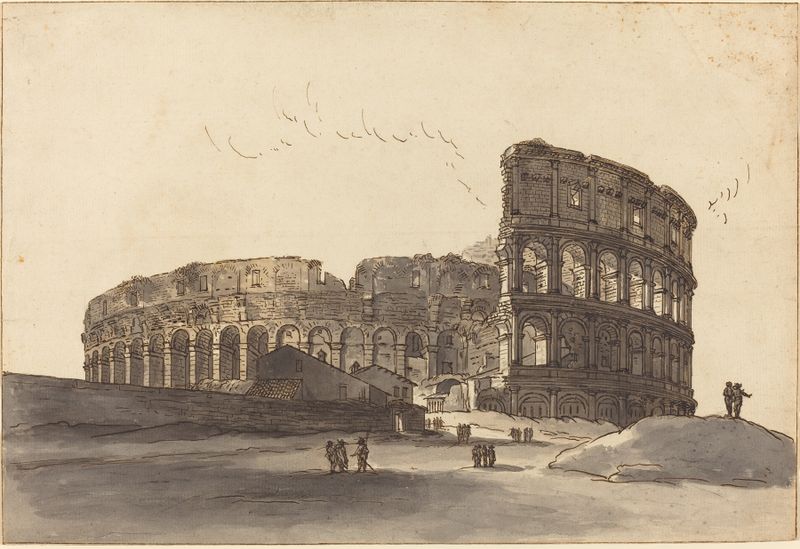
The Colosseum
Victor-Jean Nicolle
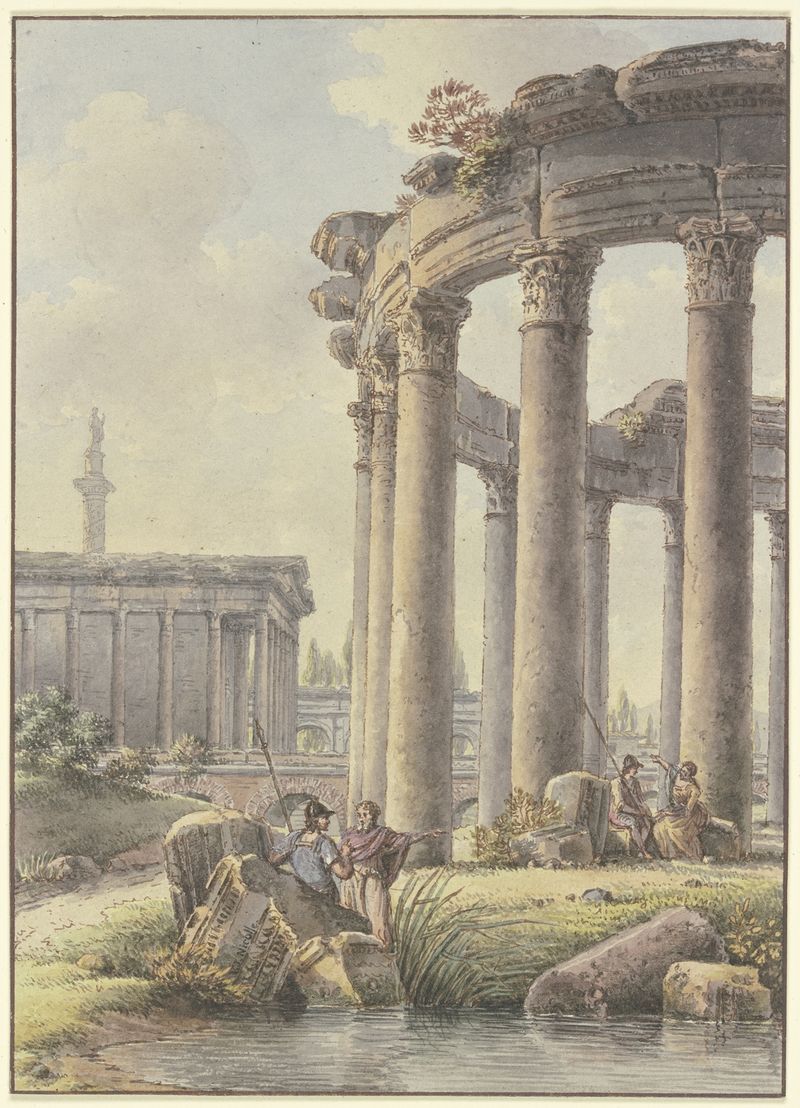
Architektonisches Capriccio; Ruinen eines Rundtempels, im Hintergrund die Trajansäule
Victor-Jean Nicolle
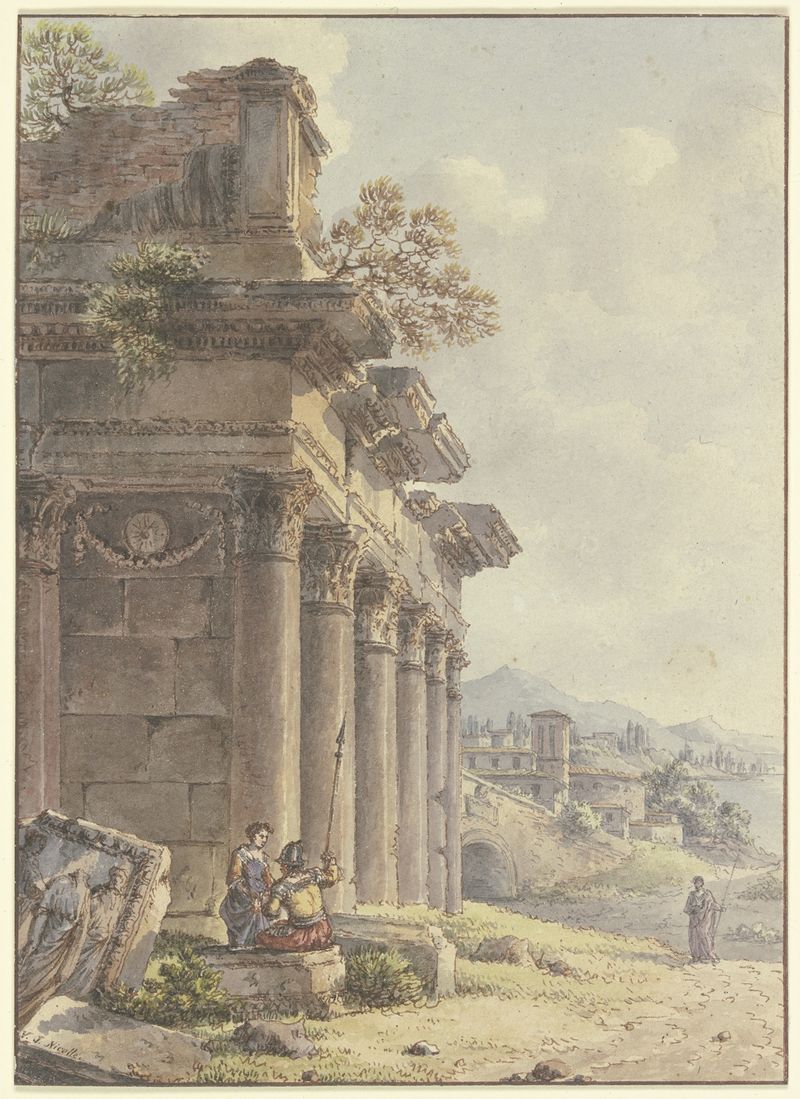
Architektonisches Capriccio; Ruinen einer Tempelfassade, im Hintergrund Landschaft mit Gebäuden und Seebucht
Victor-Jean Nicolle
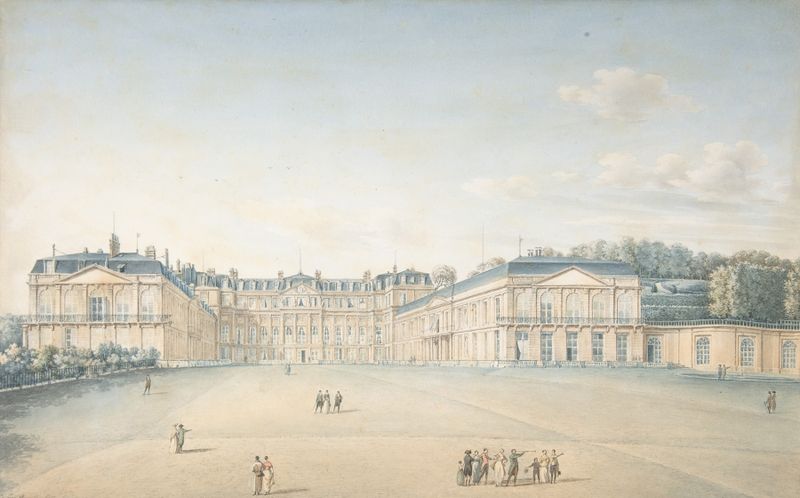
Courtyard of the Chateau de Saint-Cloud
Victor-Jean Nicolle

The Tiber at the Outskirts of Rome
Victor-Jean Nicolle
More Architecture Art
Browse all →
The statue of Liberty
Frédéric Auguste Bartholdi

View of Houses in Delft, Known as ‘The Little Street’
Johannes Vermeer

View of Houses in Delft, Known as ‘The Little Street’
Johannes Vermeer

The Cathedral in Rouen. The portal, Grey Weather
Claude Monet

The yellow house
Vincent van Gogh

The Church in Auvers-sur-Oise, View from the Chevet
Vincent van Gogh