
Unfurled Waves, Flood of September, 1901 (Les Vagues deferlent) — History & Facts
What first seizes the eye in Unfurled Waves, Flood of September, 1901 is not the drama of the sea, but the quiet determination of the figures at the water’s edge. Three shadowed forms brace against a boat, their bodies bent in concerted effort as the surf curls and foams around them. The waves themselves are rendered in broad, rhythmic bands of ochre, cream, and slate, each crest and trough carefully delineated, as if the artist were intent on capturing not only the movement but the very structure of the sea.
The horizon sits low, granting the restless water nearly the entire stage, while the sky—muted, streaked with pale light—offers only a thin promise of calm. The palette, restricted yet rich, sets a mood of autumnal resolve, the season’s chill hinted at in the subdued tones and the labor of the fishermen. Created in 1901, this work stands at the crossroads of tradition and innovation in French art. The turn of the twentieth century saw artists like Auguste Lepère—whose name appears at the bottom—experimenting with new printmaking techniques and a fresh approach to landscape.
While history has kept few traces of this specific piece, its presence in the National Gallery of Art’s collection today signals its quiet resonance. Such images were often made for collectors drawn to scenes of daily toil and the untamed forces of nature, at a time when industrialization was rapidly changing the rhythms of coastal life. The image invites us to linger, to follow the sweep of foam and the stoic gestures of the figures, and to imagine the endless dialogue between land and sea.
More Artworks by Auguste Lepère

Le Pont-Neuf (Paris)
Auguste Lepère
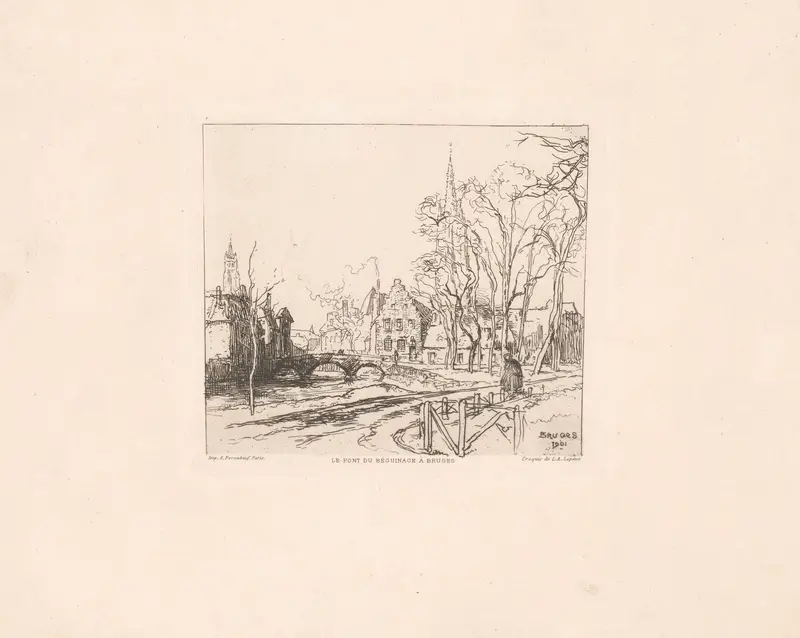
Le pont du Beguinage à Bruges
Auguste Lepère
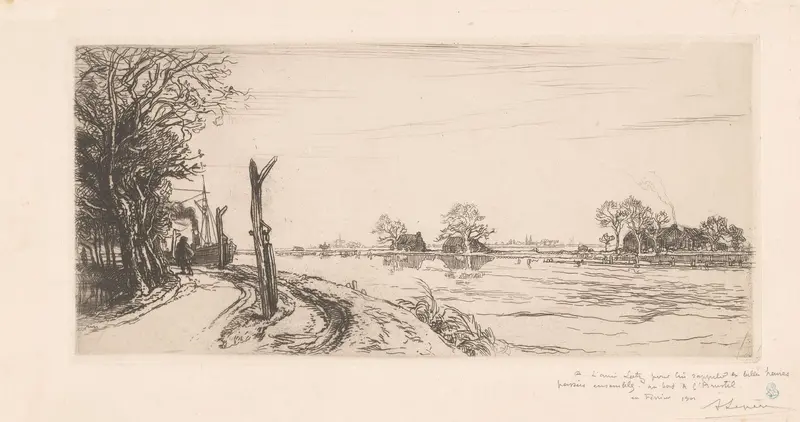
Au bord de l’Amstel
Auguste Lepère
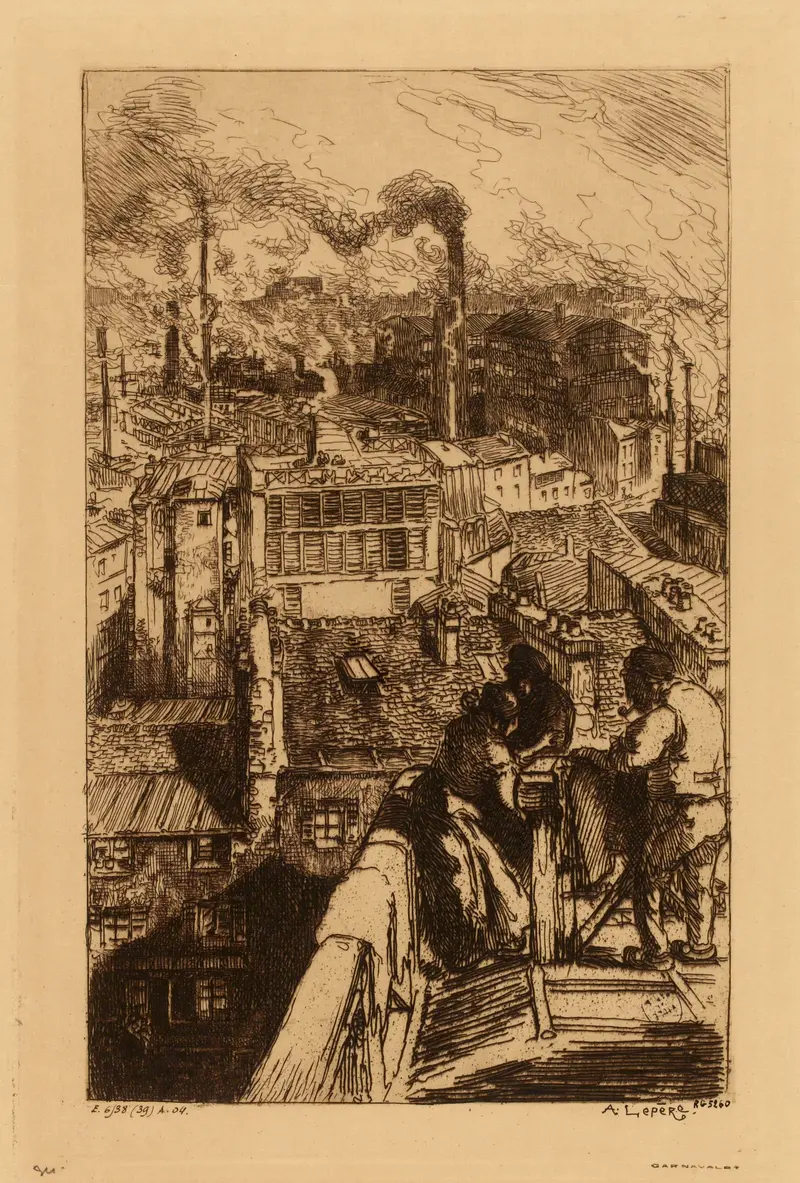
Le quartier des Gobelins
Auguste Lepère
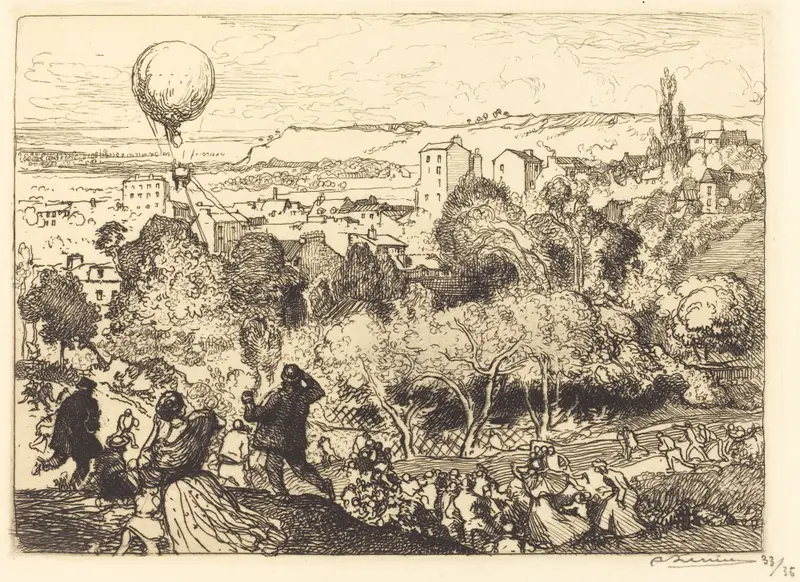
The Falling Balloon, in Pre-Saint-Gervais (Lebaloon qui tombe, au Pre-Saint-Gervais)
Auguste Lepère
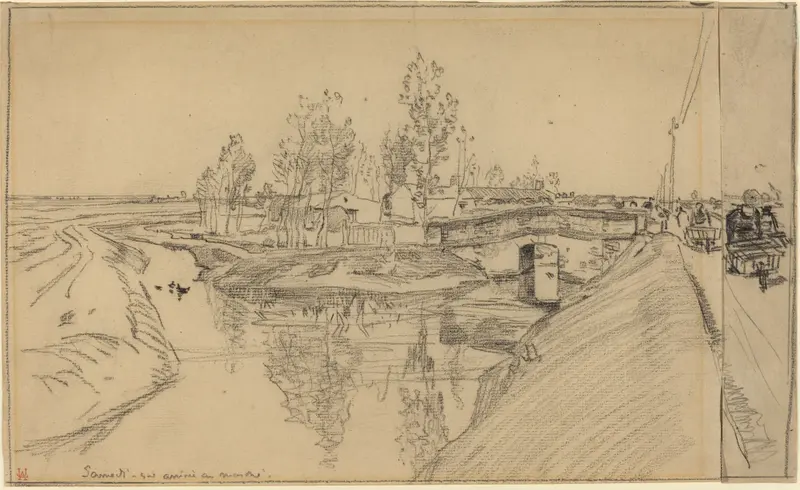
Arrivee au Marche
Auguste Lepère
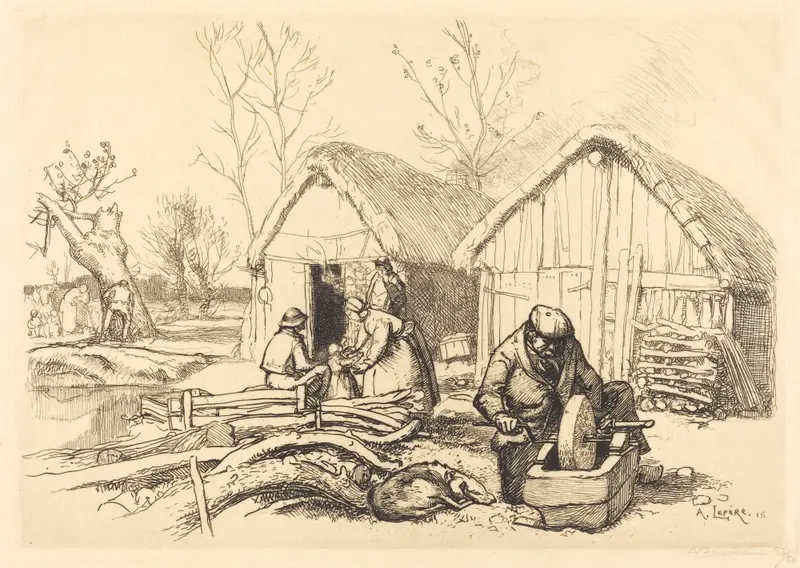
The House of the Woodcutter, Vendee (La maison du bucheron, Vendee)
Auguste Lepère
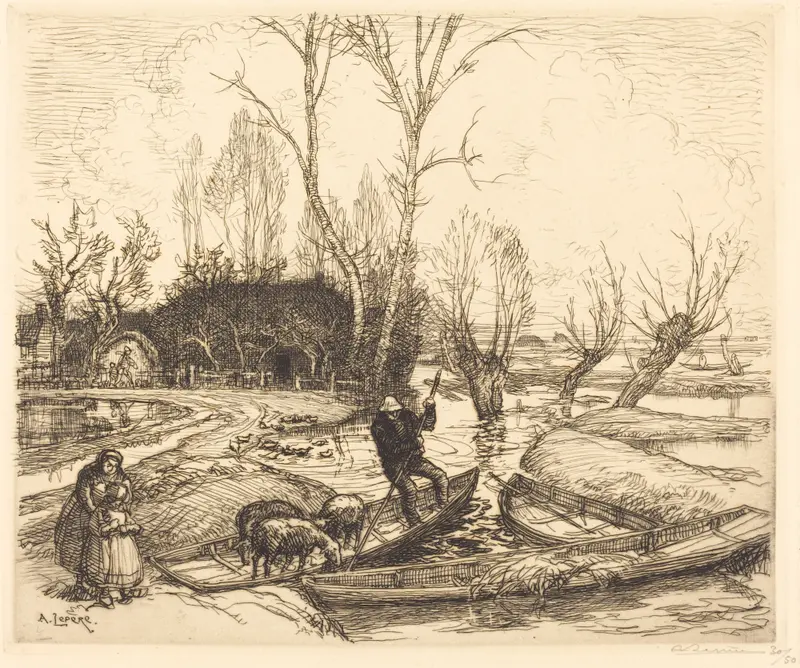
In the Deluged Marsh - The Shepherd (Au marais inonde - Le berger)
Auguste Lepère
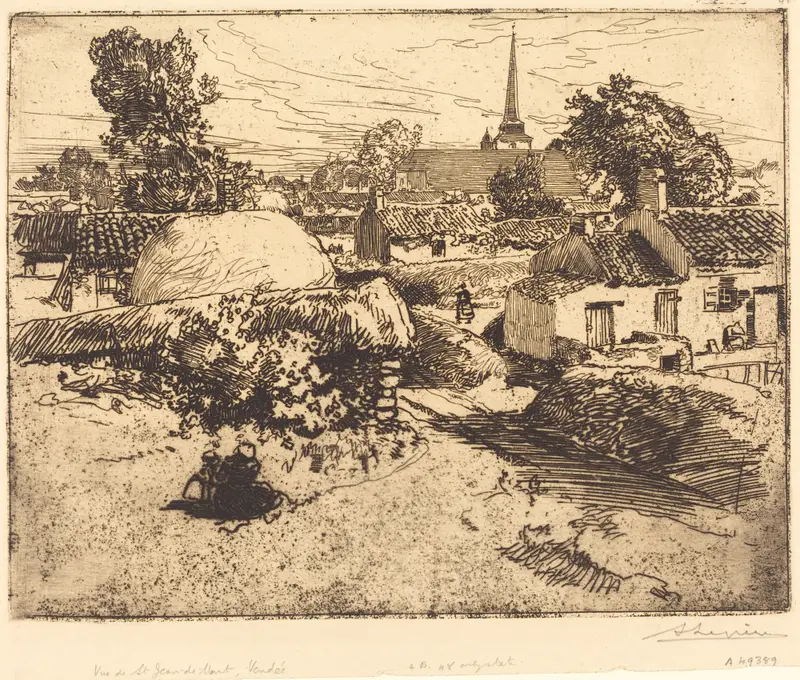
View of St.-Jean-de-Mont, Vendee (Vue de St.-Jean-de-Mont, Vendee)
Auguste Lepère
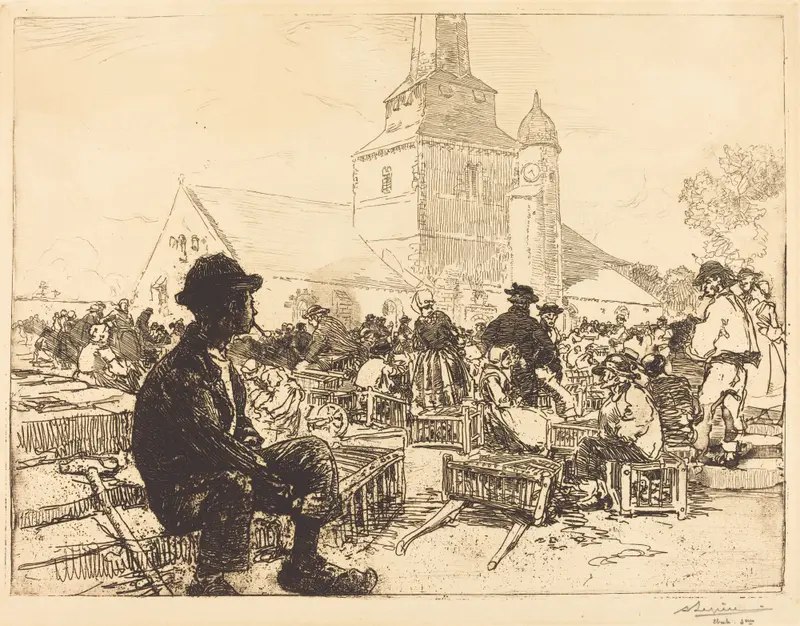
Poultry Market at St.-Jean-de-Mont (Marche a la volaille, a St.-Jean-de-Mont)
Auguste Lepère





