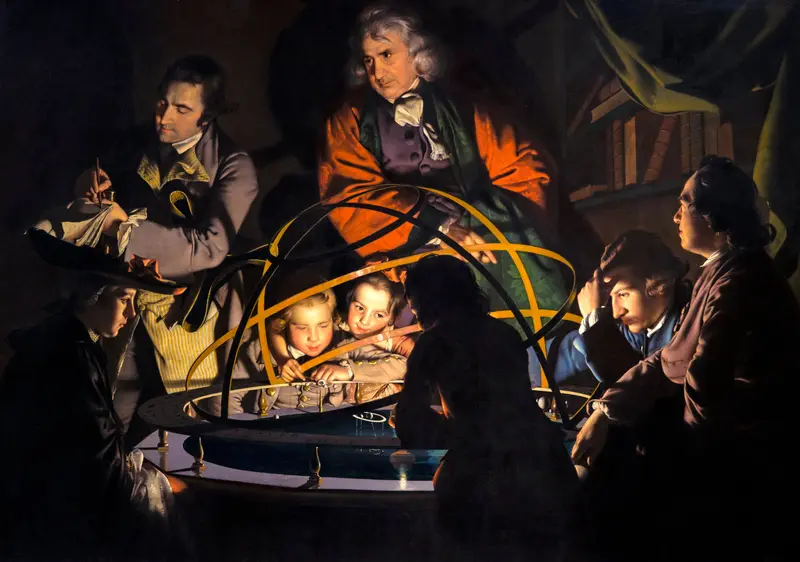
Unloading Grain — History & Facts
When Unloading Grain was first exhibited, contemporary viewers recognized in it a rare celebration of rural labor at a time when British society was rapidly industrializing. Unlike the grand historical canvases favored by many of his peers, John Linnell turned his attention to the rhythms of the countryside, capturing a moment that was both everyday and quietly heroic. Linnell, a close associate of William Blake and a supporter of the early Pre-Raphaelite circle, was praised for his commitment to natural observation and for giving dignity to working people.
The painting stands as a testament to a period in English art when the depiction of honest toil was gaining new respect. The scene unfolds at the edge of a golden field, where a group of laborers unload sacks of grain from a horse-drawn cart. Linnell chooses the instant when the heaviest burden is being shifted from shoulder to ground, the men's bodies tensed in effort, their faces shaded beneath wide-brimmed hats. The sunlight glances off the dust, illuminating the grain and highlighting the physicality of the work.
In the background, a farmhouse and distant trees anchor the composition, suggesting the cycle of harvest and sustenance. Unlike the idealized peasants of Jean-François Millet, Linnell’s figures are individualized, their gestures and clothing rendered with close attention, emphasizing both the hardship and the quiet pride of their task. The precise origins of Unloading Grain remain uncertain, as no early records of its commission or first owner have survived. It is likely that Linnell painted it during the 1820s or 1830s, a period when he was deeply engaged with rural themes and experimenting with plein air studies.
Over the years, the painting has passed through several private collections, occasionally surfacing in exhibition catalogues but never straying far from the circle of Linnell admirers. Today, it is recognized as a key work in the artist’s exploration of rural life, bridging the gap between the naturalism of his early landscapes and the more visionary works of his later career.
More Artworks by John Linnell

A View Near Hampstead
John Linnell
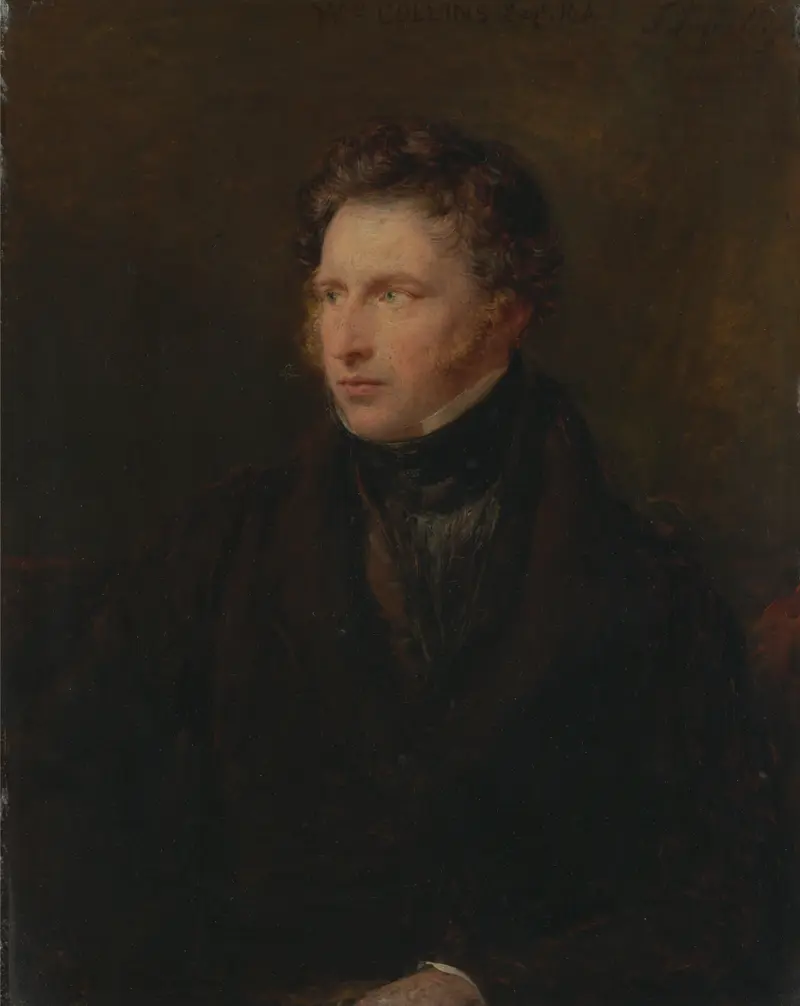
William Collins, R.A.
John Linnell
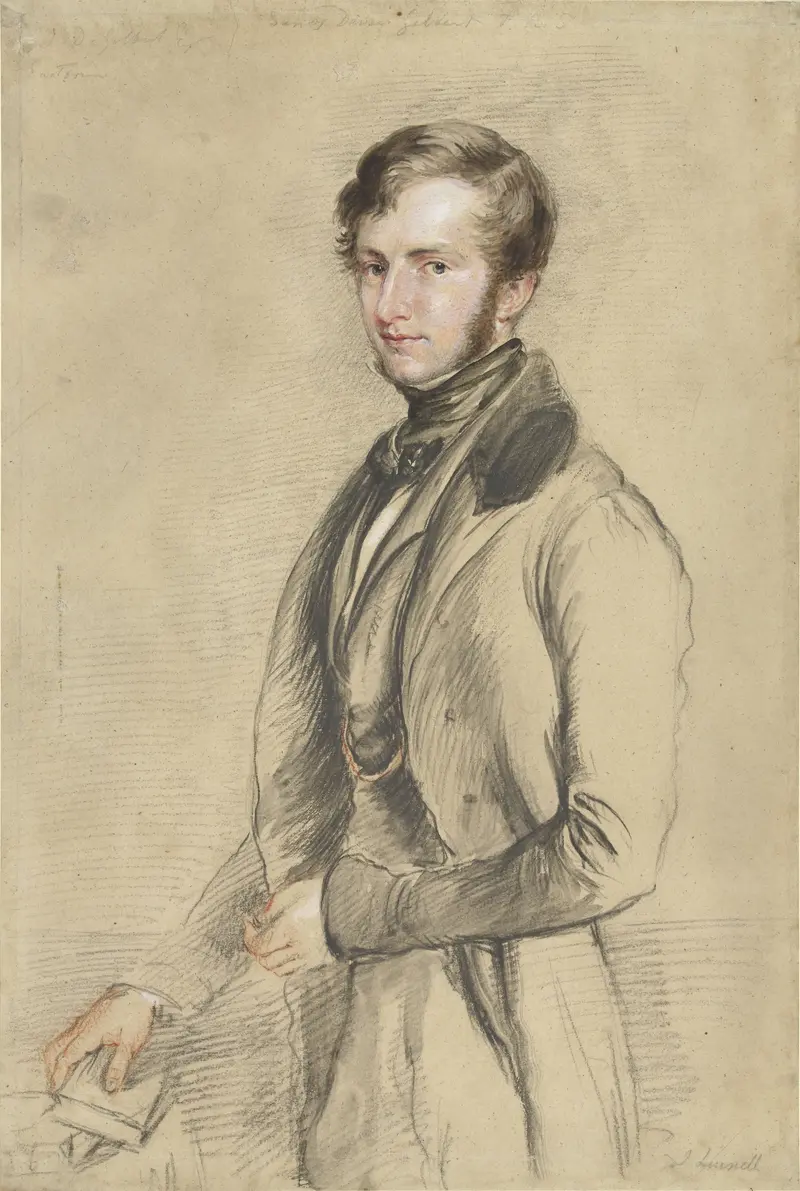
Portrait of John Davies Gilbert
John Linnell
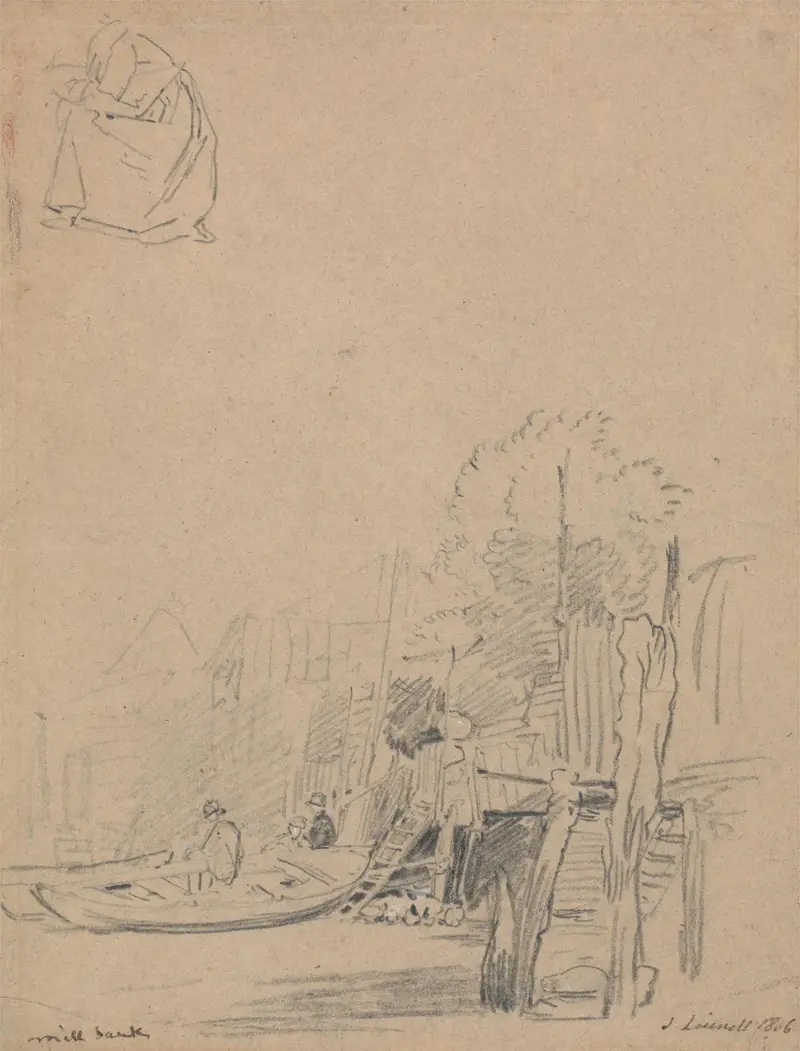
Millbank
John Linnell
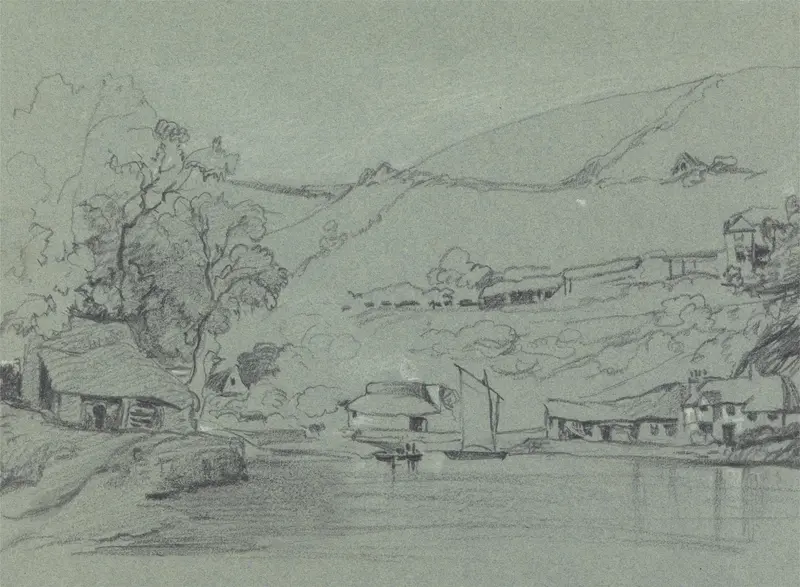
Scene in Kent
John Linnell
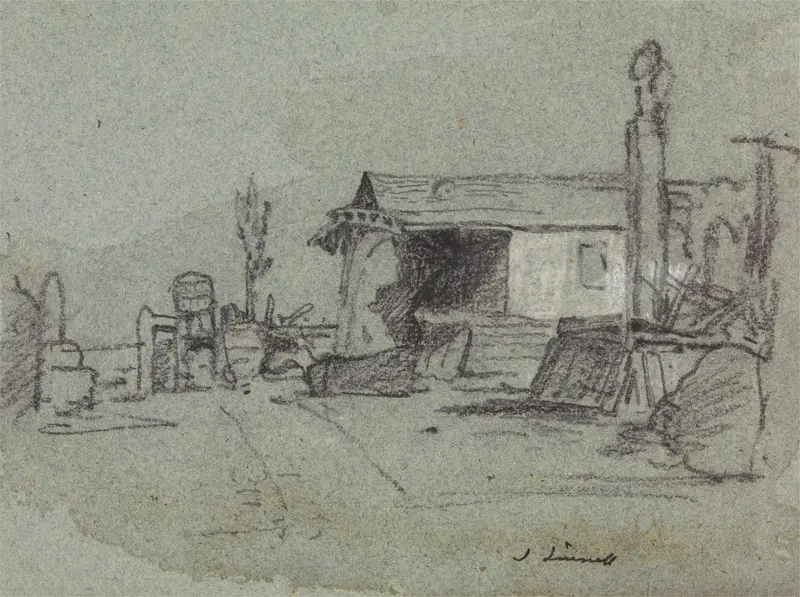
A Scene in the Edgware Road, London
John Linnell
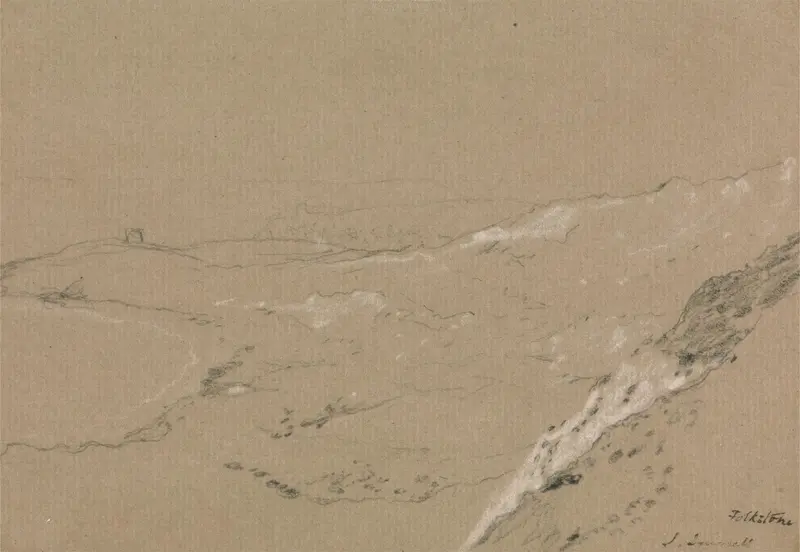
Folkestone
John Linnell
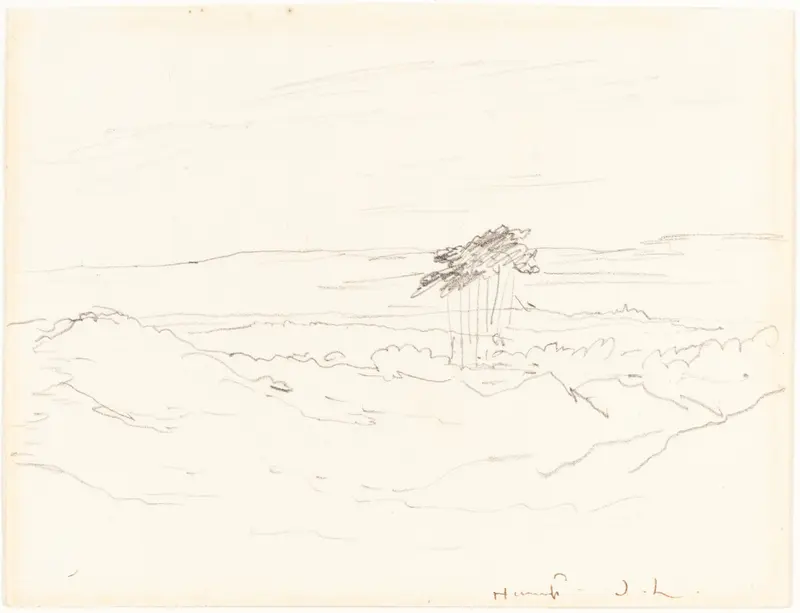
Hampstead Heath
John Linnell
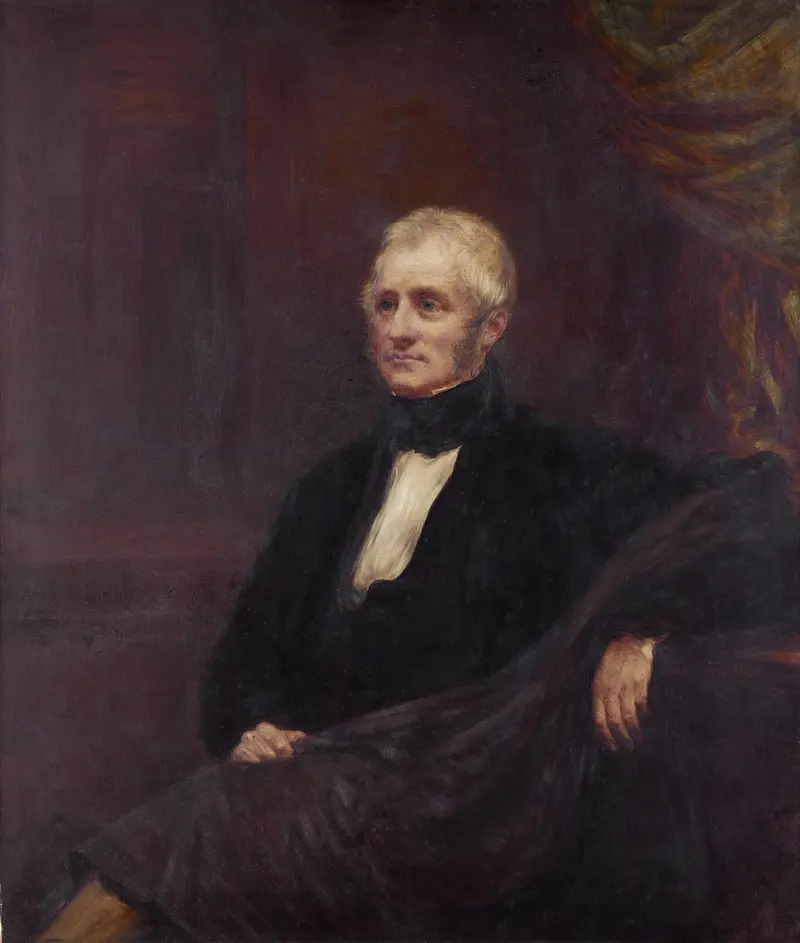
Henry Stephen Fox-Strangways, 3rd Earl Of Ilchester
John Linnell
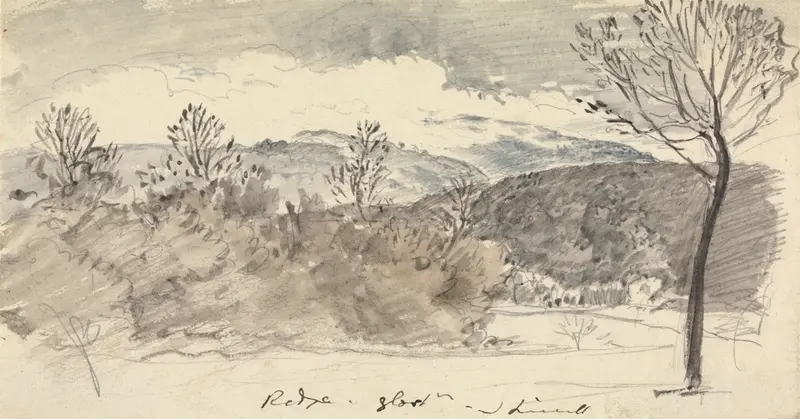
View at Mr. Sheppard’s, The Ridge, Gloucestershire
John Linnell