
Valeria — History & Facts
What if silence could speak through light? In Valeria, the shimmer of illumination holds the weight of unspoken thoughts, a delicate balance between serenity and the ominous edge of madness. Look to the center of the canvas, where Valeria stands poised, her gaze both inviting and unsettling. The soft palette of pastel hues envelops her figure, yet the background looms dark and chaotic, suggesting an inner turmoil that contrasts sharply with her calm exterior. Notice how the light dances around her, illuminating her features with an ethereal glow that almost feels like a veil, hinting at the fragility of her psyche.
The brushwork is smooth, yet beneath the surface, there’s a tension that suggests the clashing worlds of calm beauty and underlying strife. Delve deeper, and you’ll discover the symbolism within her delicate posture—a gentle hand raised to her chest while the other rests loosely by her side. It speaks of vulnerability and a surrender to her fate, a silent acknowledgment of the madness creeping into her life. The interplay of light and shadow creates a dialogue, revealing the complexities of her existence, where moments of peace are punctuated by the chaos that lies just beneath.
The contrast between the serene expression and the tumultuous environment raises questions about sanity, drawing the viewer into her world of conflicting emotions. In the early 1840s, Johann Friedrich Wagner created this work during a time when Romanticism was thriving in Europe, reflecting deep emotional states and the exploration of the self. As he painted Valeria, Wagner grappled with the ideals of beauty and despair, merging them into a profound commentary on the human experience. The era was marked by rapid social changes, and artists were increasingly drawn to the psychological depths of their subjects, a theme that resonates powerfully in this evocative piece.
More Artworks by Johann Friedrich Wagner
Browse all →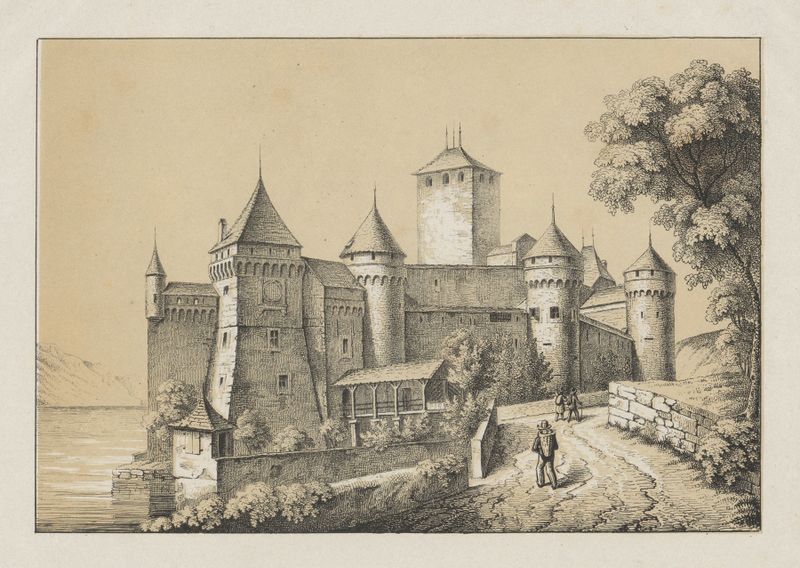
Chillon
Johann Friedrich Wagner

Valangin
Johann Friedrich Wagner
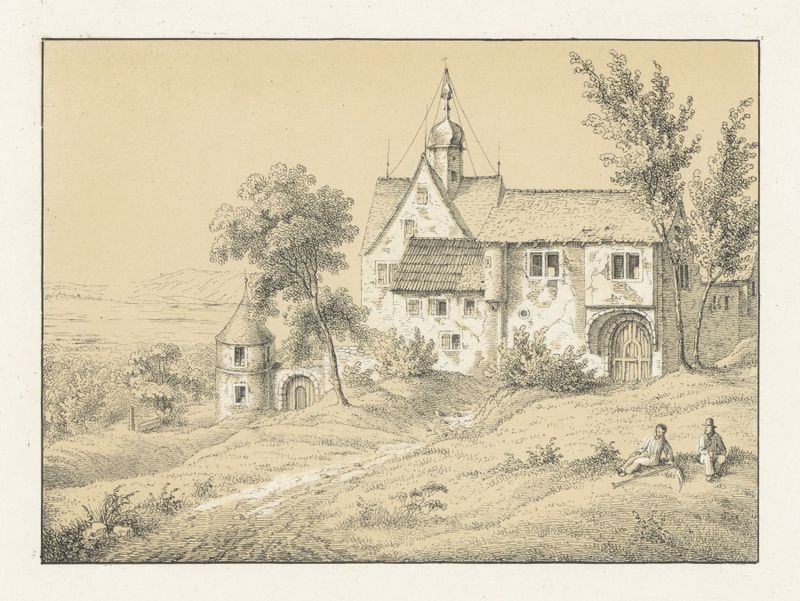
Greifenstein
Johann Friedrich Wagner

Vorburg
Johann Friedrich Wagner
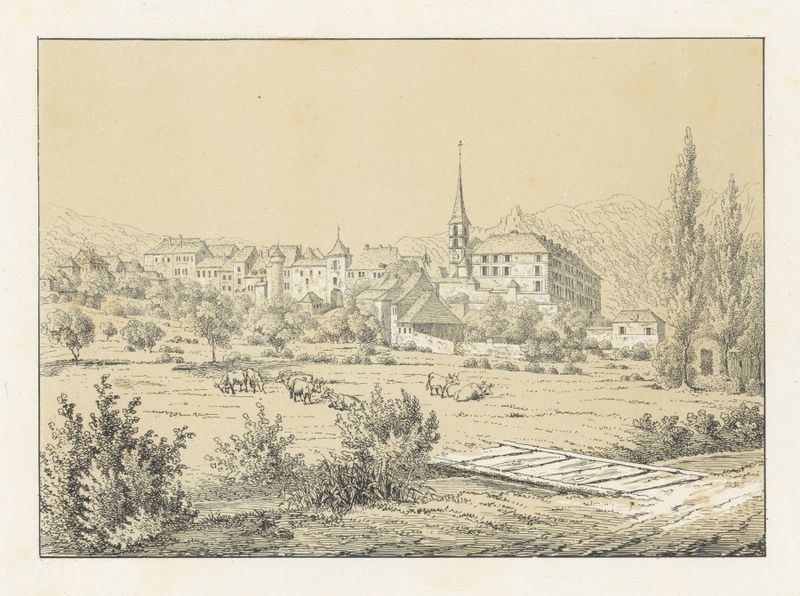
Delémont
Johann Friedrich Wagner

Pleujouse
Johann Friedrich Wagner

Challay
Johann Friedrich Wagner
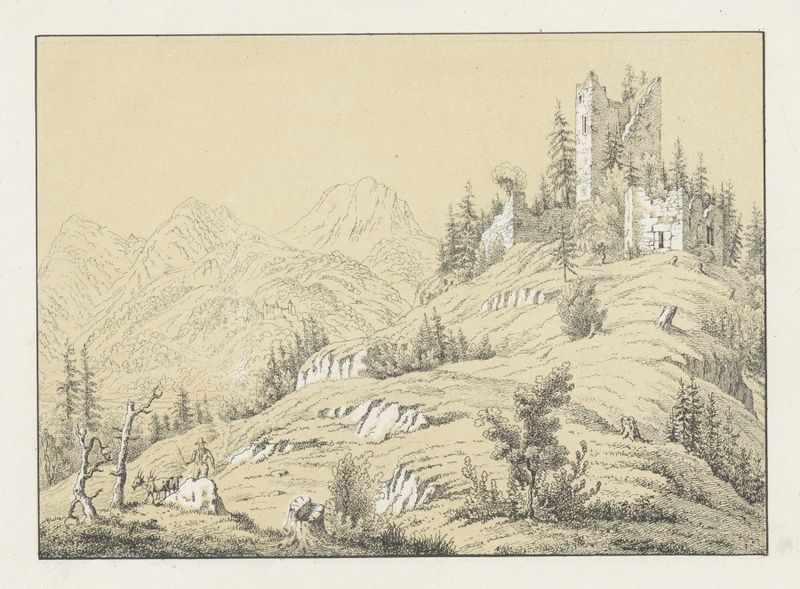
Mont Salvant
Johann Friedrich Wagner
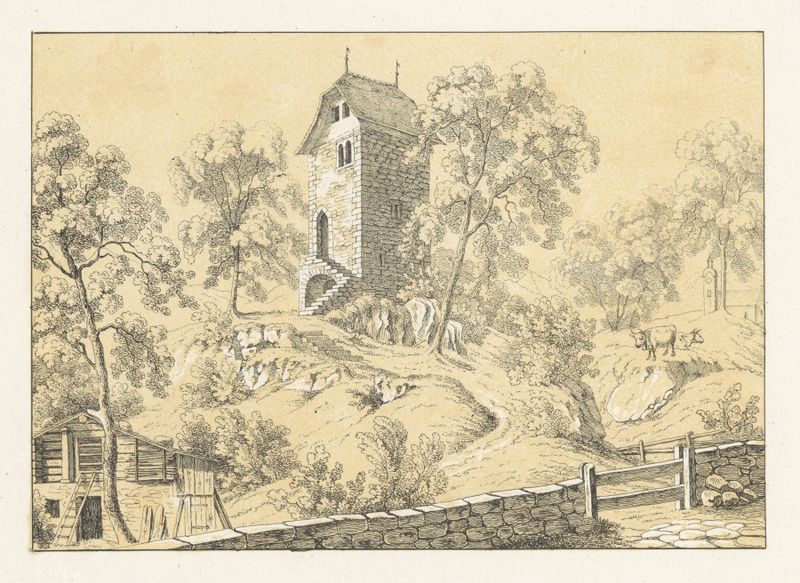
Aha. Od. Untere Burg von Sarnen
Johann Friedrich Wagner
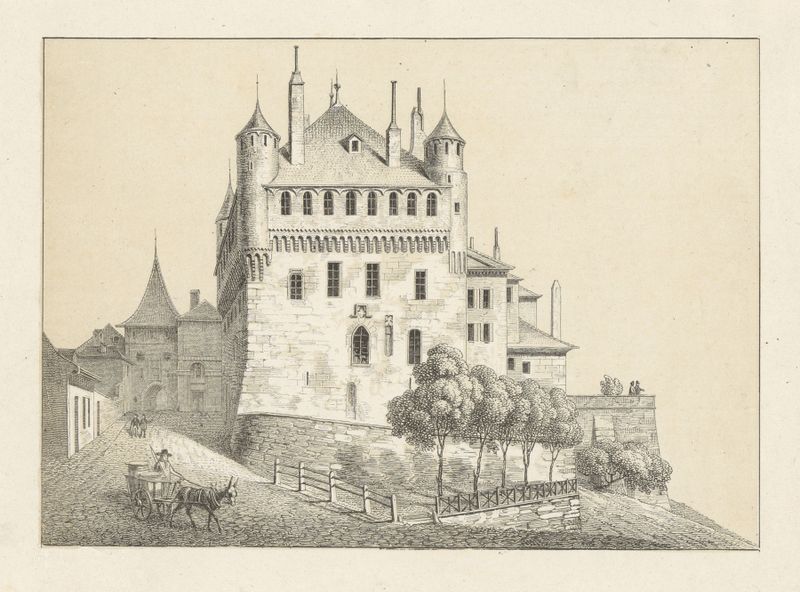
Lausanne
Johann Friedrich Wagner
More Portrait Art
Browse all →
Las meninas
Diego Velázquez

Self-portrait with a Bandaged Ear and Pipe
Unidentified artist

Girl with a Pearl Earring
Johannes Vermeer

The Sampling Officials of the Amsterdam Drapers’ Guild, Known as ‘The Syndics’
Rembrandt van Rijn

The Hundred Guilder Print: the man seen on the back in the lower left corner
Rembrandt van Rijn

Portrait of Dr Gachet
Vincent van Gogh