Vase — History & Facts
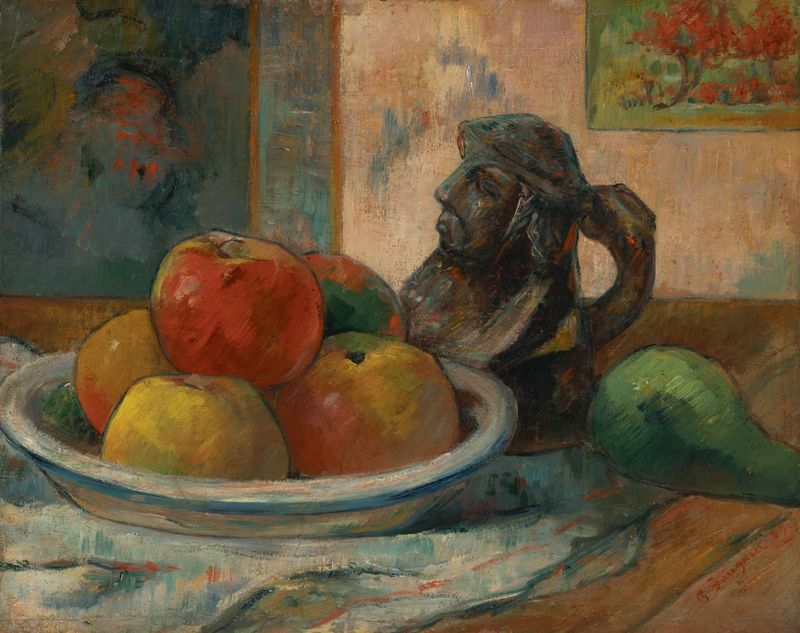
Could a single brushstroke hold eternity? In the delicate play of light and shadow, the essence of rebirth whispers from the canvas, inviting introspection and wonder. Look closely at the center of the composition, where the vase stands resolutely, its curves inviting your gaze. Notice how the artist captured the texture of the ceramic; each brushstroke mimics the brush of a potter's hand, creating a tactile quality that invites touch. The soft, muted colors evoke a sense of calm, while the gentle interplay of light highlights the rim and base, casting a subtle glow that enhances the vase’s significance. Beneath the serene exterior lies a deeper narrative of transience and continuity.
The graceful flowers spilling from the vase serve as a poignant reminder of nature’s cyclical beauty and the fragility of existence. Each petal, painted with meticulous precision, seems to breathe life, contrasting with the stillness of the vase, which symbolizes permanence. Here, we find a dialogue between birth and decay, as the flowers, vibrant yet ephemeral, embody the duality of life itself. Created between 1635 and 1650, the artist worked during a period marked by flourishing Dutch still-life painting, where the meticulous representation of objects symbolized wealth and the passage of time.
This era witnessed a fascination with the natural world and the exploration of meanings behind everyday objects. The artist’s identity remains unknown, yet their work reflects a profound understanding of the ephemeral nature of beauty, a theme that resonated deeply in a society navigating both prosperity and uncertainty.
More Artworks by Unknown Artist
Browse all →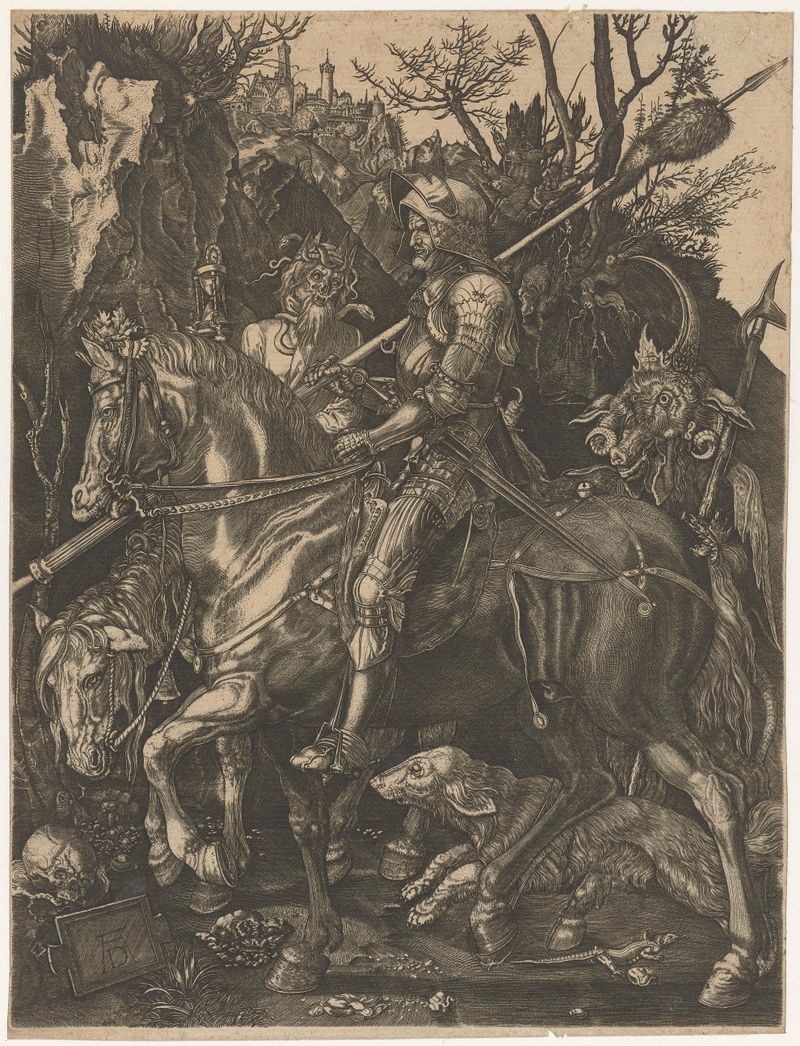
Ridder, Dood en Duivel
Unknown Artist
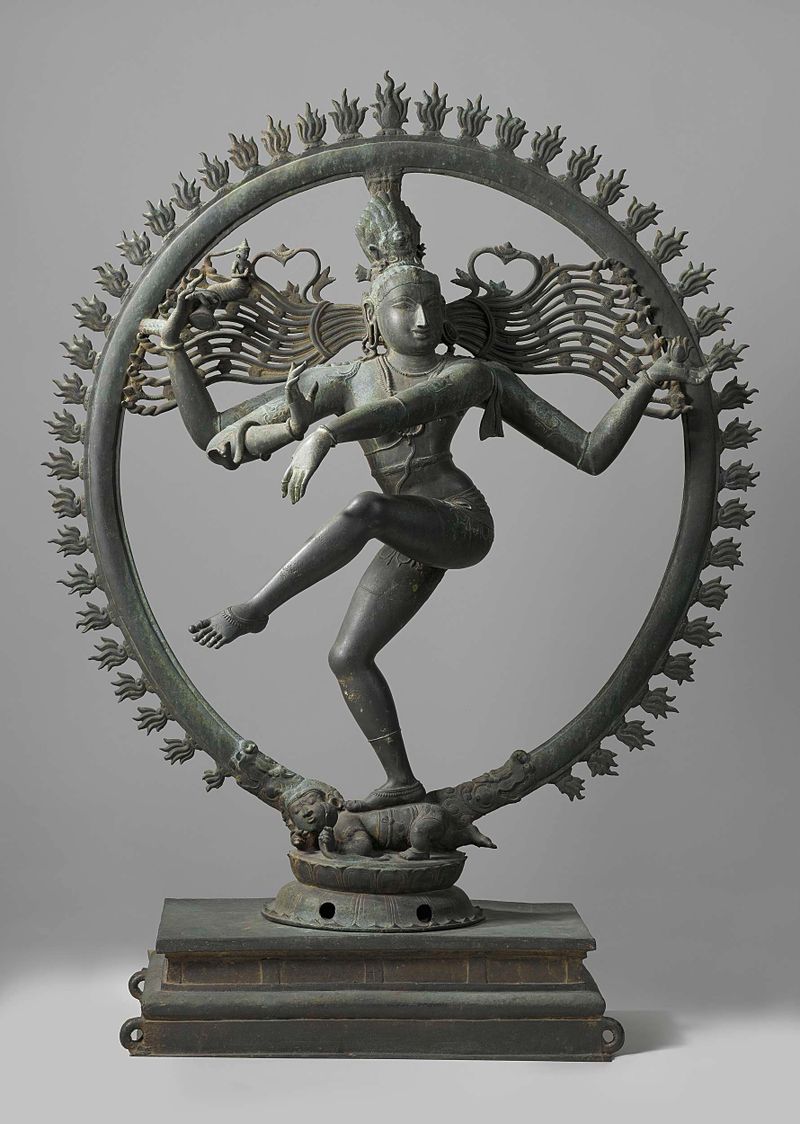
Shiva Nataraja
Unknown Artist
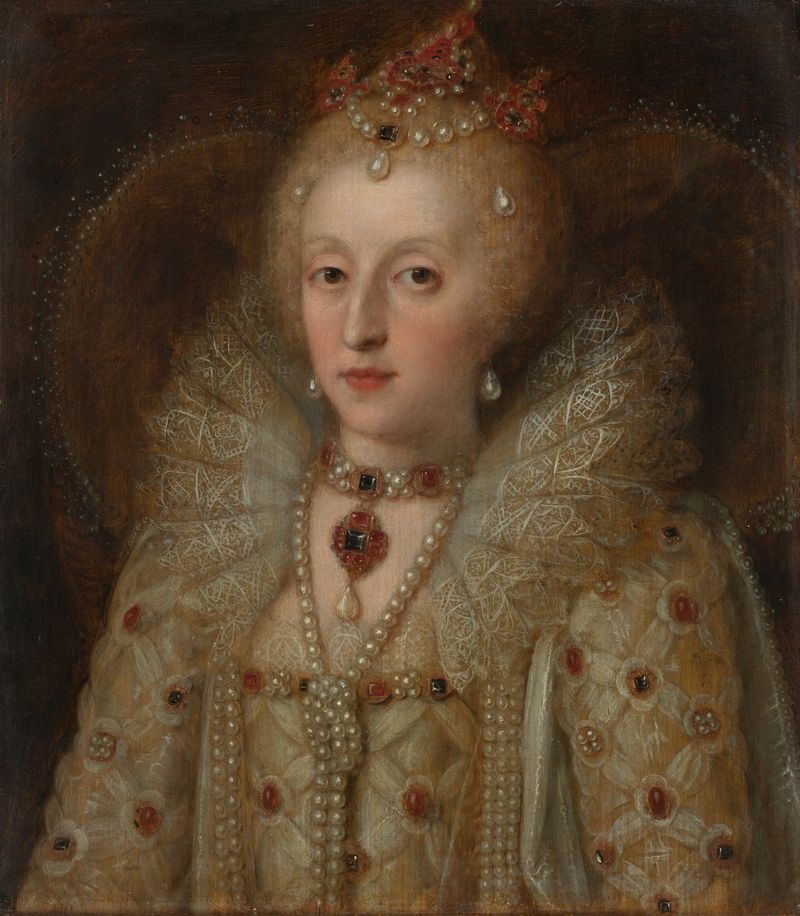
Portrait of Elizabeth I, Queen of England
Unknown Artist
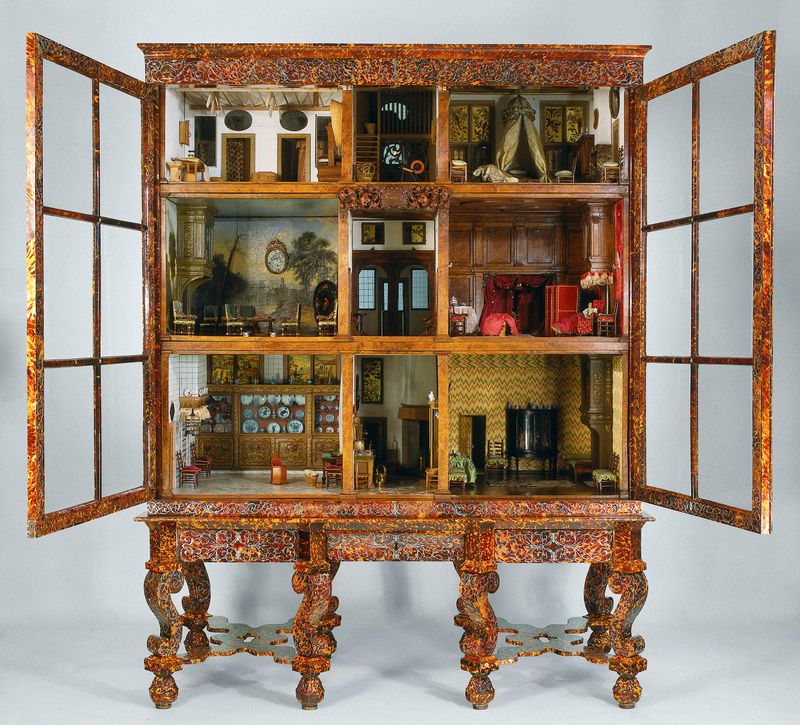
Dolls’ house of Petronella Oortman
Unknown Artist
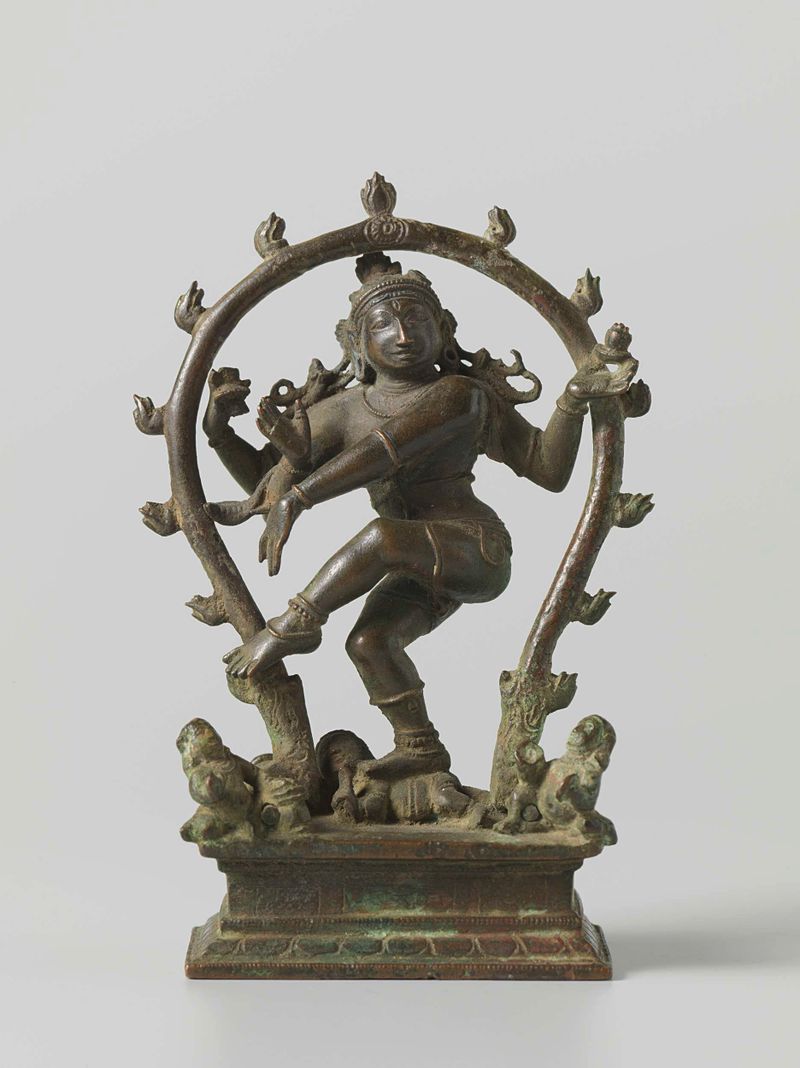
Shiva Nataraja
Unknown Artist

The Tale of Genji
Unknown Artist

The Tale of Genji
Unknown Artist

Cong
Unknown Artist
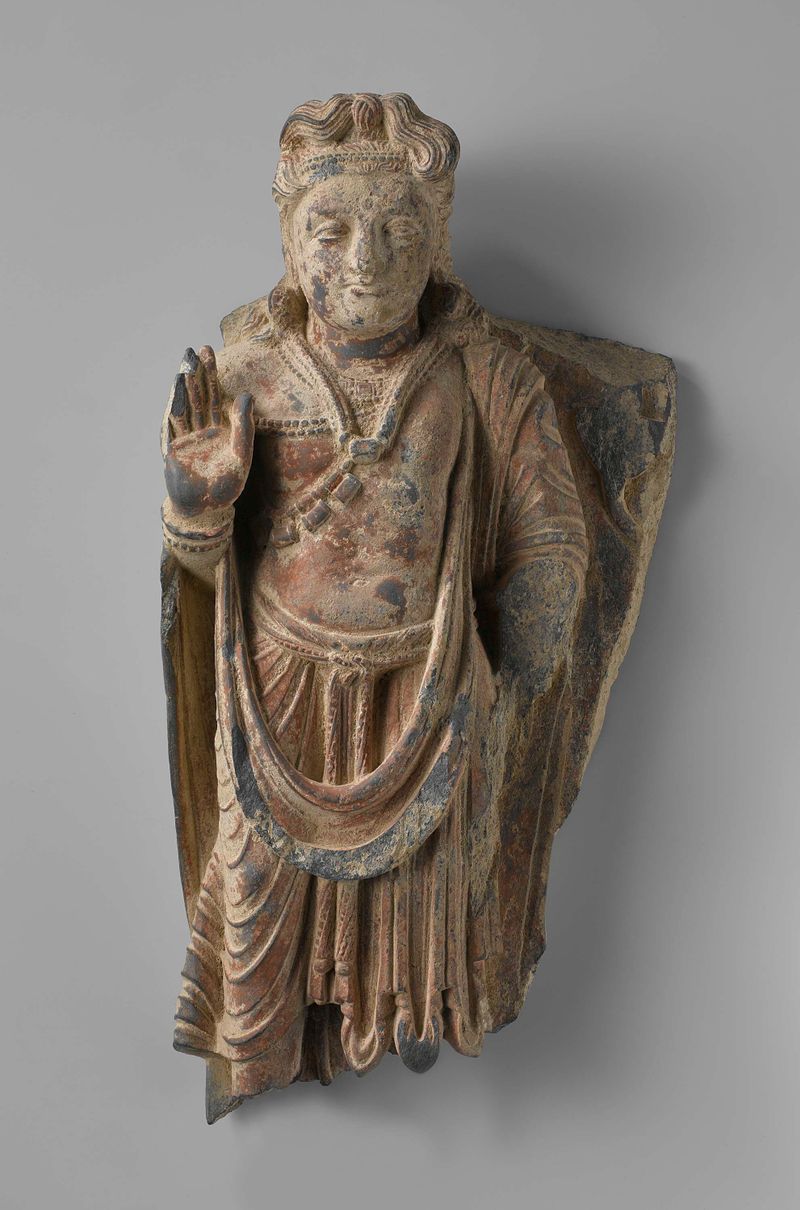
The bodhisattva Maitreya
Unknown Artist

Teabowl with a 'hare's fur' glaze
Unknown Artist