
Vase with Flowers — History & Facts
What first catches the eye in Vase with Flowers is the riot of color and texture that seems to burst from the canvas, as if the bouquet could barely be contained by its ornate vessel. The flowers tumble outward in thick, almost sculpted strokes of yellow, cream, blue, and red, their forms dissolving into a mass of energy and light. The vase itself is no mere container but a second bouquet—a patchwork of painted blossoms echoing the real ones above, its golden feet anchoring the whole arrangement to the shadowed tabletop.
Monticelli’s brushwork is bold and physical, each petal and leaf built up with a confidence that invites the viewer to linger over the surface, following the play of light as it catches on the impasto. Painted in 1875, this work belongs to a world of rapid artistic change, when painters like Adolphe Joseph Thomas Monticelli were pushing the boundaries of what a still life could be. In Monticelli’s France, such paintings were often made for a rising middle class eager to bring color and luxury into their homes, yet his approach is anything but conventional. Instead of the crisp realism of earlier centuries, Monticelli offers a vision shaped by memory and sensation, his palette and technique foreshadowing the later experiments of the Impressionists—and even inspiring artists like Van Gogh, whose museum now houses this piece.
Little is recorded about the journey of this particular painting, but its exuberance speaks across the years, urging us to look again and discover new details with every viewing.
More Artworks by Adolphe Monticelli

Portrait of a Lady
Adolphe Monticelli
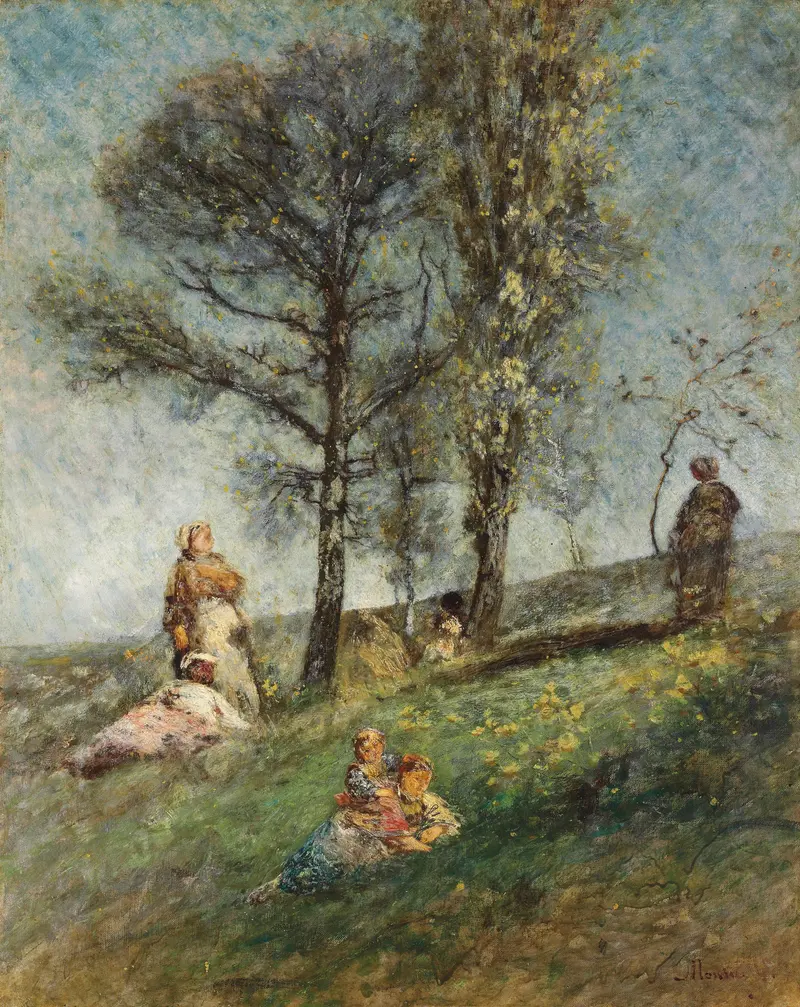
A Young Family Under Trees On A Hill
Adolphe Monticelli

Fête d'Après-Midi
Adolphe Monticelli
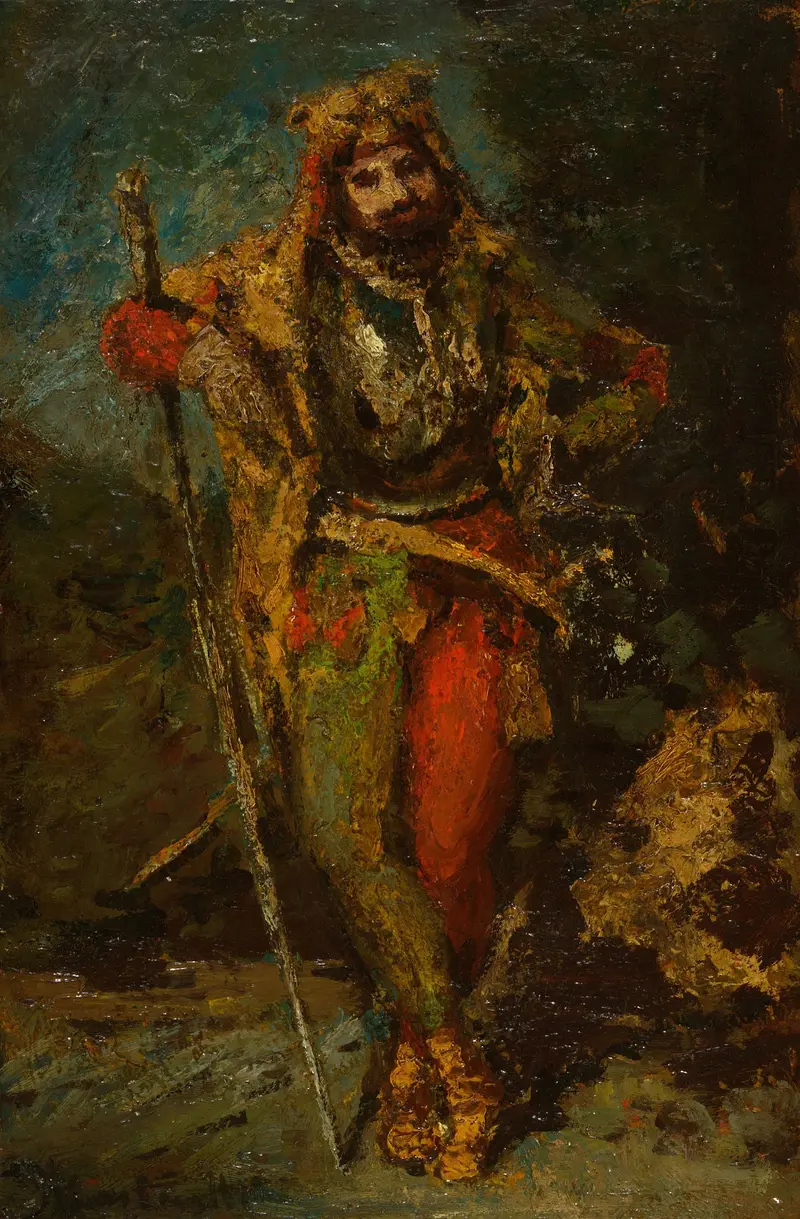
Mephisto from the Opera Faust
Adolphe Monticelli
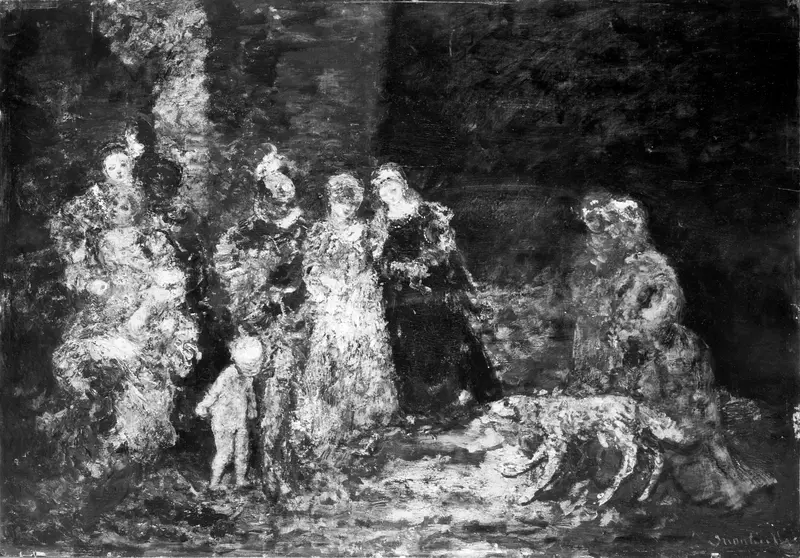
The Fairies
Adolphe Monticelli
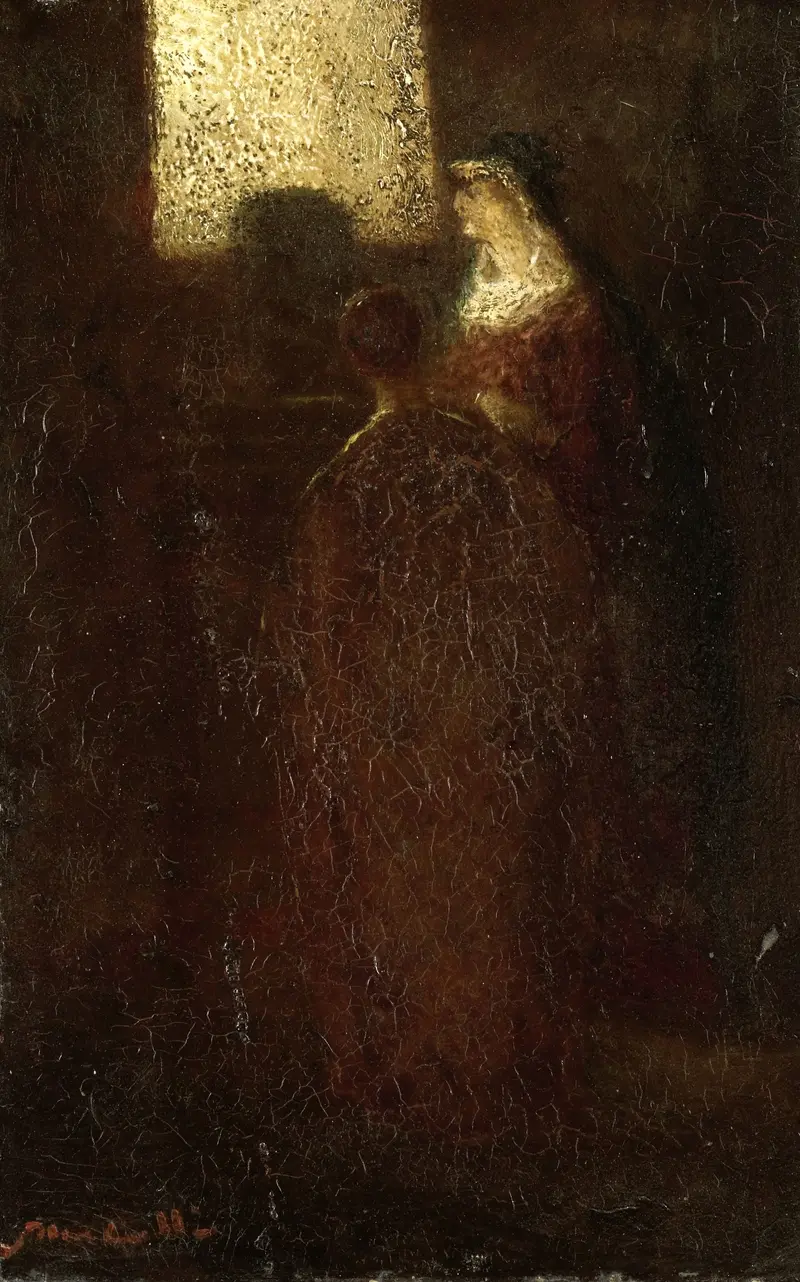
Aan het altaar
Adolphe Monticelli
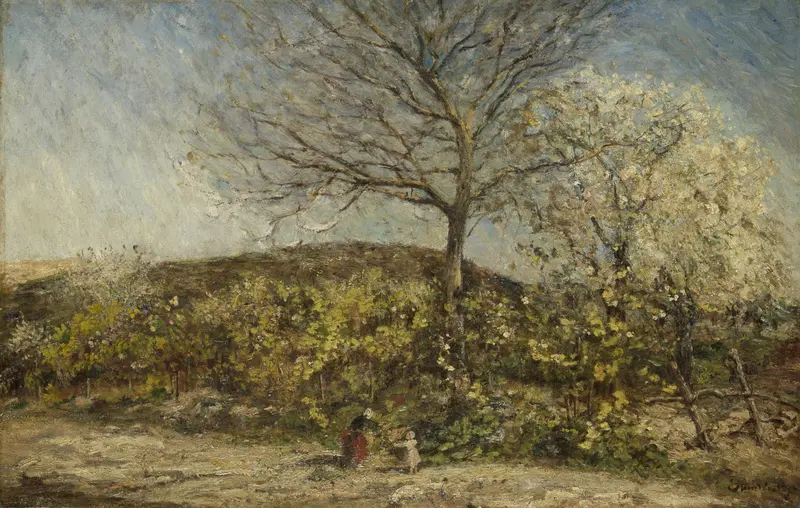
Landschap met bloeiende boomgaard
Adolphe Monticelli
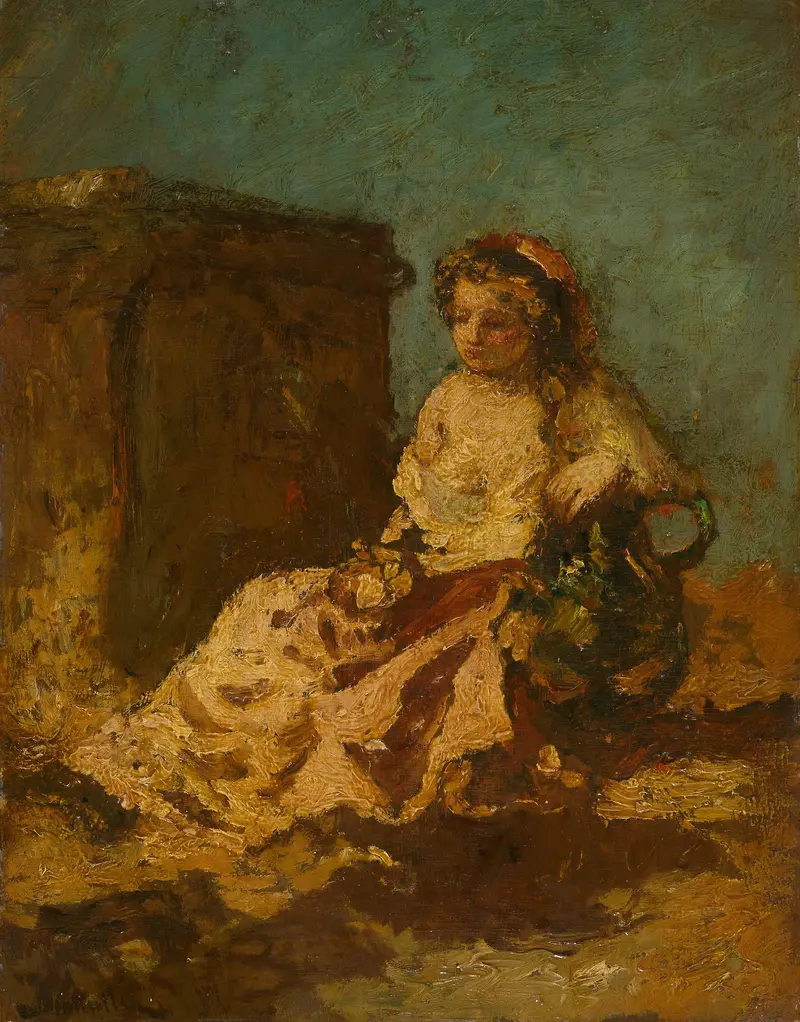
Meditation (Seated Woman)
Adolphe Monticelli
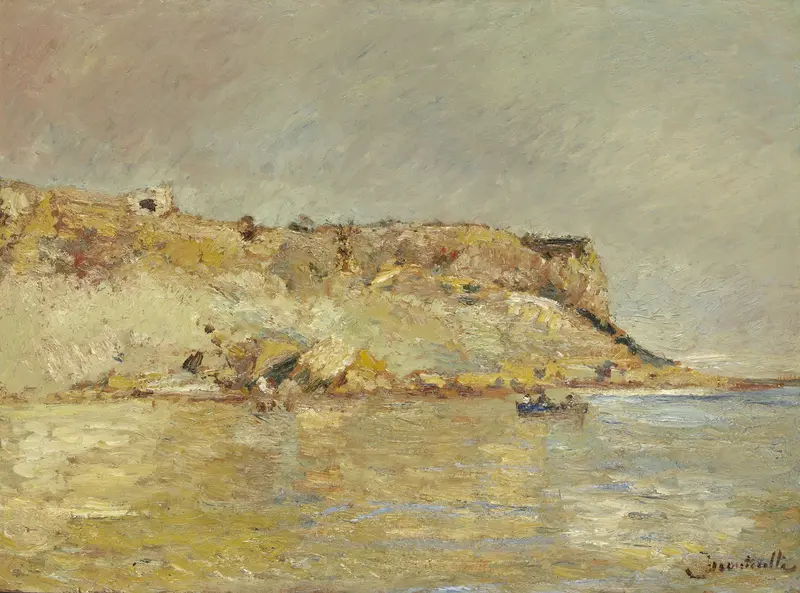
Coastal Mountains
Adolphe Monticelli
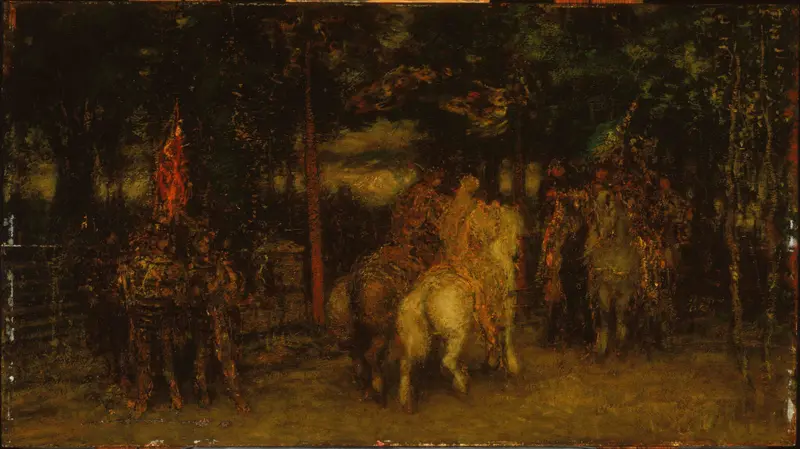
Landscape with Figures
Adolphe Monticelli





