
Veertien verschillende koppen van mannen, vrouwen, dieren en mascarons — History & Facts
In the delicate interplay of face and form, we find the haunting truths woven into the fabric of existence, masked beneath layers of artistry. Look closely at the array of heads before you, each unique, yet bound together by their shared frame. The subtle variations in expression—a frown here, a smirk there—invite the viewer to explore the emotional spectrum. Notice how the light dances across the surfaces, illuminating the intricate details carved into flesh and fur, while shadows deepen the mystery of each visage.
The muted palette allows the intricate textures to take center stage, revealing Breenbergh's masterful command of chiaroscuro. As you delve deeper, consider the contrasting nature of each face: the serene next to the grotesque, the human alongside the animal. Each head, a testament to individuality, simultaneously speaks to a collective experience of existence. The presence of mascarons adds a layer of irony, suggesting a façade behind which complex emotions hide.
This reveals the artist's commentary on the nature of identity and perception—how what we show the world is often a mere veneer over our true selves. In 1638, Breenbergh painted this work in the vibrant artistic milieu of the Dutch Golden Age, where realism and elaborate detail flourished. It was a period marked by exploration and discovery, yet rife with social and personal turmoil. The artist, influenced by the flourishing trends of portraiture and still life, sought to capture the duality of humanity, harmonizing form and emotion in a singular visual experience.
More Artworks by Bartholomeus Breenbergh
Browse all →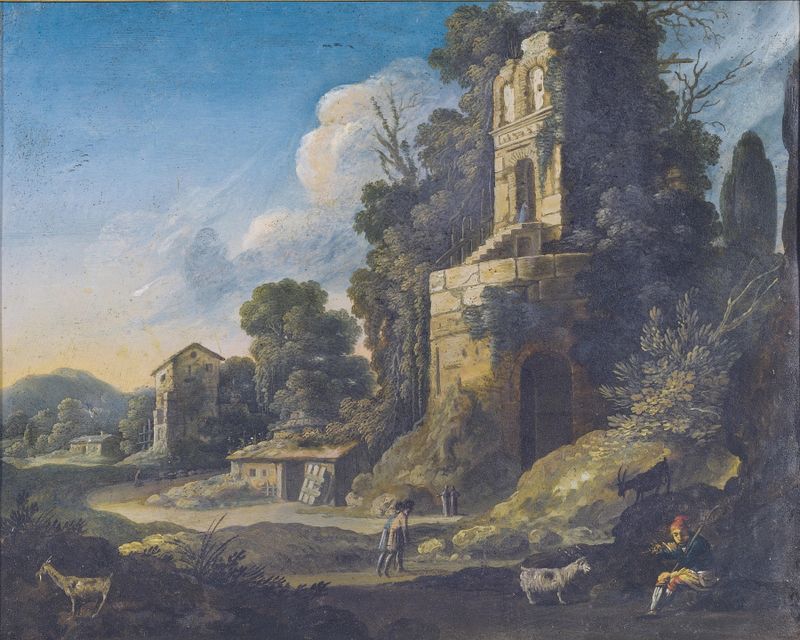
Italianate landscape with buildings and a herdsman playing pipes
Bartholomeus Breenbergh

Arcadian Landscape
Bartholomeus Breenbergh

Ruïnes van keizerlijk paleis te Rome
Bartholomeus Breenbergh

Ruïne van het Colosseum
Bartholomeus Breenbergh
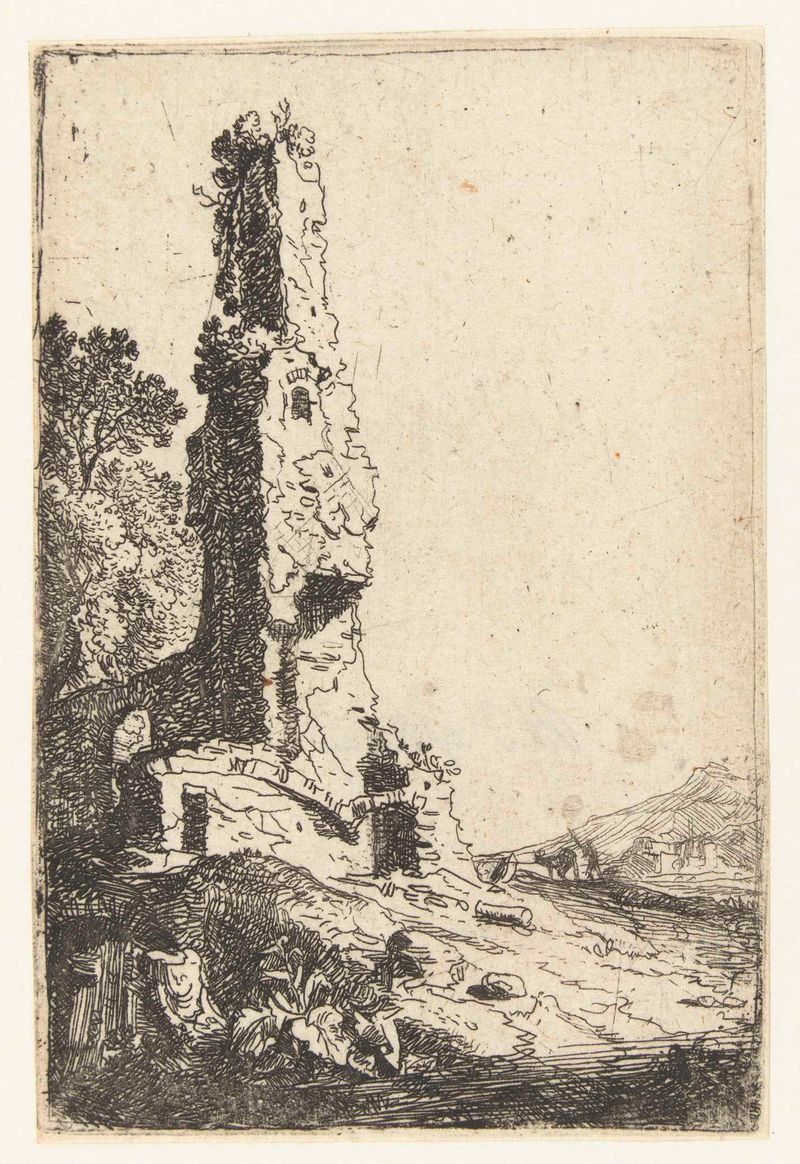
Ruïnes van de stadsmuren van Rome
Bartholomeus Breenbergh
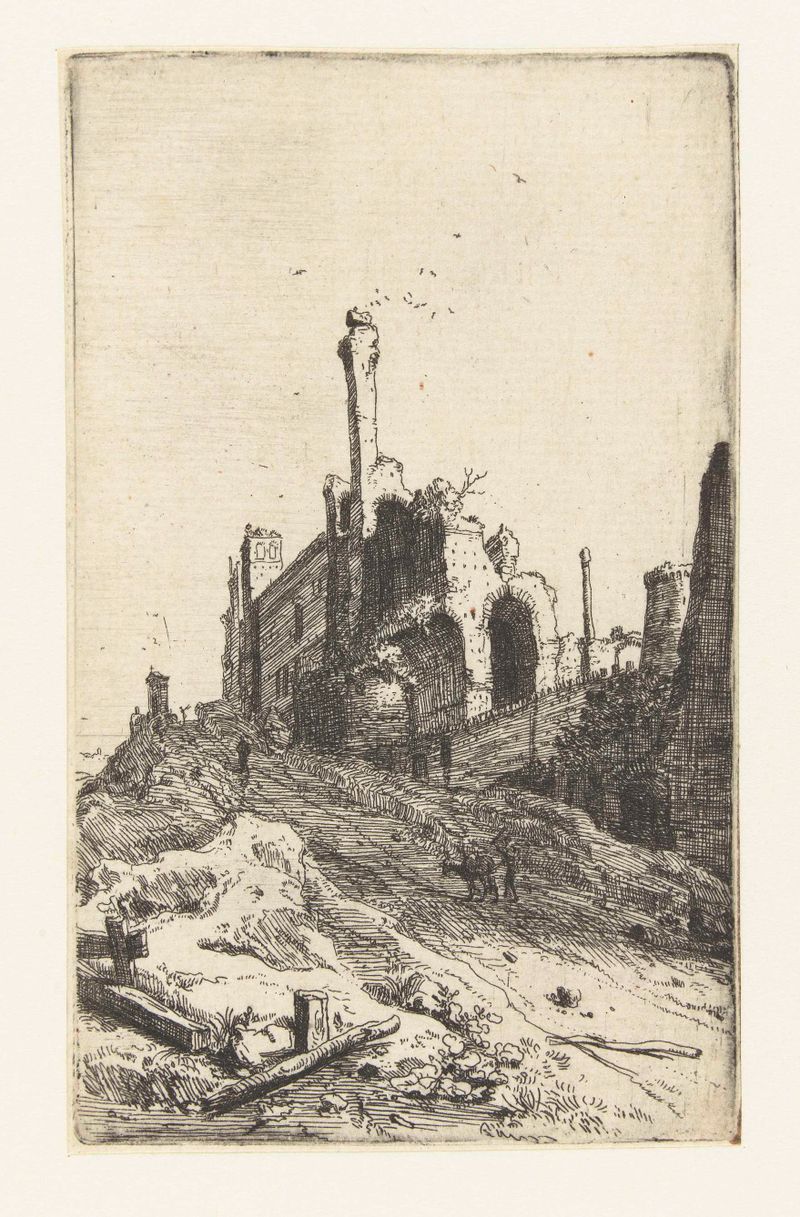
Ruïnes van een paleis te Tivoli
Bartholomeus Breenbergh

Figures Among Ruins By The Tiber
Bartholomeus Breenbergh

Italian Landscape with the Aurelian Wall
Bartholomeus Breenbergh
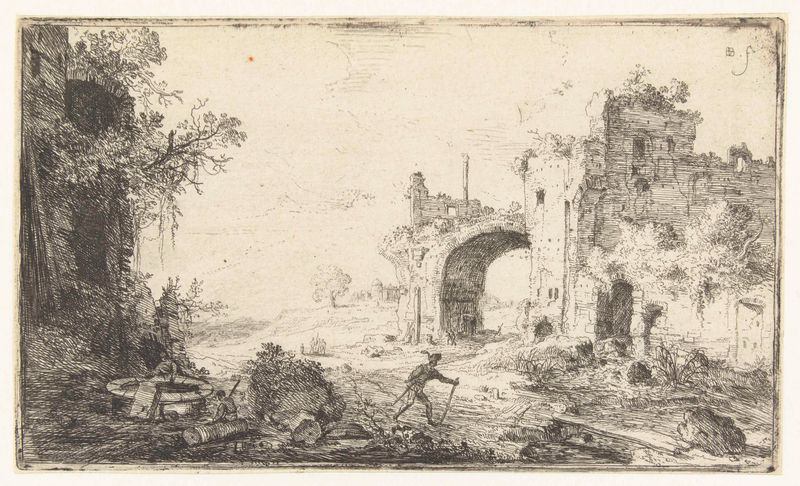
Ruïnes van de thermen van Caracalla
Bartholomeus Breenbergh
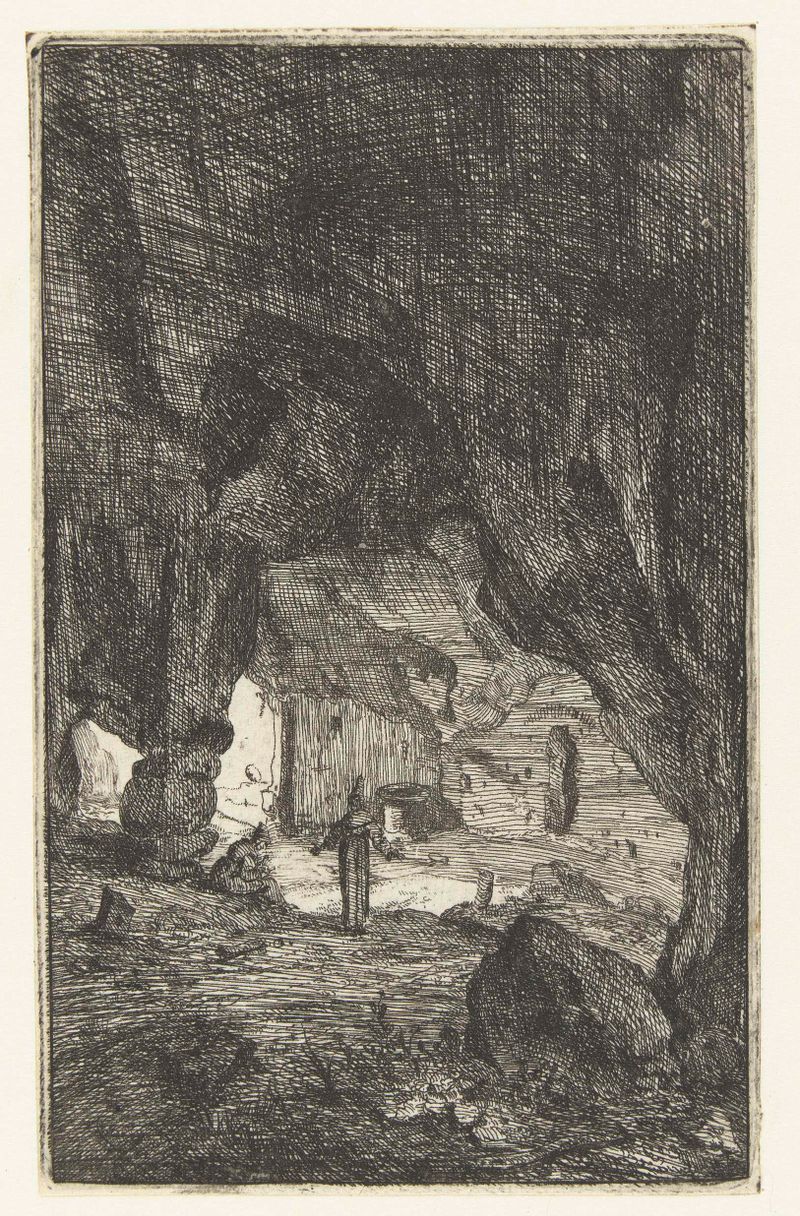
Interieur van een grot
Bartholomeus Breenbergh
More Portrait Art
Browse all →
Las meninas
Diego Velázquez

Self-portrait with a Bandaged Ear and Pipe
Unidentified artist

Girl with a Pearl Earring
Johannes Vermeer

The Sampling Officials of the Amsterdam Drapers’ Guild, Known as ‘The Syndics’
Rembrandt van Rijn

The Hundred Guilder Print: the man seen on the back in the lower left corner
Rembrandt van Rijn

Portrait of Dr Gachet
Vincent van Gogh