
Veil of Veronica — History & Facts
Few images in Christian art have inspired as much devotion and mystery as the Veil of Veronica, and Francisco de Zurbarán’s interpretation stands out for its haunting intimacy. The subject itself is rooted in legend: the miraculous cloth bearing Christ’s face, said to have been imprinted as Saint Veronica offered him comfort on the road to Calvary. While the precise date and circumstances of Zurbarán’s painting remain unknown, what is certain is that he returned to this theme more than once, each time exploring the silent drama of the sacred relic.
The lack of documentation around this particular work has only deepened its aura, inviting speculation about its original setting and purpose. At the heart of the composition, the veil floats in darkness, its pale linen illuminated as if by an inner light. Christ’s face, rendered with gentle modeling and closed eyes, appears both lifelike and otherworldly, suspended between suffering and serenity. Zurbarán’s treatment is strikingly direct: there is no Veronica, no crowd, only the relic itself, inviting the viewer into a quiet confrontation with the image.
The stark contrast between the luminous cloth and the enveloping shadow recalls the meditative stillness of his Saint Serapion, while the absence of narrative detail sets it apart from the more theatrical versions by artists like El Greco. Every fold and shadow serves to heighten the sense of presence, making the miraculous imprint seem immediate and tangible. The painting’s early history is obscure, as is often the case with Zurbarán’s devotional works, many of which were created for monastic settings in Andalusia during the height of the Spanish Counter-Reformation. It is not clear who first commissioned this Veil of Veronica, or in which chapel or cell it may have hung, but its contemplative focus suggests it was intended for private prayer rather than public display.
Over the centuries, works of this type have been dispersed, sometimes misattributed or lost amid the upheavals of war and secularization. Today, the painting is recognized as a powerful example of Zurbarán’s ability to distill spiritual themes into simple, unforgettable images, and it remains a touchstone for those seeking the quiet intensity of Spanish Baroque devotion.
More Artworks by Francisco de Zurbarán
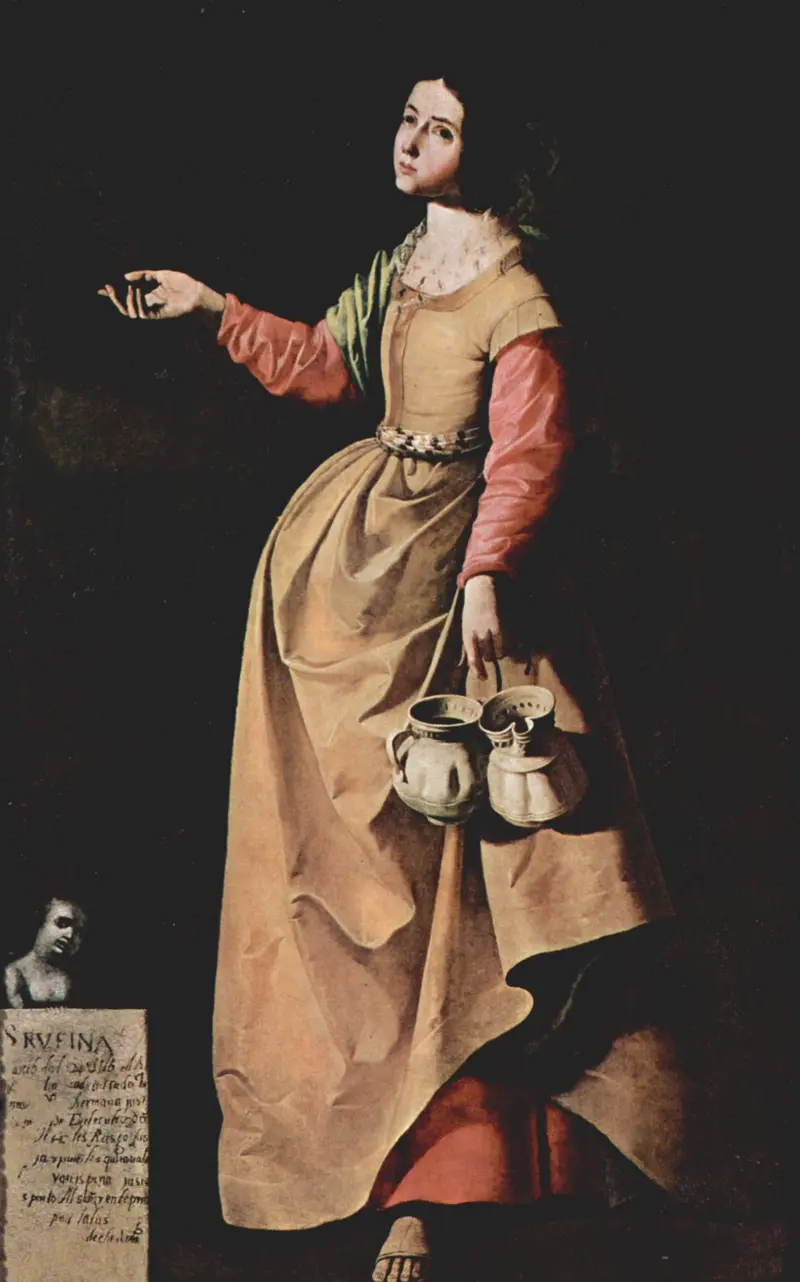
Saint Rufina
Francisco de Zurbarán
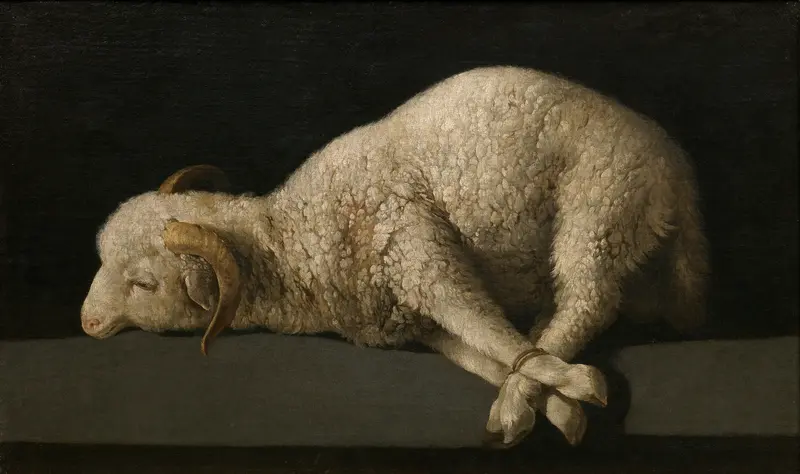
Agnus Dei
Francisco de Zurbarán
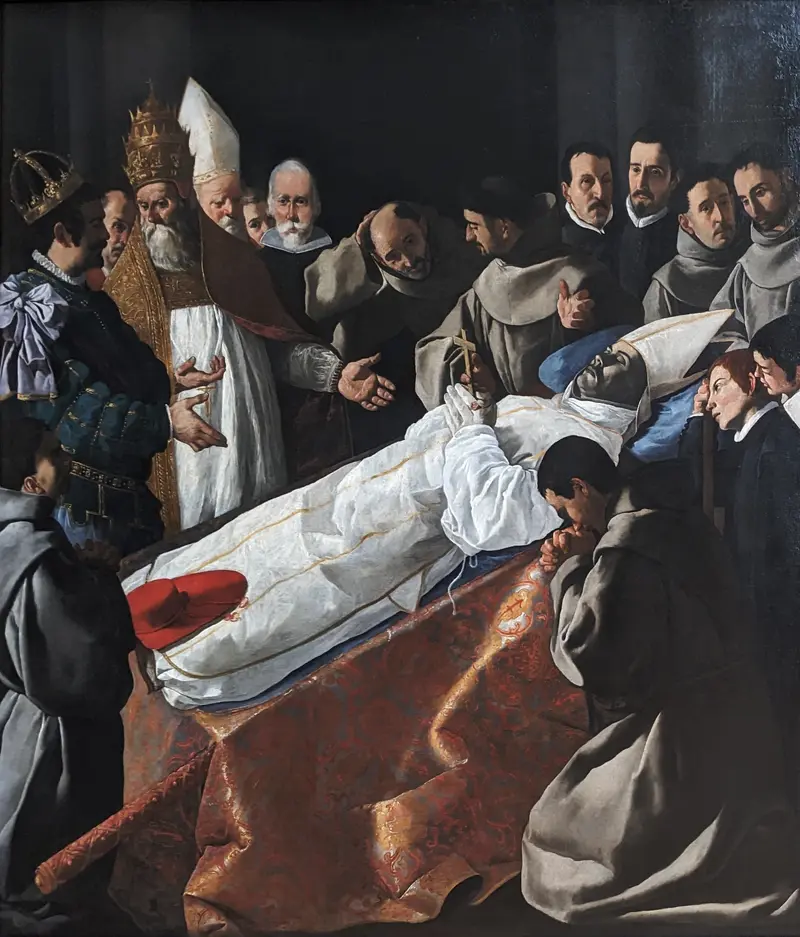
Saint Bonaventure's Body Lying in State
Francisco de Zurbarán
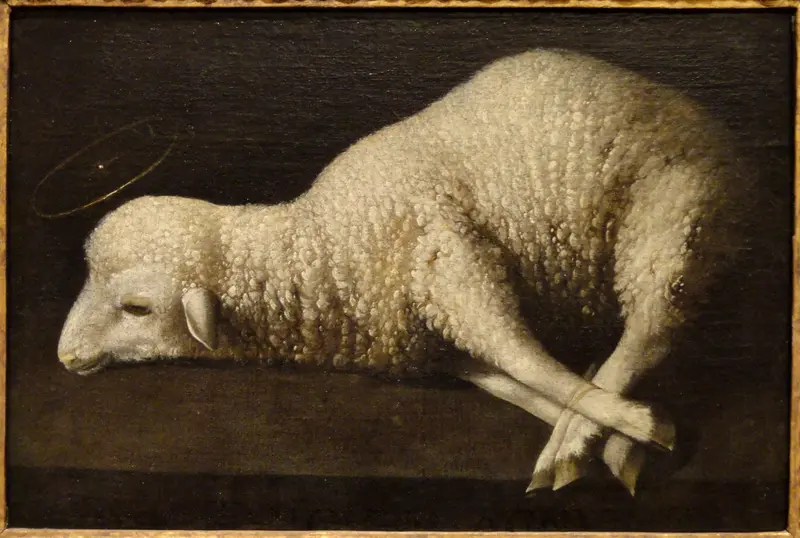
The Lamb of God
Francisco de Zurbarán

Adoration of the Magi
Francisco de Zurbarán
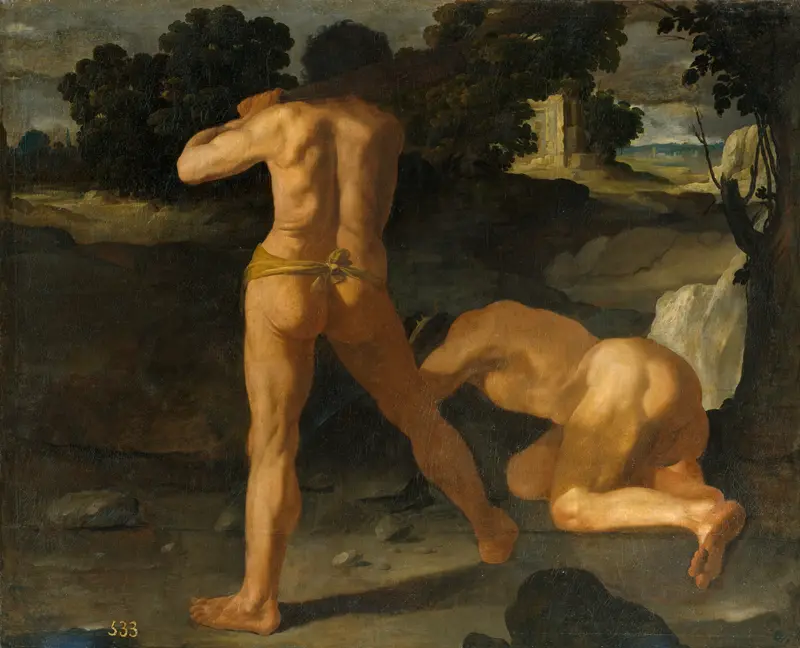
Hercules defeats King Geryon
Francisco de Zurbarán
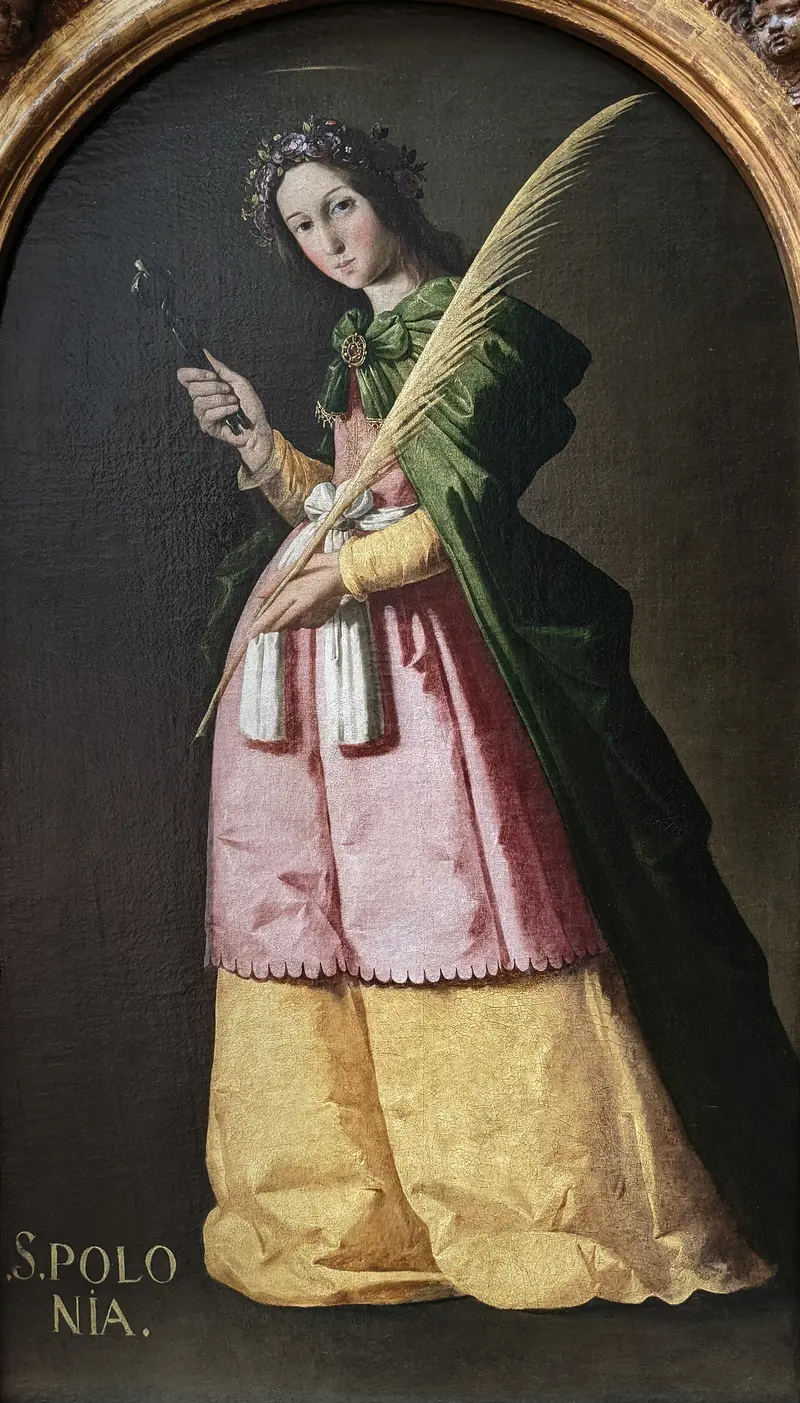
Saint Apollonia
Francisco de Zurbarán
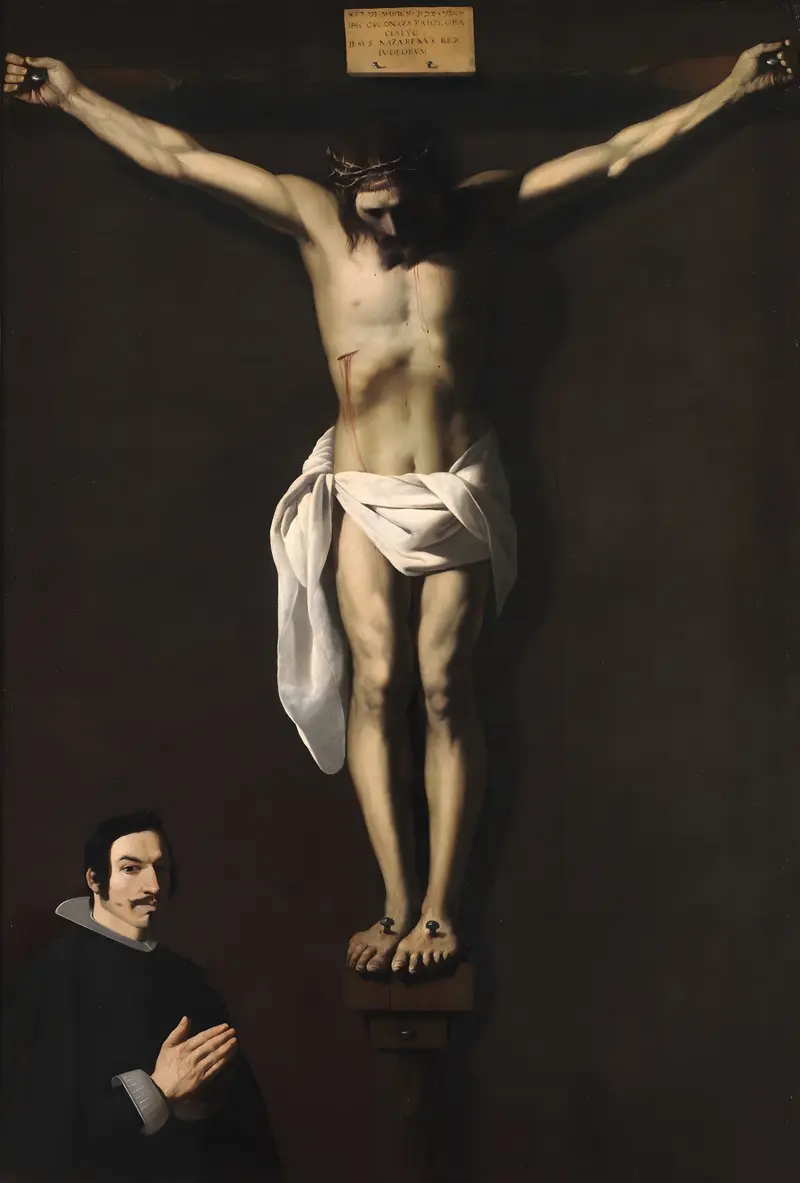
The Crucified Christ with a Donor
Francisco de Zurbarán
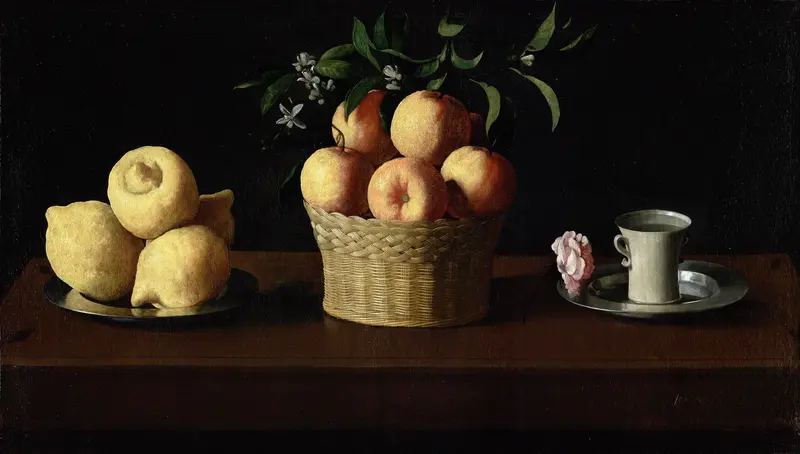
Still Life with Lemons, Oranges and a Rose
Francisco de Zurbarán
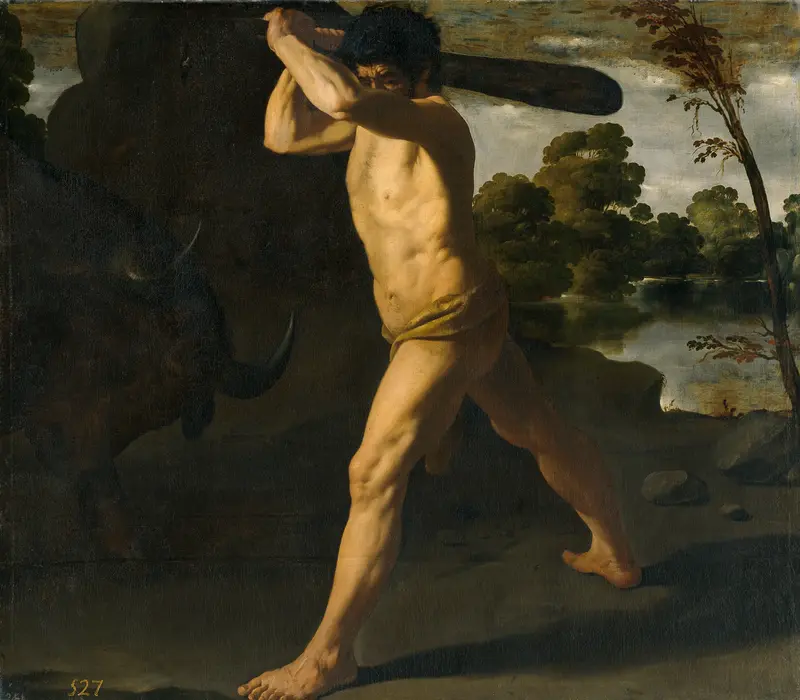
Hercules and the Cretan Bull
Francisco de Zurbarán





