Venedig — History & Facts
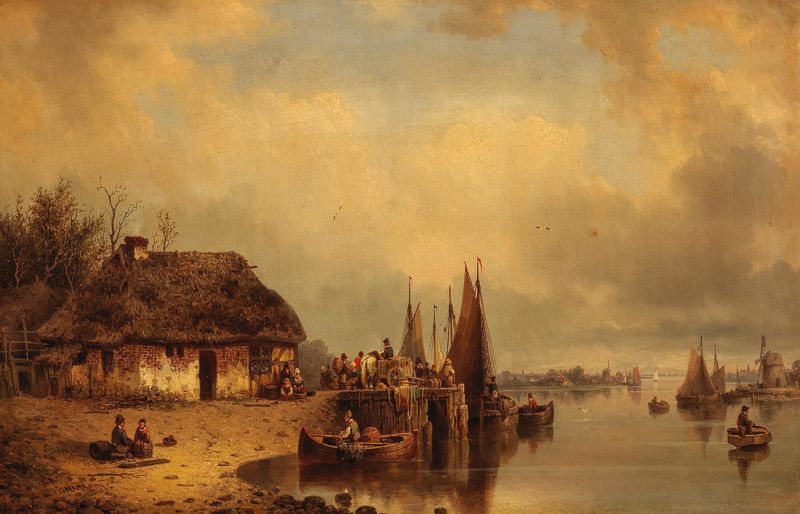
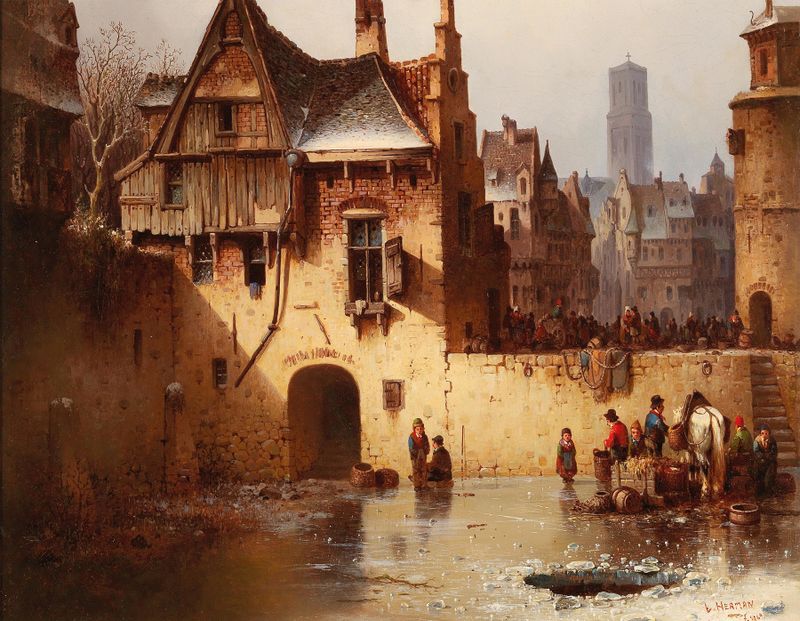
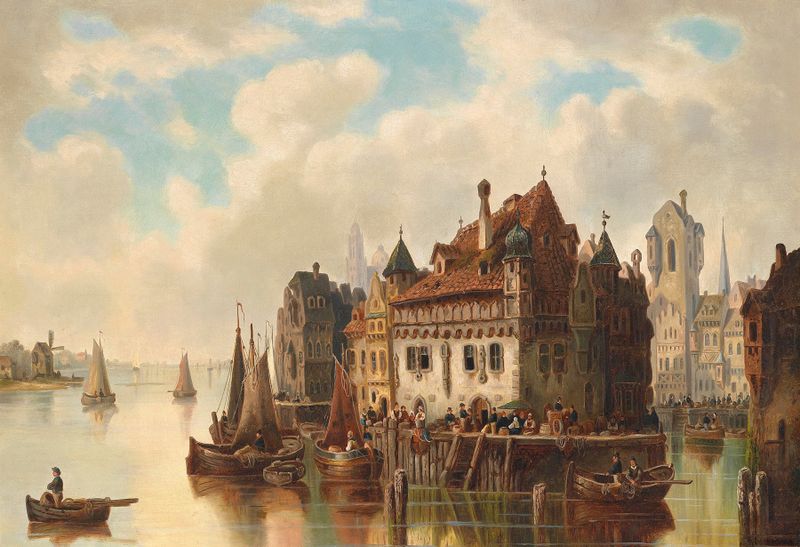
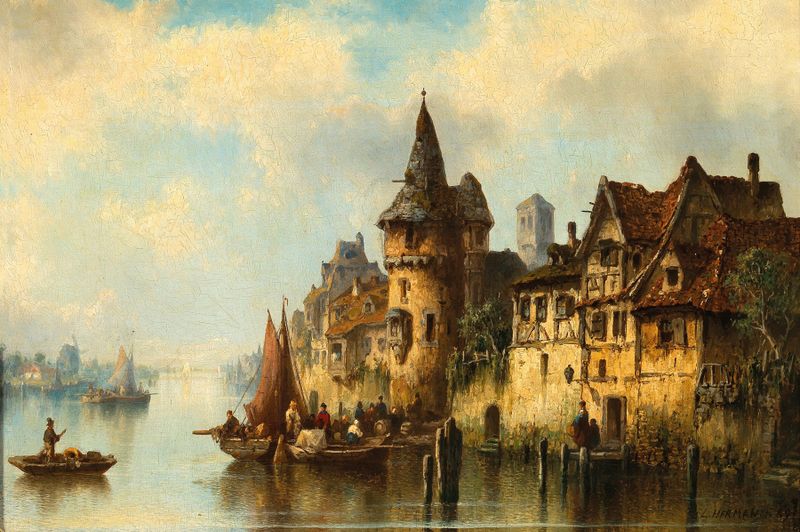
In this moment of silence, serenity unfolds, inviting us to step into a world where time seems to stand still. Look to the foreground where soft brushstrokes depict gently lapping waters reflecting the muted hues of dawn. The cool blues and warm earth tones blend seamlessly, establishing a tranquil atmosphere that envelops the viewer. Notice how the delicate outlines of Venetian architecture emerge, their soft edges suggesting long-held whispers of history.
The interplay of light and shadow creates a harmonious rhythm, guiding the eye to explore the hidden corners of this city, where each stroke of paint reveals a story waiting to be discovered. Delve deeper into the subtle contrasts present in the work. The stillness of the water, juxtaposed with the faint hint of movement suggested in the ripples, speaks to the duality of calmness and life beneath the surface. Each structure, though firmly rooted, appears to sway gently, as if reminiscing about the lives that have traversed its paths.
This tension between permanence and ephemerality invites reflection on the nature of existence and the fleeting beauty of moments shared. During the creation of this artwork, Hermann was influenced by the serenity of Venice, a city that epitomizes tranquility amidst the chaos of modern life. The artist, active in the late 19th century, found himself navigating the changing tides of the art world, while simultaneously drawing inspiration from the timeless beauty surrounding him. In this period, he sought to capture the serene essence of places like Venice, aiming to transport viewers into a peaceful realm where art transcends the noise of the outside world.