
Venice III — History & Facts
In Venice III, the viewer is invited to explore the delicate interplay between beauty and decay, revealing layers of emotion within each brushstroke. Look to the foreground, where the water reflects a dreamy blend of muted blues and gentle pinks, cradling the remnants of a once-vibrant city. The architecture looms softly in the background, its colors dulled by time, suggesting a fading grandeur. Notice how the light dances on the water’s surface, capturing a fleeting moment while hinting at the inevitable erosion of beauty, making the painting feel both timeless and transient. Burr subtly contrasts life and decay through the serene appearance of the water and the crumbling buildings.
These elements evoke a contemplative tension, reminding us of the impermanence of cultural landmarks amid the passage of time. The viewer is drawn to the intricate textures of the surface, where strokes become a metaphor for history’s relentless advance, inviting us to reflect on what endures and what fades away. Created in 1900, this piece emerged during a period when the art world was shifting towards Impressionism and Post-Impressionism, focusing on light and atmosphere. Burr, influenced by the beauty of Venice, aimed to capture its essence before the relentless tides of change altered the cityscape.
At this time, he was exploring the themes of nature and urbanity, highlighting the ephemeral quality of both art and life.
More Artworks by George Elbert Burr
Browse all →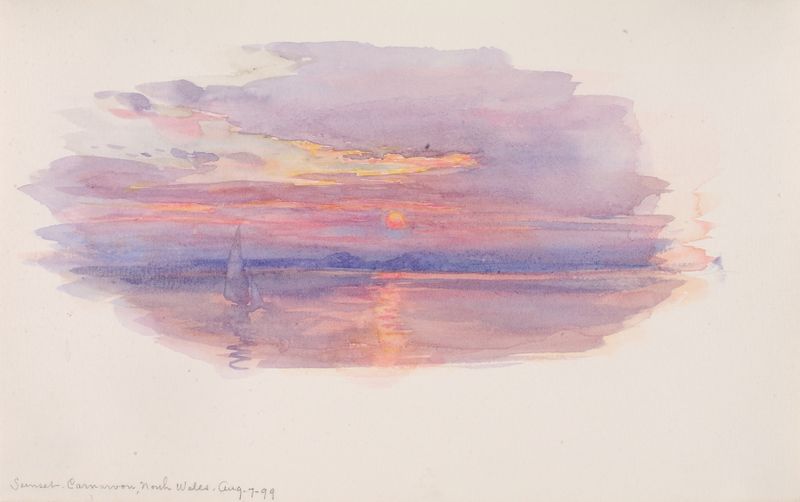
Sunset, Caernarvon, North Wales
George Elbert Burr
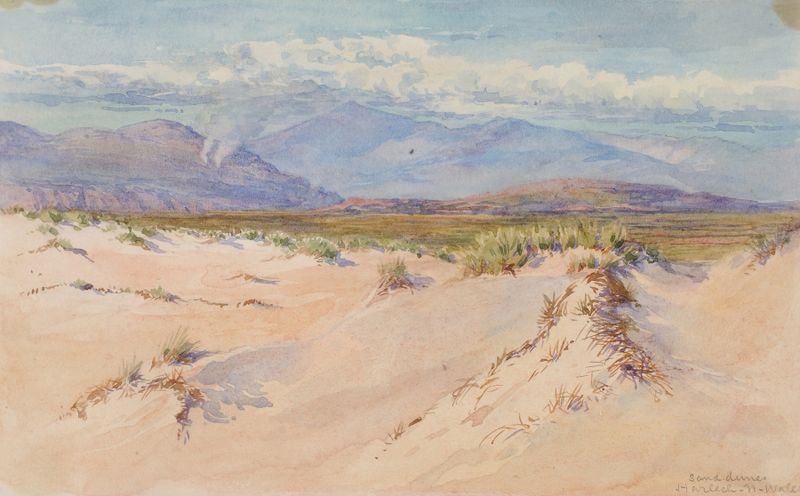
Sand Dunes, Harlech, North Wales
George Elbert Burr

From Pincio, Rome
George Elbert Burr

The Wye near Ross
George Elbert Burr

Venice
George Elbert Burr
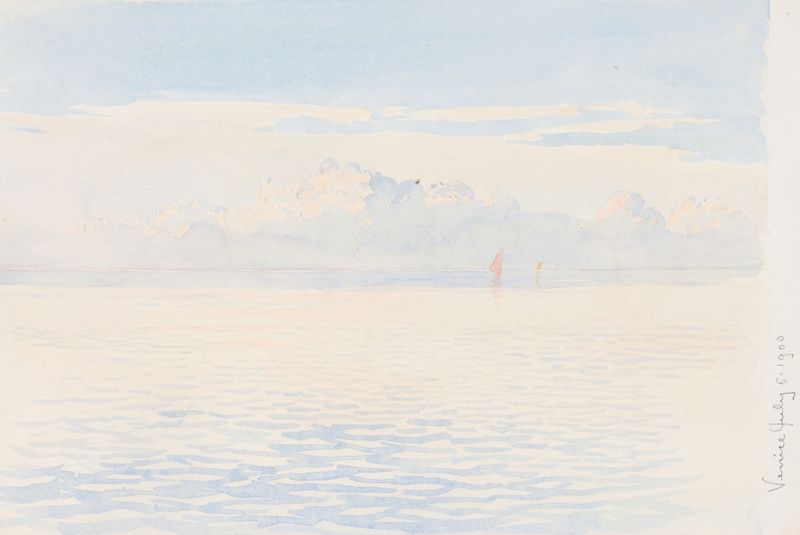
Venice II
George Elbert Burr

Shore at Pwllheli, N. Wales
George Elbert Burr

The Wye at Wilton Castle (Wales)
George Elbert Burr

Venice
George Elbert Burr

Criccieth, N. Wales II
George Elbert Burr





