Venus — History & Facts
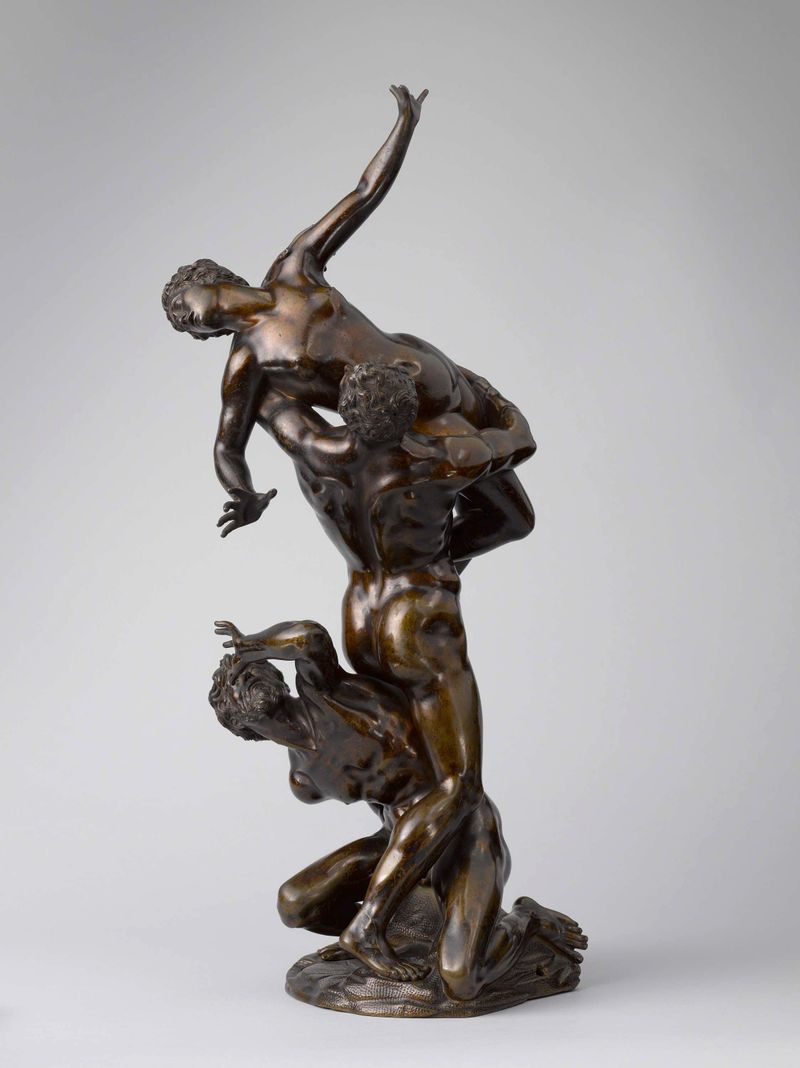
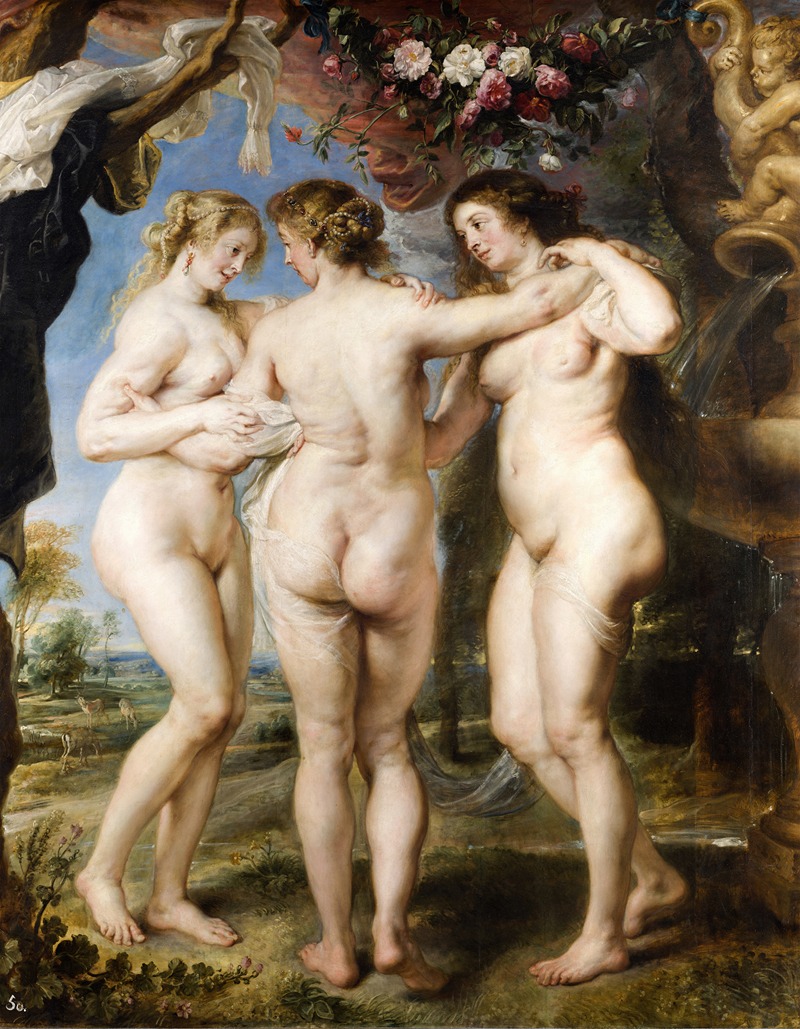
Who listens when art speaks of silence? In Venus, hues whisper secrets, inviting contemplation and invoking a dialogue between the observer and the divine. Look closely at the exquisite rendering of the goddess; her silhouette emerges against a muted backdrop, each stroke harmonizing with a soft palette of pastel blues and gentle creams. The delicate shading highlights the contours of her form, while the subtle play of light emphasizes the serene expression on her face. The composition draws your gaze effortlessly to her gaze, the embodiment of beauty both ethereal and haunting. Beneath the surface, this work transcends mere representation.
The gentle colors suggest a world in which beauty is both a blessing and a burden; the softness can evoke feelings of longing and melancholy. Notice the tension in her expression—caught between the allure of love and the weight of expectation, she embodies both the strength and vulnerability of femininity. Here, Hollar captures the duality of desire, a visual metaphor for the silence that often surrounds the goddess’s power. Between 1644 and 1652, Wenceslaus Hollar created Venus amidst a fascinating period of European art history, marked by the Baroque’s flourish and the rising influence of printmaking.
Living in England after fleeing his native Bohemia, he navigated a world of artistic exchange, where the exploration of classical themes began to blend with emerging personal styles. This painting reflects his journey, a meditation on beauty that resonates with both historical reverence and contemporary relevance.
More Artworks by Wenceslaus Hollar
Browse all →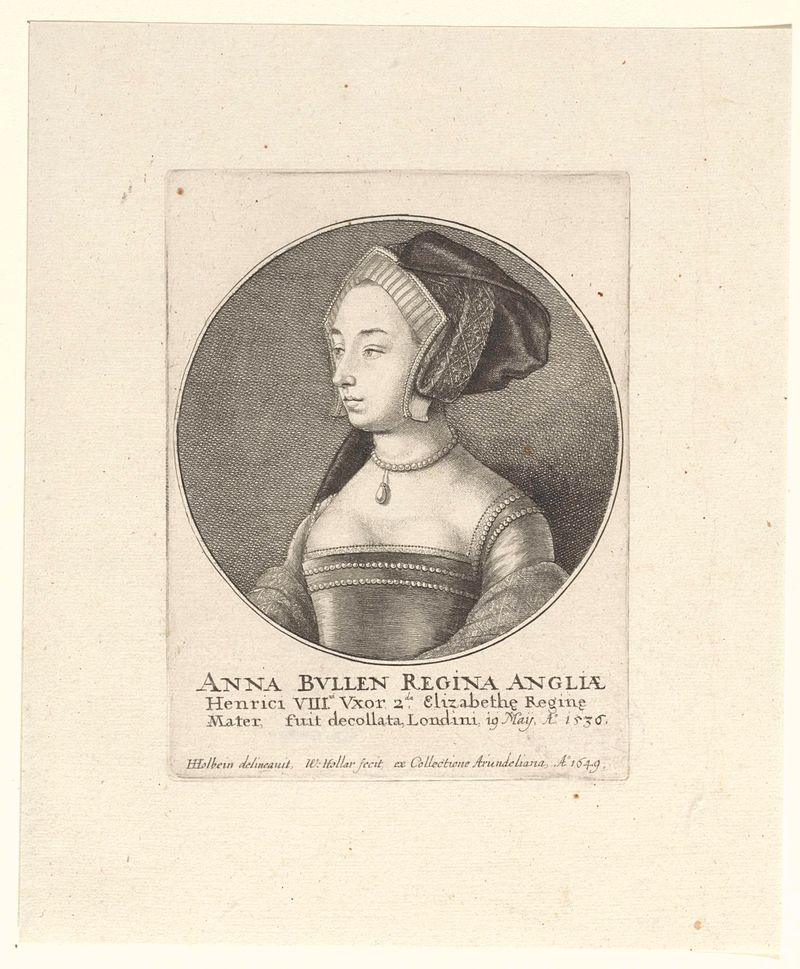
Portret van Anna Boleyn, koningin van Engeland
Wenceslaus Hollar
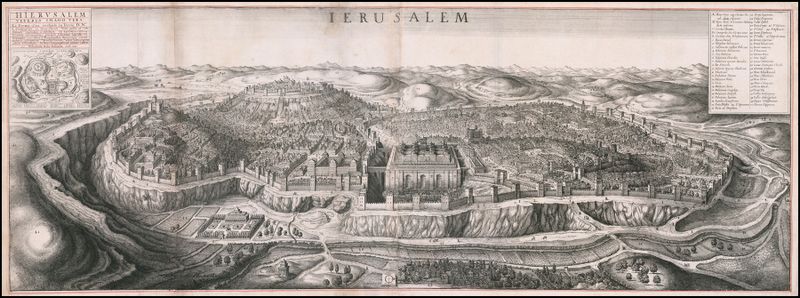
Bird’s eye view of Jerusalem
Wenceslaus Hollar
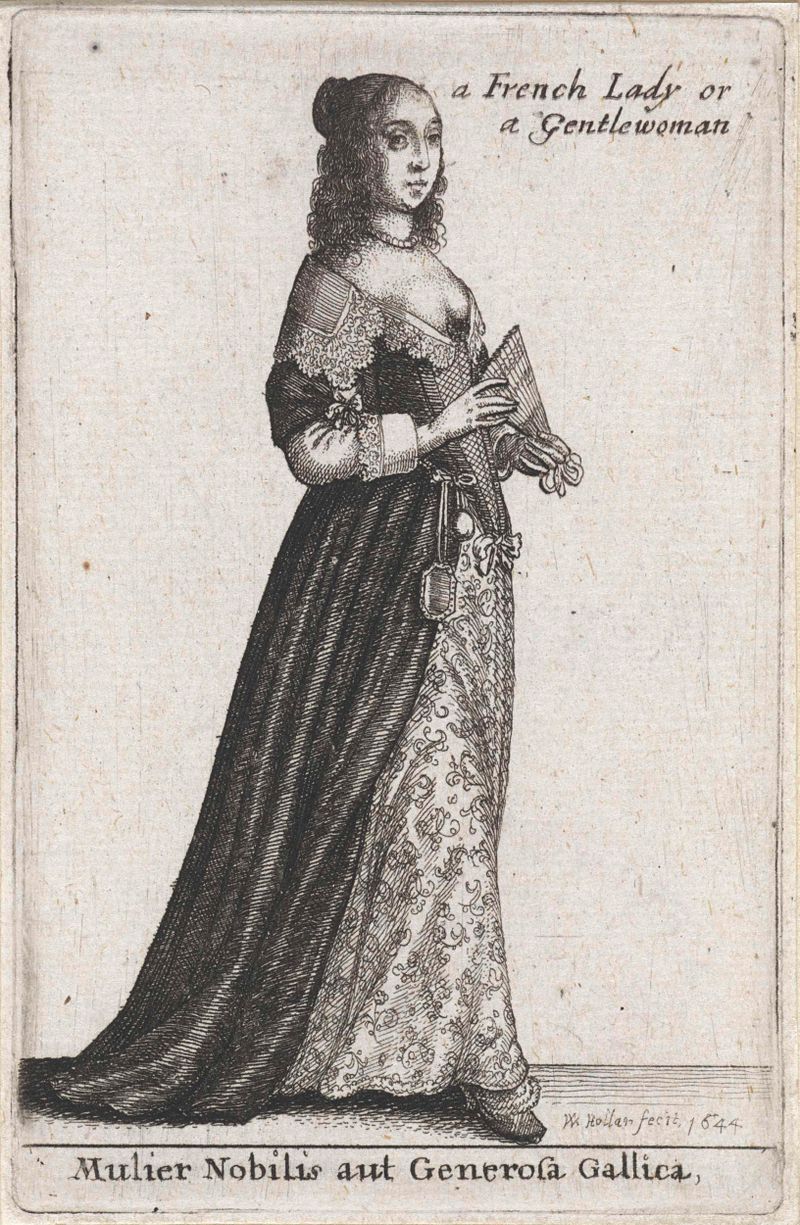
Mulier Nobilis aut Generosa Gallica / a French Lady or Gentlewoman
Wenceslaus Hollar
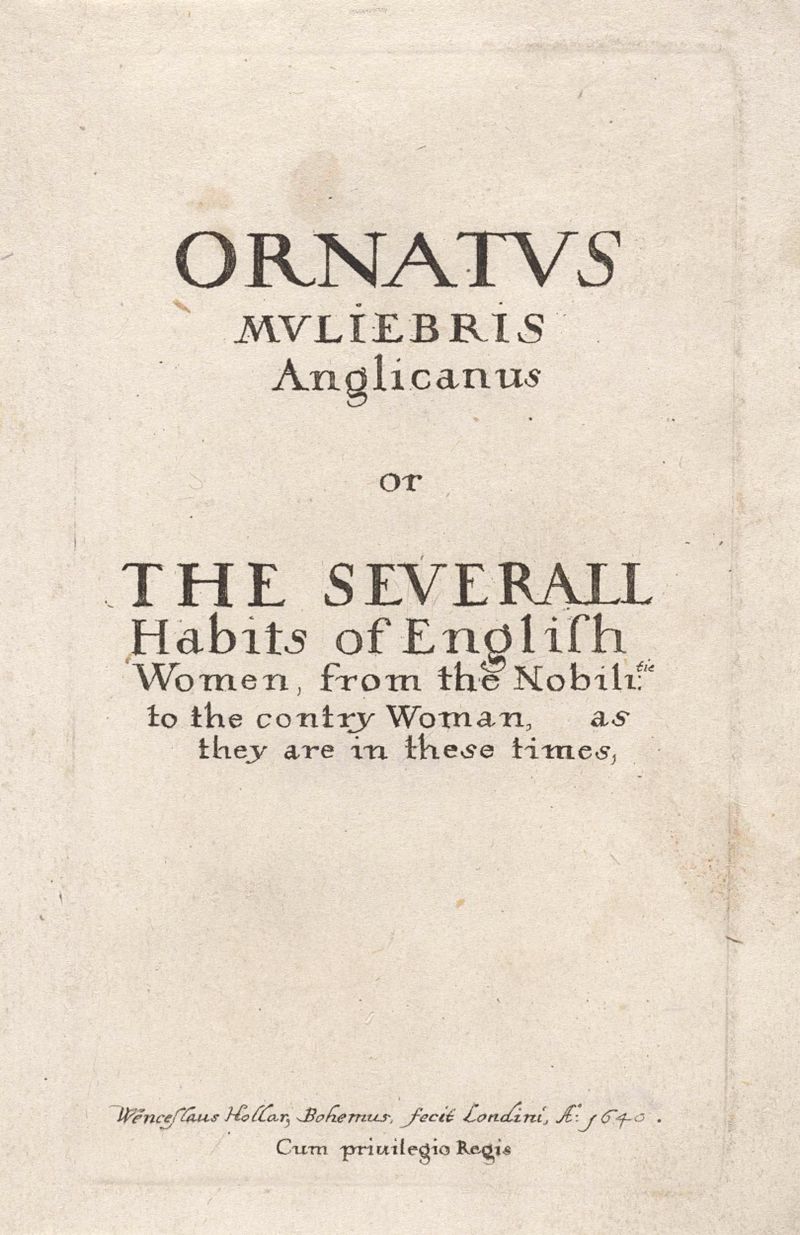
Titelprent voor: Ornatus Muliebris Anglicanus
Wenceslaus Hollar
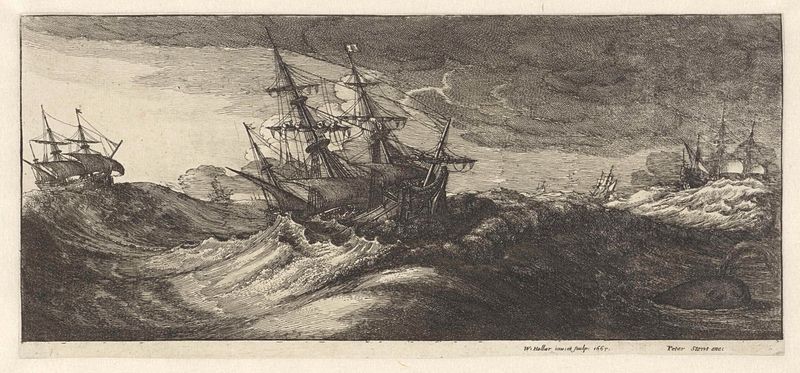
Oorlogsschepen en een walvis in een zeestorm
Wenceslaus Hollar
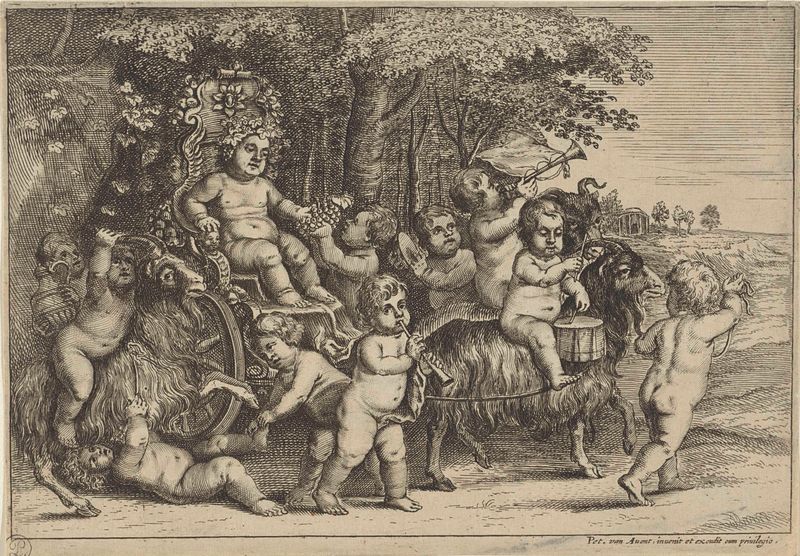
Optocht van bacchant en jongetjes op geiten
Wenceslaus Hollar
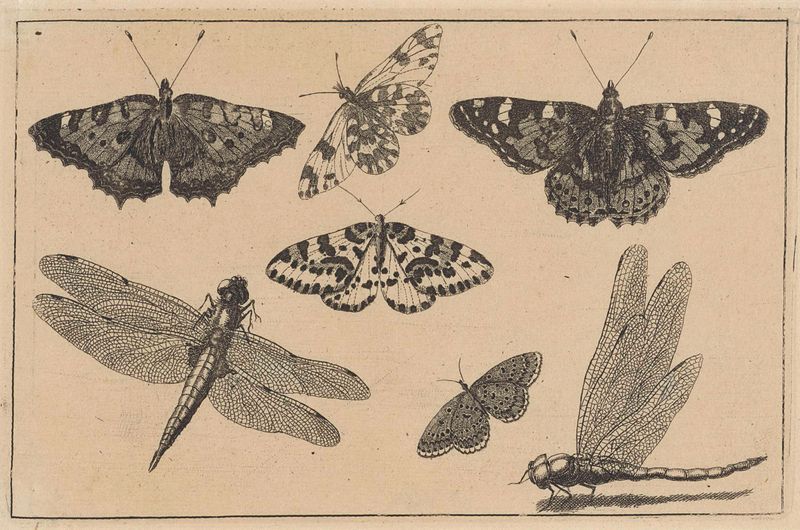
Twee libellen en vijf vlinders
Wenceslaus Hollar
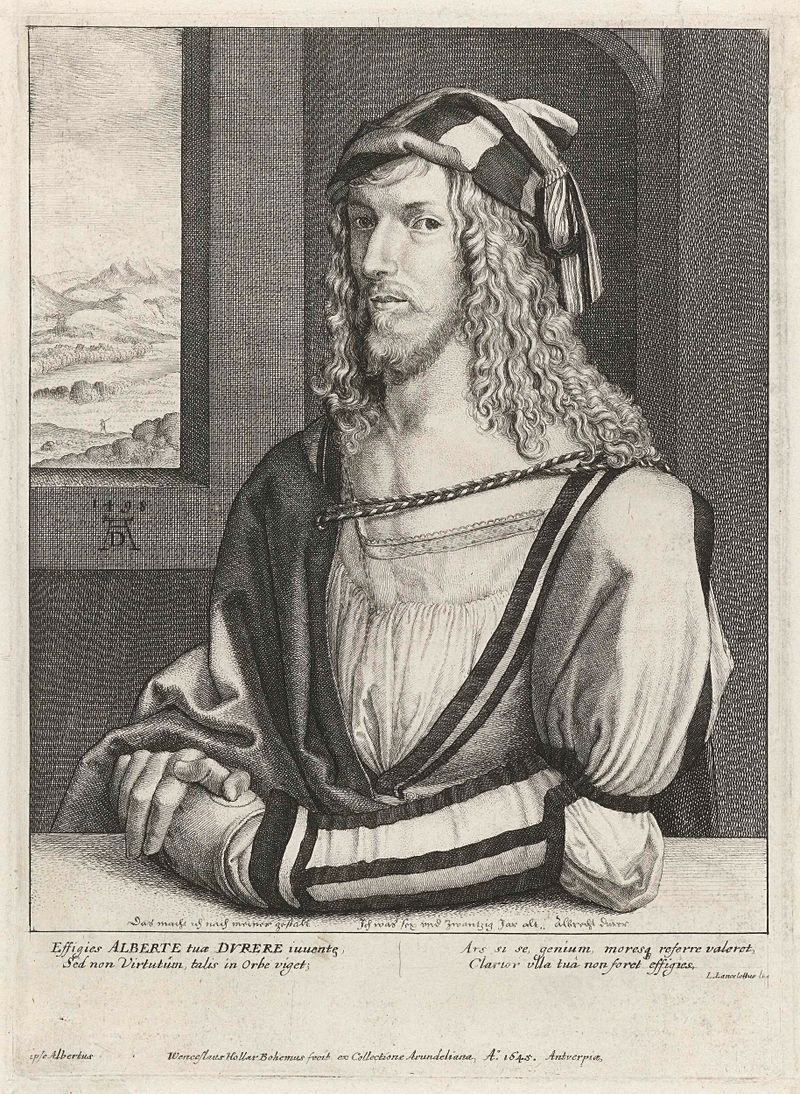
Portret van Albrecht Dürer
Wenceslaus Hollar
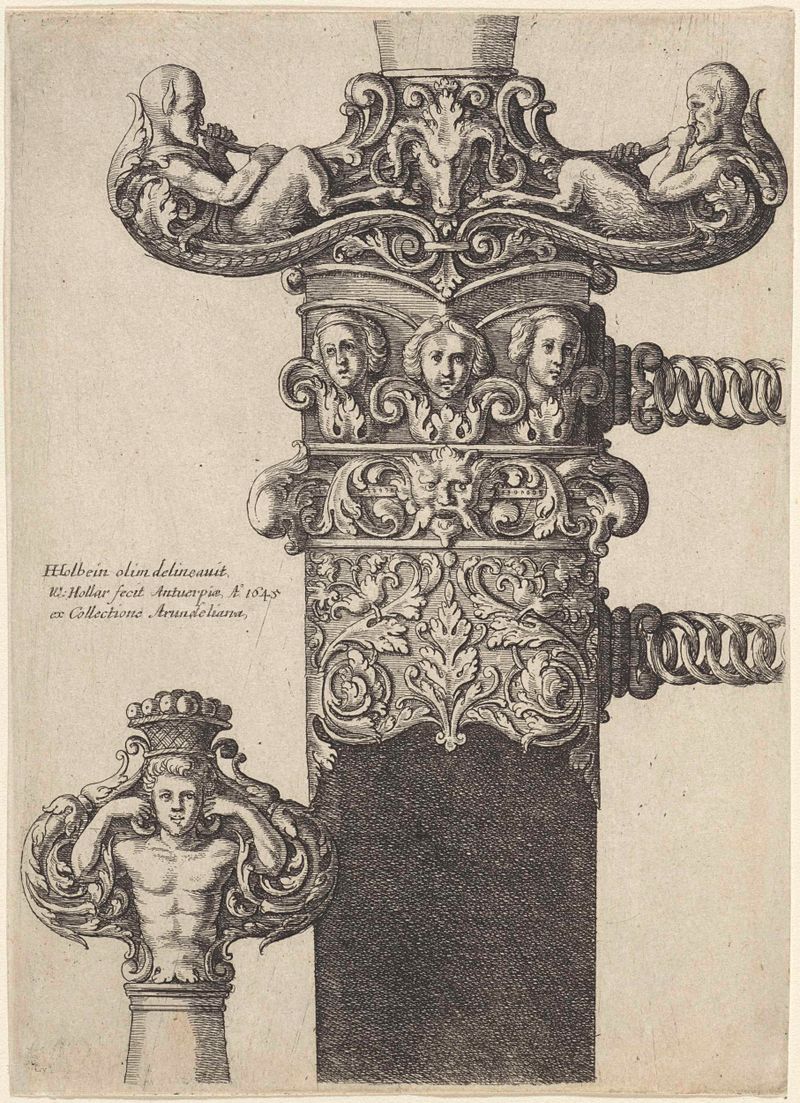
Ornamenteel ontwerp voor een dolk
Wenceslaus Hollar
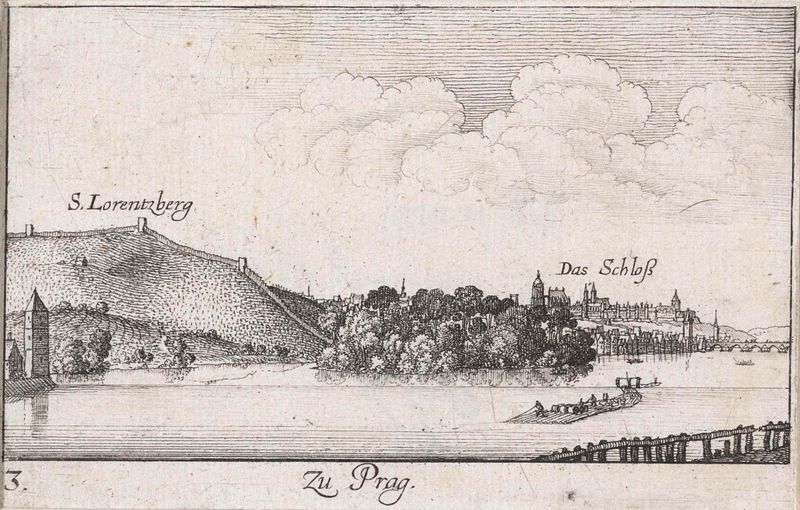
Gezicht op Praag vanaf de Moldau
Wenceslaus Hollar